

Eye Surgery and LASIK in Eskişehir: Central Anatolia's Clear-Vision Clinics for International Patients
Why Eskişehir for Eye Surgery?
Eskişehir, a vibrant university city in Central Anatolia, has become a destination for medical tourism, particularly in ophthalmology. The city has eye clinics equipped with diagnostic and surgical technology, including femtosecond lasers and wavefront analysis systems. These centres are staffed by experienced surgeons who prioritise safety and personalised care.
Compared to larger metropolises, Eskişehir offers a more relaxed experience without compromising on quality. International patients appreciate the city's clean, modern facilities, short waiting times, and the opportunity to recover in a peaceful environment. Whether you need LASIK, PRK, or lens replacement, Eskişehir's clinics provide comprehensive care tailored to your vision needs.
Advanced Diagnostic Technology for Safety
Before any eye surgery, thorough pre-operative screening is essential. Eskişehir's clinics utilise advanced diagnostic tools such as corneal topography, pachymetry, and aberrometry to map your eye's unique characteristics. These tests ensure that you are a suitable candidate for the procedure and help surgeons plan a personalised treatment approach.
Conditions like thin corneas, dry eye, or irregular astigmatism are carefully evaluated to minimise risks. If a procedure isn't safe for you, the clinic will recommend alternative options. This commitment to safety is why many international patients trust Eskişehir for their vision correction.
LASIK, PRK, and Lens Procedures: What's Right for You?
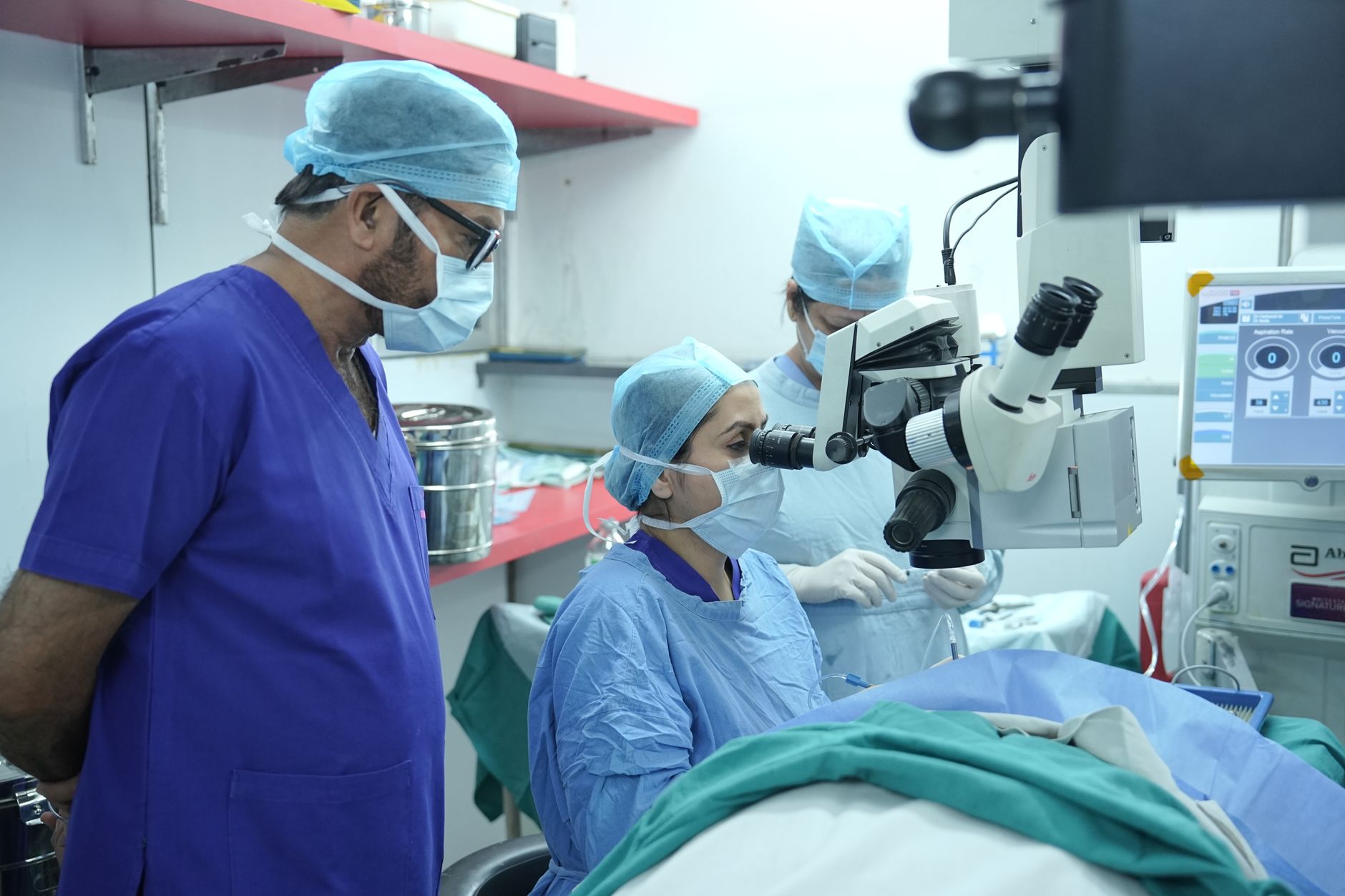
Eskişehir's ophthalmology centres offer a range of vision correction procedures. LASIK is the most common, using a laser to reshape the cornea for rapid recovery and minimal discomfort. PRK is an alternative for patients with thin corneas or other conditions, involving surface ablation with a longer recovery but long-term results.
For those over 40 or with high refractive errors, lens procedures such as implantable collamer lenses (ICL) or refractive lens exchange (RLE) may be recommended. Each option has its own benefits and considerations, and your surgeon will discuss the best choice based on your eye health and lifestyle.
Before Treatment: Your Pre-Operative Journey
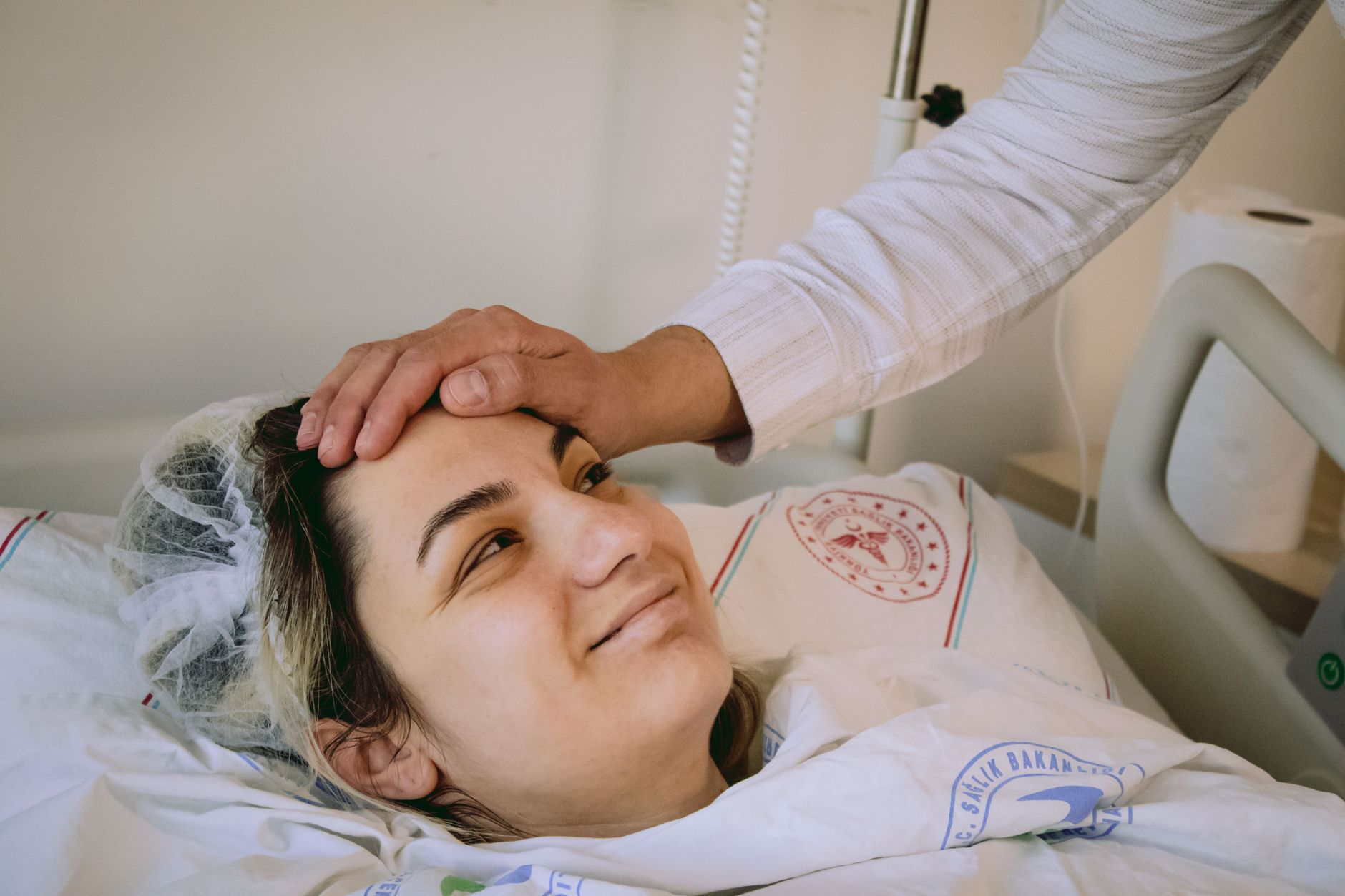
Your journey begins with a comprehensive eye examination, either remotely or upon arrival in Eskişehir. You'll undergo a series of diagnostic tests to assess your vision and eye health. The clinic will review your medical history and discuss your expectations to ensure you make an informed decision.
If you wear contact lenses, you'll need to stop wearing them for a period before the evaluation to allow your cornea to return to its natural shape. Your surgeon will then explain the procedure, potential risks, and aftercare, and you'll have the opportunity to ask questions. A personalised treatment plan will be created, and your surgery date scheduled.
During Treatment: What to Expect
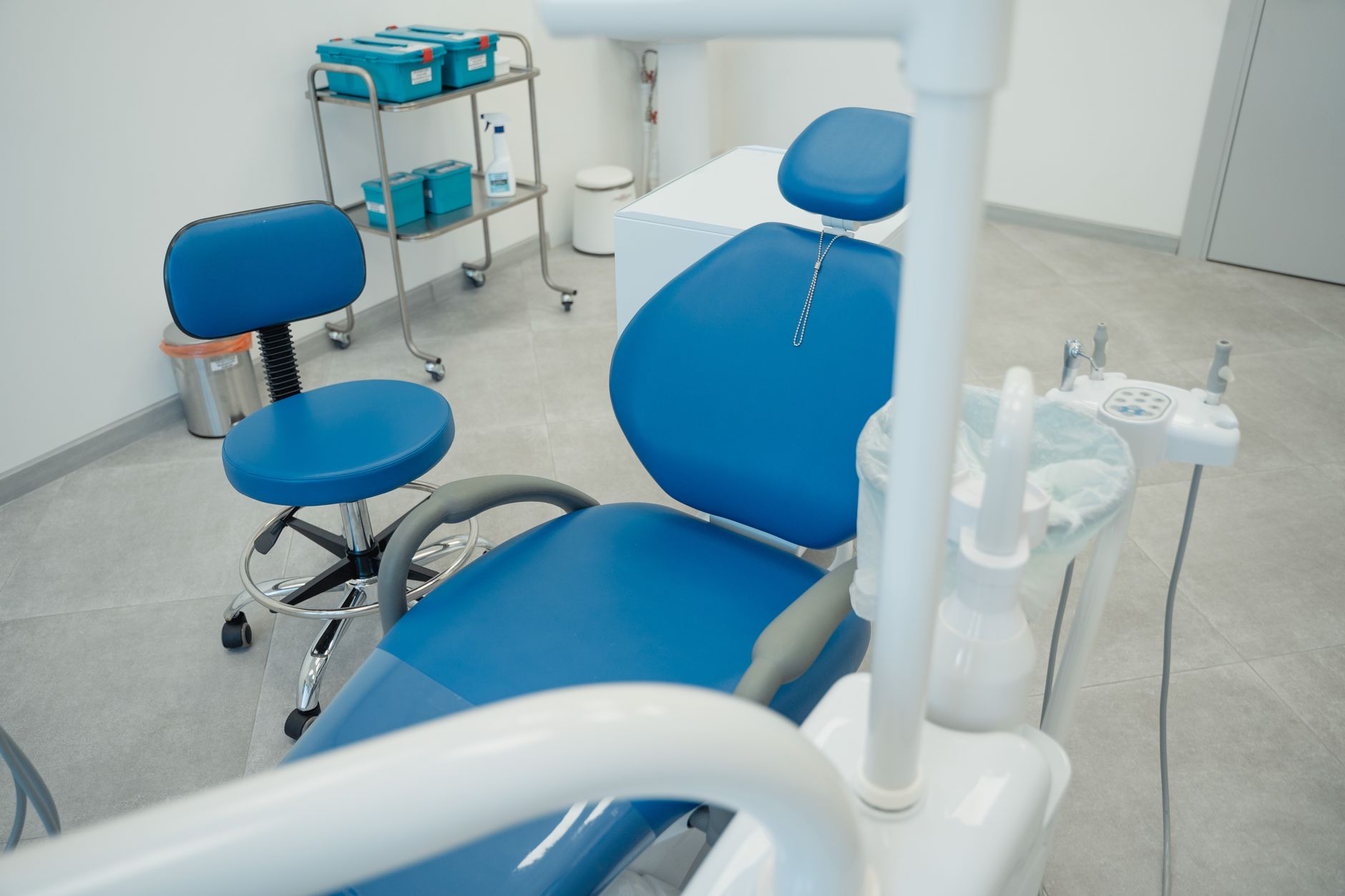
On the day of surgery, you'll arrive at the clinic and undergo final preparations. The procedure itself is typically quick—LASIK takes about 15 minutes for both eyes. You'll be awake but comfortable, with numbing drops to ensure no pain. The surgeon will use laser technology to reshape your cornea or implant a lens, depending on the procedure.
After surgery, you'll rest briefly and receive eye drops and instructions for aftercare. Most patients notice improved vision immediately or within a few hours. You'll need someone to accompany you home, as your vision may be blurry initially.

After Treatment: Recovery and Results
Recovery varies by procedure. LASIK patients often see clearly within a day and can return to normal activities quickly, while PRK requires a few days to a week for functional vision. Your clinic will provide a schedule for follow-up visits, which may include a check-up the next day and additional visits as needed.
You'll be given medicated eye drops to prevent infection and inflammation, and you should avoid rubbing your eyes and wearing makeup for a short period. Outcomes vary between patients and cannot be guaranteed, so it's important to follow your surgeon's advice for optimal healing. Eskişehir's clinics offer continued support even after you return home, with telemedicine follow-ups if necessary.
Cost and Value: Vision Correction Costs
Eye surgery in Eskişehir generally costs less than in Western Europe or North America. LASIK prices are typically lower, and package deals often include consultations, tests, and follow-up care. Many clinics offer transparent pricing and assistance with travel arrangements.
International patients may find costs lower than in their home countries, making vision correction more accessible. Combined with the opportunity to explore Eskişehir's charming streets, cafes, and cultural sites, it's a worthwhile medical journey.
Planning Your Trip to Eskişehir
Eskişehir is easily accessible via direct flights to Istanbul or Ankara, followed by a comfortable high-speed train or domestic flight. The city offers a range of accommodation from boutique hotels to modern international chains, many within walking distance of the clinics. The best time to visit is spring or autumn when the weather is mild.
For a stress-free experience, plan to stay for at least 5-7 days to allow for pre-operative assessments, the procedure, and initial recovery. Clinics can help arrange airport transfers, interpreters, and post-operative care. With its blend of modern medicine and warm hospitality, Eskişehir is a destination for your eye surgery journey.
أهم المعالم
الأنشطة الشائعة
تفكر في رحلة إلى تركيا؟
أرسل لنا سؤالاً حول هذا الموقع أو حول المعلومات المنشورة عليه. هذا صندوق بريد ناشر، وليس خدمة طبية وليس طريقاً إلى مزود معين — للأسئلة السريرية، اتصل بطبيبك الخاص.
