

Why Türkiye Makes Financial Sense for Medical Travel
Türkiye has become one of the world's most trusted destinations for medical tourism, and the numbers tell a compelling story. Treatment costs at accredited Turkish hospitals are typically 50–70% lower than in the United States and Western Europe, even though many clinics use the same technology, the same implant brands and the same internationally trained specialists. A hair transplant, a full smile makeover, bariatric surgery or a knee replacement can cost a fraction of the price you would pay at home — without compromising on quality.
What surprises first-time patients most is not the savings, but the financial clarity. Reputable Turkish clinics and hospitals operating under the Ministry of Health's health tourism framework are required to give you a written, itemised quote before you commit. You know the surgery fee, the hospital stay, the medications, the transfers and the follow-up appointments in advance. There are no hidden line items waiting for you at discharge.
This guide explains how international patients actually pay — through bank transfers, credit and debit cards, or approved intermediaries — and how private health insurers and international plans can reimburse or pre-authorise care abroad. Think of it as your financial roadmap to a smooth treatment journey in Istanbul, Antalya, Izmir or Ankara.
How Turkish Clinics Structure Their Pricing
Most health tourism packages in Türkiye are quoted in euros, US dollars or Turkish lira, and the currency is fixed at the moment you receive your formal offer. That protects you from exchange-rate surprises between the quote and the surgery date — a level of transparency you rarely find in cross-border healthcare.
A standard package usually bundles the surgeon's fee, hospital or clinic charges, anaesthesia, standard medications, medical consumables, airport transfers, hotel accommodation for a defined number of nights, and at least one post-operative check-up. Some clinics also include translation services and a dedicated international patient coordinator. Extras such as additional nights, a companion's accommodation or extended physiotherapy are quoted separately and clearly.
Ask for the quote in writing and request a breakdown even if you are given a lump-sum figure. Legitimate providers are happy to explain each item, because transparency is one of the strongest selling points of Turkish health tourism. If a quote seems unusually low and the inclusions are vague, treat that as a warning sign rather than a bargain.

Paying by Bank Transfer: The Most Common Route
International bank transfer (SWIFT) is the preferred payment method for the majority of Turkish hospitals, especially for surgical packages above a few thousand euros. It is traceable, secure and accepted by every accredited facility. Your clinic will provide a formal invoice with its full corporate name, bank name, IBAN, SWIFT/BIC code and a reference number tied to your patient file.
The key rule is simple: always transfer to a corporate account in the clinic's or hospital's registered name — never to an individual's personal account. If someone asks you to send money to a private person's IBAN, stop and verify through an official channel before proceeding. This single habit prevents the overwhelming majority of payment fraud.
Plan for the timing of your transfer. SWIFT payments can take one to three business days to arrive, and some banks apply intermediary fees. Ask the clinic whether they cover incoming transfer fees or whether you should add them to the amount. Most clinics send a written confirmation of receipt and a paid invoice within 24 hours — keep these documents, as you may need them for insurance reimbursement or for your own records.
Currency choice matters too. If your bank account is in a currency other than the invoice currency, ask your bank for the total cost including conversion before you send. Clinics often accept payment in euros or dollars to reduce conversion friction for international patients, and many will honour the exchange rate stated on the original quote.

Card Payments, Deposits and Staged Schedules
Credit and debit cards are widely accepted in Türkiye, particularly Visa and Mastercard. Many clinics accept card payment for deposits, smaller treatments such as dental or dermatology procedures, and for settling the balance on arrival. However, be aware that some hospitals pass on card processing fees for high-value transactions, and certain issuing banks may block large foreign charges unless you notify them in advance.
Deposits are standard practice and usually range from 10% to 30% of the package price. A deposit secures your surgery date, reserves the operating theatre and confirms your pre-operative planning. Reputable clinics issue a written receipt and confirm the exact balance due, the accepted payment methods and the deadline in your treatment agreement.
Larger procedures are often structured in stages: a deposit to book, a second payment shortly before travel or on admission, and any final balance settled before discharge. Every stage should be documented on paper or in a secure patient portal. If a clinic insists on full cash payment upfront, without a contract or receipt, consider that a red flag and look elsewhere.
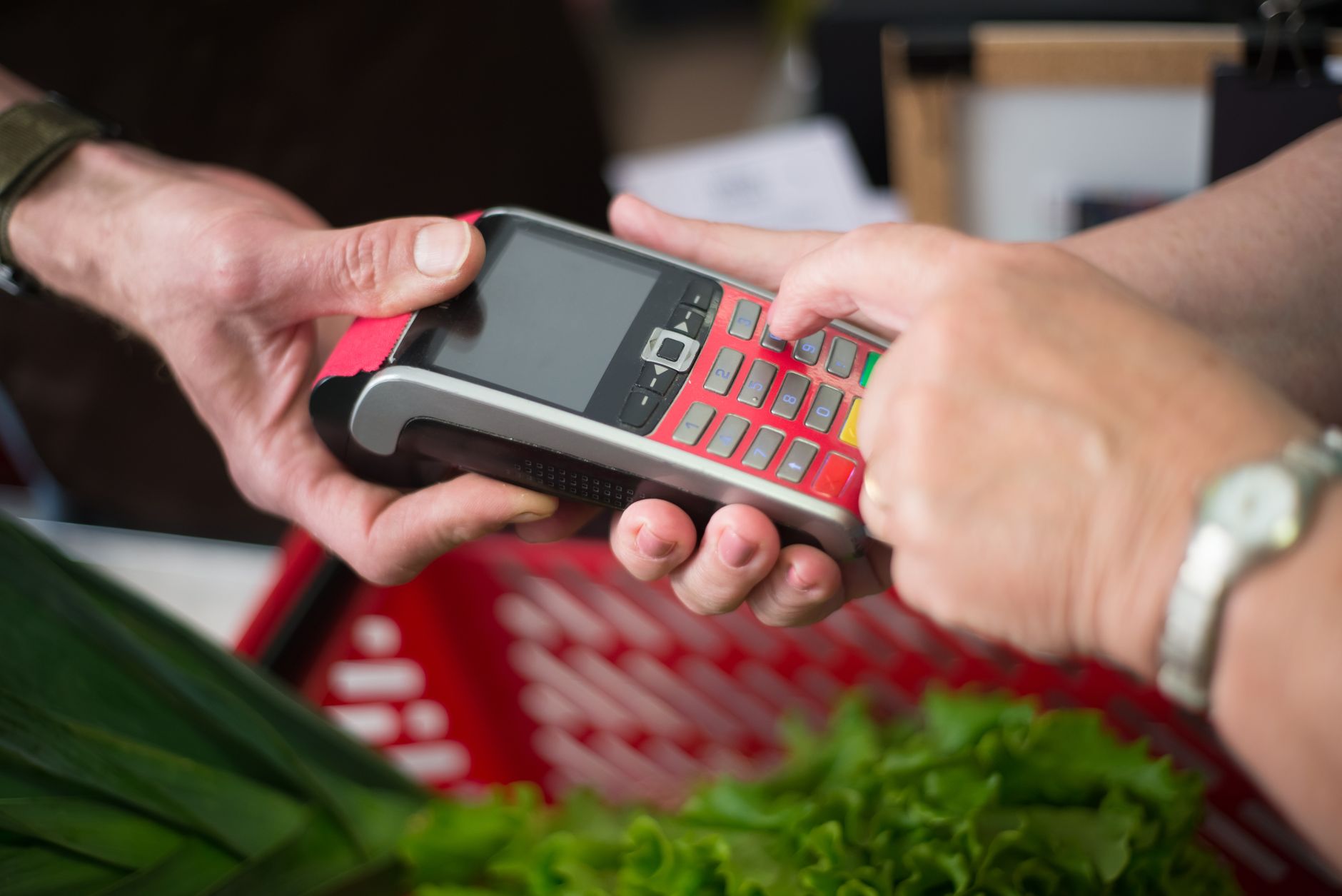
When paying by card, use a card in your own name and keep the transaction receipt. Avoid paying through informal money-transfer apps to personal accounts, and never share card details over unencrypted messaging platforms. If you need to pay a balance in Türkiye, paying directly at the hospital's finance desk — with a receipt in hand — is the safest option.
Approved Intermediaries and Health Tourism Facilitators
Many international patients work with a facilitator or medical tourism agency that arranges the hospital, the surgeon, the hotel and the transfers as a single package. Legitimate facilitators can genuinely simplify your trip: they handle translation, coordinate appointments and negotiate group rates. Türkiye's health tourism ecosystem includes agencies authorised under Ministry of Health regulations, and these are the ones to prioritise.
Before paying any intermediary, verify three things. First, confirm the agency is authorised or registered and, where possible, that it works with internationally accredited hospitals (JCI, TEMOS or equivalent). Second, ask for the hospital's own written confirmation that your surgery is booked and the price is agreed — the hospital, not just the agency, should acknowledge your booking. Third, insist that payments for treatment go to the hospital's corporate account or that the agency provides a formal contract stating exactly what you are paying for and when.
Good facilitators are transparent about their commission and are happy to connect you directly with the clinic's international patient department. Poor ones blur the line between agency and provider and pressure you to pay quickly. A short video call with the actual surgeon or the hospital's coordinator is a reasonable request and a strong signal that you are dealing with a professional operation.

Can Insurance Cover Treatment Abroad?
Coverage depends on your insurer, your plan and the type of care. Three broad categories matter. Travel insurance typically covers emergencies and accidents abroad, not planned elective surgery. Private health insurance may include an international or overseas option, especially in plans designed for expatriates or globally mobile professionals. National health systems in some countries reimburse a portion of treatment abroad when waiting lists are long or when the procedure is unavailable locally.
For planned treatment in Türkiye, the most useful path is pre-authorisation. Contact your insurer before booking, explain the procedure and the hospital, and ask what documentation they require: usually a medical report, a treatment plan, a detailed cost estimate and the hospital's accreditation certificates. Many Turkish hospitals have international departments experienced in producing these documents quickly and in the format insurers expect.
Even when direct billing is not available, reimbursement is often possible. You pay the clinic, collect itemised invoices, proof of payment, medical reports and diagnosis codes, then submit a claim to your insurer on return. Turkish clinics are used to this workflow and routinely issue English-language invoices that meet international reimbursement standards. Check your policy's exclusions carefully — cosmetic procedures, for example, are often excluded unless medically necessary.
International health plans from providers such as Cigna Global, Allianz Care, Bupa Global or April International frequently include worldwide coverage with direct settlement at selected hospitals. If you hold such a plan, ask the hospital's international office whether they have a direct-billing agreement. It can remove the need to pay large sums upfront.
Staying Secure: Practical Payment Rules
Financial safety in medical tourism comes down to a few disciplined habits. Request everything in writing: the treatment plan, the itemised quote, the payment schedule and the refund policy. Verify the clinic's registration and accreditation independently through Turkey's Ministry of Health health tourism portal or internationally recognised accreditation bodies.
- Pay only to corporate accounts or official clinic payment channels.
- Keep every receipt, invoice and confirmation email in one folder — digital and printed.
- Notify your bank before making large international transfers or card payments to avoid blocks.
- Use a credit card for deposits where possible, as it offers chargeback protection.
- Never send cash or crypto to an individual, and treat urgency as a warning sign.
Currency and tax details are worth clarifying early. Ask whether prices include VAT, whether a medical report fee applies, and whether the clinic provides the tax documents your insurer or tax authority may need. Transparent clinics answer these questions without hesitation; the clarity you receive before treatment is a good preview of the care you will receive during it.
Why Türkiye Is the Smart Financial Choice
Türkiye combines internationally accredited hospitals, experienced English-speaking specialists and prices that make world-class care genuinely accessible. Whether you are comparing dental implants, bariatric surgery, IVF, vision correction or orthopaedics, the value proposition is strong — and increasingly, insurers recognise it too.
Because Turkish clinics compete on transparency as much as on price, you benefit from written quotes, defined payment stages and responsive international patient teams. Add flexible payment routes — SWIFT transfers, cards, authorised intermediaries and growing insurance acceptance — and the financial side of your medical journey becomes as manageable as the medical side.
Do your homework, verify your provider, choose a secure payment method and keep your paperwork. Do that, and Türkiye stops feeling like a leap of faith and starts feeling like a well-planned, financially sound healthcare decision.
تفكر في رحلة إلى تركيا؟
أرسل لنا سؤالاً حول هذا الموقع أو حول المعلومات المنشورة عليه. هذا صندوق بريد ناشر، وليس خدمة طبية وليس طريقاً إلى مزود معين — للأسئلة السريرية، اتصل بطبيبك الخاص.