

Why Anaesthesia Standards Matter for International Patients
For anyone considering surgery abroad, the question of anaesthesia is often quietly present but rarely asked aloud. Will I be safe? Who is watching over me? What happens if something changes during the operation? These are completely reasonable concerns, and they deserve clear, honest answers. In Türkiye, the answer is reassuring: accredited hospitals operate under internationally recognised anaesthesia protocols, with dedicated anaesthesiologists and modern monitoring systems present throughout every procedure.
Turkey has become one of the world's leading destinations for medical tourism, welcoming hundreds of thousands of international patients each year. This growth has not happened by accident. It reflects a healthcare system that combines advanced infrastructure, specialised medical staff and a strong commitment to patient safety standards. Anaesthesia — the foundation of any safe surgical experience — sits at the very centre of that commitment.
This article explains how anaesthesia is managed in Turkish hospitals, what the protocols actually involve, and what you can realistically expect as an international patient preparing for surgery.
Accreditation: The Framework Behind the Standards
Many of Turkey's leading hospitals hold accreditation from internationally recognised bodies such as the Joint Commission International (JCI) and the International Society for Quality in Health Care (ISQua). Others work to standards aligned with the Turkish Ministry of Health's rigorous inspection and certification system, which is regularly updated to reflect global best practice.
Accreditation is not a one-time badge. It involves periodic re-evaluation, unannounced surveys and continuous quality reporting. Anaesthesia services are a core part of these assessments. Inspectors examine everything from how pre-operative assessments are documented to how emergency drugs and equipment are checked before each procedure.
In practical terms, this means that when you enter an accredited Turkish hospital for surgery, you are entering a system that has been independently reviewed against international benchmarks. The anaesthesia you receive is not improvised — it follows a defined, audited pathway designed around patient safety.
Dedicated Anaesthesiologists: A Specialist at Your Side
In Turkish accredited hospitals, anaesthesia is delivered by qualified physician anaesthesiologists, not by technicians or unsupervised trainees. These are medical doctors who have completed specialist training in anaesthesiology and, in many cases, additional fellowships abroad in Europe or North America.
Their role extends far beyond simply putting you to sleep. Before surgery, your anaesthesiologist will review your medical history, allergies, previous anaesthetic experiences and current medications. They will assess your heart, lungs and airway, and evaluate any underlying conditions such as diabetes, hypertension or sleep apnoea that could influence the anaesthetic plan.
During surgery, they remain focused on you alone — monitoring your breathing, circulation, temperature and depth of anaesthesia while the surgical team works. Afterward, they oversee your emergence from anaesthesia and manage your pain in the recovery room. This continuity is one of the most important safety features of the system.
Pre-Operative Assessment: A Personalised Plan for Every Patient
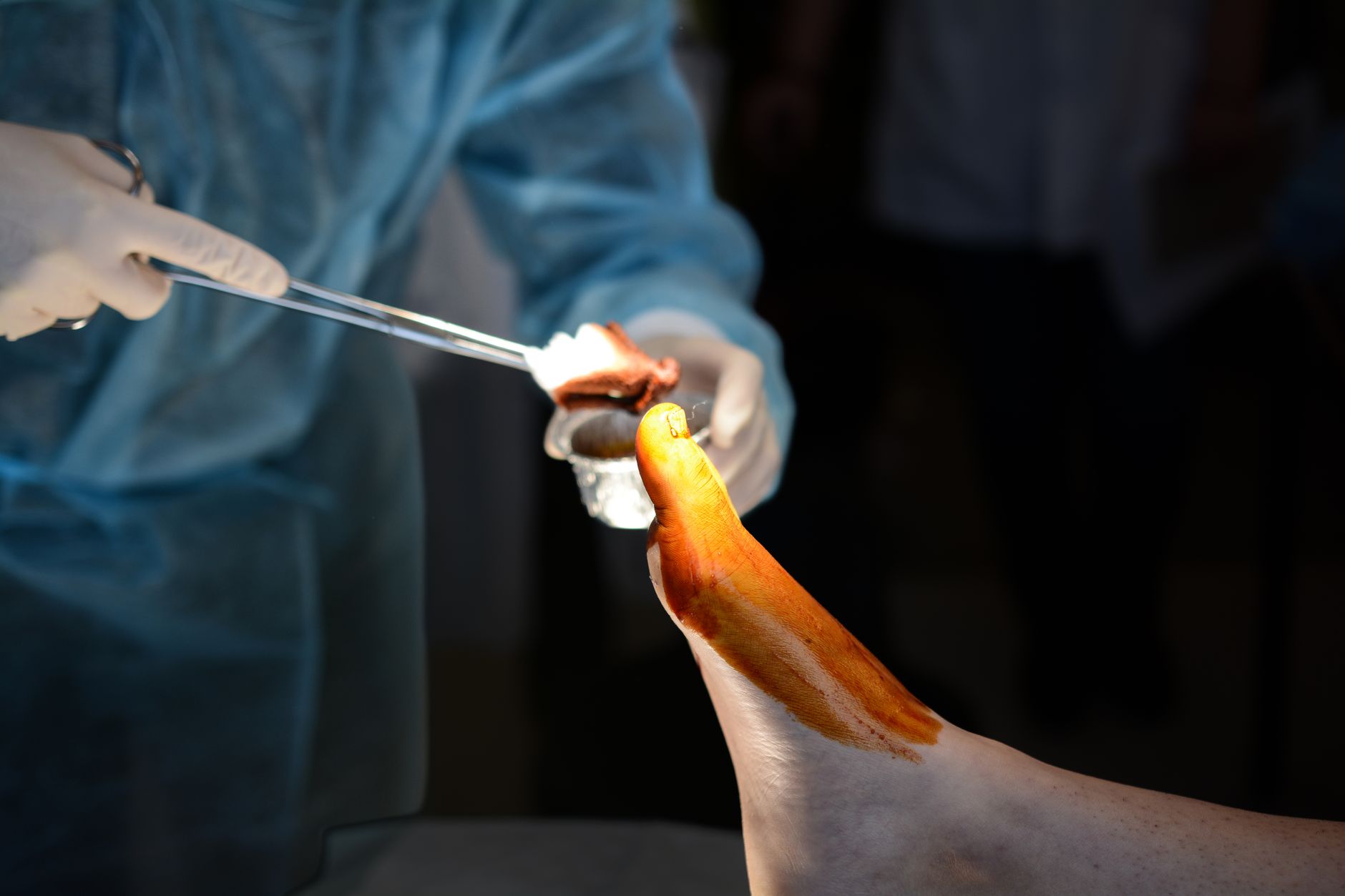
Every international patient in an accredited Turkish hospital undergoes a structured pre-operative assessment. This is not a formality — it is the foundation on which your entire anaesthetic plan is built. The assessment typically includes blood tests, an electrocardiogram (ECG), chest imaging where indicated, and a face-to-face consultation with the anaesthesiologist.
Based on these findings, your anaesthesiologist selects the most appropriate technique. This might be general anaesthesia, regional anaesthesia such as spinal or epidural blocks, sedation, or a combination. The choice is tailored to your surgery, your health profile and your preferences. For example, some orthopaedic and gynaecological procedures may be performed comfortably under regional anaesthesia, reducing recovery time and post-operative nausea.
Language is also addressed. Turkish hospitals that serve international patients typically provide interpretation services or English-speaking anaesthesia staff, so you can ask questions and give informed consent with confidence. You should feel free to discuss any anxiety, previous bad experiences or fears — these are taken seriously and factored into your plan.

Modern Monitoring Equipment: Continuous Vigilance During Surgery
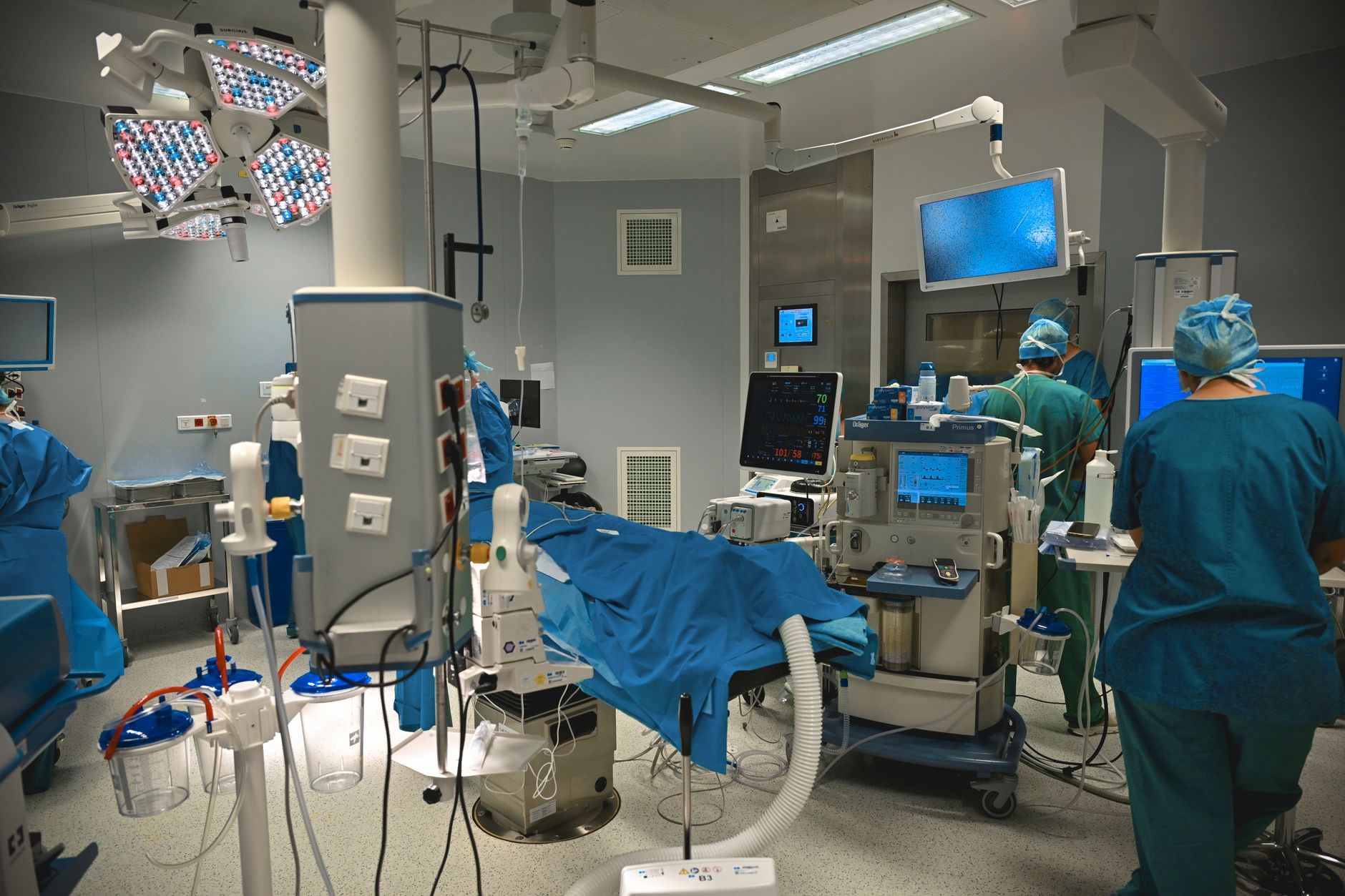
Operating theatres in Turkey's accredited hospitals are equipped with advanced anaesthesia workstations and multi-parameter monitors. These devices track your vital signs continuously throughout the procedure, including heart rhythm, blood pressure, oxygen saturation, carbon dioxide levels, breathing rate and body temperature.
Depth-of-anaesthesia monitoring and neuromuscular monitoring are increasingly available, allowing the anaesthesiologist to fine-tune drug doses in real time. This precision reduces the risk of awareness during surgery and helps ensure a smooth, comfortable emergence afterward. Intravenous infusion pumps deliver medications accurately, and alarms are set to alert the team to any change the moment it occurs.
What does this mean for you? It means that your physiological state is never left to guesswork. If your blood pressure dips, it is seen and corrected. If your breathing needs support, it is provided immediately. The equipment does not replace the anaesthesiologist — it supports their judgement, giving them a complete picture at all times.
Patient Comfort: Beyond Safety Alone
Safety is the priority, but comfort matters too. Turkish hospitals place considerable emphasis on the patient experience before, during and after anaesthesia. Pre-operative anxiety is common, and staff are trained to address it with clear explanations, reassurance and, where appropriate, pre-medication to help you relax.
Modern anaesthetic drugs have shorter durations of action and fewer side effects than older agents. This often translates into less post-operative nausea and vomiting, faster recovery and a quicker return to normal activities. Anti-nausea medications are routinely given to patients at higher risk, and pain management begins before you fully wake up.
After surgery, acute pain services or recovery teams monitor your comfort levels and adjust analgesia as needed. You are not simply left to manage on your own — post-operative pain control is considered a continuation of the anaesthetic plan, not an afterthought.
What This Means for You as an International Patient
If you are travelling to Turkey for surgery, you can expect a structured, transparent anaesthesia process. Here is a simple summary of what that looks like in practice:
- A thorough pre-operative assessment with a qualified anaesthesiologist
- A personalised anaesthetic plan based on your health and your procedure
- Continuous monitoring with modern equipment throughout surgery
- Clear communication, including interpretation where needed
- Dedicated post-operative pain management and follow-up
It is always sensible to ask questions. You can request details about your anaesthesiologist's qualifications, the type of anaesthesia planned, and the monitoring equipment available. Reputable hospitals welcome these questions — they reflect an informed patient, which is exactly what good clinical practice supports.
Turkey's accredited hospitals have built their international reputation on outcomes, and anaesthesia standards are a central part of that story. With specialist anaesthesiologists, rigorous protocols and modern monitoring, international patients can approach surgery with confidence — knowing that their safety and comfort are being watched over by trained professionals at every stage.
Thinking about treatment in Turkey?
Share your contact details and a verified doctor will follow up with a plan built around you — free, no obligation.