
Why Ankara Is Becoming a Global Destination for Cancer Care
When patients hear the word "cancer," the first emotions are often fear and uncertainty. But in Ankara, Türkiye's confident and quietly powerful capital, those emotions meet something else: world-class medicine delivered with warmth. Over the past two decades, Ankara has grown into one of the most respected oncology hubs in the region, home to university hospitals with deep research traditions and private cancer centres that invest in the latest linear accelerators, PET-CT imaging and immunology laboratories.
What sets Ankara apart is not only technology. It is the way care is organised. Multidisciplinary tumour boards — teams of medical oncologists, radiation oncologists, surgeons, pathologists, radiologists and psychologists — meet regularly to discuss each patient's case as a whole person, not a single scan. This team-based approach, combined with Türkiye's strong academic culture, means international patients often receive a clear, personalised treatment plan within days rather than weeks.
For travellers considering treatment abroad, Ankara offers something rare: the reassurance of a capital city's infrastructure — modern airports, safe neighbourhoods, excellent hotels — paired with medical expertise that competes on the world stage. Whether you are seeking a second opinion, advanced radiotherapy or the newest immunotherapy protocols, Ankara's cancer centres are ready to welcome you.
University and Private Cancer Centres: A Dual Strength
Ankara's oncology landscape is built on two complementary pillars. On one side are the university hospitals, many of them affiliated with prestigious institutions such as Hacettepe University, Ankara University and Gazi University. These centres are not only treatment providers but also research engines. They run clinical trials, publish in international journals and train the next generation of oncologists. For patients, this means access to evidence-based protocols and sometimes to innovative therapies before they are widely available elsewhere.
On the other side are private cancer centres that have raised the bar for patient experience. These facilities invest heavily in comfort, speed and international services. They offer private rooms, multilingual coordinators and streamlined admission processes. Many have dedicated international patient departments that handle everything from medical record translation to airport pickup.
Together, these two worlds create a balanced ecosystem. A patient might receive a diagnosis and surgical consultation at a university hospital, then continue radiotherapy at a private centre with shorter waiting times. Or they might choose a private centre for the entire journey, benefiting from a single point of contact throughout. In both cases, the standard of care is high, and the focus remains firmly on the patient.
Multidisciplinary Tumour Boards: The Heart of Precision Oncology
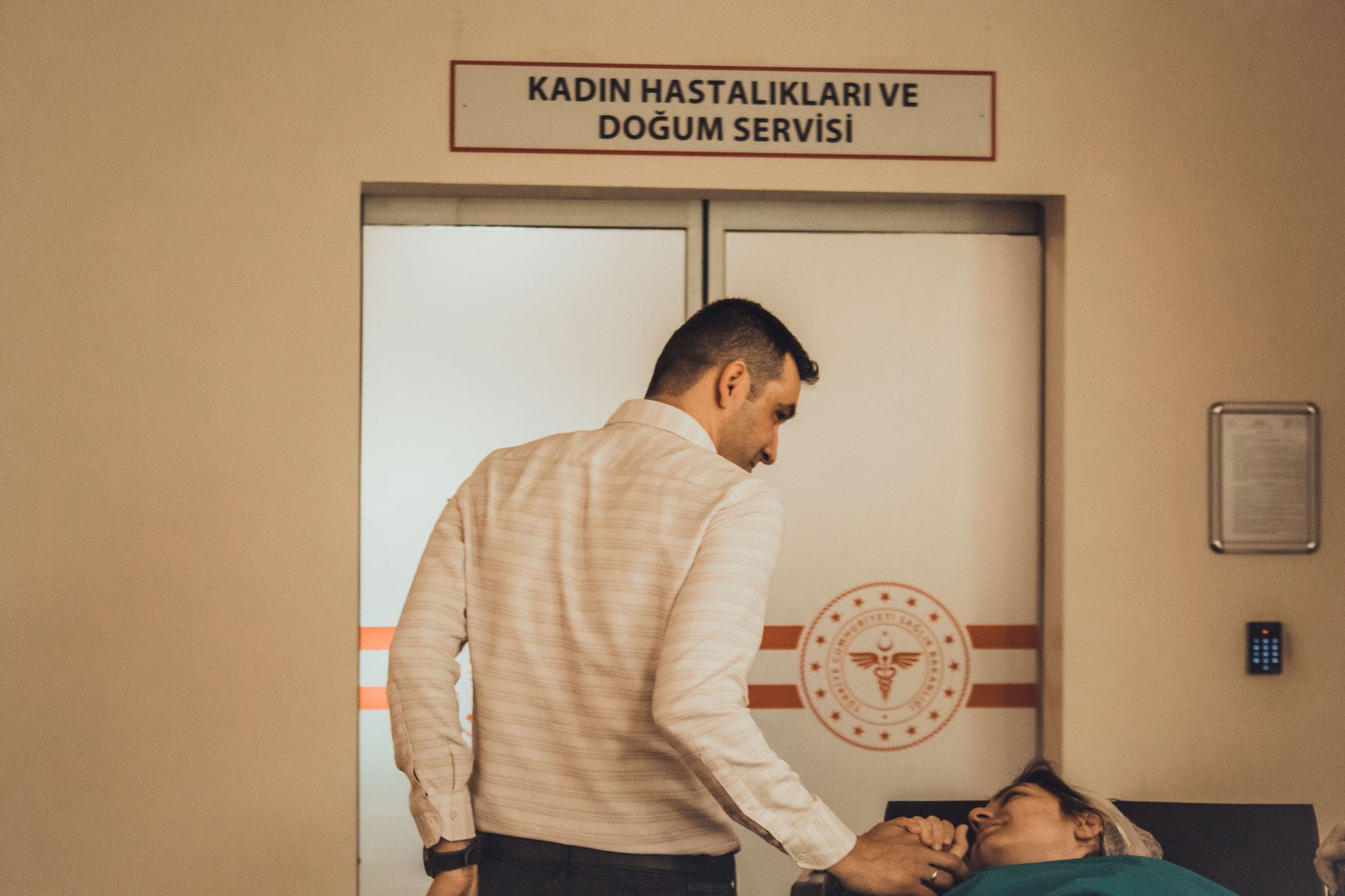
At the centre of Ankara's approach is the multidisciplinary tumour board (MDT). Before any treatment begins, your case is reviewed by a panel of specialists. The medical oncologist considers systemic therapies; the radiation oncologist evaluates whether radiotherapy is appropriate and how to target it precisely; the surgeon assesses operability; the pathologist re-examines biopsy samples; and the radiologist interprets imaging. A nurse navigator and sometimes a psychologist also contribute, ensuring that practical and emotional needs are addressed.
This collective review is more than a formality. It reduces the risk of misdiagnosis and ensures that no treatment option is overlooked. For international patients, the MDT often meets within 48 to 72 hours of receiving complete records, and a written plan is shared in English. This transparency is invaluable: you know exactly what is recommended and why.
Precision oncology goes hand in hand with this approach. Thanks to molecular profiling and genomic testing, Ankara's centres can identify specific mutations that drive a tumour. That information guides the choice of targeted therapies and immunotherapies, turning cancer treatment from a one-size-fits-all model into a personalised strategy. The tumour board then integrates these findings with imaging and clinical history to design a plan that is as unique as you are.
Modern Radiotherapy and Immunotherapy: Technology That Changes Outcomes
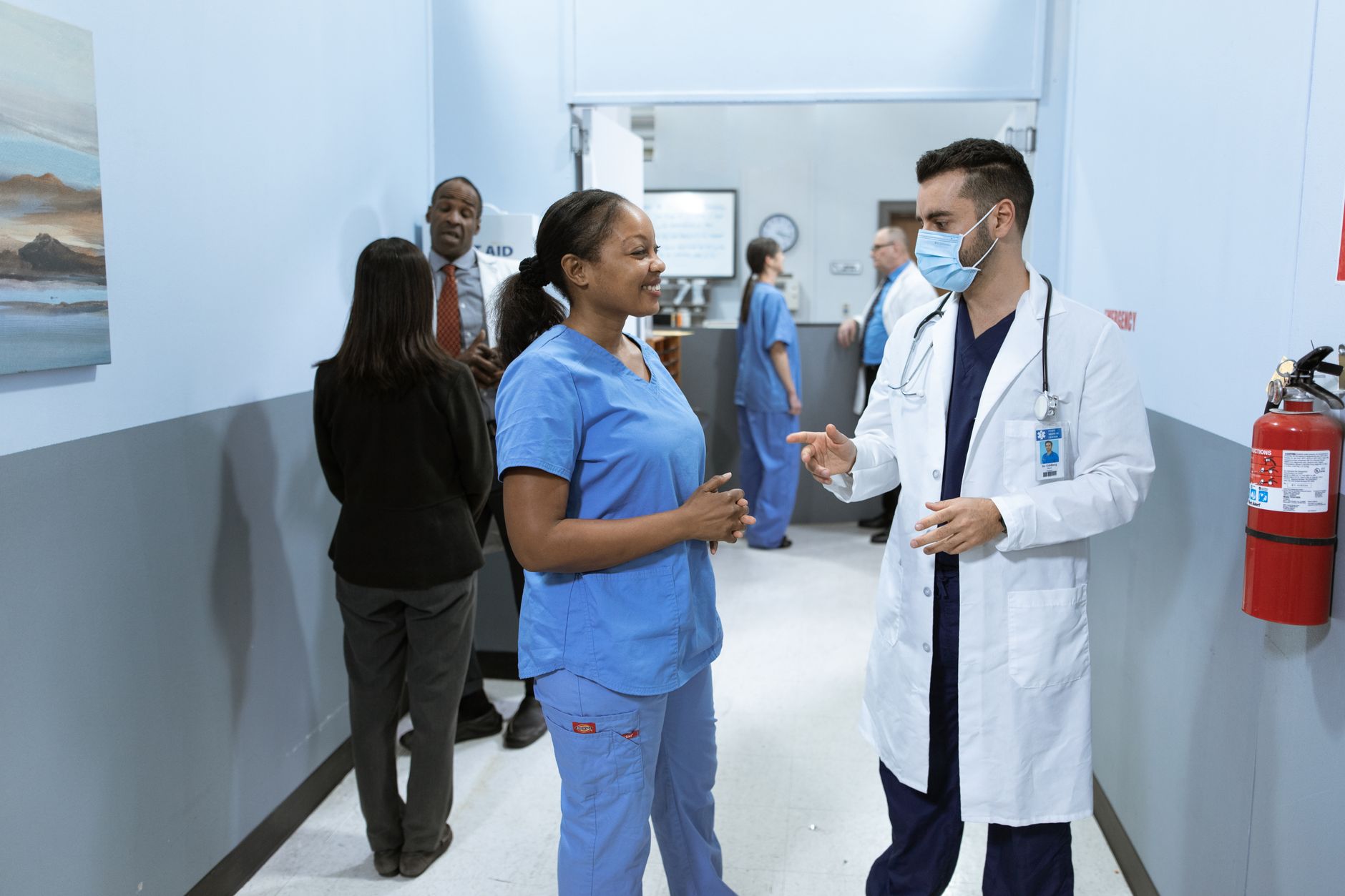
Ankara's cancer centres are equipped with some of the most advanced radiotherapy systems available. Techniques such as intensity-modulated radiation therapy (IMRT), volumetric modulated arc therapy (VMAT) and stereotactic body radiotherapy (SBRT) allow high doses of radiation to be delivered to the tumour while sparing healthy tissue. This precision is especially important for tumours near sensitive organs, such as those in the brain, lung or prostate.
Image-guided radiotherapy (IGRT) adds another layer of accuracy. Before each session, imaging confirms the tumour's exact position, and the radiation beam is adjusted in real time. Patients often report fewer side effects and shorter treatment courses compared to older methods. Some early-stage tumours can now be treated in just a few sessions rather than several weeks.
Immunotherapy has revolutionised the treatment of several cancers, including melanoma, lung cancer and certain lymphomas. Ankara's centres participate in international trials and offer immune checkpoint inhibitors, CAR-T cell therapy in selected cases, and cancer vaccines under investigation. Because these therapies work with the immune system rather than against it, they can produce durable responses even in advanced disease.
The combination of radiotherapy and immunotherapy is an active area of research in Ankara. Radiation can make tumours more visible to the immune system, and when paired with immunotherapy, it may create a synergistic effect. University hospitals in the capital are contributing to global knowledge in this field, giving patients access to tomorrow's treatments today.
Rapid Appointments and Transparent Pricing
One of the most common frustrations for cancer patients abroad is waiting. In many health systems, weeks can pass between diagnosis and the start of treatment. Ankara's centres have made speed a priority. International patient teams can often arrange a first consultation within a few days of receiving medical records. Diagnostic tests, including advanced imaging and biopsies, are typically completed within 48 hours, and treatment can begin shortly after.
This rapid pathway is not about rushing. It is about respecting the urgency of cancer. Every day matters, and Ankara's infrastructure is designed to eliminate unnecessary delays. Dedicated coordinators schedule appointments, ensure that reports are ready and accompany you through each step, so you never feel lost in a foreign system.
Transparent pricing is another pillar of Ankara's appeal. Unlike some destinations where costs are revealed gradually, Turkish centres provide clear, itemised quotes before you commit. Package prices often include consultations, imaging, treatment sessions, hospital stays and follow-up. There are no hidden fees, and you can compare options with confidence. For many international patients, the cost of comprehensive care in Ankara is significantly lower than in Western Europe or North America, without compromising quality.
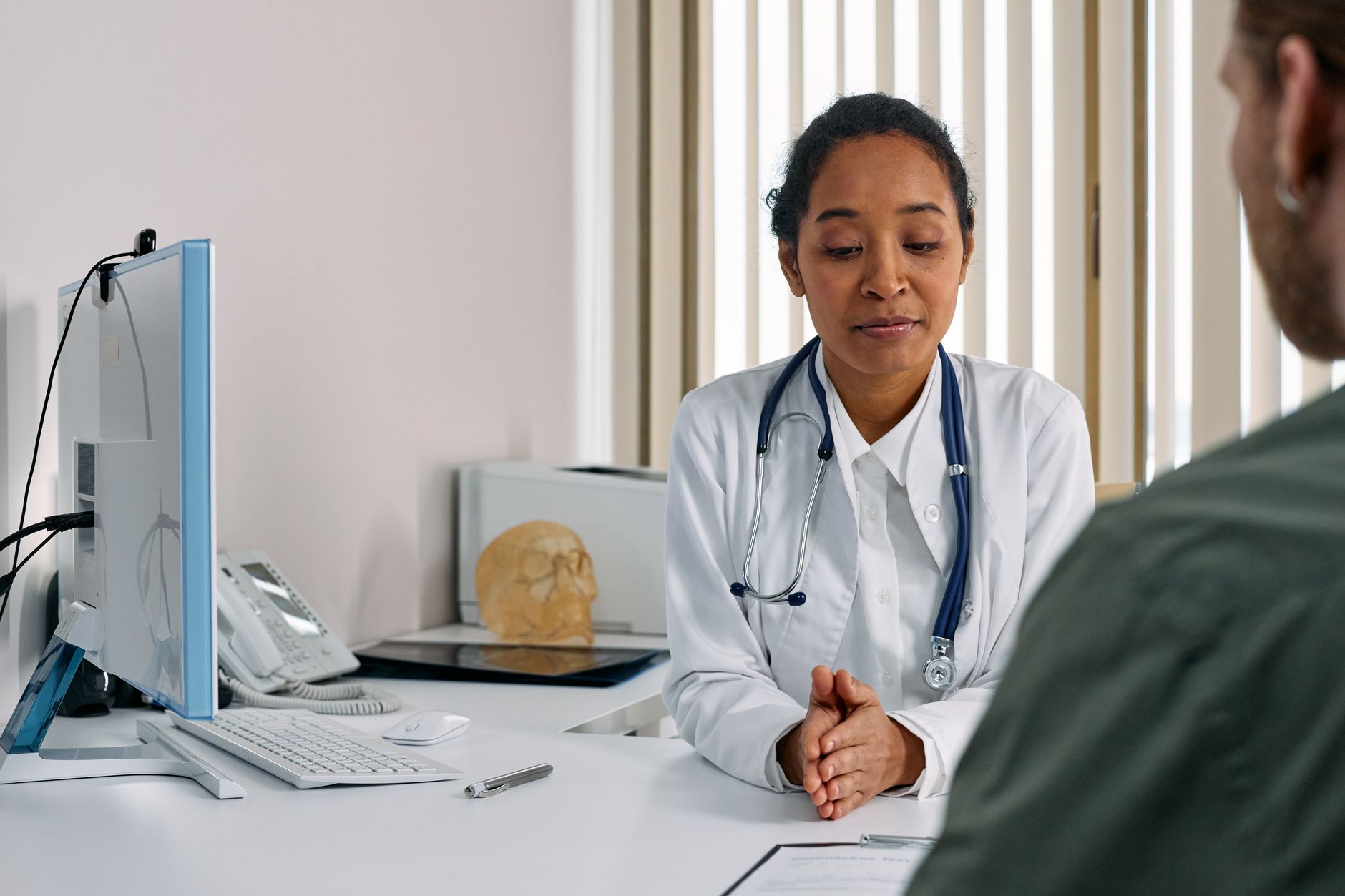
International Patient Teams: Coordinating Everything From Records to Follow-Up
From the moment you contact an Ankara cancer centre, a dedicated international patient team takes over the logistics. They begin by collecting your medical records — imaging discs, pathology reports, blood tests — and translating them into Turkish for the tumour board. They help with visa invitation letters, travel arrangements and accommodation near the hospital. On arrival, a coordinator meets you at the airport or your hotel and accompanies you to your first appointment.
During treatment, the team remains your point of contact. They schedule scans, explain results in your language and connect you with specialists as needed. Nurses trained in oncology provide compassionate care, and psychological support is available for both patients and families. Interpreters are present at consultations, ensuring that you understand every detail and can ask questions freely.
Follow-up is equally important. Before you return home, your team prepares a comprehensive discharge summary in English, including treatment details, medication plans and recommended monitoring schedule. They coordinate with your local physicians to ensure continuity of care. Many centres also offer telemedicine follow-ups, so you can stay connected with your Ankara team long after you leave.
Türkiye's Research Strength and Compassionate Multidisciplinary Approach
Türkiye has a long tradition of medical research, and Ankara is at its core. The capital's universities and hospitals collaborate with international oncology networks, participate in multi-centre trials and host scientific conferences. This research activity benefits patients directly: it attracts top specialists, fosters a culture of curiosity and ensures that treatment protocols are continuously updated.
Yet what patients remember most is the compassion. In Ankara, multidisciplinary care is not just a clinical model; it is a mindset. Doctors take time to listen. Nurses go the extra mile. Coordinators treat you as a person, not a case number. This human touch, combined with scientific rigour, creates an environment where healing is supported on every level.
If you are considering cancer treatment abroad, Ankara deserves a place on your shortlist. It offers rapid access, transparent pricing, advanced technology and a team that will stand beside you from the first phone call to long-term follow-up. In Türkiye's capital, you will find not only precision medicine but also a community that cares.
Thinking about treatment in Turkey?
Share your contact details and a verified doctor will follow up with a plan built around you — free, no obligation.