

Ankara Builds on Its Academic Medical Reputation
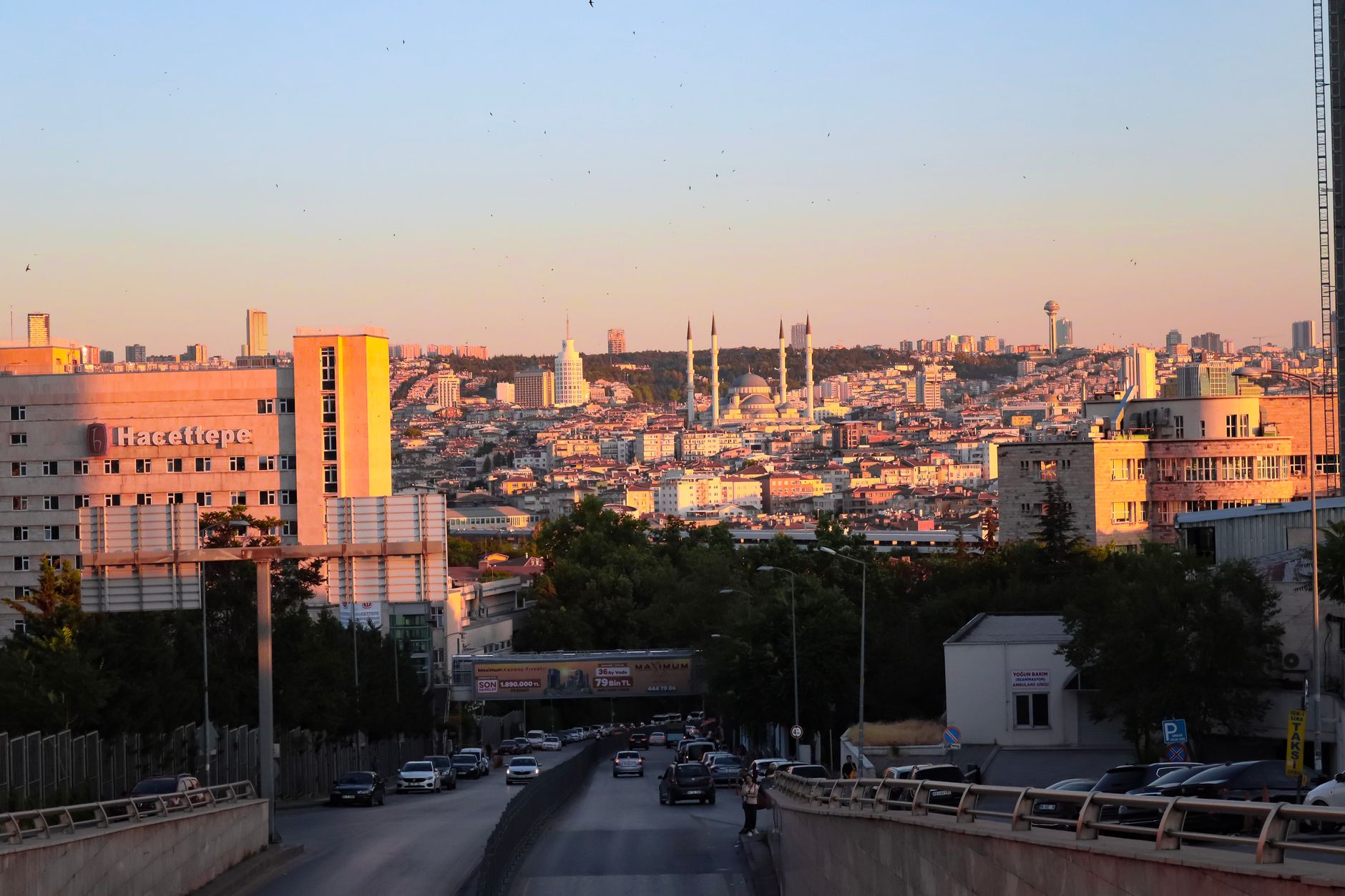
Turkey's capital has long been recognised as one of the country's most important centres of academic medicine. Ankara is home to major university hospitals where physicians combine clinical practice with teaching and research, giving patients access to a depth of specialist knowledge that is particularly valuable in complicated or rare conditions.
In recent months, several of these institutions have announced improvements to their international patient units — the dedicated teams that guide overseas visitors from their first enquiry through to discharge and follow-up. The changes focus less on new buildings and more on the practical details that shape a patient's experience: clear communication, predictable scheduling and a single point of contact.
The direction of travel is significant for medical travellers. Instead of navigating a large hospital system alone, patients arriving from abroad are increasingly met by a structured service designed around their language, travel logistics and continuity of care.
What an Improved International Patient Desk Actually Does
International patient units act as a bridge between the patient and the hospital's clinical departments. At their best, they handle appointment coordination with the right specialist, provide translated medical documentation, arrange interpreting during consultations and keep the patient informed at every stage.
Strengthened desks in Ankara's university hospitals are placing greater emphasis on pre-arrival planning. Patients are encouraged to send existing medical records, imaging and test results ahead of travel so that clinicians can review them and confirm whether the proposed treatment is appropriate before flights are booked.
On arrival, the same team typically supports admission procedures, helps patients understand consent and billing processes, and ensures that consultations with multiple departments are scheduled efficiently rather than spread unpredictably across a visit.
For patients travelling with a complex diagnosis, clear communication is not a courtesy — it is part of the treatment pathway.

Interpreting Services and Clear Communication
Language is one of the most practical concerns for anyone seeking care abroad. Ankara's international desks are expanding access to professional interpreters, including in-person support for consultations and translated written materials such as discharge summaries and medication instructions.
This matters most in specialist settings. Academic consultations often involve detailed discussion of diagnostic options, surgical alternatives and the evidence behind each recommendation. Reliable interpreting allows patients and their families to ask questions and give genuinely informed consent.
Hospitals are also paying more attention to cultural and dietary needs, coordinating with accommodation providers and offering guidance on local transport so that patients and accompanying relatives can plan a stay with confidence.

The Value of Academic Expertise for Complex Cases
University hospitals differ from purely service-oriented facilities in their close link between research and clinical care. Multidisciplinary teams — bringing together specialists from different fields — are routine in academic settings, which is particularly relevant for patients whose condition does not fit neatly into a single specialty.
For complex cases, this structure can mean access to detailed diagnostic workups, tumour boards or joint reviews, and consideration of treatment approaches informed by current published evidence. Patients are also more likely to encounter clinicians involved in teaching and research activity within their field.
Ankara's academic institutions are careful to present this as part of a broader care offering rather than a guarantee of outcomes. Individual results vary, and treatment suitability depends on each patient's medical history and clinical assessment.
Follow-Up Care and Continuity After Returning Home
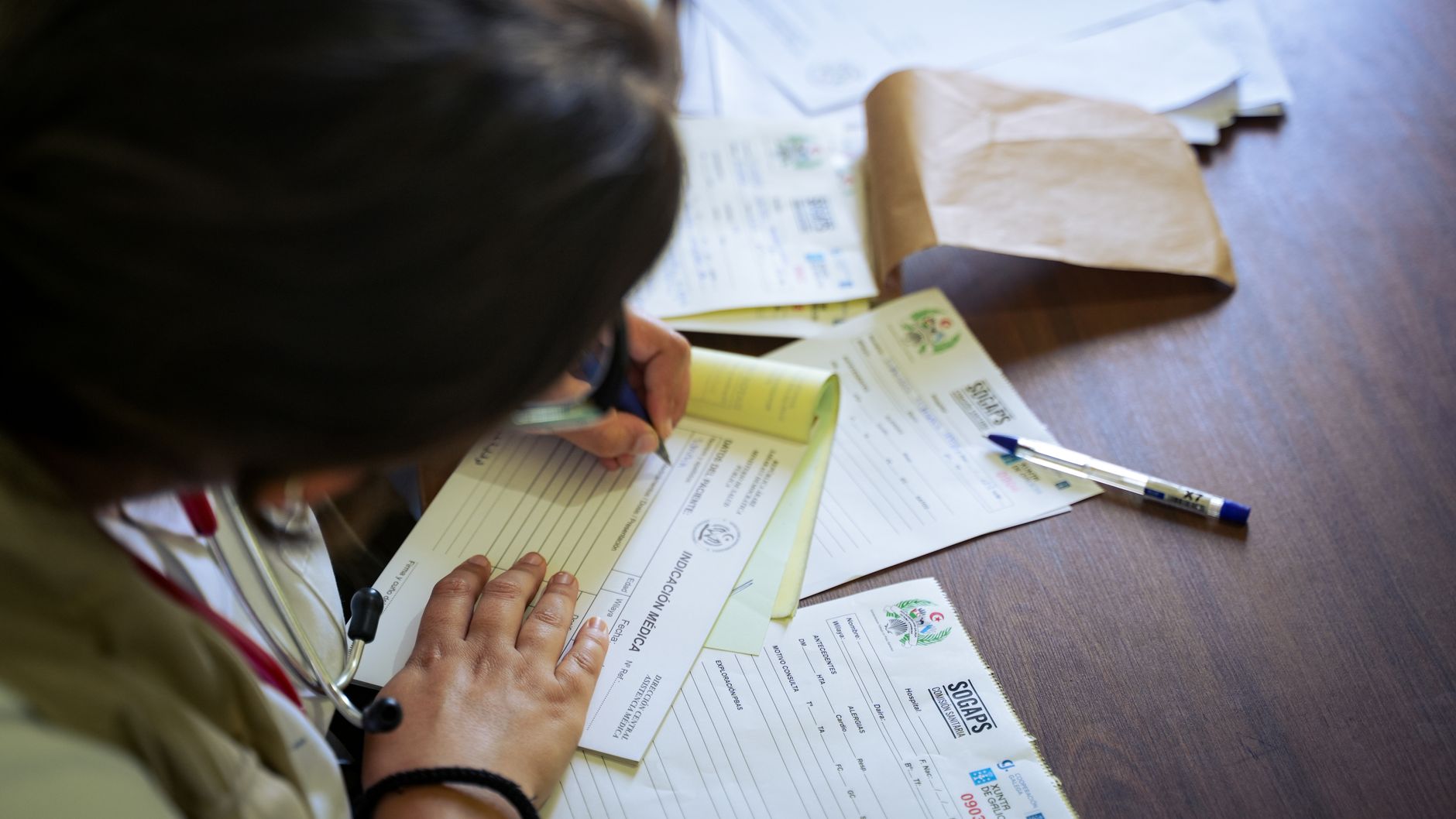
Post-treatment follow-up is often the weakest link in medical travel. Improved international patient units are addressing this by preparing structured discharge documentation, offering remote follow-up appointments where appropriate and liaising with the patient's own physicians at home.
Patients are typically advised to arrange a local doctor who can monitor recovery and share results with the treating team in Ankara. Clear written instructions on medication, wound care and warning signs help reduce uncertainty during the weeks after returning home.
This emphasis on continuity reflects a wider shift in Turkey's medical tourism sector, where the quality of coordination — before, during and after treatment — is increasingly seen as central to a good patient experience.
Planning a Visit: Practical Pointers
Prospective patients are encouraged to contact the international patient unit directly rather than relying solely on intermediaries, and to confirm which documents and translations are required. Sharing complete medical records in advance usually shortens the assessment process.
- Request a written treatment plan and cost estimate before travelling.
- Confirm whether interpreting is included in consultations and discharge discussions.
- Ask how follow-up will be handled once you return to your home country.
- Check visa, insurance and accommodation requirements early.
Ankara's strengthened international desks do not remove the complexities of seeking care abroad, but they make the process more transparent and better organised. For patients with demanding clinical needs, that combination of academic depth and coordinated support is the capital's quiet advantage.
Thinking about treatment in Turkey?
Send us a question about this site or about the information published on it. This is a publisher's mailbox, not a medical service and not a route to a particular provider — for clinical questions, contact your own doctor.