

Why Antalya Works as a Recovery Destination, Not Just a Holiday
Patients researching treatment in Turkey often assume the trip ends the moment they are discharged. In practice, the days and weeks that follow a procedure matter just as much, and where you spend them influences how comfortable and confident that recovery feels. Antalya, on the Turkish Riviera, has quietly become one of the more sensible places in Europe and the wider region to ease back into health after surgery.
What makes the city relevant to medical travelers is not its beaches alone. It is the combination of a genuinely mild Mediterranean climate, clean sea air, a large concentration of internationally accredited clinics and hospitals, and a stock of low-rise, quiet hotels and guesthouses built for rest rather than nightlife. For a patient who has been told to walk gently, sleep well and avoid stress, those are practical medical assets, not lifestyle extras.
This guide stays deliberately close to that medical-tourism frame. It is not a list of things to do on holiday. It is a planning resource for convalescence: how to choose a recovery-friendly base, how to pace activity in line with surgeon-approved limits, how to keep follow-up appointments manageable, and how to work with clinics that already understand foreign patients recovering on the coast.
Mild Climate and Sea Air: What They Realistically Offer a Recovering Patient
Antalya's climate is one of its strongest arguments for convalescence. Winters are soft and mostly sunny, spring and autumn are long and temperate, and even the height of summer is moderated along the coast by sea breezes. For a patient recovering from plastic surgery, orthopedic work, bariatric procedures or dental and maxillofacial treatment, this matters. Extreme heat or cold is uncomfortable and discouraging; gentle weather makes short, prescribed walks far easier to sustain.
Sea air is often oversold in travel writing, so it is worth being precise. Coastal humidity and cleaner air can make breathing and light outdoor movement feel more pleasant, and the psychological effect of calm water and open sky is real. But sea air is not a treatment. It supports the low-intensity activity and good sleep that surgeons routinely recommend, and it should never replace wound care, medication schedules or follow-up visits.
The seasonal picture is worth planning around. Autumn and spring are the sweet spots for recovery stays, with comfortable temperatures and fewer crowds in resort districts. Winter suits patients who prefer quiet above all else. High summer is workable if you choose a hotel with shaded gardens, air conditioning and easy indoor access, but it demands more care with hydration, sun protection on healing skin and avoiding the hottest hours.
Think of Antalya's climate as a recovery aid that makes your surgeon's instructions easier to follow, never as a substitute for them.
Choosing a Quiet, Recovery-Friendly Base in Antalya
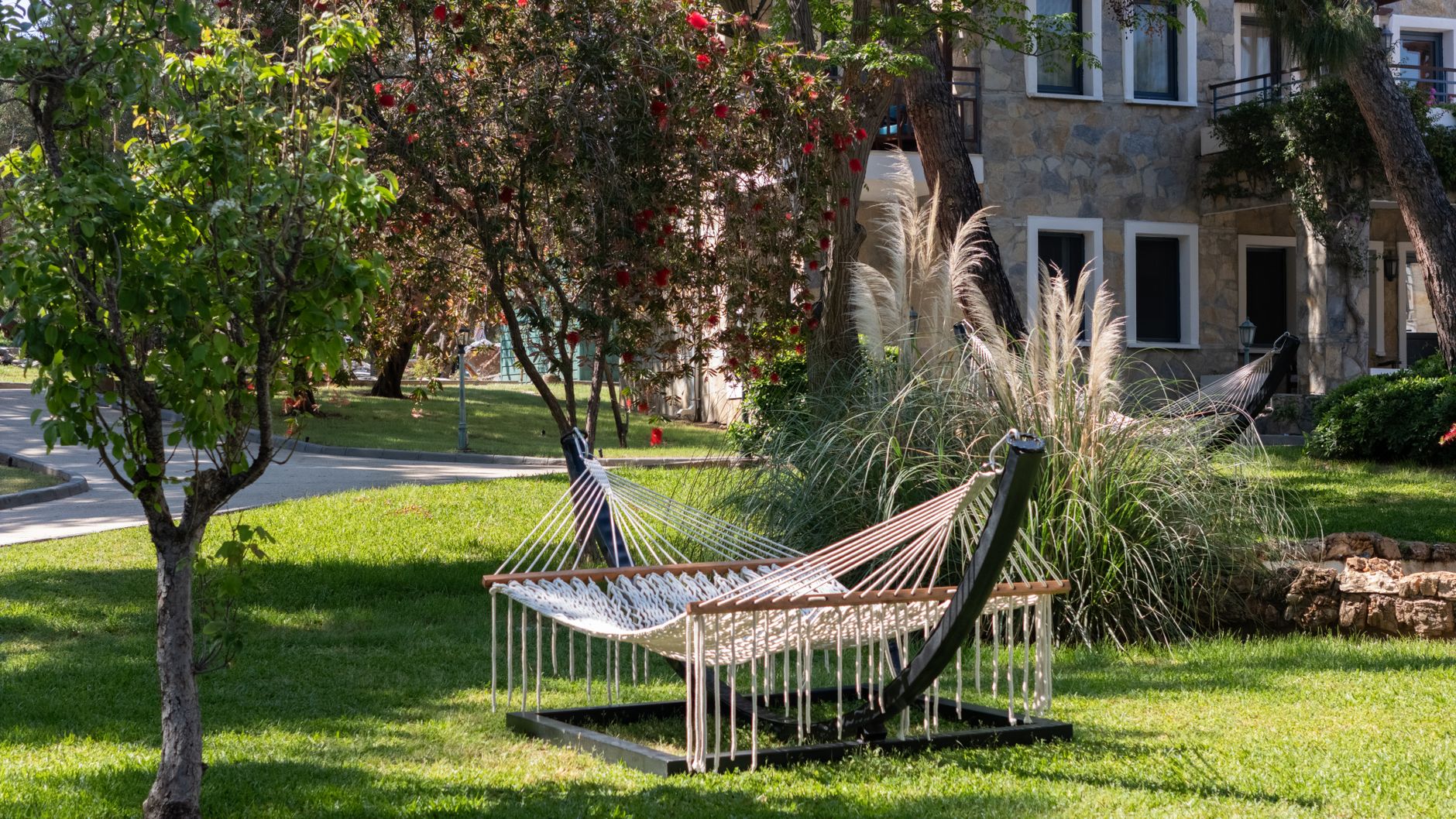
The single most important decision in a convalescence stay is where you sleep. Antalya's districts differ enormously. The old town of Kaleiçi is atmospheric but full of cobblestones, stairs and late-night music, which is rarely ideal in the first weeks after surgery. Central resort strips can be busy and loud. For recovery, look instead at low-rise boutique hotels and aparthotels in quieter neighborhoods such as Lara's calmer eastern edges, the leafy parts of Konyaaltı set back from the beach road, and smaller coastal towns within easy reach of the city's clinics.
A recovery-friendly hotel in Antalya should be assessed against medical criteria rather than star ratings. Ask about lift access and step-free routes from the entrance to the room, room service or in-room dining for the days you should not be walking far, quiet hours, blackout curtains for daytime rest, and a willingness to accommodate dietary requirements. Proximity to a pharmacy and to your clinic matters more than proximity to the beach.
Many Antalya hotels that partner with medical clinics already offer practical extras: flexible check-in for patients arriving from hospital, refrigerators for medication, laundry for compression garments and dressings, and staff briefed on discretion and privacy. When you book through a clinic partnership, confirm these details in writing before arrival. A short, specific email to the hotel about your procedure date and mobility needs prevents most avoidable problems.
Pacing Your Days Around Surgeon-Approved Activity Levels
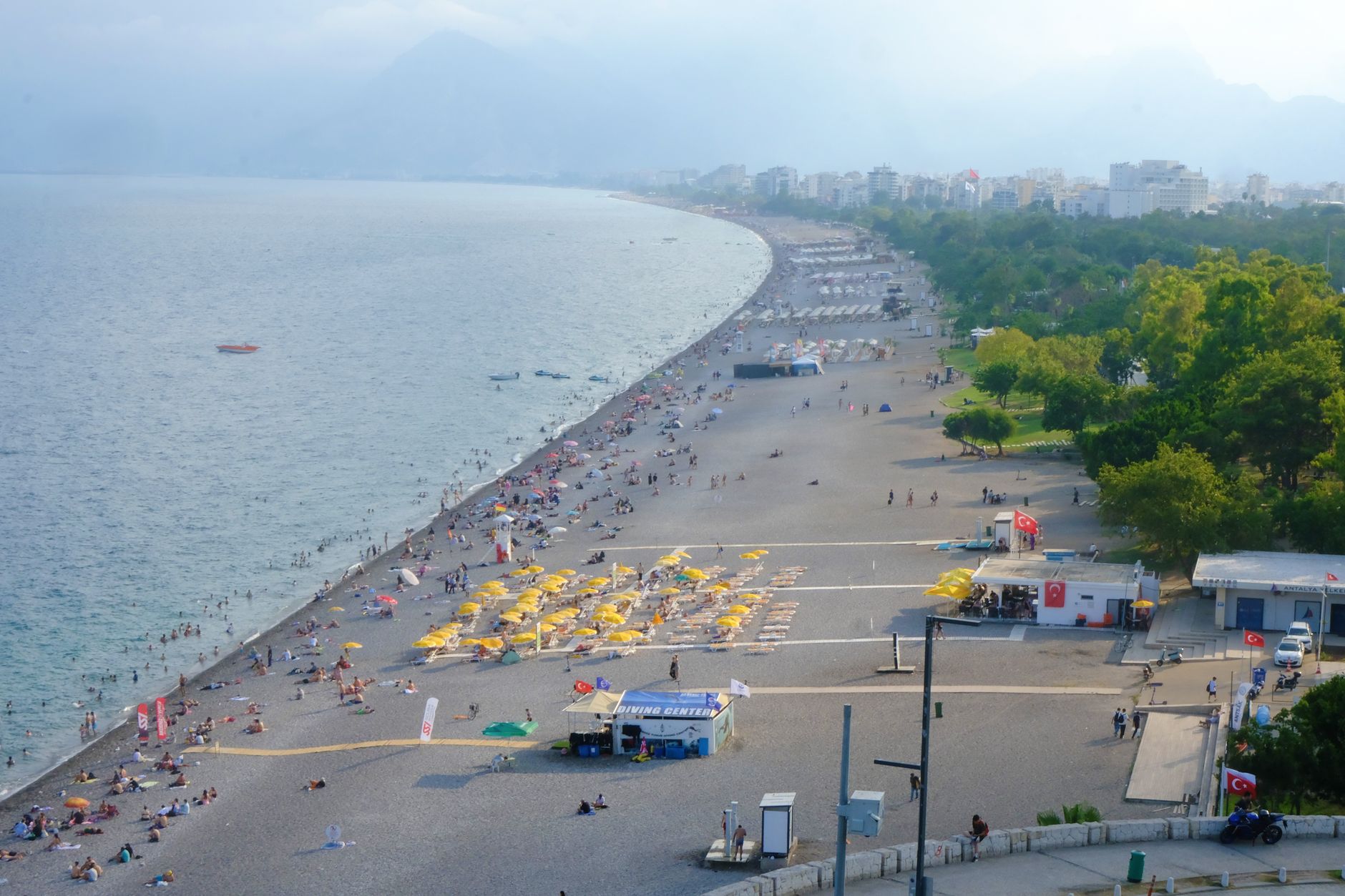
Recovery is not passive. Most surgeons want patients moving gently, breathing well and sleeping properly, within clearly defined limits. Antalya's layout supports this beautifully if you resist the temptation to overdo it. A typical safe rhythm might be a short morning walk on flat ground, a long rest, a light lunch, an afternoon of reading or video calls in the shade, and an early night. Sea-front promenades in Konyaaltı and the quieter stretches of Lara are flat and easy to navigate at a slow pace.
The critical rule is that your surgeon's instructions outrank any suggestion in a travel article, including this one. If you have been told to avoid sun exposure on healing skin, limit walking to ten minutes at a time, or keep incisions dry, those instructions define your itinerary. Build your days around them rather than fitting them around sightseeing. Ask your clinic for written activity guidance before discharge and keep it with you.
Practical pacing tips for the Riviera include walking in the early morning or late afternoon to avoid heat and UV exposure, carrying water at all times, using taxis or clinic-arranged transfers for anything beyond a short stroll, and planning one rest day after any day that involves a clinic visit. Compression garments and surgical dressings can be uncomfortable in humidity, so keep spare sets and change them as advised. If swelling, pain or fever increases, contact your clinic immediately rather than waiting for a scheduled appointment.
Follow-Up Appointments and Clinic Partnerships Along the Coast
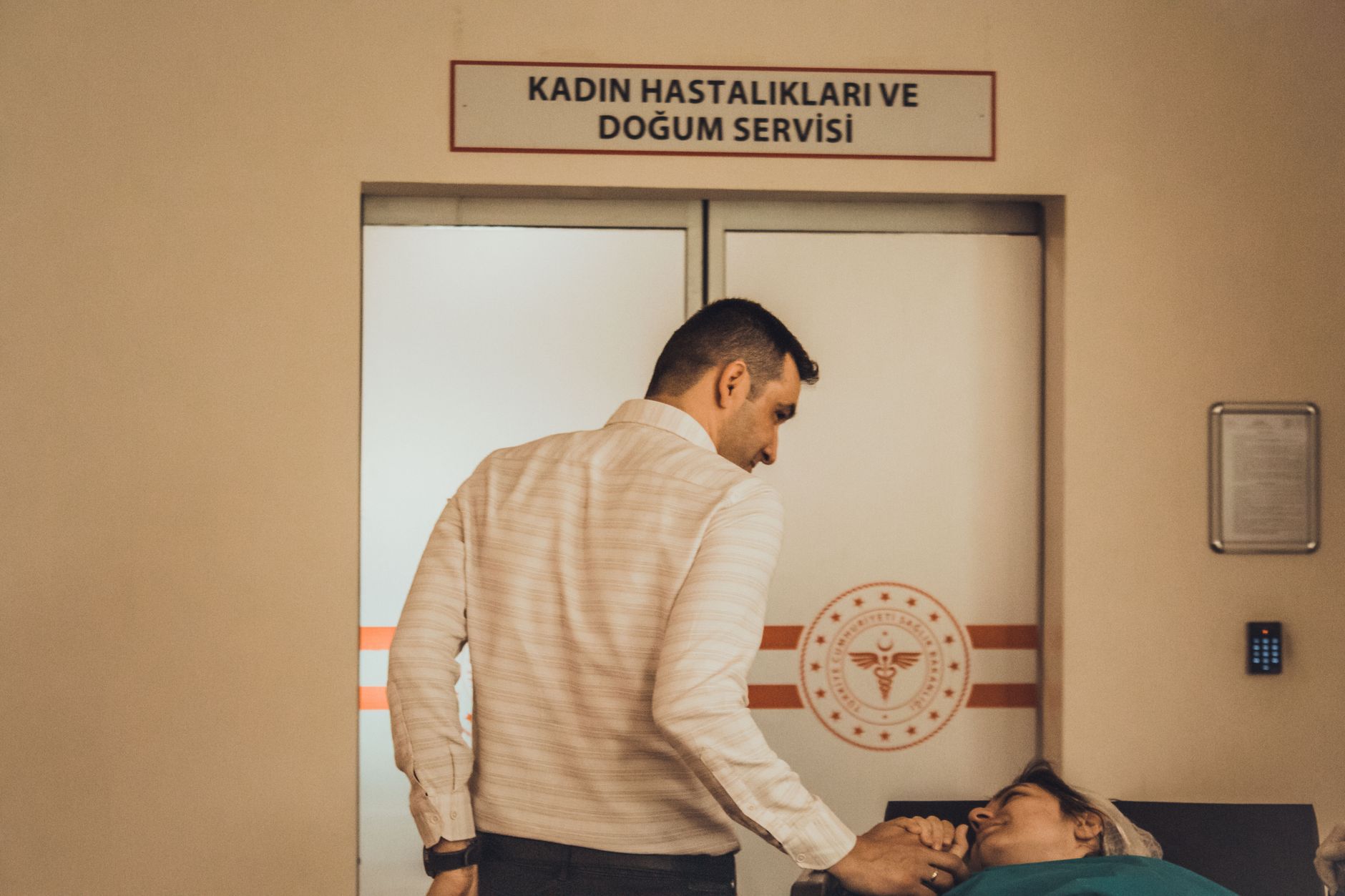
A recovery stay only works if follow-up care is close and reliable. Antalya has a substantial medical infrastructure, with private hospitals and specialist clinics experienced in treating international patients, and many of them maintain formal partnerships with hotels and recovery residences. These partnerships are the quiet backbone of safe medical tourism: they coordinate transfer times, share aftercare instructions with hotel staff where appropriate, and provide rapid access to a clinician if something concerns you.
Before traveling, confirm the schedule of follow-up appointments, including suture removal, dressing changes, imaging or physiotherapy sessions, and ask which clinic location will handle each. Choose accommodation within a short, predictable drive of those locations. Keep your clinic's emergency contact number and your insurer's assistance line saved on your phone and written on paper. If you do not speak Turkish, verify that your clinic provides English-speaking coordination for follow-up visits.
Partner clinics can also help with the practical logistics of convalescence: arranging a nurse visit to the hotel, sourcing medical supplies, advising on when it is safe to fly home, and issuing fit-to-fly documentation. Use these services rather than improvising. The aim is a recovery stay where clinical oversight continues seamlessly from the hospital room to the hotel room, and where any concern is a phone call away from a professional opinion.

Nutrition, Rest and the Small Comforts That Help Healing
Good recovery food in Antalya is easy to find and easy to adapt. Turkish cuisine leans on grilled fish, olive oil, vegetables, legumes, yogurt and fresh fruit, all of which suit most post-operative diets. If your surgeon has prescribed a specific regimen after bariatric or gastrointestinal surgery, ask the hotel kitchen in advance for soft, low-fat or low-sugar options, and confirm portion sizes. Hydration deserves particular attention in a warm coastal climate, especially when medication or reduced mobility affects appetite and thirst.
Rest quality often determines how recovery feels. Choose a room away from pools, bars and roads, request blackout curtains, and ask about air conditioning that can be adjusted quietly. If your procedure affects sleep position, bring or request the pillows you need. Keep daytime naps short enough not to disturb night sleep, and use the calm of the coast to establish a steady routine rather than a busy one.
Emotionally, convalescence abroad can feel isolating. Quiet is helpful, but so is gentle contact. Choose accommodation with reliable Wi-Fi for calls home, consider traveling with a companion if your surgeon advises it, and use the hotel's concierge for small errands so you are not tempted to overexert yourself. The best Antalya recovery stays are uneventful by design: calm, well-supervised and quietly restorative, with every day shaped around healing rather than exploring.
Thinking about treatment in Turkey?
Send us a question about this site or about the information published on it. This is a publisher's mailbox, not a medical service and not a route to a particular provider — for clinical questions, contact your own doctor.