

Why Türkiye Has Become a Destination for Premium Lens Cataract Surgery
Cataract surgery is one of the most commonly performed operations in the world, and for good reason: it reliably restores sight that has been gradually dimmed by clouding of the eye's natural lens. What has changed dramatically in recent years is the technology used to replace that lens. Türkiye's leading eye clinics have invested heavily in this shift, building technology-driven centres where premium intraocular lenses (IOLs) — multifocal, trifocal, extended-depth-of-focus and toric designs — are routine rather than exceptional.
These clinics attract patients from across Europe, the Middle East, Central Asia and beyond for a combination of reasons: modern diagnostic suites, surgeons who perform high volumes of refractive and cataract procedures, transparent pricing, and a location that makes a few days of recovery genuinely pleasant. Istanbul offers a dense cluster of private hospitals with dedicated ophthalmology departments, while coastal cities such as Antalya, İzmir and Bodrum offer smaller, often more personalized settings within reach of the sea.
It is important to be clear from the outset: premium lenses are not automatically better for everyone. They are a set of options that suit certain eyes and certain visual needs. The value of Türkiye's better clinics lies precisely here — in thorough pre-operative testing and candid advice about which lens, if any, is right for you.
Understanding Premium Lenses: Multifocal, Trifocal, EDOF and Toric
A standard monofocal lens restores clear distance vision but usually leaves patients dependent on glasses for reading and intermediate tasks. Premium lenses aim to correct vision at multiple distances or to correct astigmatism. Multifocal and trifocal IOLs use tiny concentric zones to provide near, intermediate and distance focus simultaneously. Extended-depth-of-focus (EDOF) lenses spread focus over a longer range, offering smooth intermediate vision with less visual disturbance than some multifocal designs. Toric lenses correct corneal astigmatism, which, if left uncorrected, blurs vision at every distance.
The right choice depends on the health of your cornea, macula and optic nerve, the degree and type of astigmatism, the regularity of your eyes, and, crucially, how you spend your day. A retired teacher who reads for hours, a delivery driver who needs crisp night vision, and a keen golfer who wants uninterrupted distance vision may all be best served by different lenses.
Premium lenses also have trade-offs. Multifocal designs can produce halos and glare around lights, particularly at night, and most patients experience a period of neural adaptation as the brain learns to interpret the new optical pattern. Surgeons at reputable Turkish clinics discuss these trade-offs openly during consultation, and they are prepared to recommend a monofocal or monofocal-plus strategy when it is the more honest option.
Thorough Pre-Operative Testing: The Foundation of a Good Result
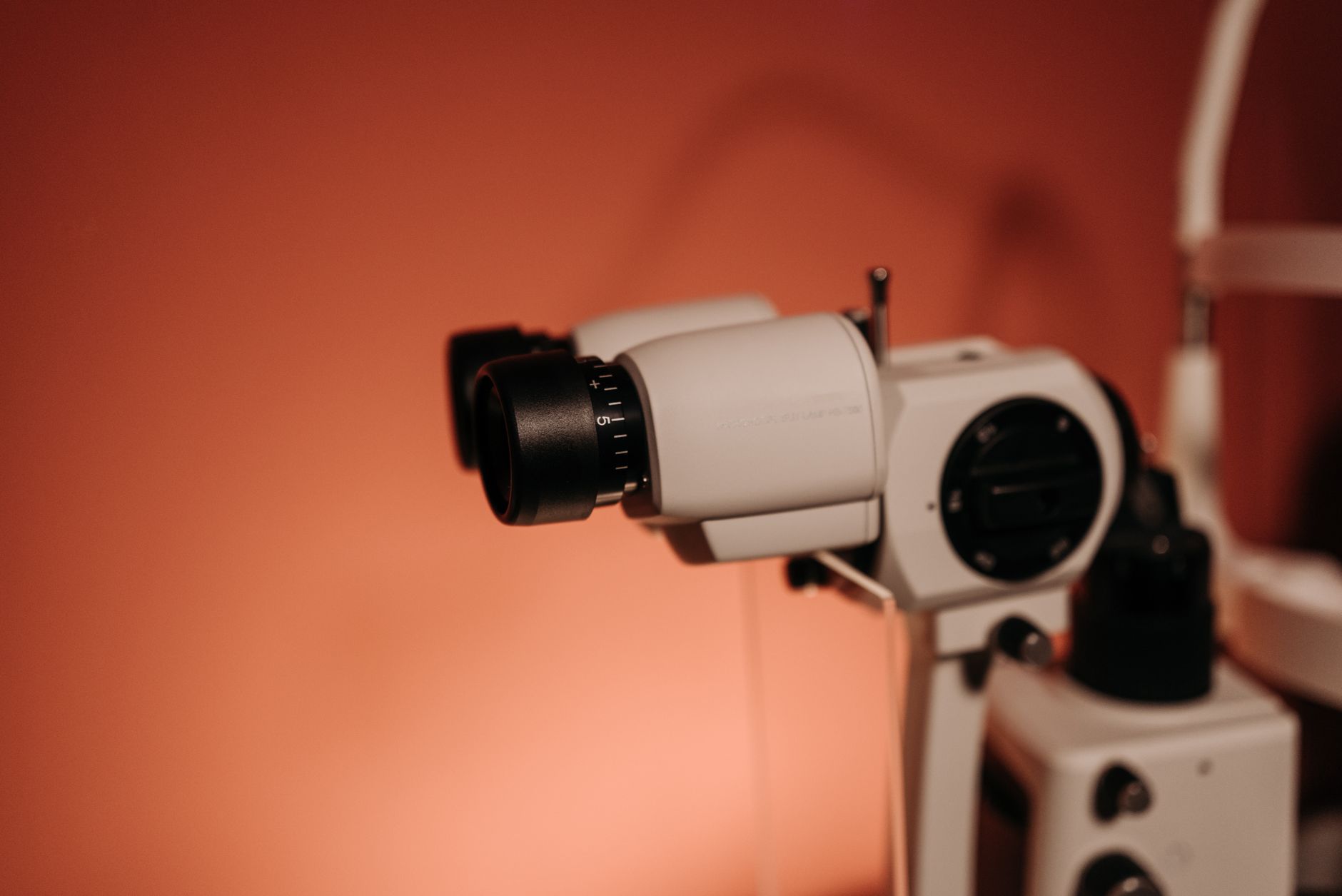
The most reassuring feature of a well-run cataract programme is not the brochure for the lens — it is the diagnostic workup. Expect a comprehensive assessment that includes corneal topography and tomography to map shape and thickness, biometry with modern optical devices to calculate lens power accurately, measurement of corneal astigmatism, optical coherence tomography (OCT) of the macula, and an assessment of the optic nerve. Some clinics add wavefront analysis and dry-eye evaluation, since an unstable tear film can skew measurements and worsen post-operative comfort.
This testing serves two purposes. It confirms that the eye is healthy enough for a premium lens, and it establishes realistic expectations. Patients with significant macular disease, advanced glaucoma, irregular astigmatism from conditions such as keratoconus, or unstable dry eye may be advised toward a different approach. Equally, patients with very high expectations and demanding night-driving habits may be counselled against a multifocal design despite having otherwise suitable eyes.
Good clinics also allow time for a genuine conversation. Ask who performs the measurements, whether the same surgeon reviews them, how much experience the team has with the specific lens being proposed, and what the plan is if the first eye's outcome suggests adjusting the second eye's lens choice. In Türkiye, consultations at major private hospitals are frequently available in English, German, Arabic, Russian and other languages, often with an international patient coordinator managing logistics.

The Procedure Itself: Short, Comfortable and Usually Quick to Recover From
Modern cataract surgery is typically performed under topical anaesthesia with light sedation, meaning no needles around the eye and no general anaesthetic for most patients. The surgeon removes the clouded lens through a tiny incision using ultrasound (phacoemulsification), then inserts the folded premium IOL, which unfolds in place. The incision is usually self-sealing and needs no stitches. The operation itself generally takes around 15 to 30 minutes per eye, and patients usually go home the same day after a short observation period.
Recovery of functional vision is often rapid. Many patients notice improved clarity within 24 to 48 hours, and most can return to light daily activities, gentle walking and reading within a few days, subject to their surgeon's instructions. Vision can fluctuate for several weeks as the eye heals and the brain adapts, particularly with multifocal lenses, so patience is part of the process. Protective eyewear and prescribed drops are standard, and strenuous activity, swimming and eye rubbing are typically restricted for a period.
Eyes are usually treated one at a time, often a week or two apart, allowing the surgeon to confirm healing and refractive outcome before planning the second procedure. This staged approach is one reason a trip of roughly one to two weeks is commonly recommended for patients travelling for surgery.

Candidacy, Safety and Follow-Up: Being Honest About the Details
Not every cataract patient is a premium lens candidate, and no responsible clinic suggests otherwise. Suitability depends on corneal health, retinal status, the presence of glaucoma or other eye disease, tear film quality and the patient's visual demands. A thorough examination can reveal that a standard monofocal lens, sometimes combined with astigmatism correction, will deliver a safer and more satisfying result. Patients should treat any clinic that promises a premium lens to everyone as a warning sign rather than a convenience.
Follow-up matters as much as the surgery. Expect a check on the first post-operative day, further reviews during your stay, and a plan for the weeks and months after you return home. Clinics should provide a written summary, lens details and medication schedule that your local optometrist or ophthalmologist can use. Long-term monitoring of the retina and optic nerve remains important after cataract surgery, so arrange a local review within the timeframe your surgeon advises — often within the first few months and annually thereafter.
Patients with diabetes, autoimmune conditions, previous refractive surgery, or those taking certain medications should disclose everything during consultation, as these factors can influence planning and healing. It is also wise to confirm in writing what is included in the quoted price: consultations, diagnostics, the lens itself, medications, follow-up visits and any enhancement procedures.

Combining Clearer Vision with an Istanbul or Coastal Stay
One practical advantage of surgery in Türkiye is that the recovery period can be spent somewhere genuinely enjoyable. Istanbul rewards slow mornings: a gentle walk through Sultanahmet, a ferry crossing to Kadıköy, or a quiet afternoon in a Bosphorus-side café. Coastal alternatives such as Antalya, İzmir, Fethiye and Bodrum offer sea air, mild winters and a relaxed pace that suits the first week after surgery. Many clinics are accustomed to international patients and can suggest accommodation close to the hospital for the first few days.
A sensible rhythm is to arrive a couple of days before surgery for testing and consultation, have the first eye treated, allow a few days of light activity and sightseeing, then proceed with the second eye if planned. Sun protection is essential, so pack sunglasses and a hat, and keep swimming and sea immersion off the schedule until your surgeon gives the go-ahead. Reading, gentle walks, museums and long lunches are all usually comfortable; vigorous tours, diving and dusty environments are not.
Türkiye's eye clinics have earned their reputation by pairing advanced lens technology with disciplined diagnostics and honest candidacy advice. For the right patient, the result can be clear vision at multiple distances, a short procedure, a quick return to daily life — and a pleasant stay in one of the Mediterranean's most rewarding destinations.
Thinking about treatment in Turkey?
Send us a question about this site or about the information published on it. This is a publisher's mailbox, not a medical service and not a route to a particular provider — for clinical questions, contact your own doctor.