

Why Turkey Is Becoming the Go-To for Eyebrow Transplants
Turkey has spent the last two decades building one of the world's most sophisticated hair-restoration ecosystems. Istanbul alone hosts hundreds of accredited clinics, thousands of trained technicians, and a medical supply chain that supports more graft placements per day than almost any city on earth. That infrastructure, originally built around scalp hair transplants, has naturally expanded into a fast-growing niche: eyebrow and facial-hair restoration.
Eyebrow transplants demand a level of artistry that scalp work rarely requires. A brow has roughly 250 to 450 hairs per side, each one growing at a distinct angle, and the difference between a natural arch and an obvious transplant is measured in fractions of a millimeter. Turkish surgeons who spent years perfecting dense-packing and single-graft placement on hairlines have translated those skills directly to the brow line — and international patients are noticing.
The result is a segment of health tourism that feels less like a commodity procedure and more like a specialist craft. Clinics in Istanbul, Ankara, and Izmir now run dedicated brow-restoration programs with surgeons who treat fewer than three brow cases per week to protect quality, rather than churning through volume. For patients researching options from London, Berlin, Dubai, or New York, that combination of expertise and value is hard to match.
Who Is a Good Candidate for an Eyebrow Transplant?
The ideal candidate has healthy donor hair — usually at the back of the scalp — and a clear goal: fuller, more defined brows that frame the face. Common motivations include over-plucking in the 1990s and 2000s that never grew back, genetically sparse or asymmetrical brows, scarring from an accident or previous surgery, and hair loss related to thyroid conditions, alopecia, or chemotherapy recovery.
Age is less important than stability. Most surgeons prefer patients to be at least in their early twenties and to have had a stable brow situation for at least a year. If an underlying medical condition is causing ongoing hair loss, it should be managed first — a good clinic will ask about your history and may request bloodwork before confirming your procedure.
Candidacy also depends on donor density. A brow transplant typically needs 200 to 500 grafts (each graft may contain one to three hairs), which is a modest harvest compared with a full scalp transplant. That means even patients with moderate donor supply usually qualify. During a video consultation, the surgeon will assess your brow shape, skin type, muscle movement, and facial proportions to design a line that suits your features rather than a generic template.
If you have realistic expectations — fuller, more balanced brows rather than a completely different face — you are likely a strong candidate. Patients who want to restore what they once had, or refine a shape that has always bothered them, tend to be the happiest with their outcomes.
FUE vs. DHI: How Brow Restoration Actually Works
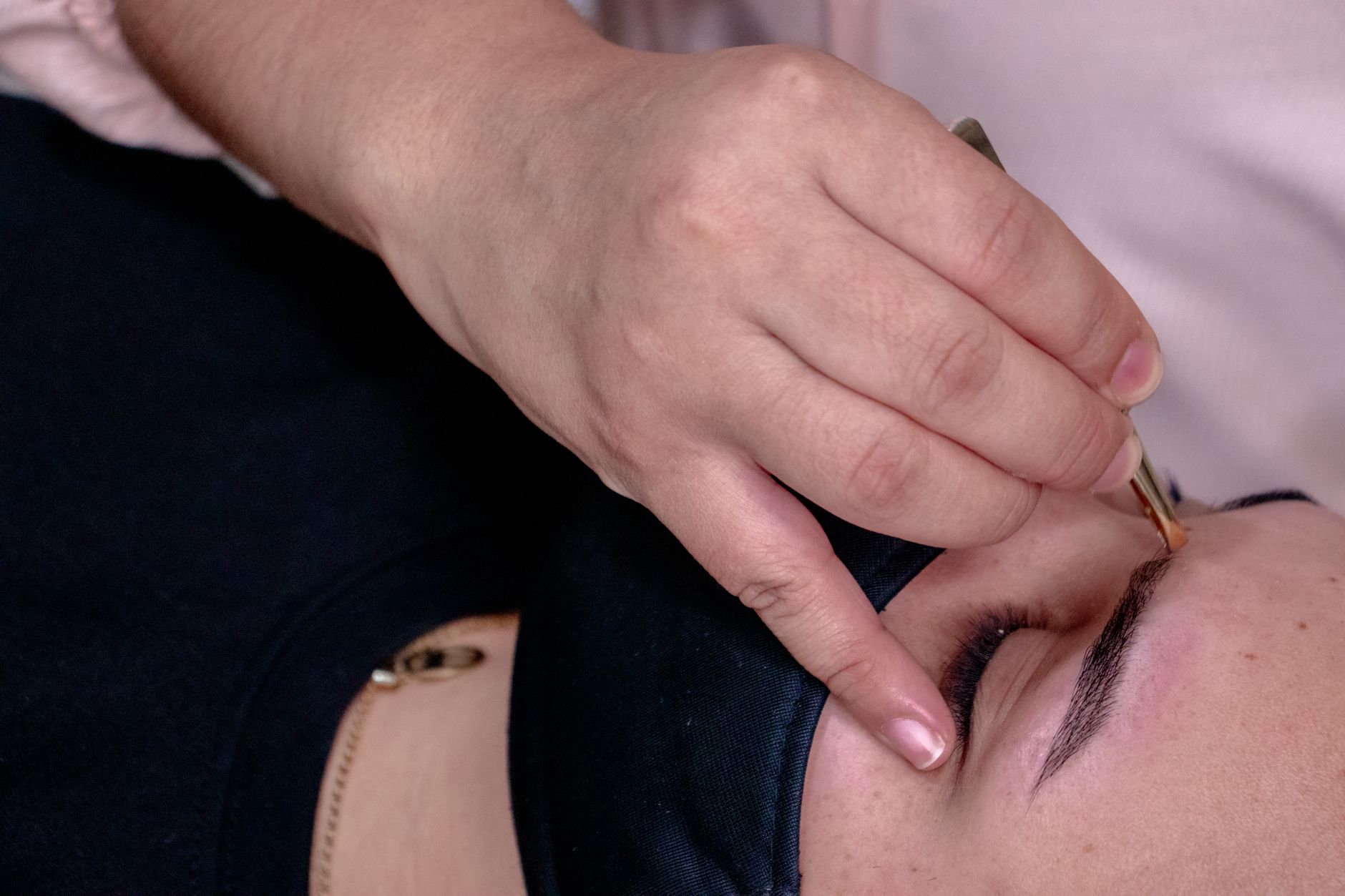
Two techniques dominate brow restoration in Turkey: Follicular Unit Extraction (FUE) and Direct Hair Implantation (DHI). Both start the same way — individual hair follicles are extracted from the donor area, typically the back or sides of the scalp, using micro-punches as small as 0.6 to 0.8 mm. The difference lies in how those grafts are placed.
With FUE, the surgeon creates tiny recipient channels in the brow area using fine blades or needles, then implants the grafts into those channels. It is fast, precise, and well suited to patients who need moderate density across a larger brow area. With DHI, the grafts are loaded into a specialized implanter pen and placed directly into the skin without pre-made channels. This gives the surgeon finer control over angle, depth, and direction — critical when every hair needs to lie flat and sweep outward like a natural brow.
Many Turkish clinics now use a hybrid approach: DHI for the front edge and arch, where directionality matters most, and FUE for the body of the brow where density is the priority. Because brow hairs grow at very acute angles to the skin, surgeons often use single-hair grafts exclusively — no multi-hair units — to avoid a pluggy look. The donor hairs are also selected for their texture; finer nape hairs are sometimes chosen to better mimic the softness of natural brow hair.
The procedure itself usually takes three to five hours under local anesthesia, and you remain awake and comfortable throughout. Most patients describe the experience as surprisingly relaxed — a long morning with a few pinches, followed by a light lunch and a detailed aftercare briefing.

The Patient Journey: Timeline from Consultation to Final Result
Planning a brow transplant in Turkey is refreshingly straightforward, but it helps to know the rhythm of the process. Most patients begin with an online consultation, sending clear photos of their brows and donor area. Within a day or two, the clinic returns a proposed graft count, technique, and quote. Many packages include airport transfers, hotel accommodation, and translation services, which is part of why Istanbul remains so popular.
On arrival, you will have an in-person assessment and design session, where the surgeon draws and refines the new brow shape with you before any extraction begins. The procedure typically happens the next day. Afterward, you will have a brief recovery period in your hotel — most patients fly home on day three or four, once the initial swelling has settled and the clinic has completed a first wash.
The healing timeline is where expectations matter. The transplanted hairs shed at around two to three weeks, which is completely normal — the follicles are resting, not failing. New growth begins around month three, with meaningful density appearing between months four and six. The final result, including texture, color blending, and thickness, is usually visible at the 9- to 12-month mark. Brows continue to mature subtly for up to 18 months.
Unlike scalp transplants, brow transplants often benefit from a light trim every few weeks, because the donor hairs retain their original growth rate. Many patients learn to shape them at home, while others visit a brow artist once a month. Either way, the result is living, growing hair that behaves like your own — because it is.
What Results Are Realistic — and How to Protect Them
An honest clinic will tell you that a brow transplant is an enhancement, not a metamorphosis. If your brows are sparse, patchy, or asymmetrical, you can reasonably expect significantly fuller, more even brows that frame your eyes naturally. If you have visible scarring, the improvement is usually substantial but may not be total, since scar tissue can affect graft survival.
Density is the most common point of discussion. Brows do not need to be as dense as a scalp hairline to look full, because individual hairs are thicker and the area is smaller. A well-executed transplant typically achieves 80 to 95 percent of the planned density, with some natural variation. Your surgeon should show you treatment photographs of patients with similar brows, not just the most dramatic cases.
Protecting your result is largely about aftercare. Follow the clinic's washing instructions precisely for the first ten days, avoid direct sun exposure and heavy sweating for two weeks, and skip brow tinting, threading, or waxing for at least a month. Smoking and untreated medical conditions can reduce graft survival, so it is worth addressing both before your trip. Once your brows have matured, they are permanent — no maintenance procedures required beyond ordinary grooming.
Ask about follow-up support, too. The best Turkish clinics schedule video check-ins at one month, three months, and six months, and offer a clear policy in the rare case that a touch-up is needed. That kind of structured aftercare is one of the quiet advantages of choosing an established medical-tourism destination.
Cost, Value, and Why Istanbul Stands Out
Eyebrow transplant pricing in Turkey typically ranges from €1,200 to €3,500 depending on the clinic, the surgeon's experience, and whether the package includes accommodation and transfers. In the UK, Germany, or the United States, comparable procedures frequently cost three to five times as much — and often with fewer dedicated brow cases per surgeon.
Value in Turkey is not just about price. It is about concentration of expertise. Istanbul's clinics see international patients daily, employ multilingual coordinators, and have refined logistics to a science. You can land on a Monday, have your procedure on Tuesday, recover in a four-star hotel on Wednesday, and fly home on Thursday — a schedule that fits neatly into a week of annual leave.
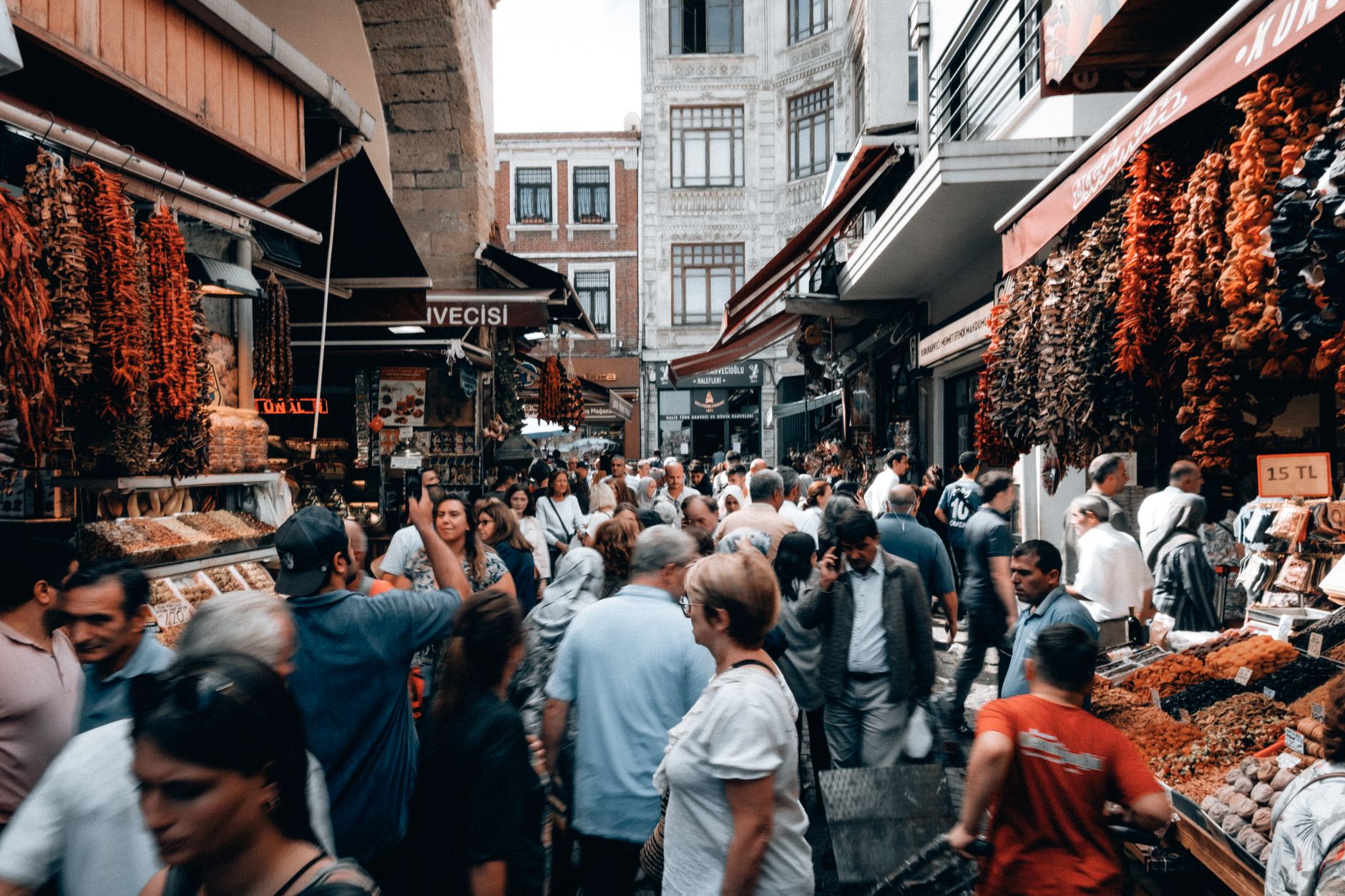
It also helps that Istanbul is a genuinely wonderful place to spend a few recovery days. Between your post-op checks, you can enjoy a slow breakfast overlooking the Bosphorus, wander the gardens of Topkapı Palace, or browse the spice stalls of the Grand Bazaar. Many patients turn their procedure into a short, low-key city break — a rare combination of self-care and travel.
As brow and facial-hair restoration continues to grow, Turkey's early head start in graft artistry and patient logistics gives it a durable edge. For anyone weighing fuller brows against the cost and wait times at home, Istanbul in 2026 is a compelling — and increasingly mainstream — answer.
Thinking about treatment in Turkey?
Send us a question about this site or about the information published on it. This is a publisher's mailbox, not a medical service and not a route to a particular provider — for clinical questions, contact your own doctor.