

Why Türkiye Has Become a Global Hub for Hearing Restoration
Türkiye has emerged as a leading destination for cochlear implantation and hearing restoration, combining advanced medical infrastructure with experienced otology and audiology teams. Turkish hospitals and clinics invest heavily in state-of-the-art surgical technology, including high-resolution imaging, intraoperative monitoring, and advanced cochlear implant systems from all major manufacturers. This commitment to excellence has attracted patients from across Europe, the Middle East, Africa, and Central Asia.
What sets Türkiye apart is not just technology but the depth of expertise. Many Turkish surgeons have trained and worked in leading centers in Europe and North America and perform a high volume of cochlear implant surgeries annually. This volume translates into refined techniques, lower complication rates, and better outcomes. Moreover, the multidisciplinary teams—including otolaryngologists, audiologists, speech therapists, and rehabilitation specialists—provide comprehensive care that addresses every aspect of hearing restoration.
For families considering cochlear implants for a child or adult, Türkiye offers a compelling combination of world-class medical care, competitive pricing, and the warmth of Turkish hospitality. The country’s medical tourism infrastructure ensures that international patients receive personalized support, from initial consultation to post-operative follow-up, making the journey as smooth as possible.
Understanding Cochlear Implants: Who Is a Candidate?
Cochlear implants are electronic devices that bypass damaged hair cells in the inner ear to directly stimulate the auditory nerve. Unlike hearing aids, which amplify sound, cochlear implants are designed for individuals with moderate-to-profound sensorineural hearing loss who gain limited benefit from conventional hearing aids. Determining candidacy is a meticulous process that involves a team of specialists.
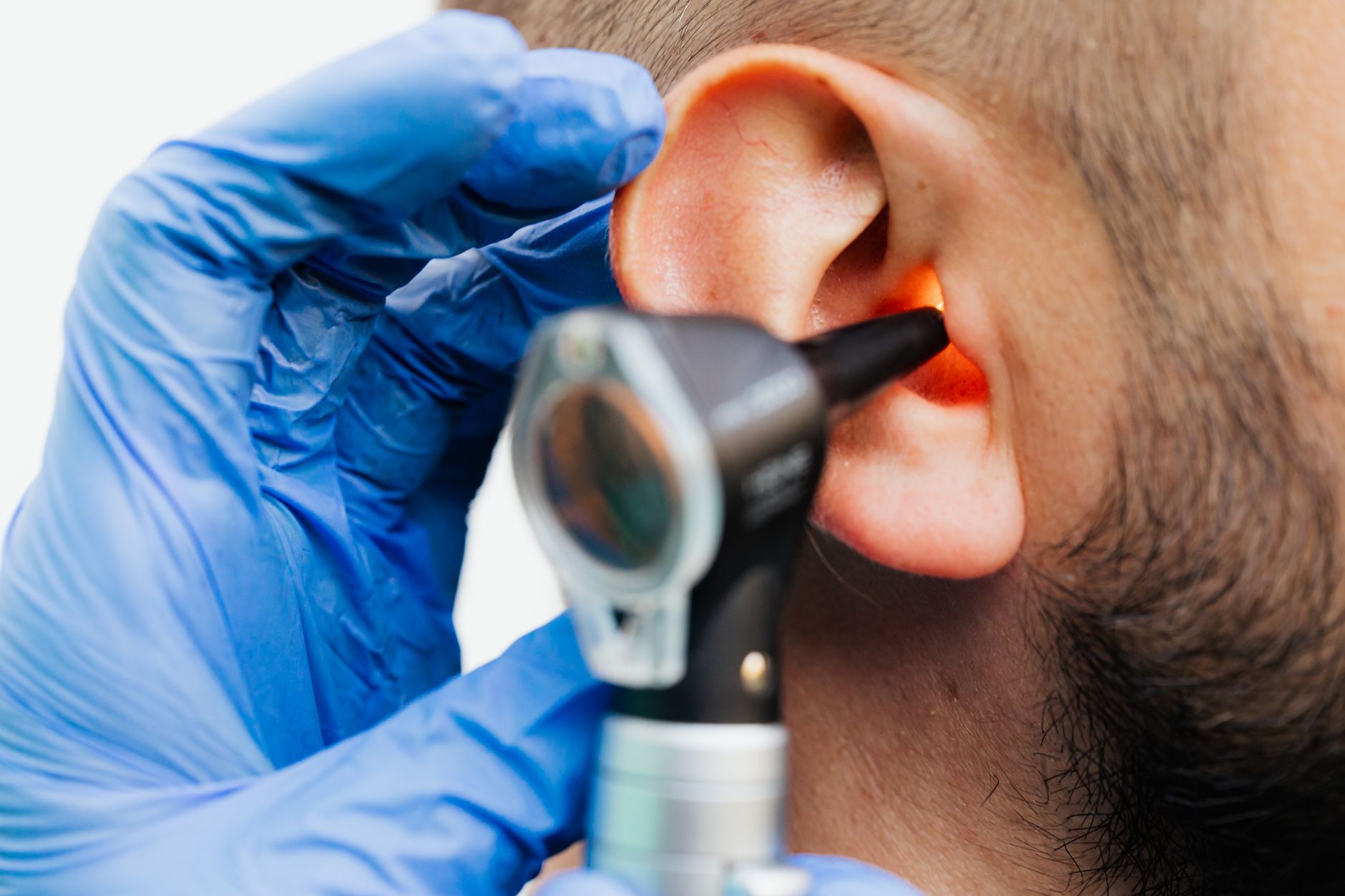
In Türkiye, candidacy assessment typically includes a thorough medical history, physical examination of the ear, and a battery of audiological tests such as pure-tone audiometry, speech recognition testing, and tympanometry. Imaging studies—CT and MRI—are used to evaluate the anatomy of the inner ear and auditory nerve. For children, developmental assessments and speech-language evaluations are also crucial. The goal is to ensure that the implant will provide meaningful benefit and that the patient and family are ready for the commitment to rehabilitation.
Adults who developed hearing loss after acquiring spoken language (post-lingual) often make excellent candidates. Children born with hearing loss can also benefit greatly, especially when implanted early. Turkish teams are known for their careful evaluation of borderline cases and for offering honest, evidence-based recommendations. They consider factors such as duration of deafness, age at implantation, cognitive status, and family support systems.
If you are considering a cochlear implant for yourself or a loved one, the first step is a comprehensive evaluation. Many Turkish hospitals offer remote pre-screening based on medical records and audiological test results, which can help families decide whether to travel for an in-person assessment.
Device Options: Choosing the Right Cochlear Implant System
All major cochlear implant manufacturers—Cochlear, MED-EL, and Advanced Bionics—are represented in Türkiye, and Turkish clinics have extensive experience with each. The choice of device depends on several factors, including the patient’s anatomy, lifestyle, hearing goals, and preferences regarding features such as MRI compatibility, water resistance, and connectivity.
Modern cochlear implants offer a range of advanced features. For example, some devices are designed to preserve residual hearing, allowing for electro-acoustic stimulation (EAS) in patients with low-frequency hearing. Others emphasize MRI compatibility at high field strengths (3.0 Tesla) without the need for magnet removal. Connectivity options such as Bluetooth streaming and rechargeable batteries are also important considerations, especially for children and active adults.
Turkish audiology teams are skilled at guiding families through the decision-making process. They provide detailed information about each device’s specifications, reliability records, and support networks in the patient’s home country. It’s advisable to discuss warranty, service, and upgrade policies, as well as the availability of accessories and replacement parts locally. Many clinics have partnerships with manufacturers to offer competitive pricing and streamlined ordering.
Families should also consider the long-term rehabilitation plan. The device is only one part of the puzzle; the success of a cochlear implant depends heavily on consistent use, mapping (programming), and auditory training. Turkish clinics typically provide initial activation and mapping sessions, and they can coordinate with local professionals for ongoing care.
Timing of Surgery: Critical Windows and Practical Considerations
Timing is a critical factor in cochlear implantation, particularly for children. Research consistently shows that early implantation—ideally before 12–18 months of age—leads to better language development outcomes. Turkish pediatric otology teams are strong advocates for early intervention and work closely with newborn hearing screening programs to identify candidates promptly.
For adults, there is no strict age limit, but earlier implantation after hearing loss onset generally yields better results. Post-lingual adults with a shorter duration of deafness tend to adapt more quickly. However, even adults with long-standing deafness can benefit, and Turkish specialists carefully evaluate each case to set realistic expectations.
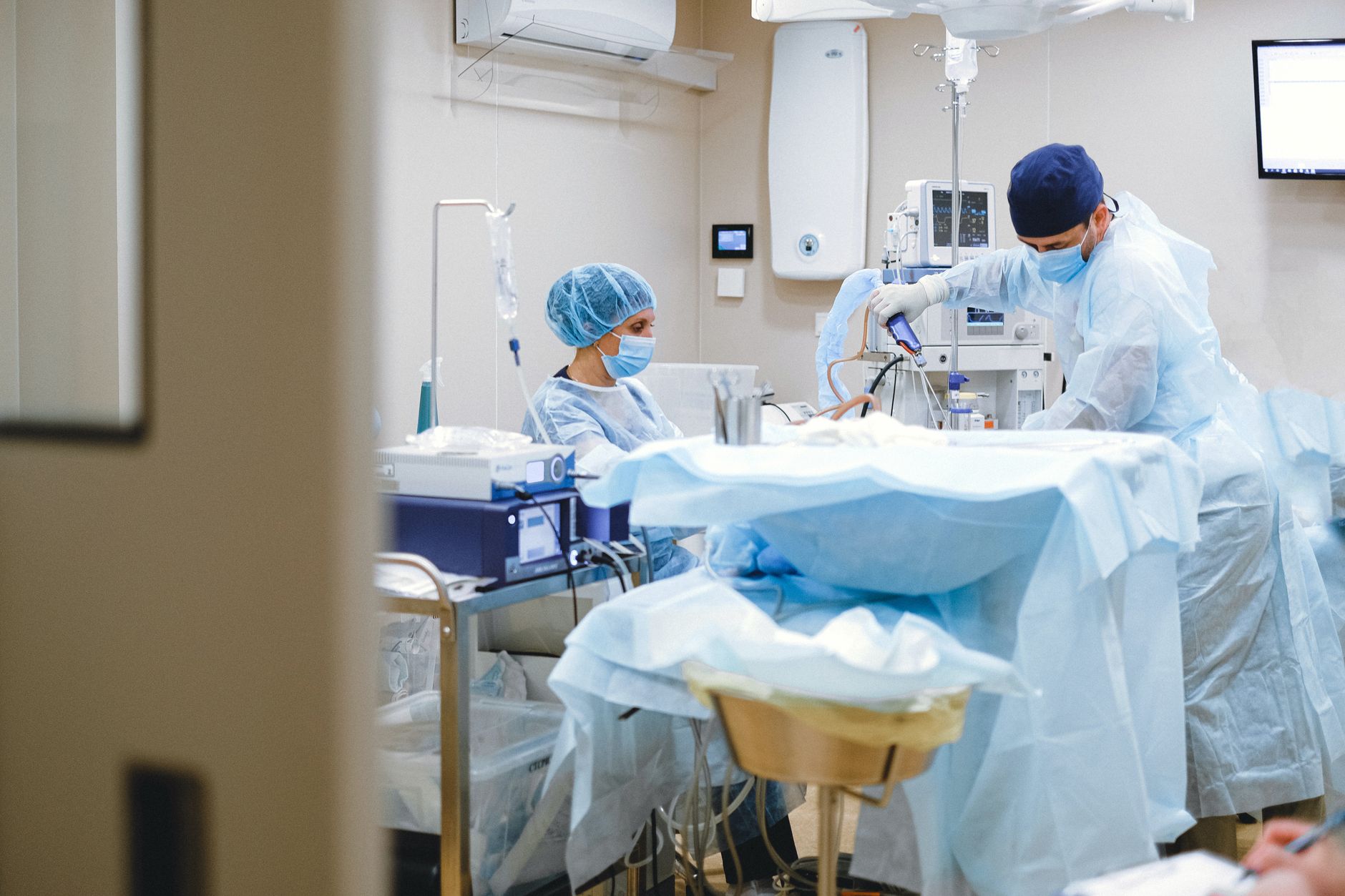
From a logistical standpoint, families should plan for a stay of about 7–10 days for surgery and initial recovery. The surgery itself usually takes 2–3 hours and requires a short hospital stay (1–2 nights). Initial activation occurs 3–4 weeks after surgery, so some families choose to remain in Türkiye for that period or return home and come back for activation. Turkish clinics are flexible and can arrange remote programming if needed, though in-person activation is preferred.
It’s also important to consider the school or work calendar. For children, summer or school breaks can be ideal. For adults, planning around work commitments and ensuring a support system at home during the recovery period is essential. Turkish medical tourism facilitators can help coordinate travel, accommodation, and appointments to minimize disruption.
Follow-Up and Rehabilitation: Partnering with Audiologists in Türkiye and at Home
Rehabilitation is the cornerstone of successful cochlear implantation. After activation, patients require regular mapping sessions and auditory training to maximize their hearing potential. Turkish clinics provide comprehensive rehabilitation programs, often including speech therapy, auditory-verbal therapy, and counseling for families.
For international patients, a key consideration is continuity of care. Turkish teams are experienced in collaborating with audiologists and speech therapists in the patient’s home country. They can provide detailed reports, programming parameters, and rehabilitation plans that local professionals can follow. Some clinics offer remote programming support via telepractice, which has become more common post-pandemic.
Families should establish a relationship with a local audiologist before traveling, if possible. The Turkish team can communicate directly with the local professional to ensure seamless transition. It’s also wise to ask about the availability of spare parts and accessories locally, as well as the process for repairs or upgrades. Many Turkish clinics offer ongoing support via phone or video calls for any concerns that arise.
Rehabilitation is a journey, not a destination. Consistent practice at home, regular follow-up appointments, and a supportive family environment are crucial. Turkish rehabilitation specialists are known for their holistic approach, addressing not only the technical aspects of hearing but also the emotional and social well-being of patients and their families. They provide resources and guidance to help families integrate hearing into daily life.

Practical Planning: Travel, Accommodation, and Costs
Planning a medical trip to Türkiye for cochlear implantation involves several practical steps. First, gather all relevant medical records, including audiological test results, imaging, and reports from your local doctors. Most Turkish clinics offer free online consultations based on these documents. Once you decide to proceed, the clinic’s international patient department can assist with visa letters, travel arrangements, and accommodation near the hospital.
Costs for cochlear implantation in Türkiye are significantly lower than in many Western countries, often including the device, surgery, hospital stay, and initial follow-up. However, prices vary depending on the hospital, surgeon, and device chosen. It’s important to obtain a detailed quote that outlines all inclusions and exclusions. Some clinics offer packages that cover airport transfers, interpreter services, and accommodation.
When budgeting, consider additional expenses such as flights, accommodation for a companion, meals, and potential extra days for activation. Travel insurance that covers medical complications is also recommended. Turkish hospitals are accustomed to international patients and often have staff who speak multiple languages, including English, Arabic, Russian, and French.
Before traveling, check the warranty and service coverage of the device in your home country. Some manufacturers have global service networks, while others may require you to return to Türkiye for major repairs. Discuss this with your clinic and the manufacturer’s local representative. With careful planning, families can navigate the process smoothly and focus on what matters most: restoring hearing and improving quality of life.
Thinking about treatment in Turkey?
Send us a question about this site or about the information published on it. This is a publisher's mailbox, not a medical service and not a route to a particular provider — for clinical questions, contact your own doctor.