

Why Türkiye Is a Global Hub for Cochlear Implantation and Hearing Restoration
Türkiye has firmly established itself as a leading destination for advanced medical care, and its ear, nose, and throat (ENT) and audiology centres are among the finest in Europe and the Middle East. Patients from across the globe are drawn to Turkish clinics for their cutting-edge technology, highly experienced surgeons, and remarkably affordable treatment packages when compared to Western Europe or North America.
Cochlear implantation in Türkiye is performed in state-of-the-art facilities that are equipped with the latest diagnostic and surgical equipment. Many centres are affiliated with internationally accredited hospitals and universities, ensuring that every step of the process—from initial audiology testing to post-operative rehabilitation—meets rigorous global standards.
What truly sets Türkiye apart, however, is the human touch. Turkish medical teams are known for their warm, family-centred approach, and multilingual coordinators are available to guide international patients through every phase of their hearing restoration journey. Whether you are an adult who has gradually lost hearing or a parent seeking help for a child born with profound deafness, Türkiye offers a clear, compassionate path to a new world of sound.
Understanding Cochlear Implants: Who Can Benefit and How They Work
A cochlear implant is an electronic medical device that bypasses damaged parts of the inner ear to directly stimulate the auditory nerve. Unlike hearing aids, which simply amplify sound, cochlear implants convert sound into electrical signals that the brain can interpret as hearing. They are typically recommended for individuals with severe to profound sensorineural hearing loss who receive limited benefit from conventional hearing aids.
Candidates for cochlear implantation include both adults and children. In adults, the most common causes are age-related hearing loss, genetic factors, infections, or exposure to loud noise. For children, early intervention is critical: implants placed before the age of three often yield the best outcomes for speech and language development, because the brain's auditory pathways are most adaptable during these early years.
Modern cochlear implant systems consist of two main components: an external sound processor worn behind the ear (or, in newer models, a single-unit processor) and an internal implant surgically placed under the skin. The external processor captures sound, processes it, and transmits it wirelessly to the internal implant, which then sends electrical pulses to the cochlea. Advances in technology have made these devices smaller, smarter, and more capable of preserving residual hearing than ever before.
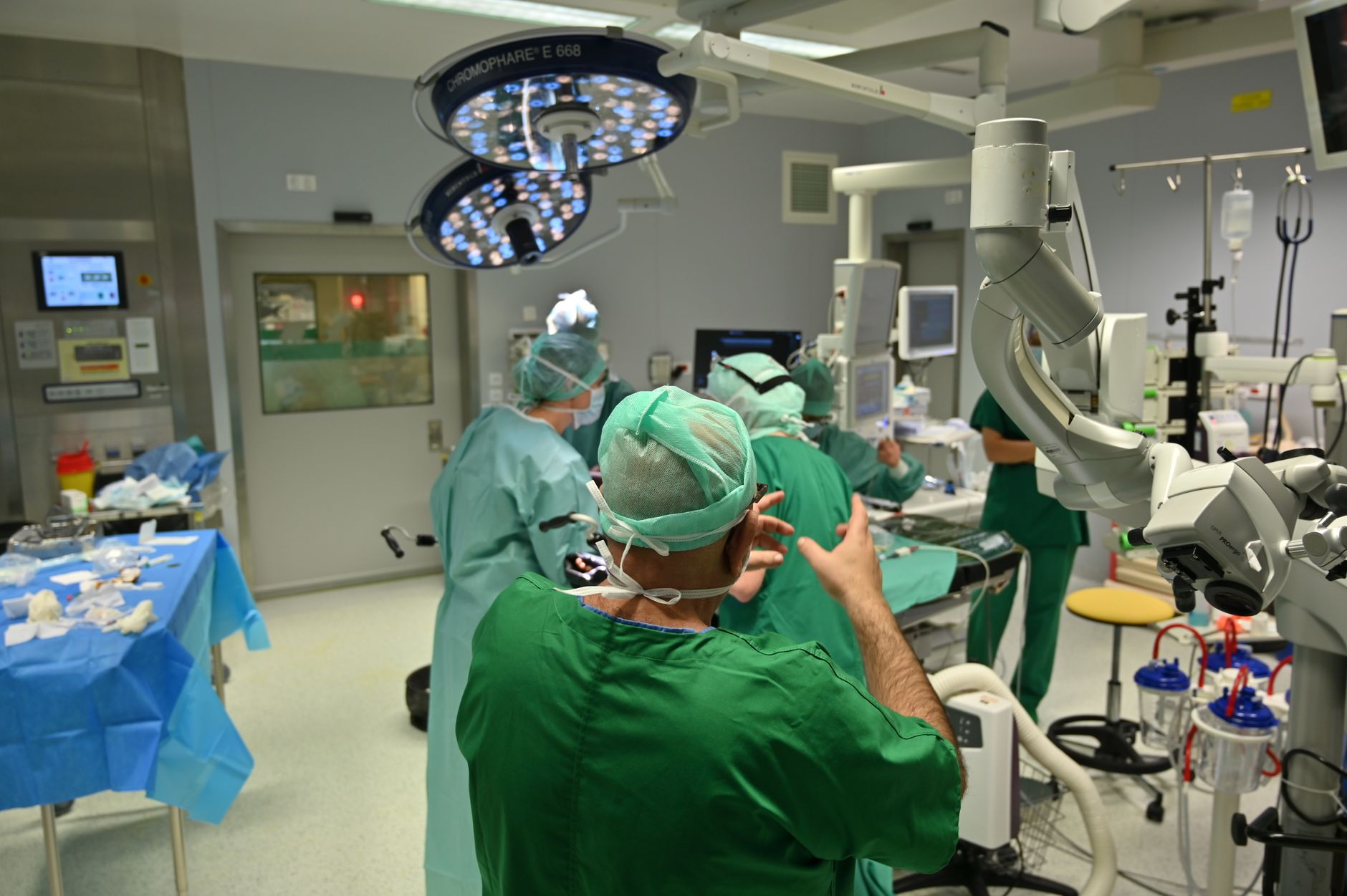
The Step-by-Step Journey: From Audiology Testing to Activation and Rehabilitation
One of the greatest advantages of choosing a Turkish ENT centre is the ability to complete the entire cochlear implant process in a single, well-coordinated trip. This is especially important for international patients who want to minimise travel and time away from home.
Step 1: Comprehensive Audiology Assessment
Your journey begins with a thorough evaluation that may include pure-tone audiometry, speech recognition tests, tympanometry, otoacoustic emissions, and, if needed, MRI or CT scans. These tests determine the type and degree of hearing loss and confirm whether you or your child are a suitable candidate for implantation. Many centres offer remote pre-screening, allowing you to submit preliminary reports before travelling.
Step 2: Surgical Consultation and Pre-operative Planning
You will meet with the ENT surgeon and implant team to discuss the procedure, choose the appropriate device, and address any medical or logistical questions. Multilingual coordinators ensure that language is never a barrier to understanding your options.
Step 3: Cochlear Implant Surgery
The surgery itself is typically performed under general anaesthesia and takes two to three hours. It involves making a small incision behind the ear, creating a pocket for the internal implant, and carefully threading the electrode array into the cochlea. Most patients stay in the hospital for one to two nights and recover quickly.
Step 4: Activation and Initial Programming
About three to four weeks after surgery, the external sound processor is fitted and activated. This is an emotional milestone: many patients hear sound for the first time in years—or, for children, for the very first time. The audiologist will map the device's settings to match your individual hearing profile.
Step 5: Rehabilitation and Follow-up
Rehabilitation is essential for getting the most out of your implant. Turkish centres provide structured auditory training and speech therapy, often tailored for international patients in multiple languages. You will receive a personalised rehabilitation plan and guidance for ongoing tuning sessions, which can sometimes be conducted remotely once you return home.
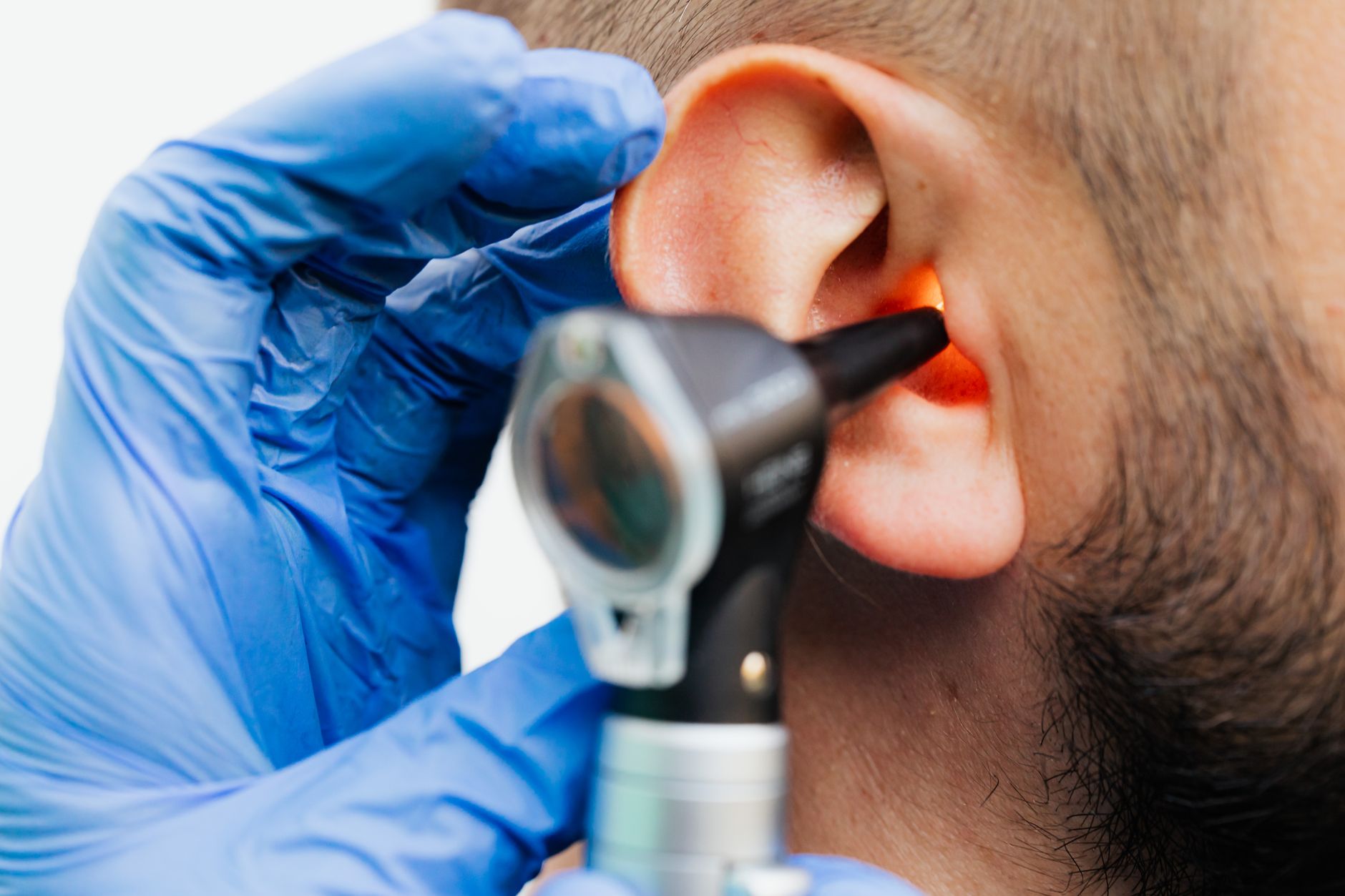
Compassionate, Family-Centred Care for Children and Adults
Turkish clinics understand that hearing loss affects not just the individual, but the entire family. For paediatric patients, centres create a nurturing environment where children feel safe and parents are actively involved in every decision. Child-friendly consultation rooms, play-based assessment techniques, and dedicated paediatric audiologists help make the experience less intimidating for young ones.
Parents are given comprehensive education on how to support their child's listening and language development at home. This includes training in techniques such as auditory-verbal therapy, which encourages children to use their new hearing to learn spoken language naturally. Support groups and family counselling are also often available, connecting you with other families who have walked the same path.
For adults, the focus is on restoring communication, independence, and quality of life. Whether you are a professional who needs to hear in meetings or a grandparent who wants to enjoy conversations with loved ones, the care team will tailor treatment goals to your lifestyle. Many centres also offer support for adults who are deafblind or have additional needs, ensuring truly inclusive care.

Multilingual Support: Making International Patients Feel at Home
Language barriers can be a significant source of anxiety when seeking medical care abroad. Türkiye's leading ENT centres address this head-on with dedicated international patient departments. Multilingual coordinators—fluent in English, Arabic, Russian, French, German, and other languages—accompany you from your first enquiry to your final follow-up.
These coordinators help with everything from scheduling appointments and arranging airport transfers to finding comfortable accommodation near the hospital. They also provide interpretation during consultations, audiology sessions, and rehabilitation, so you can ask questions freely and understand every detail of your care plan.
Beyond language, Turkish hospitals are known for their hospitality. Many offer amenities such as private patient rooms, healthy meals accommodating dietary restrictions, and assistance with visa invitation letters. This holistic approach ensures that you can focus on your hearing journey while the logistics are handled smoothly.
Combining Treatment with a Memorable Stay in Türkiye
A cochlear implant journey in Türkiye is not only about medical care—it is also an opportunity to experience a country rich in history, culture, and natural beauty. Istanbul, home to many of the top ENT centres, offers iconic landmarks like Hagia Sophia, the Blue Mosque, and the Grand Bazaar. Between appointments, you can enjoy a Bosphorus cruise, savour Turkish cuisine, or simply relax in a traditional hammam.
Other cities such as Ankara, Izmir, and Antalya also host excellent audiology and implant centres, some located near beautiful Mediterranean beaches or thermal spas. Many international patients extend their stay into a short recuperative holiday, combining post-operative rest with gentle sightseeing. Your medical coordinator can help arrange accessible tours and comfortable transportation.
It is important to plan your trip with your treatment schedule in mind. Most patients require a stay of two to four weeks for surgery and activation, with additional time for initial rehabilitation. Your centre will provide a personalised timeline so you can make the most of your visit while prioritising your health and recovery.
What to Expect: Costs, Success Rates, and Choosing the Right Centre
One of the most compelling reasons to consider Türkiye is the cost advantage. Cochlear implant surgery in Türkiye typically costs 50–70% less than in the United States or the United Kingdom, without compromising on device quality or surgical expertise. Packages often include the implant device, surgery, hospital stay, activation, initial programming, and a set number of rehabilitation sessions.
Success rates at leading Turkish centres are comparable to those in top Western hospitals. Factors that influence outcomes include the patient's age at implantation, duration of deafness, and consistency with rehabilitation. Your care team will provide realistic expectations and a clear plan to maximise your results.
When choosing a centre, look for internationally recognised accreditations, experienced surgeons who perform a high volume of cochlear implant procedures, and comprehensive rehabilitation services. Reading patient testimonials and asking for outcome data can also help you make an informed decision. Reputable centres will be transparent about their credentials and happy to connect you with former patients.
For thousands of international patients, Türkiye has become the place where silence gives way to sound, and isolation gives way to connection. With expert ENT and audiology teams, advanced technology, and a deeply compassionate approach, a cochlear implant journey in Türkiye can truly open a new world of hearing for you or your child.
Thinking about treatment in Turkey?
Share your contact details and a verified doctor will follow up with a plan built around you — free, no obligation.