

Why Türkiye Leads in Otoplasty Surgery
Türkiye has become a global destination for cosmetic and reconstructive surgery, and otoplasty—ear reshaping—is one of its most sought-after procedures. Turkish facial-plastic surgeons are renowned for their precision, artistry, and patient-centred approach. With internationally accredited clinics, state-of-the-art operating theatres, and a tradition of medical excellence, the country offers world-class care at a fraction of the cost found in Western Europe or North America.
What sets Türkiye apart is not just affordability but also the depth of expertise. Many surgeons specialise exclusively in facial plastic surgery and have completed fellowships abroad, bringing the latest techniques back home. They are adept at handling both adult and paediatric cases, understanding the unique anatomical and emotional needs of each age group. Whether you're a parent seeking help for a child with protruding ears or an adult finally addressing a long-standing insecurity, Turkish clinics provide a supportive environment where your goals are heard and respected.
Moreover, the cultural emphasis on hospitality means that international patients are treated like honoured guests. From the moment you land in Istanbul, you'll find clinics that assist with everything from airport transfers to language interpretation, ensuring a smooth and stress-free experience.
Understanding Otoplasty: More Than Just Ear Pinning
Otoplasty, commonly known as ear pinning or ear reshaping, is a surgical procedure designed to correct the shape, position, or size of the ears. It is most often performed to address protruding ears (prominent ears), which can be a source of teasing and self-consciousness, especially in children. However, otoplasty can also correct ears that are misshapen due to congenital conditions, injury, or previous surgery.
The procedure is typically done on an outpatient basis under local anaesthesia with sedation for adults, while children usually receive general anaesthesia to ensure they remain still and comfortable. The surgery involves reshaping the cartilage and, if necessary, removing a small amount of skin. The goal is to create a natural, balanced appearance that complements the face.
In Türkiye, surgeons take a personalised approach, tailoring the technique to each patient's anatomy. They understand that ear aesthetics are not one-size-fits-all; the ideal result is one that looks harmonious and proportioned, not overly pinned back. This attention to detail is why Turkish otoplasty results are often praised for their natural look.

The Consultation: What to Expect
Your journey begins with a thorough consultation. Turkish clinics typically offer both in-person and online consultations, making it easy to start the process from abroad. During this meeting, the surgeon will review your medical history, discuss your goals, and examine your ears. For paediatric patients, the surgeon will also assess the child's ear development to determine the optimal timing for surgery—usually after the age of five when the ear cartilage is sufficiently developed.
Expect the surgeon to take photographs and measurements to plan the procedure. They will explain the techniques available, the expected outcomes, and any potential risks. This is also your opportunity to ask questions about anaesthesia, recovery, and aftercare. Turkish surgeons are known for their patience and willingness to educate patients, so don't hesitate to voice any concerns.
If you're travelling from abroad, the clinic may provide a package that includes the consultation, surgery, follow-up visits, and sometimes accommodation and transfers. This all-inclusive approach simplifies planning and ensures you have support throughout your stay.
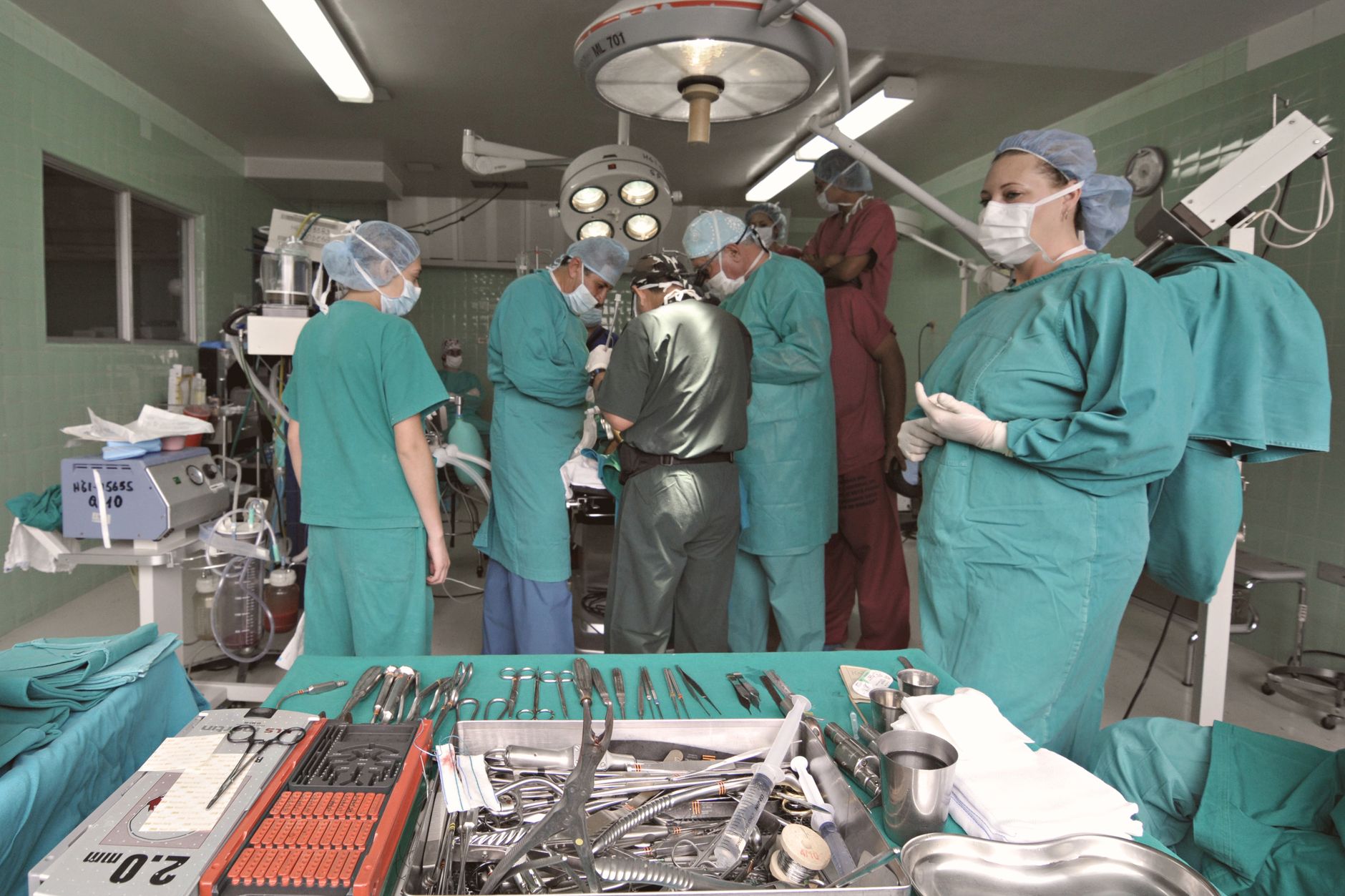
The Surgery: A Short Procedure with Lasting Impact
Otoplasty is a relatively quick procedure, typically lasting one to two hours. For adults, it's often performed under local anaesthesia, meaning you'll be awake but relaxed and pain-free. Children usually receive general anaesthesia, so they sleep through the surgery and wake up in a comfortable recovery area.
The surgeon will make an incision behind the ear, in the natural crease where it meets the head, to minimise visible scarring. Through this incision, they will sculpt the cartilage, fold it back, and secure it with permanent sutures. In some cases, a small piece of cartilage may be removed to reduce bulk. The incision is then closed with dissolvable stitches, and a bandage is applied to protect the area.
Safety is paramount in Turkish clinics. Anaesthesia is administered by experienced anaesthesiologists, and patients are monitored closely throughout. Paediatric cases are handled with extra care, with child-friendly environments and staff trained to put young patients at ease.

Recovery: What to Expect in the Days and Weeks After
Recovery from otoplasty is generally straightforward and quick. Most patients experience mild discomfort, swelling, and bruising, which can be managed with over-the-counter pain relievers. You'll need to wear a protective headband for a week or two, especially at night, to keep the ears in place and aid healing.
Adults can typically return to work after a few days, while children may need to stay home from school for about a week. Strenuous activities and contact sports should be avoided for at least a month to prevent injury to the healing ears. The surgeon will provide detailed aftercare instructions and schedule follow-up appointments to monitor your progress.
One of the most rewarding aspects of otoplasty is the immediate improvement in appearance. While swelling subsides over a few weeks, patients often see a noticeable difference right away. For children, this can translate into increased confidence and a reduction in teasing; for adults, it can mean feeling more comfortable in social and professional settings.

Planning Your Otoplasty Journey in Türkiye
Organising medical travel can seem daunting, but Turkish clinics are well-versed in assisting international patients. Many offer comprehensive packages that include airport transfers, hotel accommodation, and translation services. It's advisable to arrive a few days before your surgery for a pre-operative consultation and to allow time for any additional tests.
Recovery time in Türkiye can double as a mini-vacation. Istanbul, with its rich history, stunning architecture, and vibrant food scene, offers plenty of relaxing activities. However, it's important to follow your surgeon's advice and avoid any activities that could jeopardise your healing. Most patients stay in Türkiye for about 7–10 days, which allows for the initial recovery and a follow-up appointment before flying home.
When choosing a clinic, look for one with a strong reputation, board-certified surgeons, and positive patient testimonials. Don't hesitate to ask for before-and-after photos of previous otoplasty patients. The best clinics will be transparent and happy to share their results.
Conclusion: A Small Change, A World of Confidence
Otoplasty is more than a cosmetic procedure; it's a step towards greater self-esteem and wellbeing. For children, it can prevent years of teasing and help them feel more secure in their appearance. For adults, it can resolve a lifelong insecurity and boost confidence in both personal and professional life.
Türkiye's skilled surgeons, modern facilities, and patient-focused care make it an excellent choice for otoplasty. With a short recovery and a supportive medical tourism infrastructure, families and individuals can plan their journey with confidence. If you're considering ear reshaping, take the first step by scheduling a consultation with a reputable Turkish clinic. Your new ears—and your new confidence—are within reach.
Thinking about treatment in Turkey?
Send us a question about this site or about the information published on it. This is a publisher's mailbox, not a medical service and not a route to a particular provider — for clinical questions, contact your own doctor.