

Why Türkiye Has Become a Destination for Renal Care Travellers
Türkiye sits at the crossroads of Europe and Asia, and its healthcare system has evolved into one of the most accessible in the region. For patients living with chronic kidney disease who require haemodialysis several times a week, travel once felt impossible. Today, Turkish renal centres in Istanbul, Ankara, Izmir and Antalya routinely welcome international patients who want to combine treatment with a holiday, a family visit or simply a change of scenery.
The appeal is practical. Türkiye offers modern dialysis units equipped with contemporary machines, trained nephrology teams, and a growing number of private clinics accustomed to working with foreign patients. Many centres maintain English-speaking coordinators, accept international insurance documentation, and can share treatment records before you even board your flight.
Just as importantly, the country is easy to reach. Direct flights connect Istanbul to hundreds of cities across Europe, the Middle East, Africa and Central Asia, and patients on a three-sessions-per-week schedule can often plan a Thursday–Sunday or Monday–Wednesday rhythm around their travel dates. With careful planning, dialysis becomes a logistical detail rather than a barrier.
Inside a Modern Turkish Dialysis Unit
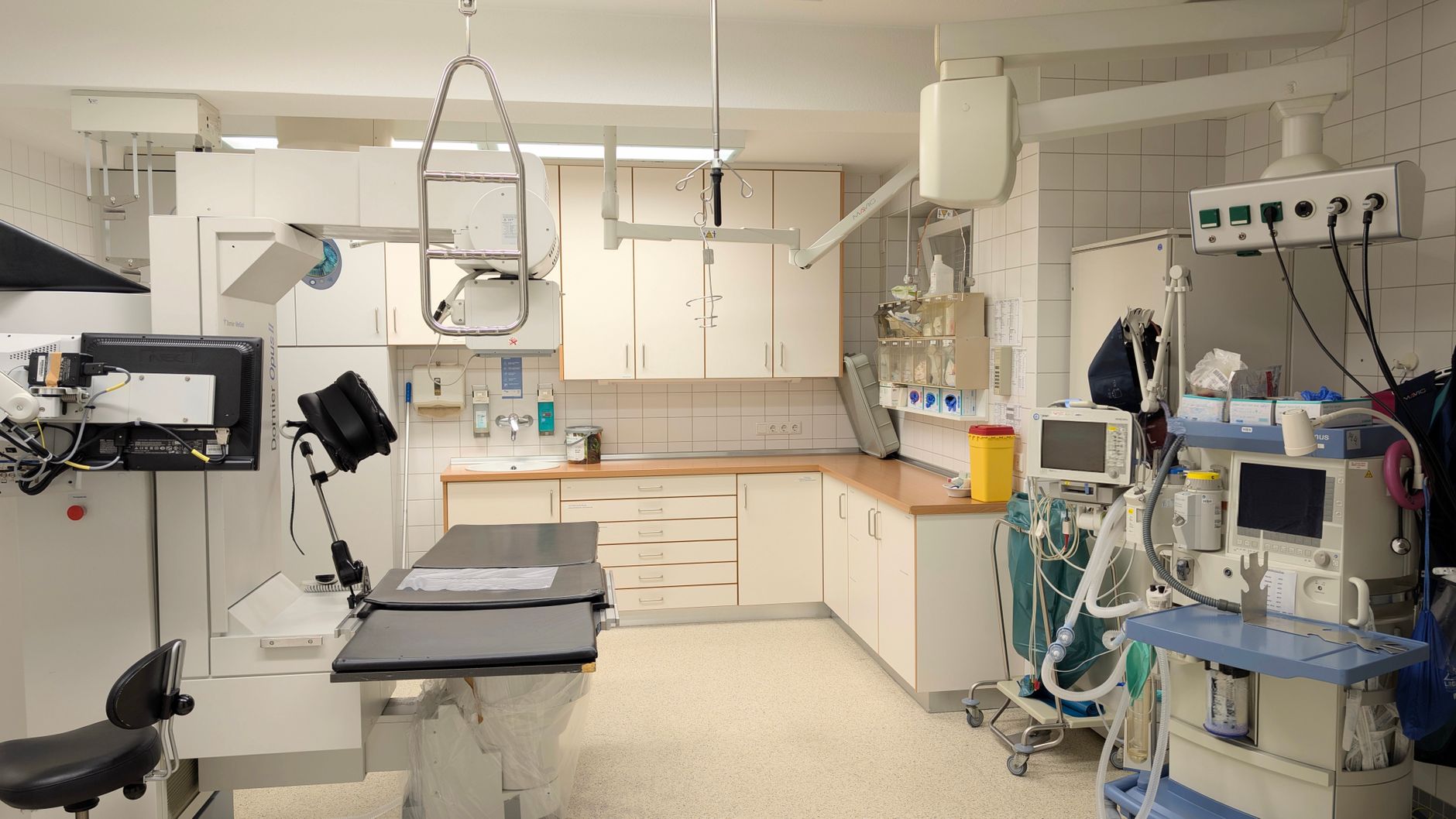
Walking into a well-run Turkish dialysis centre, most international patients notice the same things: bright treatment rooms, individual stations with privacy screens, and a calm, unhurried atmosphere. Units typically operate in shifts, with morning, afternoon and evening sessions, which gives travellers flexibility when arranging airport transfers or sightseeing.
Equipment generally reflects international standards, with modern haemodialysis machines, volumetric controls, and single-use dialysers as standard practice. Many clinics also offer haemodiafiltration (HDF) for suitable patients, and some larger hospital-based centres provide peritoneal dialysis support and nephrology consultations on site.
What often surprises visitors is the human side. Turkish healthcare culture places a strong emphasis on hospitality, and dialysis nurses are frequently described as warm and attentive. Tea is offered, families are welcomed, and coordinators make a point of checking in about transport, meals and accommodation. For a patient far from home, that atmosphere of care matters as much as the technology.
"The machine was modern, but it was the team that made me feel safe. They knew my dry weight, my medication list and even my preferred arm before I arrived." — a sentiment echoed by many returning dialysis travellers.
Coordinated Scheduling Around Your Travel Dates
The single most valuable service a renal centre can offer a travelling patient is schedule coordination. Reputable Turkish clinics ask for your dialysis prescription, recent blood results and treatment history weeks in advance, then reserve slots that fit your itinerary rather than forcing you to rearrange your trip.
This usually works in three steps. First, you share your medical records through a secure channel or your coordinator. Second, the clinic confirms availability and proposes session times, often aligning them with hotel check-in, flights or planned excursions. Third, the centre issues a written confirmation including the address, contact person and emergency number.
Patients should build in buffers. A session on the day of your outbound flight is risky; a session 24–48 hours before departure is far safer in case of a delayed flight or a change in your clinical condition. Most coordinators recommend arriving at least one full day before your first session so there is time for a brief assessment and any adjustments to your prescription.
- Book sessions first, then flights and hotels around them.
- Allow at least one rest day between arrival and your first treatment.
- Confirm the clinic's policy on missed sessions and rescheduling.
- Keep a printed copy of your dialysis prescription in your hand luggage.
Records, Continuity and Safety for International Patients
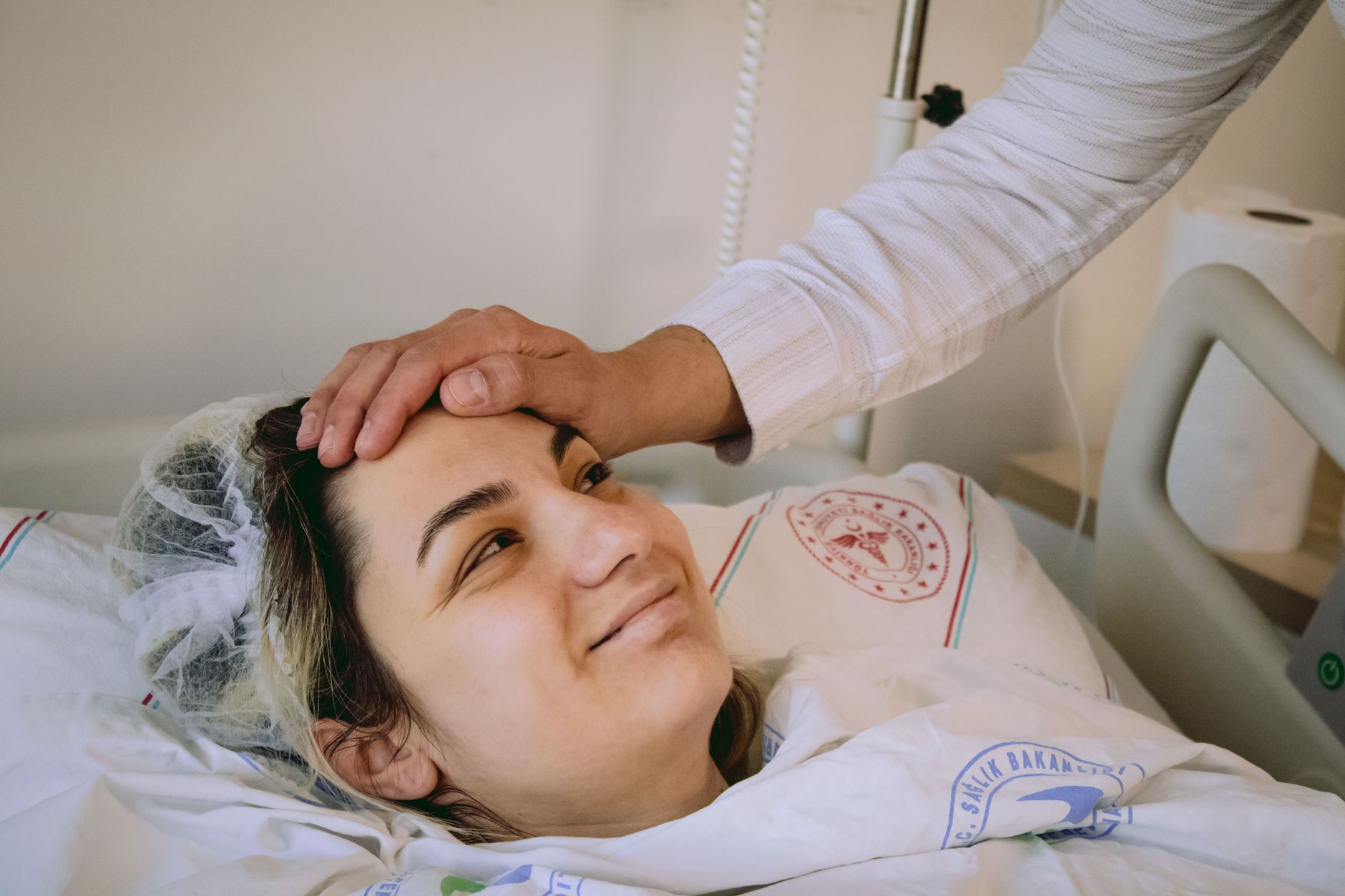
Continuity of care is the backbone of safe dialysis travel. A well-organised Turkish centre will request a recent dialysis summary, current medications, vascular access details, blood test results and any relevant imaging or specialist letters. In return, you should receive a treatment report after each session or at the end of your stay, documenting ultrafiltration volumes, blood pressure trends and any incidents.
This two-way exchange protects you. The receiving team can replicate your usual prescription closely, reducing the risk of cramping, hypotension or inadequate clearance. Your home unit, meanwhile, receives a clear picture of what happened while you were away, so your regular nephrologist can adjust your plan when you return.
Safety protocols in Turkish clinics generally mirror international norms: venous pressure monitoring, anticoagulation checks, infection control routines and emergency response procedures. Larger hospital-affiliated units have intensive care backup on site, which is worth confirming if you have significant comorbidities such as cardiac disease or diabetes.
Patients with a fistula or graft should ask about cannulation experience and whether the same nursing team can be assigned for repeat sessions. Those with a tunnelled catheter should confirm that the unit handles catheter-based dialysis routinely. Clear communication before booking prevents surprises on arrival.
Practical Tips for a Stress-Free Dialysis Stay
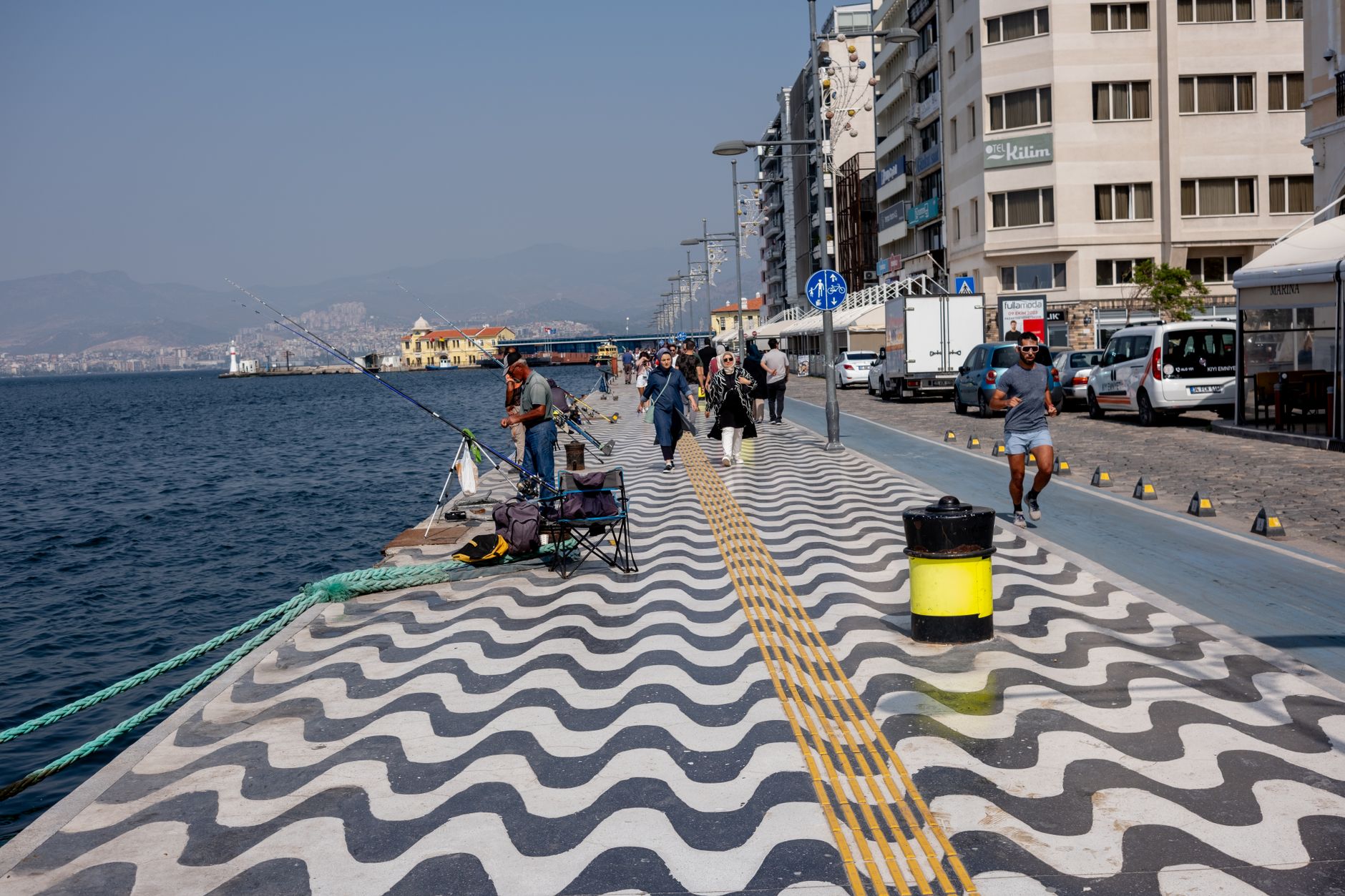
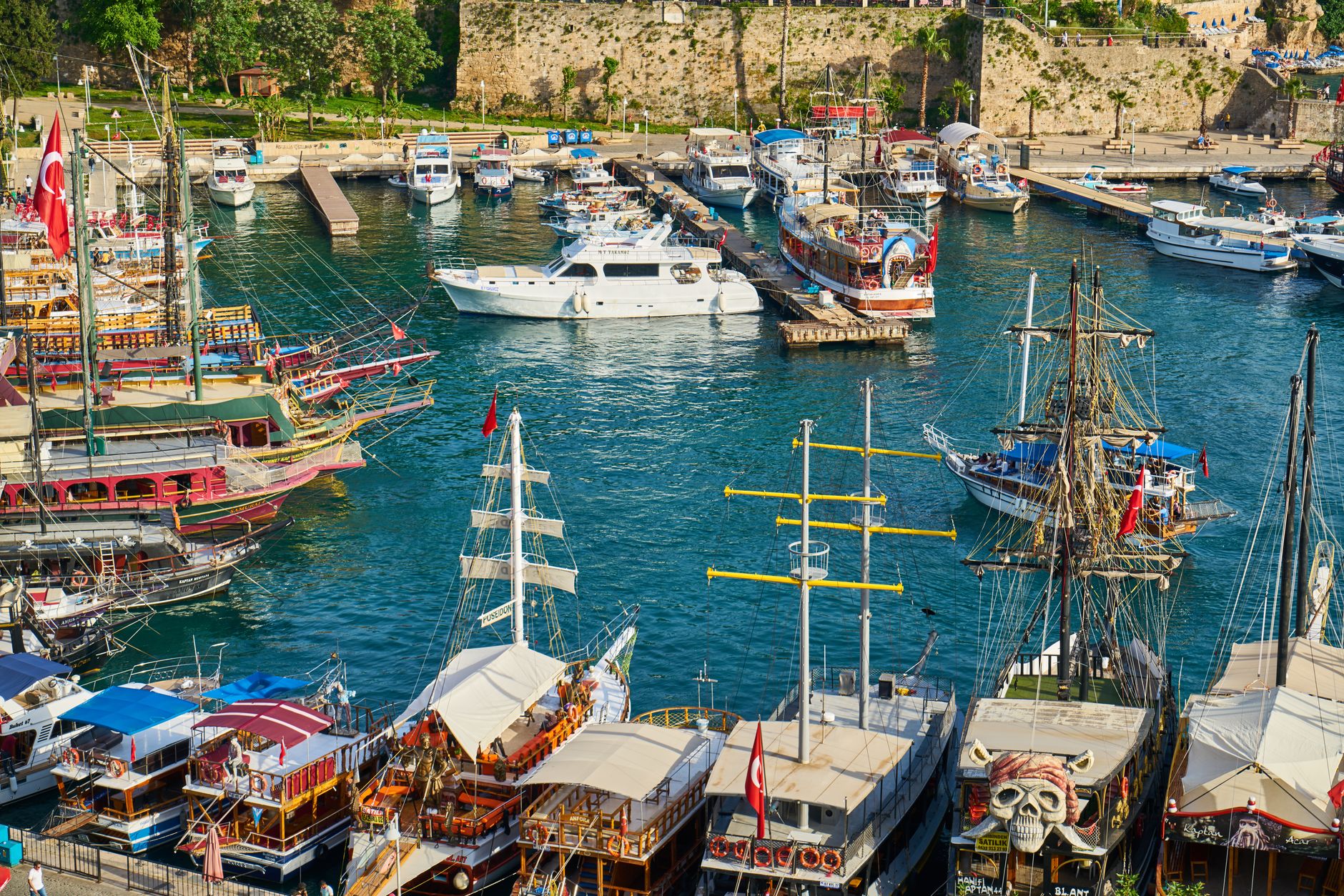
Choose your base wisely. Istanbul offers the widest choice of clinics and direct flights, but its traffic can complicate transfers; staying near your dialysis centre in districts such as Şişli, Kadıköy or Nişantaşı can save hours. Izmir and Antalya offer a gentler pace and are popular with patients combining treatment with a seaside recovery.
Dietary planning deserves attention. Turkish cuisine is rich in potassium and phosphorus—think yoghurt, cheese, legumes, dried fruit and nuts—so discuss local food options with your dietitian before you travel. Ask the clinic whether a renal dietitian is available for a short consultation, and keep an eye on fluid intake, especially in hot summer months.
Travel insurance specifically covering pre-existing kidney disease is strongly recommended. Confirm that your policy includes dialysis-related emergencies and medical repatriation. Carry your medication in original packaging with a doctor's letter, and split supplies between hand luggage and checked bags.
Finally, build rest into your itinerary. A gentle morning at a museum or a short Bosphorus ferry ride can be wonderful on a non-dialysis day; a full-day tour the day after treatment often is not. Pacing yourself is the difference between a restorative trip and an exhausting one.
Planning Your Trip: A Simple Timeline
Start roughly eight to twelve weeks before departure. Contact two or three clinics, compare their responses, and ask about language support, session availability and pricing. Request written confirmation that they can accommodate your specific access type and prescription.
Four to six weeks out, finalise your medical records, secure insurance, and book flights and accommodation near the clinic. Two weeks before travel, reconfirm your sessions and share any changes in medication. On arrival, attend a brief assessment, meet your nursing team, and confirm your return-session schedule.
Türkiye's renal centres have turned dialysis travel from a daunting prospect into a manageable, even enjoyable, experience. With coordinated scheduling, transparent records and teams that treat international patients as guests rather than cases, a safe and stress-free stay is entirely within reach.

Thinking about treatment in Turkey?
Send us a question about this site or about the information published on it. This is a publisher's mailbox, not a medical service and not a route to a particular provider — for clinical questions, contact your own doctor.