

Introduction: A New Era of Hope for Epilepsy and Functional Neurosurgery in Türkiye
For patients and families navigating the challenges of epilepsy and other complex neurological conditions, the search for effective treatment can feel overwhelming. In recent years, Türkiye has emerged as a leading destination for advanced neurological care, combining state-of-the-art technology, highly skilled multidisciplinary teams, and a patient-centered approach. This article explores how Türkiye's epilepsy monitoring units (EMUs) and functional neurosurgery programmes—including vagus nerve stimulation (VNS) and deep brain stimulation (DBS)—are transforming lives and offering a supportive, modern pathway to regain control and quality of life.
Whether you are considering surgery for drug-resistant epilepsy or exploring neuromodulation options, understanding the comprehensive evaluation process and the expertise available can help you make informed decisions. With its blend of medical excellence and rich cultural heritage, Türkiye provides not only cutting-edge treatment but also a welcoming environment for international patients.
Understanding Epilepsy and Functional Neurosurgery
Epilepsy is a neurological disorder characterized by recurrent, unprovoked seizures. While many people achieve seizure control with medication, approximately one-third develop drug-resistant epilepsy (DRE), where medications fail to provide adequate control. For these patients, surgical evaluation and alternative therapies such as neuromodulation can be life-changing.
Functional neurosurgery is a specialized field that focuses on restoring function or alleviating symptoms by targeting specific areas of the nervous system. In the context of epilepsy, it includes resective surgery (removing the seizure focus), disconnection procedures, and neuromodulation techniques like VNS and DBS. These approaches aim to reduce seizure frequency, improve cognition and mood, and enhance overall quality of life.
Türkiye has invested significantly in developing comprehensive epilepsy centers that bring together neurologists, neurosurgeons, neuroradiologists, neuropsychologists, and specialized nursing staff. These multidisciplinary teams collaborate to provide personalized care, from precise diagnosis to tailored surgical interventions.
The Role of Epilepsy Monitoring Units (EMUs) in Türkiye
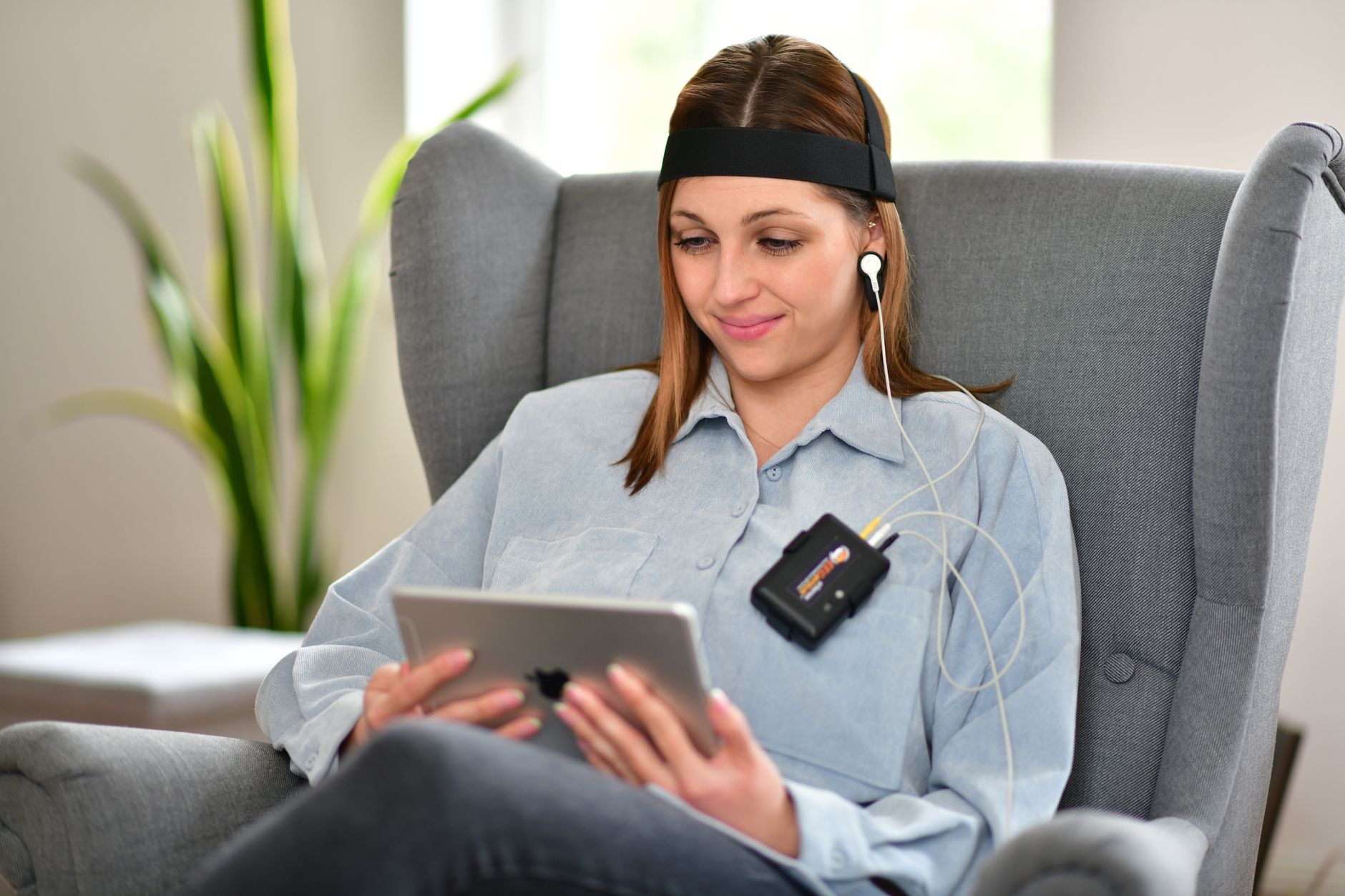
Epilepsy monitoring units are specialized inpatient facilities equipped with continuous video-EEG monitoring to capture seizures and analyze brain activity. These units are essential for presurgical evaluation, as they help localize the seizure onset zone and determine whether surgery is a viable option.
In Türkiye, EMUs are typically part of comprehensive epilepsy centers in major university and private hospitals. They are staffed by trained epileptologists, EEG technologists, and nurses who ensure patient safety during seizure recording. The units are designed for comfort and privacy, with 24/7 monitoring and advanced digital EEG systems that allow detailed analysis of seizure semiology and electrophysiological patterns.
International patients can access these EMUs through referral or direct inquiry. The evaluation process often includes medication adjustment (to provoke seizures safely), neuropsychological testing, and high-resolution imaging such as MRI with epilepsy protocols. The goal is to gather comprehensive data to inform surgical planning and ensure the best possible outcomes.
Comprehensive Evaluation and Surgical Planning for International Patients
Accessing advanced care in Türkiye is streamlined for international patients. The process typically begins with a remote review of medical records, including seizure history, medication trials, and previous imaging. This preliminary assessment helps the team determine whether further evaluation in Türkiye is appropriate.
Upon arrival, patients undergo a thorough evaluation that may include:
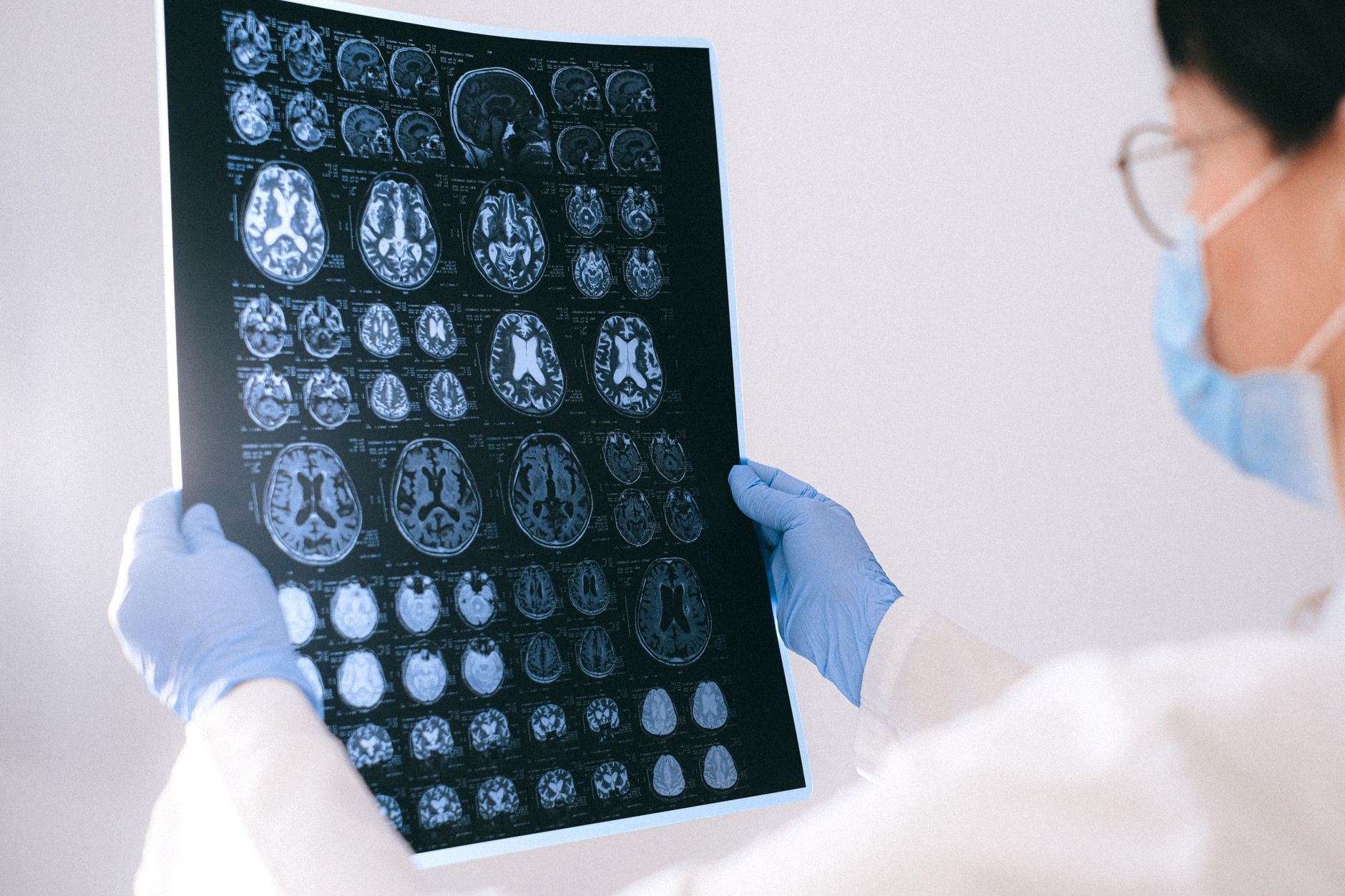
- High-resolution MRI: Using 3T or 7T scanners with specialized epilepsy protocols to detect subtle structural abnormalities.
- Video-EEG monitoring: In the EMU to capture seizures and correlate with brain activity.
- Neuropsychological assessment: To assess cognitive function and identify any risks associated with surgery.
- Functional imaging: Such as PET, SPECT, or fMRI to map eloquent cortex and lateralize language and memory.
- Multidisciplinary team review: Where all findings are discussed to formulate a personalized treatment plan.
The multidisciplinary team then meets with the patient and family to explain the options, risks, and expected outcomes. This collaborative approach ensures that decisions are made together, respecting patient preferences and values.
Advanced Surgical Treatments: VNS and DBS
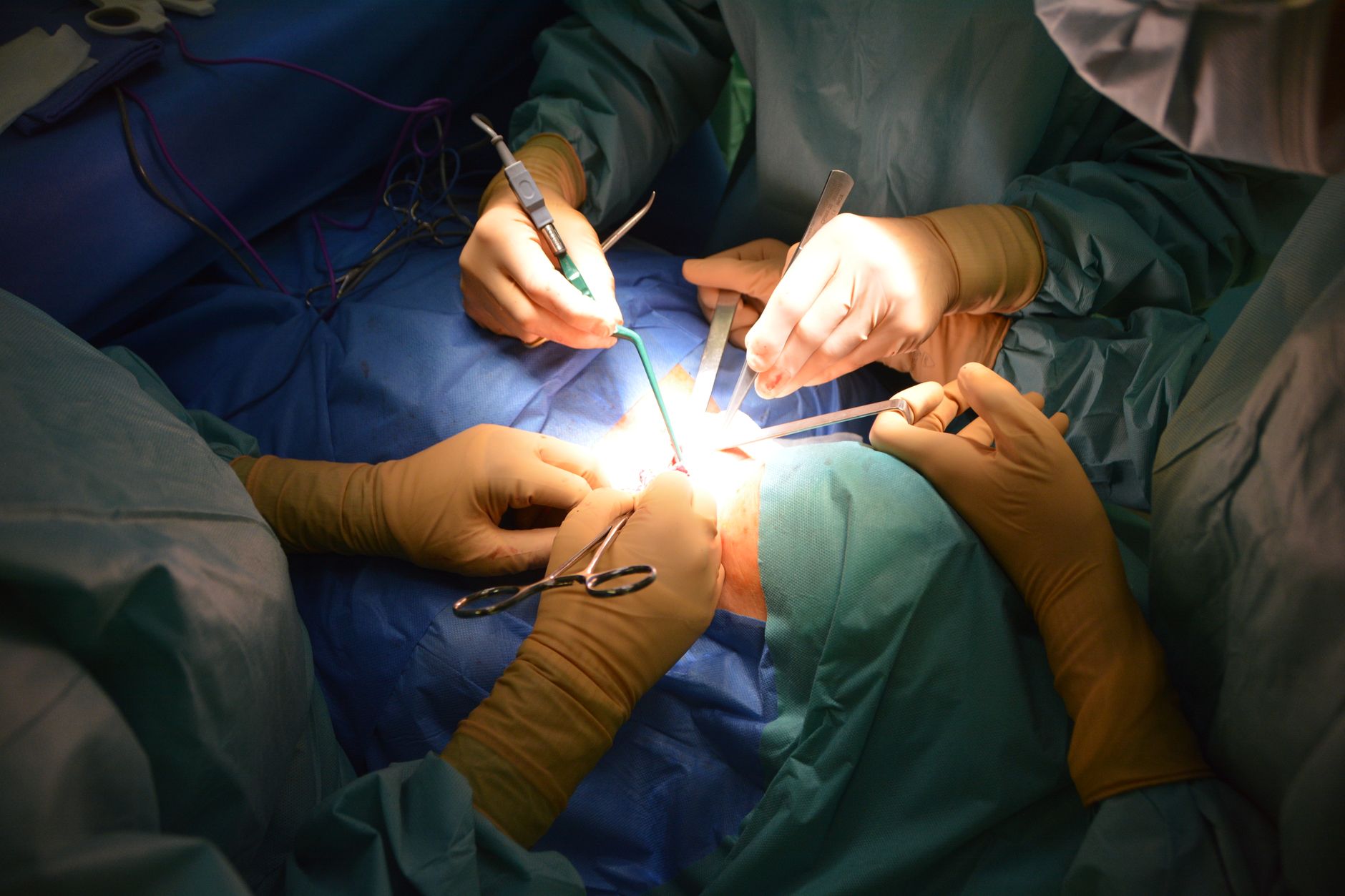
For patients who are not candidates for resective surgery or who continue to have seizures after surgery, neuromodulation offers promising alternatives. Two primary techniques are available in Türkiye: vagus nerve stimulation (VNS) and deep brain stimulation (DBS).
Vagus Nerve Stimulation (VNS)
VNS involves implanting a device under the skin in the chest that delivers electrical pulses to the vagus nerve in the neck. These pulses modulate brain activity and can reduce seizure frequency and severity. VNS is particularly suitable for patients with multifocal epilepsy or those who cannot undergo resective surgery. The procedure is minimally invasive, and most patients experience a reduction in seizures within months. Türkiye's centers have extensive experience with VNS, including the latest models with enhanced programming capabilities.
Deep Brain Stimulation (DBS)
DBS is a more recent addition to the epilepsy treatment arsenal. It involves implanting electrodes deep into specific brain regions (such as the anterior nucleus of the thalamus) and connecting them to a neurostimulator in the chest. DBS can significantly reduce seizure frequency in patients with drug-resistant epilepsy. Türkiye's functional neurosurgeons are highly skilled in DBS, using advanced stereotactic techniques and intraoperative imaging to ensure precision. The programming of DBS devices is tailored to each patient's needs, with regular follow-up to optimize settings.
Both VNS and DBS are offered within comprehensive epilepsy programs, where patients receive ongoing support, device management, and rehabilitation.
Why Choose Türkiye for Epilepsy and Functional Neurosurgery?
Türkiye has become a preferred destination for neurological care due to several factors:
- Expertise: Many Turkish neurosurgeons and neurologists have trained in leading centers in Europe and North America and are active in international research and collaborations.
- Technology: Hospitals are equipped with the latest diagnostic and surgical tools, including robotic surgery, intraoperative MRI, and advanced neuromodulation devices.
- Comprehensive Care: Multidisciplinary teams provide holistic care, from diagnosis to rehabilitation, with dedicated international patient departments to assist with travel, accommodation, and language support.
- Affordability: Compared to Western Europe and North America, treatment costs in Türkiye are significantly lower, without compromising quality.
- Cultural and Historical Richness: Patients and families can explore Türkiye's stunning landscapes, ancient sites, and warm hospitality, making the medical journey more pleasant.
Accreditation by international bodies such as JCI further attests to the quality and safety standards of many Turkish hospitals.
Regaining Control and Quality of Life: A Supportive Pathway
The ultimate goal of epilepsy and functional neurosurgery is to help patients regain control over their lives. Seizure reduction can lead to improved independence, better cognitive function, and enhanced social and occupational opportunities. Türkiye's centers emphasize a patient-centered approach, offering psychological support, educational resources, and rehabilitation services to facilitate this journey.
For families, the process can be reassuring, knowing that they are part of a compassionate team that understands the complexities of epilepsy. Many centers offer support groups and counseling to help families cope with the emotional and practical challenges.
In conclusion, Türkiye stands at the forefront of advanced epilepsy and functional neurosurgery, offering hope through cutting-edge treatments like VNS and DBS. With its skilled professionals, state-of-the-art facilities, and comprehensive care, Türkiye provides a modern, supportive pathway for patients and families to regain control and improve their quality of life.
Thinking about treatment in Turkey?
Send us a question about this site or about the information published on it. This is a publisher's mailbox, not a medical service and not a route to a particular provider — for clinical questions, contact your own doctor.