
Introduction: A New Chapter Beyond Seizures
For millions of people living with epilepsy, the unpredictability of seizures can overshadow every aspect of life—work, relationships, travel, and simple daily routines. But for a growing number of patients, especially those whose seizures do not respond to medication, surgery offers something extraordinary: the chance to become seizure-free and reclaim independence. Türkiye has emerged as a global destination for comprehensive epilepsy care, blending cutting-edge technology with compassionate, patient-centred teams. In cities like Istanbul, Ankara and Izmir, specialised epilepsy centres bring together neurologists, neurosurgeons, neuropsychologists and radiologists who work under one roof. This coordinated approach means international patients can undergo a thorough evaluation and receive a personalised surgical plan—often within a single visit.
If you or a loved one has been told that surgery is the next step, or if you are simply exploring options beyond medication, Türkiye's epilepsy centres offer hope grounded in science and experience. This guide explains what makes these centres stand out, how the evaluation process works, and why so many patients leave with renewed confidence and a clearer path to seizure freedom.
Why Türkiye Leads in Epilepsy Surgery
Türkiye has invested heavily in neuroscience infrastructure over the past two decades. Many university hospitals and private medical centres now house dedicated epilepsy monitoring units (EMUs) with round-the-clock video-EEG surveillance, state-of-the-art MRI and PET imaging, and intraoperative navigation systems. Surgeons perform hundreds of epilepsy procedures annually, from temporal lobe resections to minimally invasive laser ablation and responsive neurostimulation. This volume translates into refined technique and better outcomes.
Another advantage is accessibility. Türkiye's medical tourism ecosystem is well-developed, with international patient departments that handle visa letters, airport transfers, language interpretation and accommodation near the hospital. Costs for comprehensive evaluation and surgery are often significantly lower than in Western Europe or North America, without compromising quality. Many centres are accredited by international bodies, and their physicians frequently train and present at global conferences.
Perhaps most importantly, Turkish epilepsy teams embrace a holistic philosophy. They understand that seizure freedom is not just about removing a lesion—it is about restoring a person's ability to drive, study, work and dream. That ethos shapes every step of the journey.
The Power of Advanced Imaging and Video-EEG Monitoring
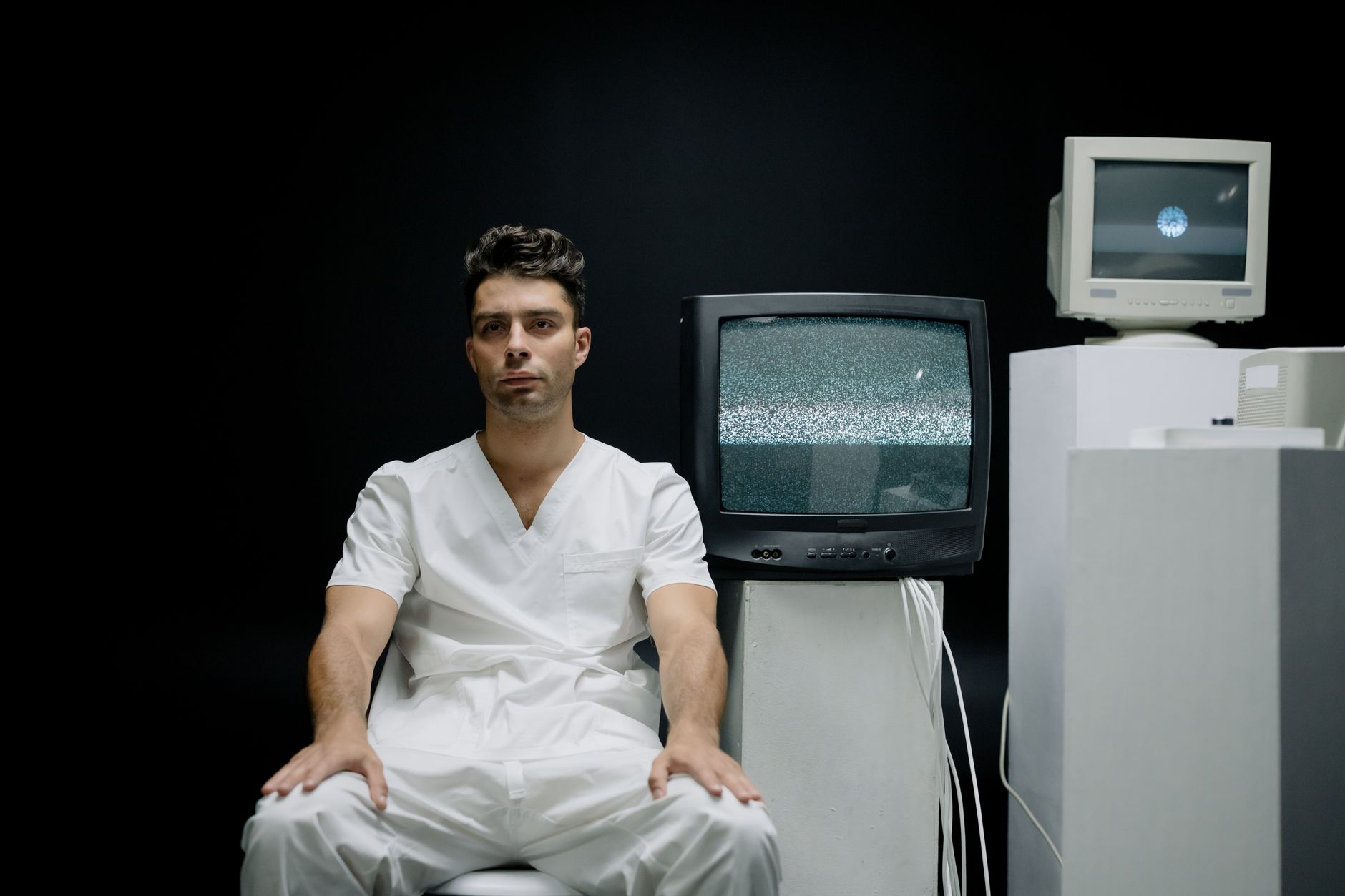
Before any surgery, the epilepsy team must answer two critical questions: Where exactly do seizures begin, and will removing that area cause harm? Türkiye's centres excel at this diagnostic puzzle. Patients are admitted to a video-EEG monitoring unit for several days. While continuous EEG records brain activity, synchronised cameras capture the visible signs of seizures. Nurses and technologists taper anti-seizure medications safely to provoke typical events, ensuring the team sees the real pattern.
In parallel, high-resolution MRI (often 3-Tesla or 7-Tesla) detects subtle structural abnormalities such as hippocampal sclerosis, cortical dysplasia or cavernous malformations. When MRI is inconclusive, PET, SPECT and functional MRI map metabolic activity and eloquent cortex. Magnetoencephalography (MEG) and electrical source imaging may also be used in select centres. These tools create a three-dimensional model of the epileptogenic zone and its relationship to language, memory and motor functions.
Neuropsychologists assess cognitive strengths and weaknesses, while psychiatrists screen for mood disorders that can affect recovery. The result is a comprehensive, multidisciplinary case review. Each specialist contributes to a consensus recommendation, so patients and families receive a clear explanation of risks, benefits and expected outcomes. This level of detail is why Türkiye's epilepsy surgery results rival the world's best.
Surgical Options Tailored to You
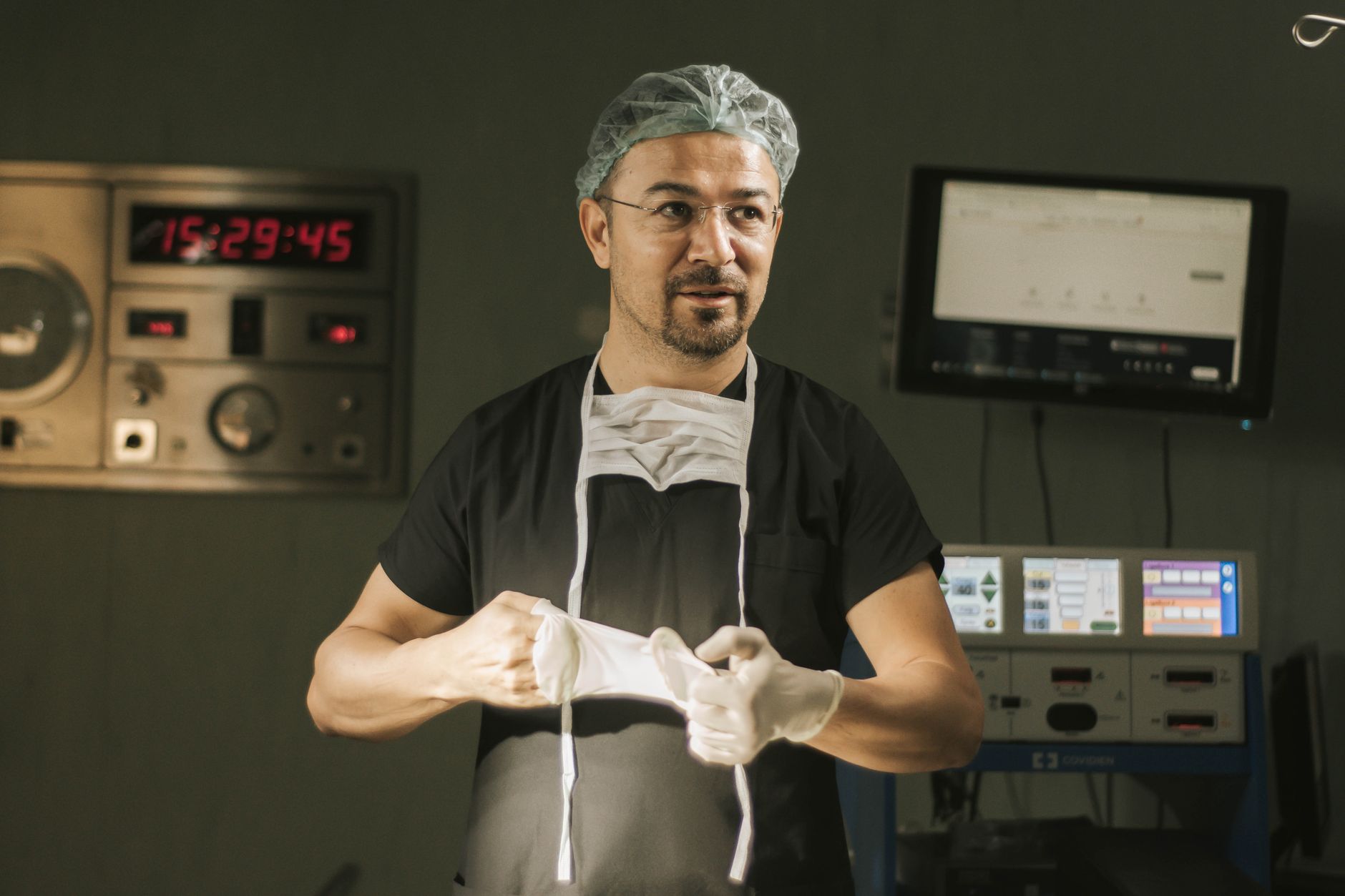
Not every patient needs the same operation. Türkiye's neurosurgeons are skilled in a full spectrum of procedures. For temporal lobe epilepsy, the most common surgically treatable form, standard anterior temporal lobectomy or selective amygdalohippocampectomy can yield seizure freedom in 60–80% of well-selected cases. For lesions in eloquent cortex, awake craniotomy with direct electrical stimulation allows the surgeon to remove abnormal tissue while preserving speech and movement.
Minimally invasive options are also available. MRI-guided laser interstitial thermal therapy (LITT) uses a small fiber optic probe to ablate deep-seated lesions through a tiny incision, often with faster recovery. Responsive neurostimulation (RNS) and vagus nerve stimulation (VNS) are alternatives for patients who are not candidates for resection. Stereoelectroencephalography (SEEG) with depth electrodes helps pinpoint deep or complex seizure onsets before a tailored resection or ablation.
Each plan is personalised. The team considers seizure type, lesion location, cognitive profile, age and personal goals. A teenager hoping to finish school without interruptions may be offered a different strategy than a grandparent seeking to reduce fall risk. Throughout, the emphasis is on safety, precision and restoring quality of life.
Your Coordinated Visit: Step by Step
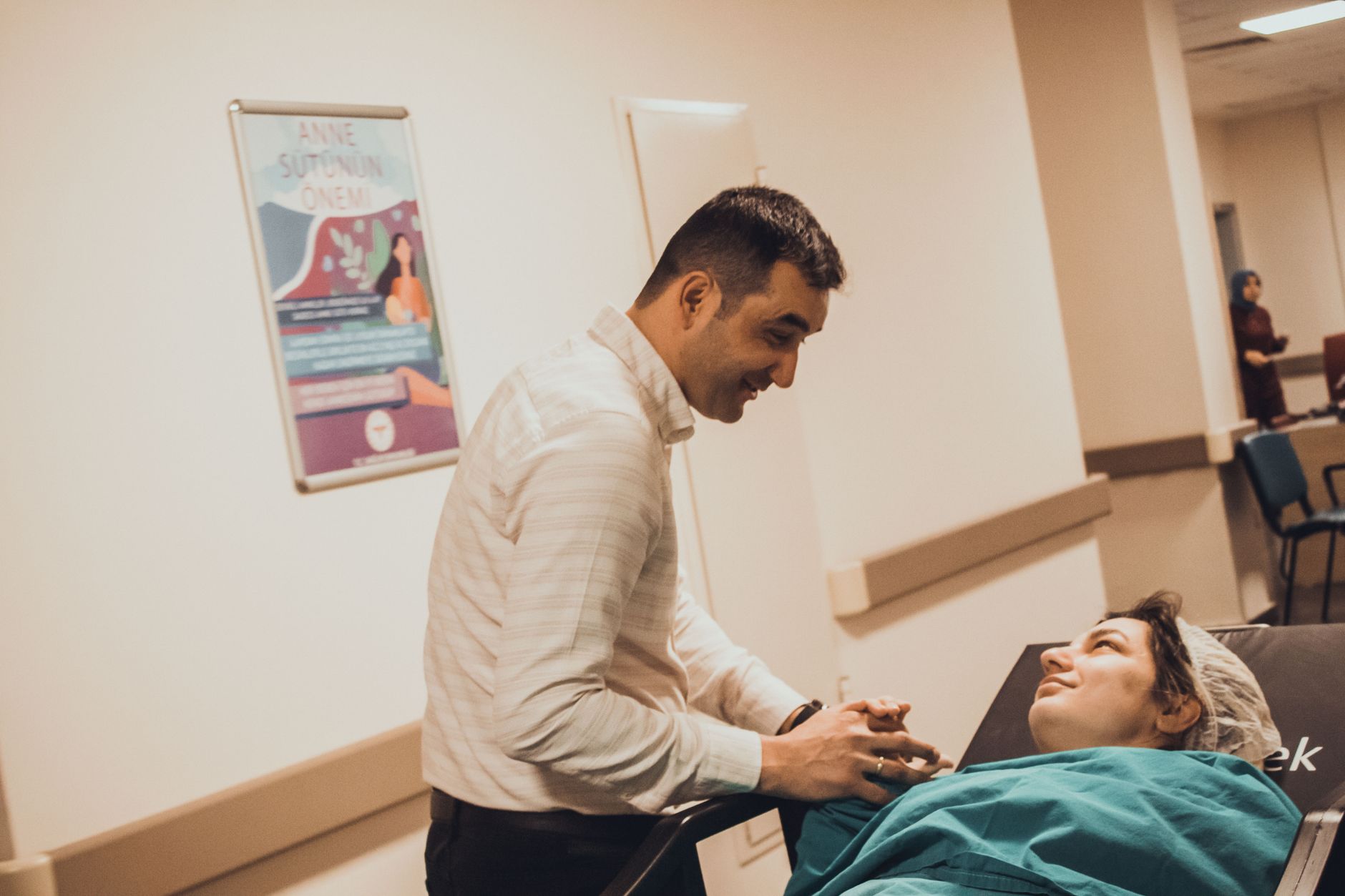
International patients often wonder how to navigate evaluation and surgery in a foreign country. Türkiye's centres streamline the process. Typically, you begin by sending your medical records—MRI images, EEG reports, medication history and a brief video of a typical seizure—to the international patient coordinator. A neurologist reviews the file and proposes a preliminary plan, often within a few days.
You then travel to Türkiye for a concentrated evaluation, usually lasting 7–14 days. This includes video-EEG admission, imaging, neuropsychological testing and consultations. At the end of this period, the multidisciplinary team meets with you and your family to discuss whether surgery is appropriate, which procedure is recommended, and what results to expect. If you decide to proceed, surgery is often scheduled within the same trip or shortly after, depending on medical readiness.
After surgery, you spend a few days in the hospital and about a week nearby for follow-up. The team provides a detailed recovery plan, medication guidance and telemedicine check-ins for when you return home. Many centres also offer rehabilitation services, including cognitive therapy and physiotherapy, to support a smooth return to daily life.
Life After Seizure Freedom: Renewed Independence
The goal of epilepsy surgery is not just fewer seizures—it is a transformed life. Patients who become seizure-free often regain their driving licence, return to work or school, and pursue hobbies they had abandoned. They may reduce or eventually stop anti-seizure medications under medical supervision, diminishing side effects like fatigue or brain fog. Families report less anxiety and more spontaneity, from planning holidays to simply sleeping through the night.
Even when seizures are significantly reduced rather than eliminated, the improvement can be life-changing. Better seizure control means fewer injuries, less stigma and greater confidence. Türkiye's centres follow patients long-term, adjusting care as needed and celebrating milestones along the way. Many international patients stay in touch through annual telemedicine visits, grateful for the second chance they found.
It is important to have realistic expectations. Surgery is not for everyone, and outcomes vary. But for appropriately selected candidates, the odds of meaningful improvement are high. Türkiye's comprehensive approach maximises those odds by leaving no diagnostic stone unturned and by tailoring every intervention to the individual.
Practical Tips for International Patients
Planning medical travel can feel overwhelming, but a few practical steps ease the way. First, gather your records early: recent MRI and EEG reports, a list of medications with dosages, and a seizure diary. Ask your home neurologist to write a summary letter. Second, communicate openly with the international coordinator about your goals, fears and budget. They can provide a cost estimate that includes evaluation, surgery, hospital stay and follow-up.
Third, consider logistics. Most hospitals are close to international airports, and patient services can arrange airport pickup, translator services and hotel bookings for you and a companion. Turkish hospitality is legendary, and many coordinators speak English, Arabic, Russian, German or French. Fourth, plan for recovery time. You will need a companion for at least the first week after surgery and should avoid strenuous activity for several weeks. Finally, keep an open line with your local neurologist so they can continue your care after you return.
Türkiye's epilepsy centres are ready to welcome you with expertise and warmth. If seizures have limited your life, a comprehensive evaluation could open the door to freedom. Take the first step today—your future self will thank you.
Thinking about treatment in Turkey?
Share your contact details and a verified doctor will follow up with a plan built around you — free, no obligation.