

Why Türkiye Has Become a Destination for Fertility-Preserving Gynaecology
For many women, the hardest part of a diagnosis like fibroids, endometriosis or polycystic ovary syndrome (PCOS) is not the name of the condition. It is the fear of being told that the only real solution is a surgery that closes the door on having children. Türkiye has quietly become one of the world's most trusted destinations for women who refuse to accept that trade-off.
Istanbul and Ankara are home to high-volume gynaecology departments where laparoscopic surgeons perform hundreds of fertility-sparing procedures each year. These are not general hospitals adding a women's health wing; they are dedicated teams who operate on complex endometriosis, large fibroids and PCOS-related ovarian conditions week after week.
What makes the Turkish model distinctive is the combination of three things: advanced minimally invasive surgical skill, a deeply embedded culture of fertility preservation, and a healthcare system that treats international patients as individuals rather than case numbers. For women arriving from Europe, the Gulf, Central Asia and beyond, that combination feels less like a gamble and more like a considered plan.
This guide walks through what each condition involves, how Turkish surgeons approach it, and why so many international patients leave with both symptom relief and their family plans intact.
Fibroids: Removing the Problem Without Removing the Possibility
Uterine fibroids are the most common benign tumours in women of reproductive age, and they are a leading reason for heavy bleeding, pelvic pressure and, in some cases, difficulty conceiving or carrying a pregnancy. The traditional answer in many countries has been hysterectomy — removing the uterus entirely. In Türkiye, that is usually treated as a last resort, not a first option.
Turkish gynaecologists specialise in myomectomy, the surgical removal of fibroids while preserving the uterus. The most advanced centres perform this laparoscopically or robotically, using tiny incisions instead of a large abdominal cut. Blood loss is carefully managed, and surgeons use techniques such as temporary uterine artery occlusion to keep the operative field clear and protect healthy tissue.
The key question for any woman considering myomectomy is not only "can the fibroids be removed?" but "can the uterus be reconstructed so it can safely carry a pregnancy?" Turkish teams take this seriously. They map each fibroid by size, location and depth before surgery, then plan the incision lines to minimise scarring to the uterine wall. In many cases, patients are advised to wait a defined period after surgery before trying to conceive, and the surgeon explains exactly why.
International patients often arrive with fibroids that have been described elsewhere as "too large" or "too numerous" for laparoscopic removal. High-volume Turkish centres frequently accept these cases, because their surgeons have the cumulative experience to judge what is genuinely unsafe and what simply requires more time and skill. That distinction matters enormously to a woman who wants both relief and a future pregnancy.

Endometriosis: Deep Expertise in a Condition That Is Often Missed
Endometriosis is one of the most under-diagnosed conditions in women's health. It can take years, sometimes a decade, to be identified, and even then the treatment offered is often hormonal suppression rather than definitive surgery. Turkish gynaecology teams have built much of their reputation on endometriosis, particularly deep infiltrating endometriosis (DIE), which involves tissue growing into the bowel, bladder, ligaments or other structures.
Excision surgery — completely removing endometriotic lesions rather than burning or ablating them — is the gold standard at leading Turkish centres. These procedures are frequently laparoscopic, meaning recovery is faster and hospital stays are shorter than with open surgery. Crucially, the surgeons are trained to work around the ovaries, fallopian tubes and pelvic nerves with precision, protecting ovarian reserve and preserving fertility whenever the clinical picture allows.
Endometriosis surgery is a team sport in the best Turkish hospitals. Colorectal surgeons, urologists and gynaecologists may operate together when the disease involves the bowel or urinary tract. This multidisciplinary approach reduces the risk of incomplete excision and lowers the chance of recurrence — both of which directly affect a woman's ability to conceive naturally or with assisted reproduction later.
Many international patients come to Türkiye after being told their endometriosis is "manageable" but not operable. In experienced hands, the question shifts from whether it can be operated on to how much healthy tissue can be preserved. Turkish surgeons are candid: they explain what can be removed safely, what cannot, and how the surgery is likely to affect ovarian reserve and future fertility. That honesty is a large part of why patients trust them.
PCOS: Beyond the Diagnosis to a Realistic Fertility Plan
Polycystic ovary syndrome is not primarily a surgical condition, and Turkish specialists are careful not to over-operate. PCOS is a hormonal and metabolic disorder, and the first line of care usually involves lifestyle support, insulin-sensitising medication and ovulation induction. Surgery such as laparoscopic ovarian drilling is reserved for specific cases, typically when other treatments have failed.
Where Turkish teams excel is in coordinating the full picture. A woman with PCOS may see a gynaecologist, an endocrinologist, a dietitian and a fertility specialist within the same institution. Bloodwork, ultrasound monitoring and ovulation tracking are integrated, so treatment decisions are based on current data rather than on a single consultation months ago.
For international patients, this coordination is invaluable. PCOS care is often a matter of timing — adjusting medication, monitoring follicle growth, deciding when to attempt conception or move to IVF. Having a team that responds quickly and communicates clearly in English (and often Arabic, Russian or German) removes much of the logistical stress that can otherwise derail treatment.
Ovarian drilling, when performed, is done laparoscopically and with strict attention to preserving ovarian reserve. The goal is not to "fix" the ovaries but to restore a more regular ovulatory pattern, buying time for natural conception or improving the response to fertility medication. Turkish surgeons are transparent about success rates and about when surgery is genuinely the right choice versus when it may cause more harm than good.
Advanced Laparoscopy and Fertility Preservation in Practice
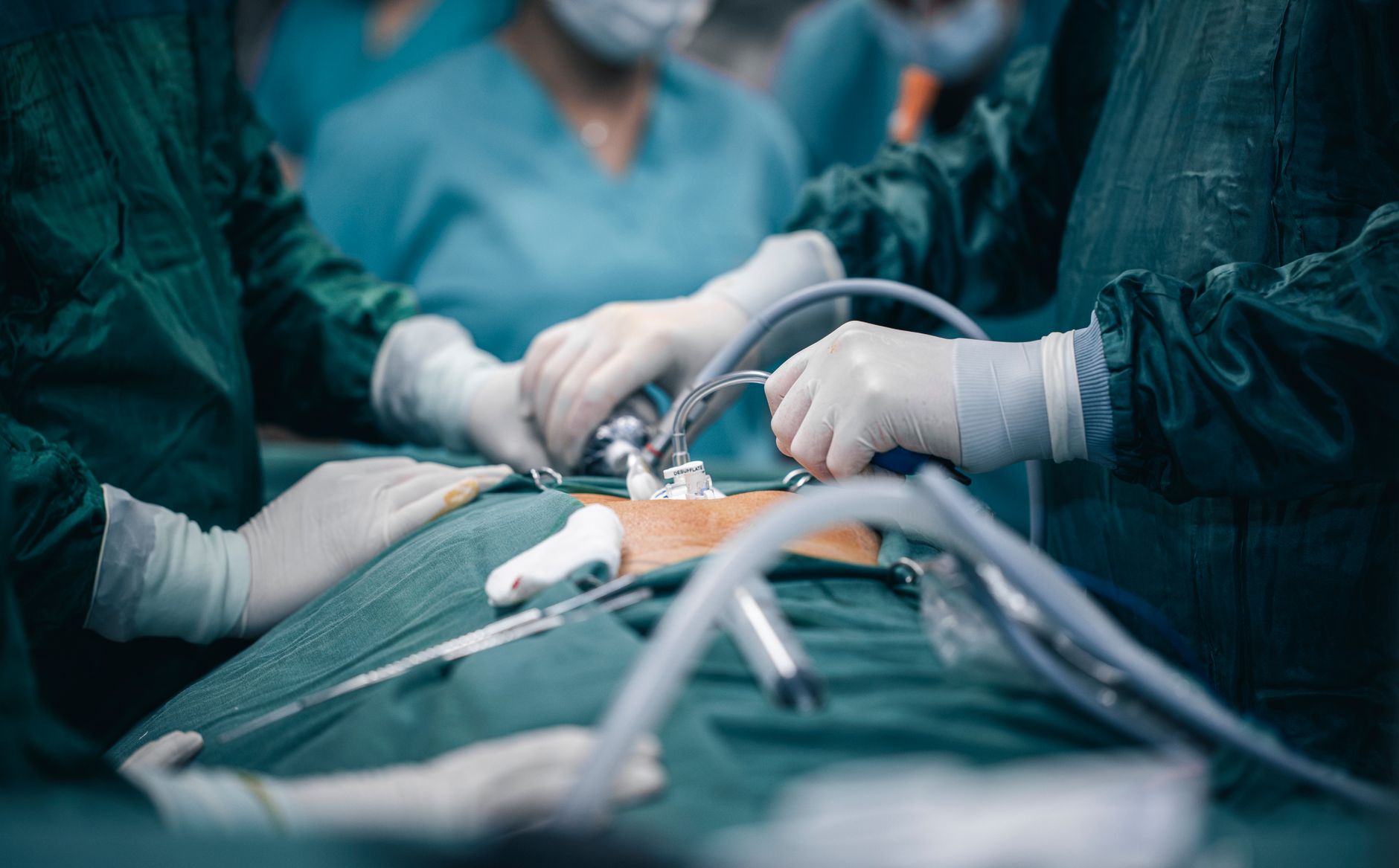
The unifying strength of Turkish gynaecology is laparoscopic technique. Minimally invasive surgery is now standard for fibroids, endometriosis, ovarian cysts and many other conditions, and the benefits are real: smaller scars, less pain, shorter hospital stays and a faster return to normal life. For international patients, this matters practically — most can fly home within a week or two of surgery, often with a clear follow-up plan already in place.
Fertility preservation is not an afterthought; it is threaded through every step. Before surgery, Turkish teams assess ovarian reserve with AMH testing and antral follicle counts. During surgery, they use techniques to minimise thermal damage to ovarian tissue and to avoid unnecessary removal of healthy ovary. After surgery, they advise on the ideal window for conception and coordinate with fertility specialists when assisted reproduction is needed.
Some patients also choose to undergo egg freezing before surgery, particularly if ovarian surgery is planned or if the condition itself may reduce ovarian reserve over time. Turkish clinics offer this in-house, which means the gynaecologist and fertility team work from the same ultrasound images and the same operative notes. That continuity is difficult to replicate when care is split across different countries and providers.
The result is a model of care that is both aggressive enough to treat the disease and conservative enough to protect the future. Women are not asked to choose between feeling better now and having a child later. In competent Turkish hands, both goals are pursued together, with realistic expectations and honest counselling at every stage.
What International Patients Can Expect: Costs, Coordination and Comfort
Cost is a significant factor for many women considering surgery abroad, and Türkiye is transparent and competitive. A laparoscopic myomectomy, endometriosis excision or ovarian procedure that might cost tens of thousands of euros in Western Europe or North America is often available at a fraction of that price in Istanbul or Ankara, without compromising on surgeon experience or technology.
International patient departments handle the logistics: airport transfers, translation, hospital admission, accommodation for companions and follow-up appointments. Many hospitals have dedicated coordinators who respond to enquiries within a day and provide a written treatment plan with costs before the patient commits. Video consultations are standard, so women can speak directly with their surgeon before travelling.
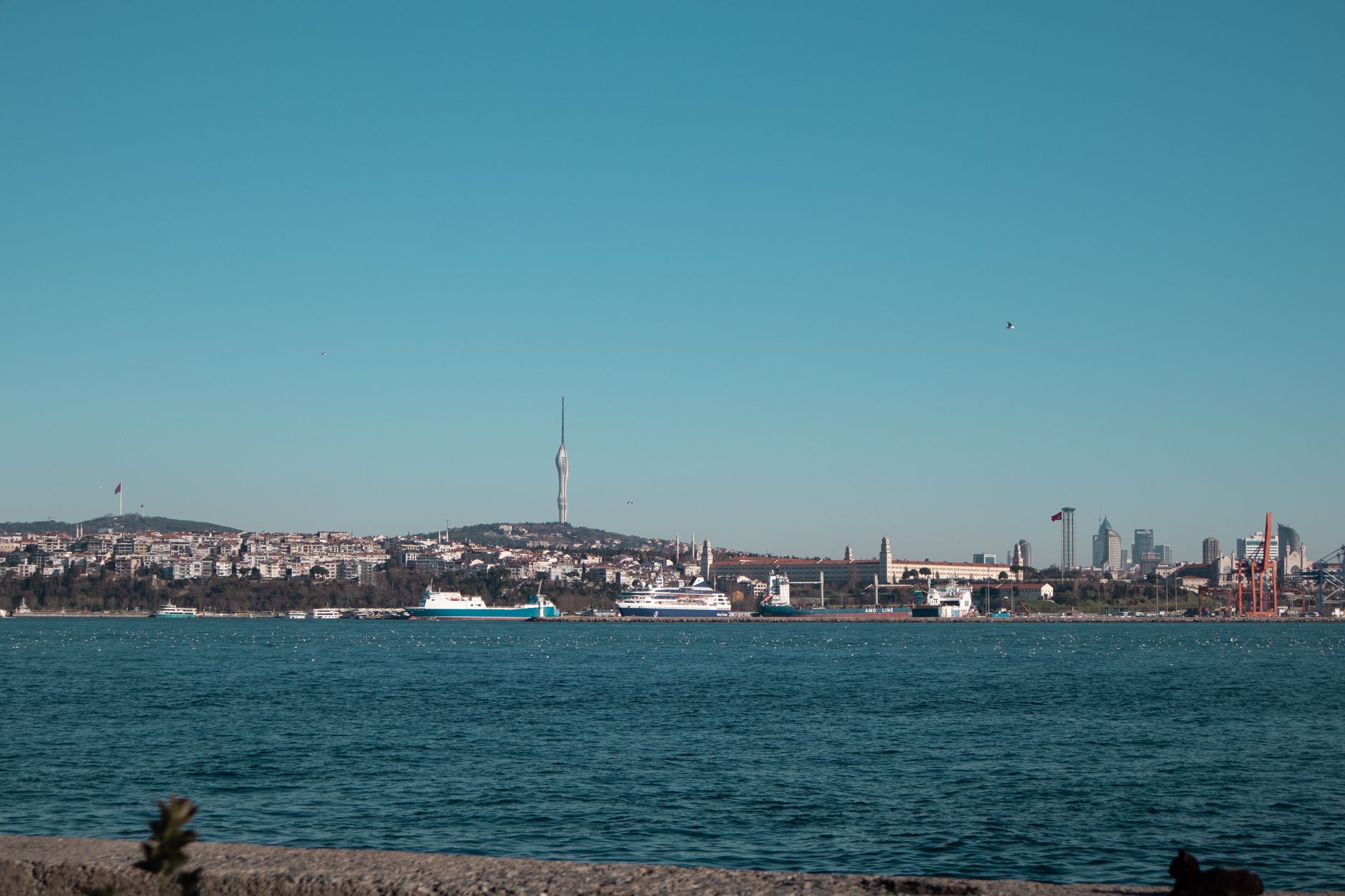
Recovery facilities are modern and comfortable, and Istanbul itself is a city that makes the experience easier. Between appointments, patients and their families can rest in quiet hotels, walk along the Bosphorus or explore the city's historic districts at an unhurried pace. For many, the journey becomes not only a medical trip but a genuinely restorative one.
The most important advice for anyone considering fertility-preserving surgery in Türkiye is to ask detailed questions: What is your experience with this specific condition? How many of these procedures do you perform each year? What is your approach to preserving ovarian reserve? What are the realistic chances of pregnancy afterward? Good Turkish surgeons welcome these questions and answer them with data, not slogans.
Moving Forward with Confidence
A diagnosis of fibroids, endometriosis or PCOS can feel like a verdict on the future. Türkiye's leading gynaecology teams have built their reputations on proving that it does not have to be. By combining advanced laparoscopic skill with a genuine commitment to fertility preservation, they offer international women something increasingly rare: treatment that addresses the pain and the plans together.
Whether the goal is to reduce heavy bleeding, to excise deeply infiltrating endometriosis or to restore ovulation in PCOS, the approach is the same — careful diagnosis, minimally invasive surgery where appropriate, and a clear pathway toward conception if and when the patient is ready. Nothing is promised that cannot be delivered, and nothing is taken away that can be safely preserved.
For women who have been told elsewhere that surgery means the end of their fertility journey, Türkiye represents a different conversation. It is a conversation built on surgical precision, honest counselling and respect for the life a patient hopes to build. That, more than any single technique, is what makes Turkish gynaecology worth considering.
Thinking about treatment in Turkey?
Share your contact details and a verified doctor will follow up with a plan built around you — free, no obligation.