

Why Türkiye Leads in Laparoscopic Gallbladder Surgery
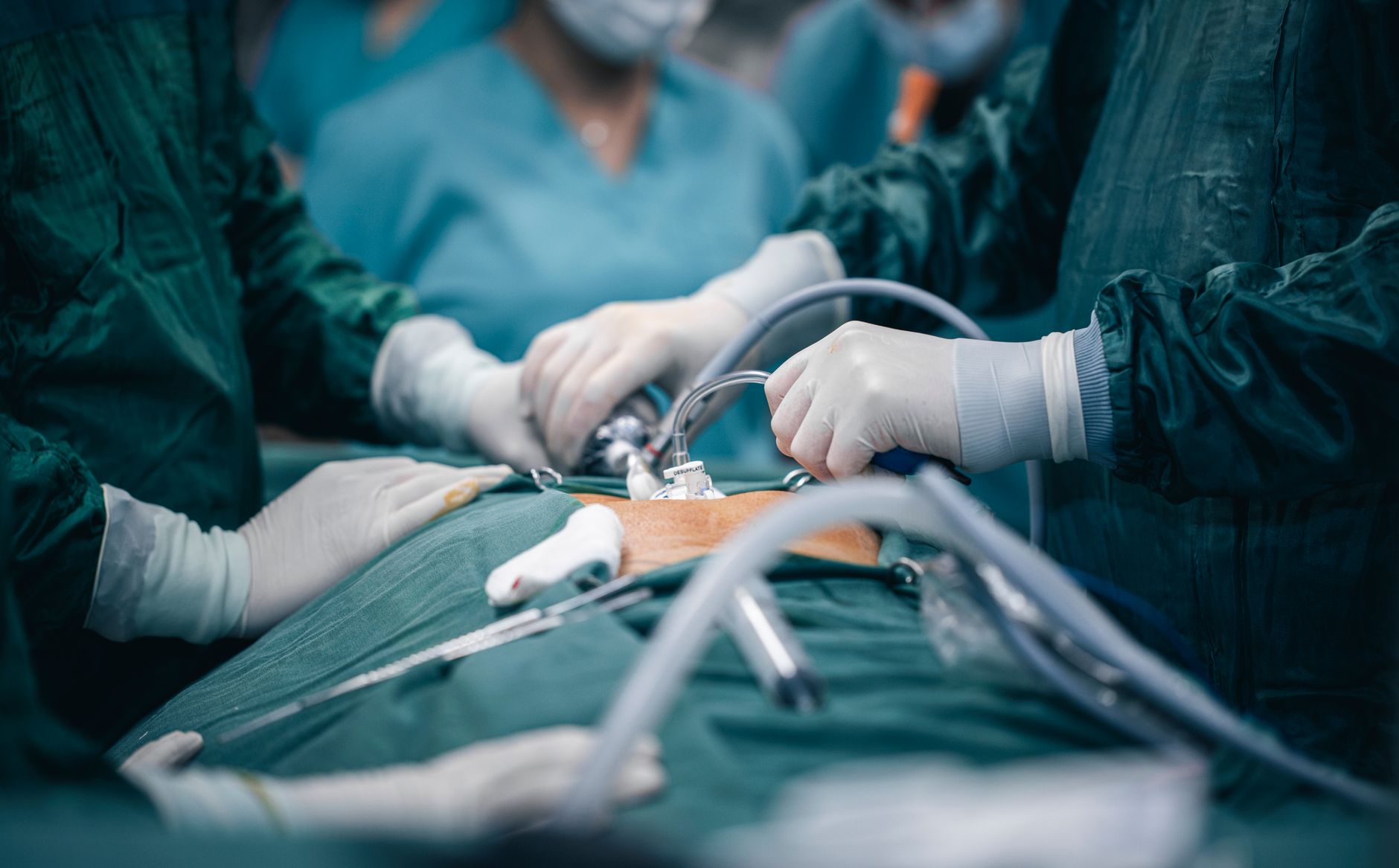
Gallbladder removal, known medically as cholecystectomy, is one of the most frequently performed abdominal operations worldwide. In Türkiye, this procedure has reached an exceptional level of refinement: most hospitals now use the laparoscopic approach as standard, meaning four tiny incisions instead of one large cut, significantly less post-operative pain, and a faster return to normal life.
The country's surgical infrastructure has grown rapidly over the past two decades. Istanbul alone hosts dozens of JCI-accredited private hospitals, many of which treat international patients as a core part of their daily work. Surgeons here perform thousands of gallbladder operations each year, and the learning curve that comes with that volume translates into consistent, predictable outcomes.
What surprises many patients is the waiting time — or rather, the lack of it. While public systems in parts of Europe and North America can place non-urgent gallbladder surgery months down the line, Turkish hospitals can typically schedule a procedure within days of a confirmed diagnosis. For someone living with recurring biliary colic, that difference is not administrative — it is life-changing.
A Low-Risk Procedure in High-Standard Hands
Laparoscopic cholecystectomy is considered a routine, low-risk operation when performed by experienced teams. The gallbladder is a small pear-shaped organ that stores bile; once it develops stones or inflammation, removing it is often the definitive solution. The body adjusts smoothly to its absence, and most patients resume a normal diet within weeks.
Turkish hospitals follow international safety protocols closely. Pre-operative imaging, anesthesia assessment, and post-operative monitoring are standardized, and many facilities use enhanced recovery after surgery (ERAS) pathways that get patients walking and eating sooner. The result is often a hospital stay of just one to two nights.
For medical travelers, this reliability matters. You are not experimenting with an unproven treatment — you are accessing a well-established procedure in a well-equipped setting, frequently at a fraction of the cost quoted elsewhere. That combination of familiarity and affordability is exactly why Türkiye has become a magnet for this kind of surgery.
“The operation itself is common; what sets a destination apart is the system around it — the diagnostics, the nursing care, the follow-up. Türkiye has built that system deliberately.”
Combining Surgery with a Full Digestive Health Check
Gallbladder problems rarely exist in isolation. Stones, bile duct issues, reflux, gastritis, and irritable bowel symptoms can overlap, and a single complaint may mask a broader digestive picture. This is where medical travel to Türkiye offers a genuine advantage: the chance to combine gallbladder surgery with a comprehensive gastrointestinal evaluation during the same trip.
A typical digestive health package may include abdominal ultrasound, upper endoscopy (gastroscopy), colonoscopy where indicated, liver and pancreatic function blood panels, H. pylori testing, and, if needed, advanced imaging such as MRCP. Because these tests are coordinated by one clinical team, results come back quickly and are interpreted together rather than in fragments.
For patients who have endured months of vague abdominal discomfort, this integrative approach can finally produce clear answers. Instead of treating a single symptom, the medical team can map the entire digestive tract and design a plan that addresses the root causes.

How a Single Trip Comes Together
Most medical travelers begin with a remote consultation. You share your symptoms, imaging, and medical history; a Turkish gastroenterologist or surgeon reviews them and proposes a diagnostic and treatment plan. If surgery is appropriate, a date is set — often within one to three weeks.
On arrival, the first one or two days are dedicated to confirmatory tests and pre-anesthetic checks. Surgery typically follows on day two or three, with a short hospital stay. The remaining days allow for recovery, a post-operative review, and any additional digestive screenings that were scheduled in parallel.
This compressed timeline means a gallbladder operation and a thorough digestive work-up can be completed in a single journey of roughly one to two weeks. Patients often use the recovery period to rest in a comfortable hotel, and many hospitals provide interpreter services, airport transfers, and coordinated aftercare instructions for when you return home.
What Recovery Looks Like
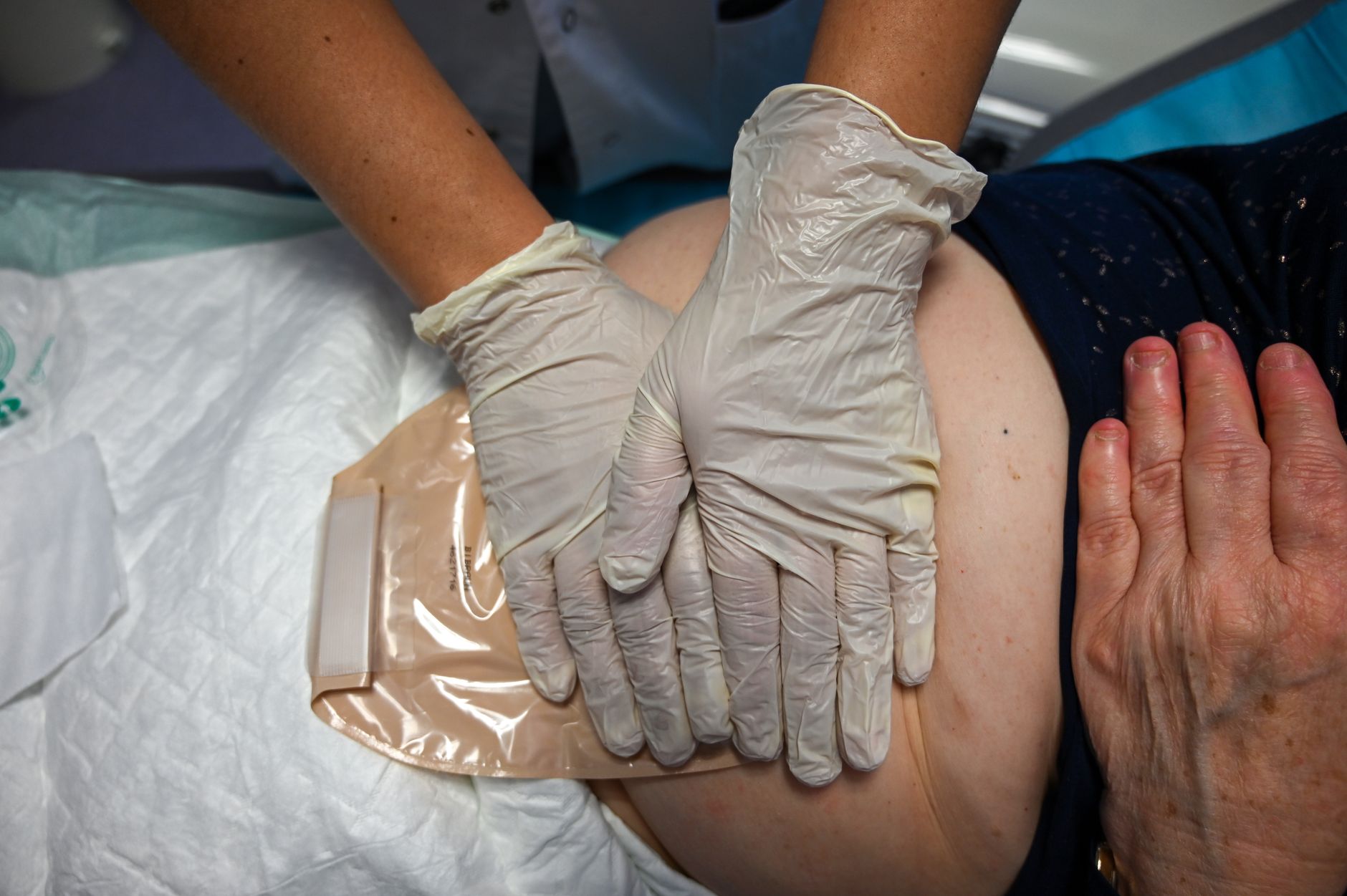
After laparoscopic gallbladder surgery, most patients are up and walking within hours. Shoulder discomfort from the gas used during surgery is common but temporary. A light diet is usually resumed quickly, and heavy lifting is avoided for a few weeks.
Turkish surgical teams typically provide clear written aftercare guidance, including dietary advice, wound care, and warning signs to watch for. Follow-up can be conducted remotely once you are back in your home country, with your local doctor receiving a full operative report and discharge summary.
The key message is reassuring: this is a well-tolerated operation, and the vast majority of patients recover without complications. Pairing it with a digestive health check simply means you leave with a more complete understanding of your body than when you arrived.

Why Istanbul Medical Tourism for Your Journey
Organizing surgery abroad can feel daunting, but the right coordination removes most of the friction. Istanbul Medical Tourism works with accredited hospitals and experienced surgeons to match each patient with the appropriate specialist, arrange transparent pricing, and support you before, during, and after treatment.
From the first inquiry to the final follow-up, the focus stays on clarity: what the procedure involves, what the digestive screening will cover, how long you will stay, and what your recovery will require. There are no surprises — just a calm, confident path to better digestive health.
If you have been told you need gallbladder surgery, or if persistent digestive symptoms remain unexplained, Türkiye offers a practical, high-standard solution. One trip, one coordinated team, and a clear plan for moving forward.
Thinking about treatment in Turkey?
Send us a question about this site or about the information published on it. This is a publisher's mailbox, not a medical service and not a route to a particular provider — for clinical questions, contact your own doctor.