

Turkish Hospitality Begins on the Plate
If you are planning medical treatment in Turkey, you have probably spent weeks researching surgeons, hospitals and recovery timelines. But somewhere on that list is a quieter question: what will I actually eat? For patients managing coeliac disease, diabetes, food allergies or the delicate nutritional needs that follow surgery, this is not a small detail. Food is medicine during recovery, and in Turkish hospitals, it is treated that way.
Turkey is famous for its hospitality — the famous misafirperverlik that treats every guest as a gift. What surprises many international patients is how naturally this extends to the hospital tray. Dietitians, nurses and international patient coordinators routinely adapt menus for gluten-free, diabetic, low-sodium, allergen-free and religious dietary requirements. A coeliac patient is not told to "just pick around the bread"; a diabetic patient is not handed a standard dessert and wished good luck.
In this guide, we will walk through how special meal requests actually work in Turkish hospitals, why they matter for healing and blood-sugar stability, and the simple practical steps you can take before you even board your flight.
Why Hospital Food Matters More Than You Think
After surgery, your body is in a state of controlled stress. It needs protein to rebuild tissue, vitamins and minerals to support immunity, and — crucially — stable blood sugar to avoid complications. The wrong meal is not just disappointing; it can delay wound healing, spike glucose levels, or trigger an autoimmune reaction in coeliac patients.
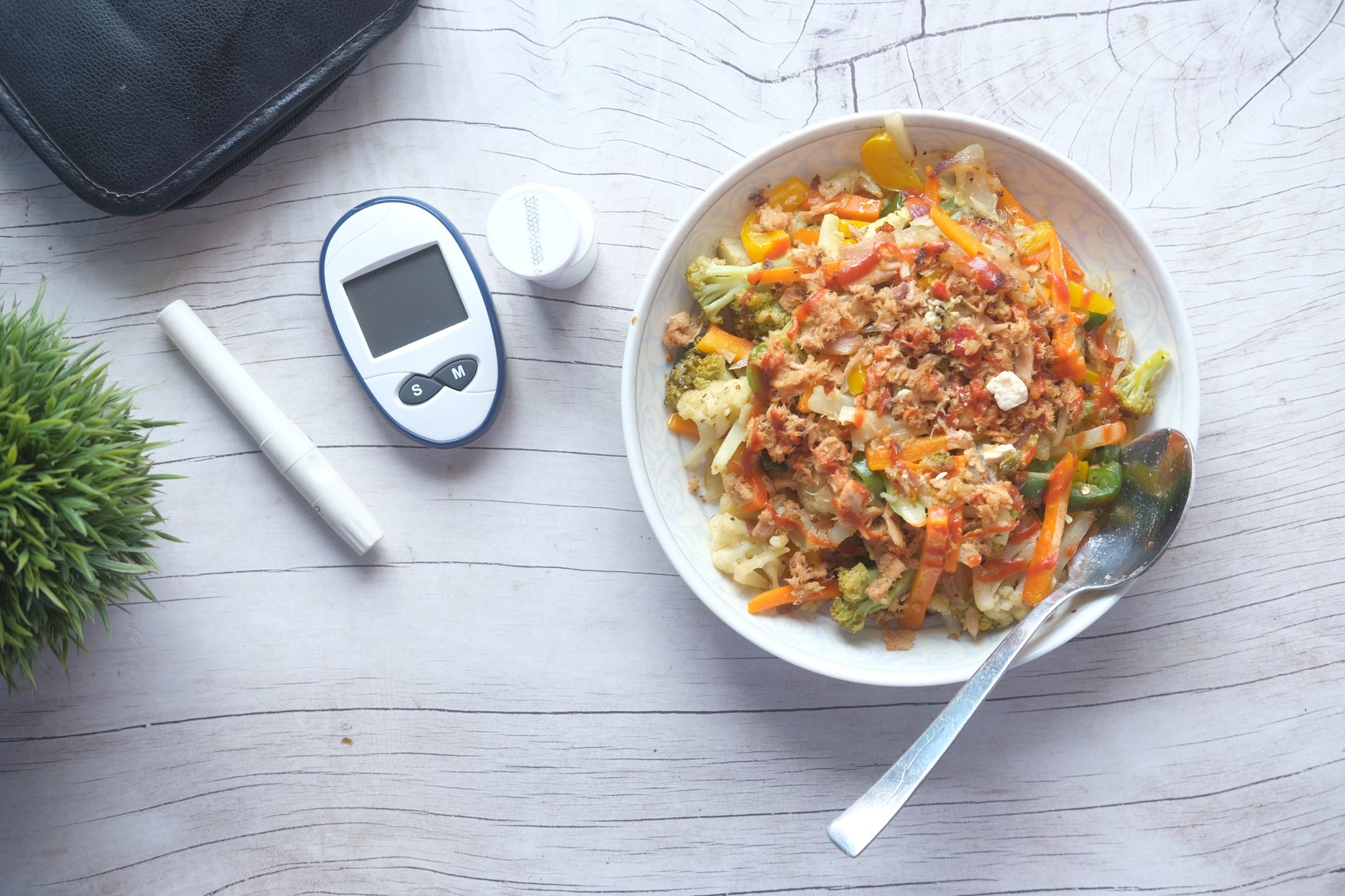
For people with diabetes, hospitalisation itself can unsettle glucose control. Surgery, anaesthesia, pain, stress hormones and altered routines all push blood sugar upward. Meals that are high in refined carbohydrates or sugary drinks can turn a manageable situation into a rollercoaster. Conversely, a well-planned diabetic tray — built around vegetables, lean protein, healthy fats and controlled portions of complex carbohydrates — supports steady recovery.
For coeliac patients, even tiny traces of gluten can cause intestinal inflammation, malabsorption and discomfort at the worst possible time. And for post-operative patients in general, the goal is gentle, nutrient-dense food that is easy to digest and rich in the building blocks of repair.
This is why Turkish hospitals take dietary requests seriously. It is not about being fussy; it is about clinical outcomes.
How Turkish Hospitals Handle Special Meal Requests
Most accredited Turkish hospitals — particularly those in Istanbul, Ankara and Izmir that serve international patients — have a structured system for dietary needs. The process usually involves three key players: the dietitian, the ward nurse and the international patient office.
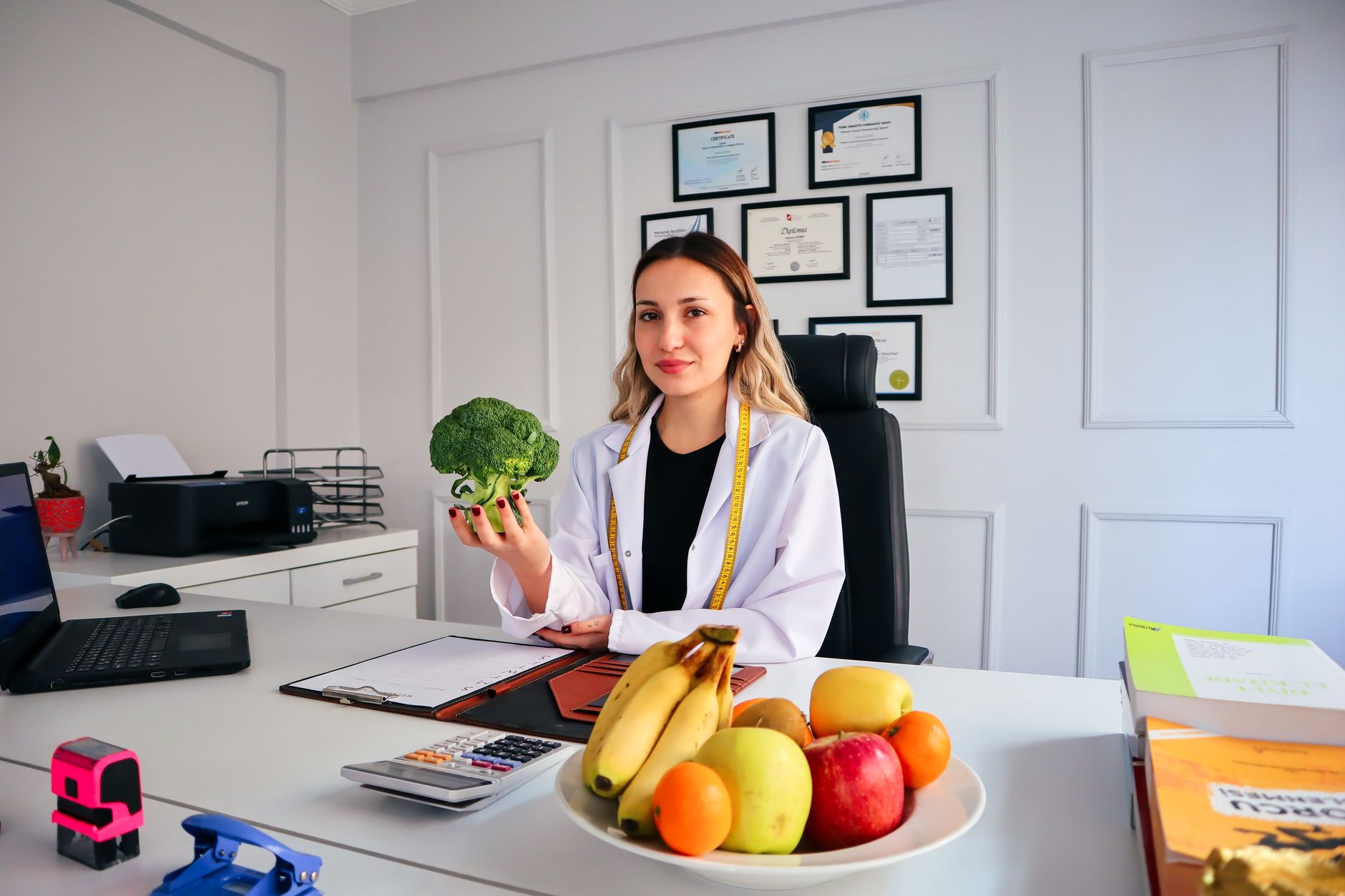
When you are admitted, a dietitian assesses your nutritional status, medical history and dietary restrictions. They then create a personalised meal plan that the hospital kitchen follows. In many hospitals, trays are colour-coded or labelled to prevent mix-ups, and the nursing team double-checks that the right meal reaches the right patient.
For international patients, the international patient office acts as your bridge. Coordinators speak English and often other languages, and they communicate your requirements to the dietitian and kitchen in writing. This is not an informal favour — it is part of the hospital's standard protocol for overseas patients.
Importantly, Turkish hospitals are used to diversity. They cater to patients from the Middle East, Europe, Central Asia and beyond, so requests for halal, gluten-free, lactose-free, vegetarian and diabetic meals are familiar territory. Flexibility is built in, not bolted on.
Common Diets Turkish Hospitals Can Accommodate
- Gluten-free: For coeliac disease and gluten sensitivity, with careful attention to cross-contamination.
- Diabetic and low-glycaemic: Controlled carbohydrates, no added sugars, high fibre and lean proteins.
- Post-operative and soft diets: Easily digestible foods progressing from liquids to solids as you recover.
- Allergy-aware: Nut-free, dairy-free, egg-free, shellfish-free and other allergen-specific plans.
- Religious and cultural: Halal, kosher-style and vegetarian or vegan meals.
- Low-sodium and renal diets: For heart, kidney and blood-pressure management.
If your needs are more complex — for example, a coeliac diabetic patient recovering from bariatric surgery — the dietitian will combine protocols rather than choose one. You are a person, not a checkbox.
The Practical Steps: What to Do Before You Arrive
The single most effective thing you can do is communicate early. Do not wait until you are in your hospital bed, tired and hungry, to explain that you cannot eat gluten or that your blood sugar needs careful management. The more notice the hospital has, the better they can prepare.
- Tell your international patient coordinator. This is your first and most important step. When you receive your treatment plan, reply with a clear list of your dietary requirements. Be specific: "I have coeliac disease and must avoid all wheat, barley and rye, including sauces and thickeners" is more useful than "I eat gluten-free."
- Ask for a written dietary plan. Request confirmation that your needs have been noted and ask how the hospital will handle them. A good coordinator will send you a sample menu or a description of how meals are adapted.
- Provide medical documentation. If you have a formal diagnosis — coeliac disease, type 1 or type 2 diabetes, food allergies — bring a translated summary or ask your coordinator to translate it. This helps the dietitian plan accurately.
- List your medications and glucose targets. If you use insulin or monitor blood sugar, share your usual routine and target range. The hospital team can then align meals with your medication schedule.
- Mention religious requirements at the same time. Halal, vegetarian or fasting needs are easier to arrange in advance than on the day.
- Pack a few safe snacks. Even with excellent hospital catering, having a small supply of familiar gluten-free or diabetic-friendly snacks can be reassuring, especially for the journey and the first night.
If you are travelling with a companion, brief them too. They can help you communicate if you are drowsy after anaesthesia and can double-check meal trays during your stay.
What to Expect on the Ward: From Tray to Recovery
Once you are admitted, your dietary plan becomes part of your daily care. In many Turkish hospitals, the dietitian visits you during your stay to check how you are tolerating meals and to adjust as your recovery progresses. After surgery, you may begin with clear liquids, move to soft foods, and gradually return to a normal diet — all while respecting your underlying dietary needs.
Nurses are trained to notice when a patient is not eating or when a meal does not match the prescribed plan. If something is wrong — a sauce that might contain flour, a dessert that is too high in sugar — you can speak up, and it will be corrected. The culture of hospitality means staff would rather bring you three alternatives than have you go hungry or feel anxious.
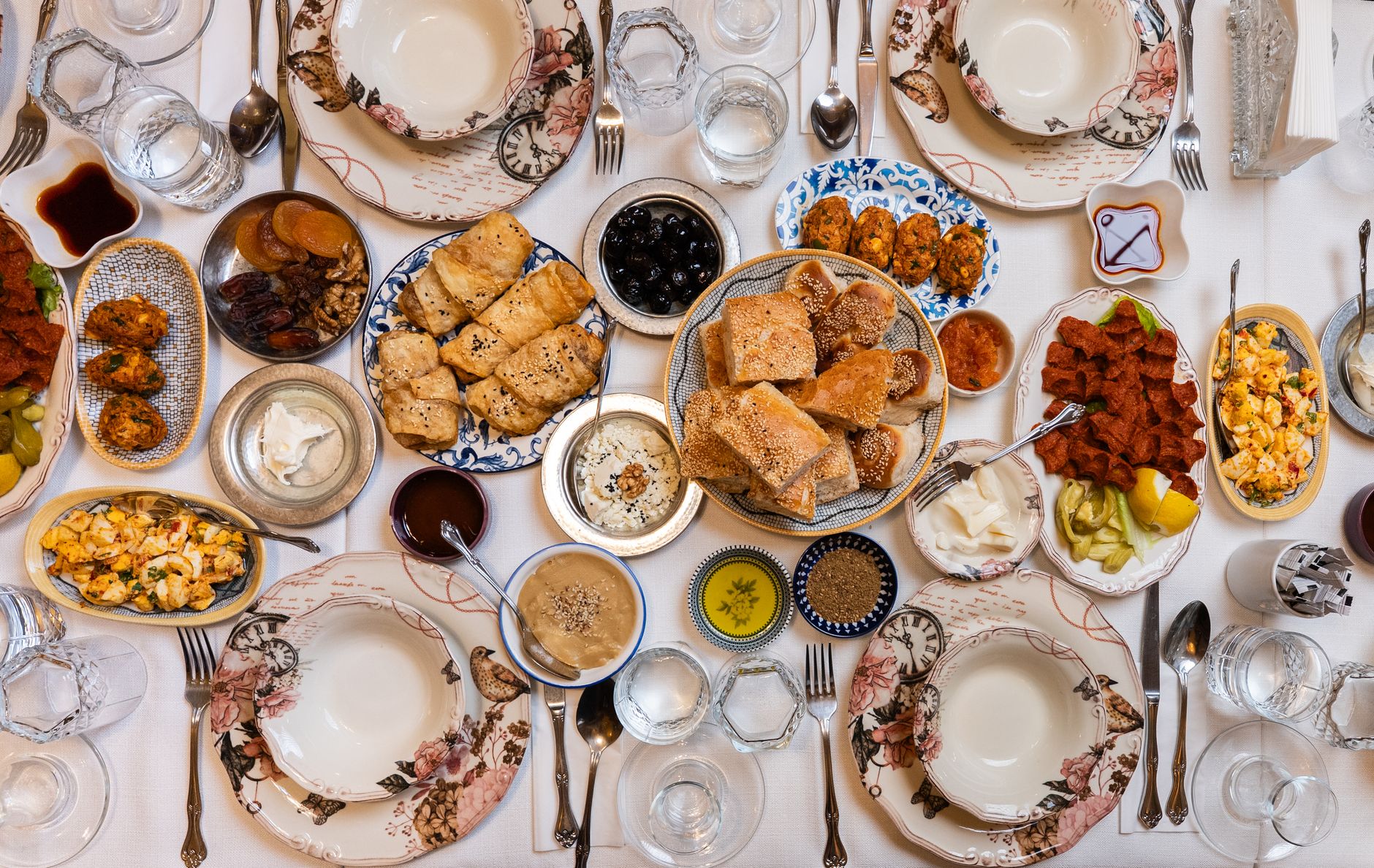
Many international patients remark that the food was better than they expected: fresh vegetables, olive oil, yoghurt, grilled fish, lentil soup and seasonal fruit. Turkish cuisine has a deep tradition of vegetable-forward, gluten-free dishes, from kebab and grilled meats to mercimek çorbası (lentil soup) and zeytinyağlı vegetable dishes cooked in olive oil. For diabetic patients, these naturally balanced options are a genuine advantage.
That said, communication is a two-way street. If you are unsure about an ingredient, ask. If you want smaller portions, say so. If you need a snack between meals to keep glucose stable, request it. The team is there to help.
Healing on a Plate: Blood Sugar, Immunity and Peace of Mind
Good nutrition after surgery is not a luxury — it is a clinical intervention. Protein supports wound healing and preserves muscle. Vitamin C and zinc aid tissue repair. Fibre and complex carbohydrates help regulate blood sugar. When these elements are tailored to your medical needs, recovery is smoother and complications are less likely.
For diabetic patients, stable glucose means fewer swings, better energy and reduced risk of infection. For coeliac patients, a strictly gluten-free diet prevents the intestinal inflammation that could otherwise undermine recovery. For everyone, knowing that your meals are safe removes a layer of stress at a time when calm is precious.
"In Turkey, we say a guest is a gift from God. That includes the food we serve them." — a sentiment echoed by many hospital dietitians.
This is the quiet reassurance of medical travel in Turkey: the same care that goes into your surgery goes into your soup. The dietitian who plans your menu, the nurse who checks your tray and the coordinator who translated your needs — they are all part of your healing team.
So before you travel, send that email. Share your dietary needs clearly and confidently. You are not being difficult; you are being a partner in your own recovery. And in a Turkish hospital, you will find that your plate is prepared with the same warmth as your welcome.
Thinking about treatment in Turkey?
Share your contact details and a verified doctor will follow up with a plan built around you — free, no obligation.