

Beyond the Smile: Türkiye's Expertise in Complex Dental Care
When most people think of dental tourism in Türkiye, they picture gleaming white veneers and perfect smiles. But behind the glossy marketing lies a deeper truth: Turkish dental clinics have become hubs of advanced care for patients with complex dental problems, from severe gum disease to full-mouth rehabilitation. In cities like Istanbul, Antalya, and Izmir, multidisciplinary teams of periodontists, oral surgeons, and prosthodontists work together to restore not just aesthetics but function, health, and quality of life.
This article explores why Türkiye has become a destination for those needing more than a quick cosmetic fix. We'll delve into the treatment of periodontal (gum) disease, the art of bone grafting, and the comprehensive approach of full-mouth rehabilitation. We'll also guide you on how to manage longer treatment plans across one or two trips, ensuring you receive the calm, thorough care you deserve.
Why Türkiye for Advanced Dental Treatments?
Türkiye's dental tourism industry is not just about low prices—though they are certainly attractive. The country has invested heavily in modern healthcare infrastructure, and many clinics are equipped with the latest technology, including 3D imaging, CAD/CAM systems, and surgical microscopes. Dentists often train abroad and are fluent in English, German, and Arabic, making communication easy for international patients.
Moreover, Turkish clinics are accustomed to seeing patients with advanced dental issues. The combination of high patient volume and a culture of hospitality means that complex cases are handled with efficiency and care. Regulations are stringent, and reputable clinics are accredited by international bodies such as the Joint Commission International (JCI) or Temos. This focus on quality and safety has earned Türkiye a reputation as a reliable destination for dental work.
But perhaps the most compelling reason is the holistic approach. Turkish dental teams are known for their meticulous planning and willingness to spend time explaining procedures, ensuring patients understand every step. This is especially crucial for those with complex needs, where rushing can lead to poor outcomes.
Periodontal Therapy: Tackling Gum Disease Head-On
Gum disease, or periodontal disease, is a silent epidemic that affects millions worldwide. It ranges from gingivitis—inflammation of the gums—to periodontitis, where infection damages the soft tissue and bone supporting the teeth. If left untreated, it can lead to tooth loss and has been linked to systemic health issues like heart disease and diabetes.
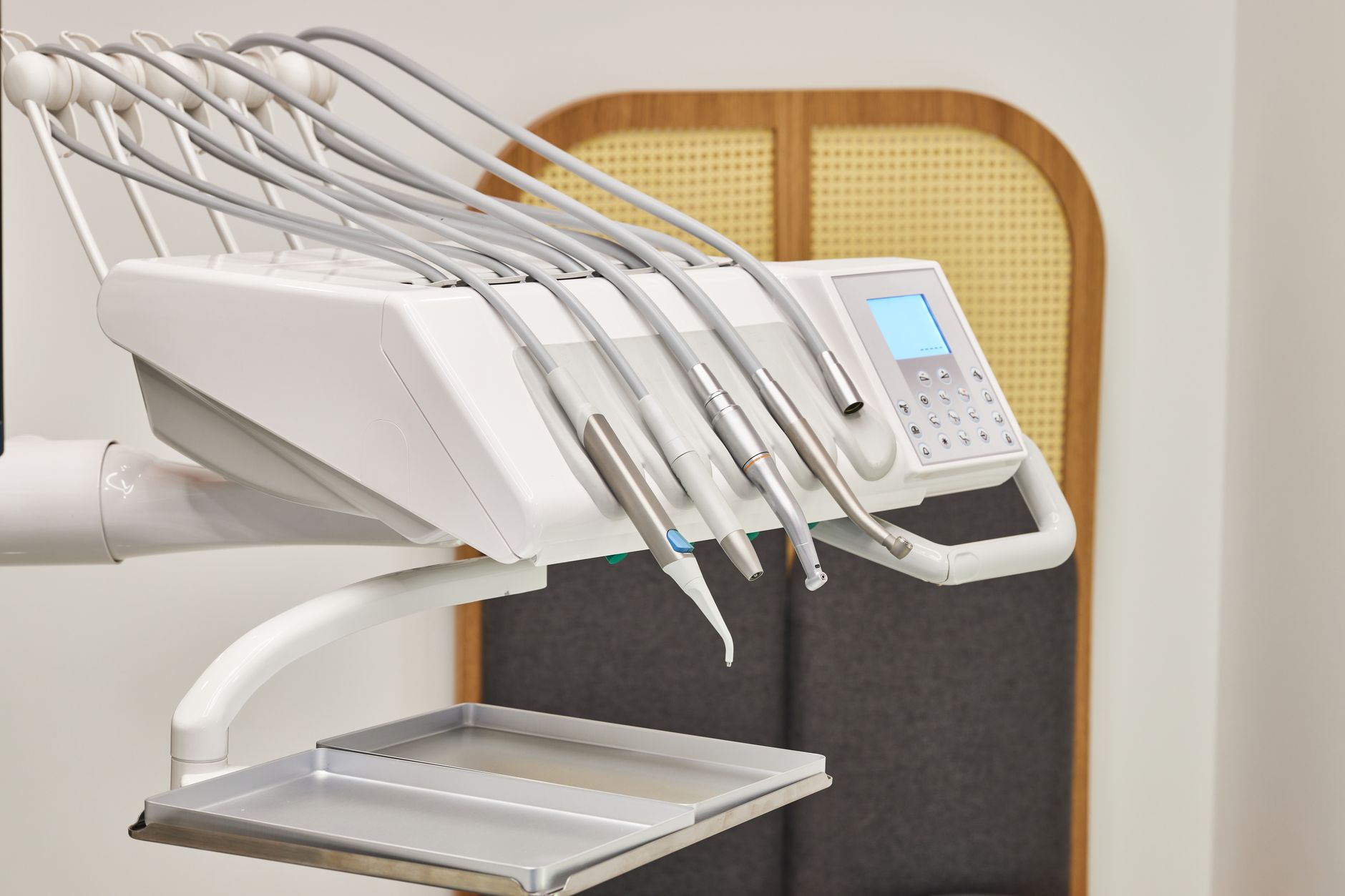
In Türkiye, periodontal therapy goes beyond a simple cleaning. Clinics employ a range of treatments, starting with non-surgical scaling and root planing to remove plaque and tartar from deep pockets. Advanced cases may require flap surgery, where the gums are lifted to clean the roots thoroughly, or laser therapy for precise removal of diseased tissue. Turkish periodontists are adept at using regenerative techniques, such as guided tissue regeneration (GTR), to encourage the body to rebuild lost bone and ligament.
What sets Turkish clinics apart is the thoroughness of their approach. They don't just treat the symptoms; they educate patients on oral hygiene and risk factors, and they monitor progress closely. For international patients, this means you'll leave with a clear maintenance plan and a healthier mouth, not just a temporary fix.
Bone Grafting: Rebuilding the Foundation for Dental Implants
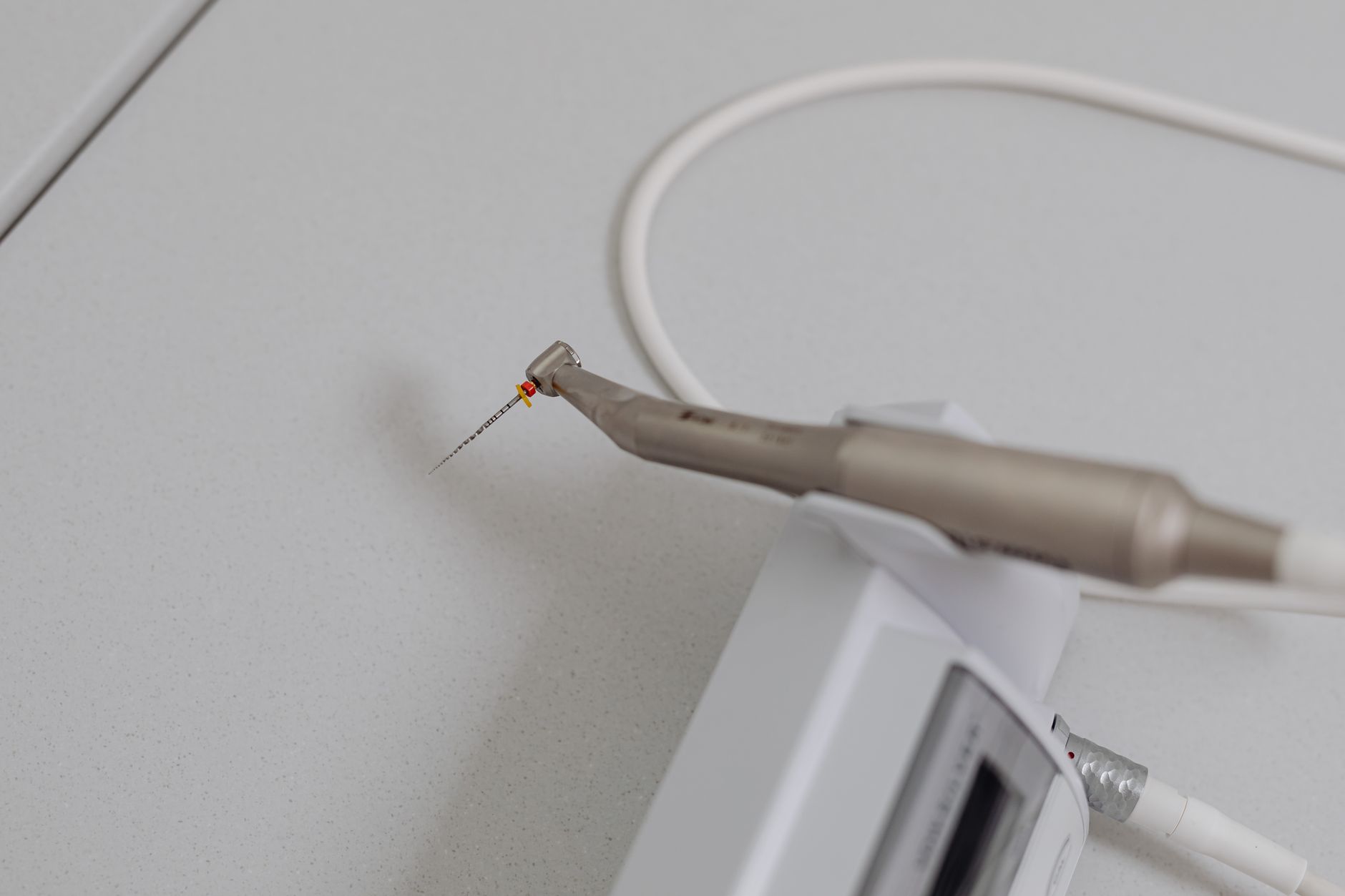
Many patients seeking dental implants discover they lack sufficient bone density, often due to periodontal disease or tooth loss. Bone grafting is a procedure that adds bone material to the jaw to support implants. It sounds intimidating, but Turkish oral surgeons perform it routinely with high success rates.
The types of bone grafts vary: autografts (from your own body), allografts (donor bone), xenografts (bovine), and synthetic materials. Turkish clinics often use advanced techniques like sinus lifts to create space for implants in the upper jaw, or ridge augmentation to widen a thin jawbone. These procedures are typically done under local anesthesia, with options for sedation for anxious patients.
Recovery times vary, but Turkish teams provide detailed aftercare instructions and are available for follow-up consultations even after you return home. The goal is to create a solid foundation for long-lasting implants, and the expertise in this area is a key reason why complex cases are referred to Turkish specialists.
Full-Mouth Rehabilitation: A Comprehensive Approach
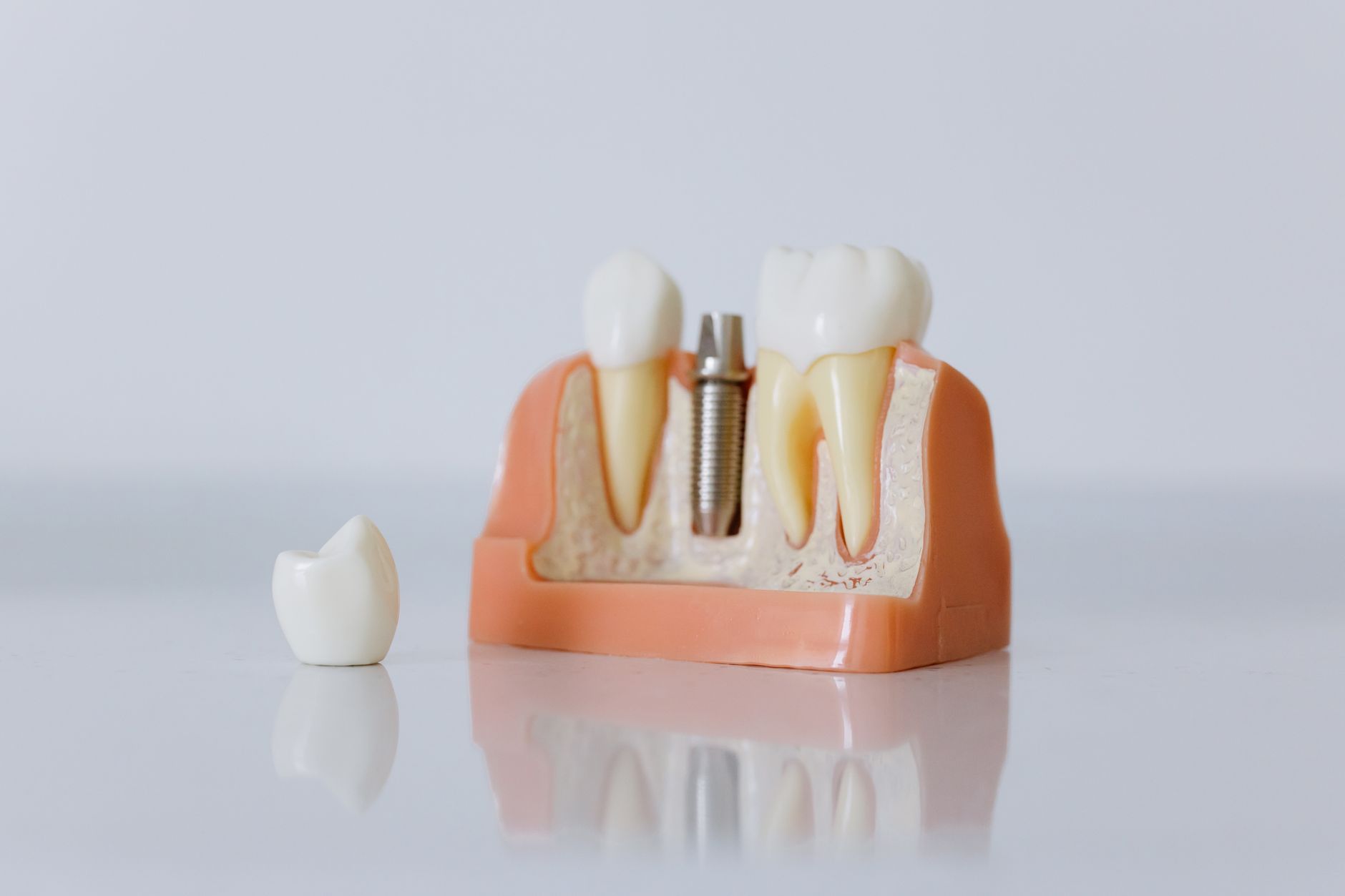
Full-mouth rehabilitation, also known as full-mouth reconstruction, is a comprehensive treatment plan that addresses multiple dental issues—from worn teeth and misalignment to missing teeth and gum disease. It often combines periodontal therapy, bone grafting, implants, crowns, and sometimes orthodontics. The aim is to restore the entire stomatognathic system (teeth, gums, jaw joints, and muscles) to optimal function and aesthetics.
Turkish clinics excel in this multidisciplinary approach because they have the infrastructure to coordinate care among specialists under one roof. A typical full-mouth rehab begins with a thorough assessment: 3D scans, photographs, and bite analysis. Then, a customized plan is created, often staged over several months. The team will discuss which procedures can be done in one trip and which require a second visit, ensuring you understand the timeline and costs.
The calm, thorough approach of Turkish dental teams is particularly beneficial here. They take the time to explain each step, manage expectations, and ensure your comfort throughout. Many clinics offer concierge services, including airport transfers and hotel bookings, to make your stay stress-free. The result is not just a new smile but a renewed sense of confidence and health.

Planning Your Treatment Across One or Two Trips
For patients traveling from abroad, staging treatment is both practical and necessary. Some procedures require healing time before the next phase can begin. For example, after bone grafting, a healing period of 3–6 months is often needed before implant placement. Similarly, periodontal surgery may require several weeks of recovery before prosthetic work.
A common approach is to divide treatment into two trips: the first for diagnostics, extractions, bone grafting, and initial periodontal therapy; the second for implant placement and final restorations. If you opt for one trip, you may need to stay longer (e.g., 2–4 weeks) to accommodate healing, but this depends on the complexity of your case.
Turkish clinics are experienced in coordinating with international patients. They can provide a detailed treatment plan with timelines and costs before you travel, and they often offer virtual consultations. It's advisable to schedule your trip during seasons with pleasant weather (spring or autumn) to enjoy Istanbul or other cities while you recover. Remember to allow buffer days for unexpected delays and to follow post-operative instructions carefully.
Practical Tips for a Smooth Experience
Before booking, research clinics thoroughly: check reviews, accreditation, and before-and-after photos of complex cases. Request a detailed treatment plan and ask about the qualifications of the specialists involved. Ensure the clinic offers follow-up care and communication in your language.
When packing, bring comfortable clothing, any prescribed medications, and a list of your medical history. Arrange for someone to accompany you if you're having extensive work done. During your stay, follow all aftercare instructions, attend follow-up appointments, and don't hesitate to ask questions. Turkish hospitality means you'll likely be treated like family, but it's still important to be proactive about your health.
Finally, consider combining your treatment with a bit of sightseeing. Istanbul's rich history, delicious cuisine, and vibrant culture can make your dental journey a memorable one—for all the right reasons.
Conclusion: A Healthier Smile, a Brighter Future
Türkiye has emerged as a leader in complex dental care, offering patients with gum disease and other serious issues a chance at a full-mouth rehabilitation that goes beyond aesthetics. With expert periodontists, skilled oral surgeons, and comprehensive treatment plans, Turkish clinics provide safe, effective, and compassionate care. By planning your treatment wisely, you can embark on a journey that restores not just your smile but your overall well-being. Whether you need periodontal therapy, bone grafting, or a complete reconstruction, Türkiye's dental teams are ready to help—calmly, thoroughly, and with a commitment to excellence.
Thinking about treatment in Turkey?
Send us a question about this site or about the information published on it. This is a publisher's mailbox, not a medical service and not a route to a particular provider — for clinical questions, contact your own doctor.