

Why Gum Health Comes Before Every Smile Makeover
Most people who travel for dental work arrive thinking about teeth: whiter, straighter, replaced. Yet the pink tissue around those teeth is the foundation everything else rests on. Gums that bleed when you brush, a gumline that has crept upward, or teeth that feel slightly loose are signs of periodontal disease — an inflammatory condition that destroys the bone and ligament holding teeth in place. If that foundation is unstable, a crown, veneer or implant placed on top is a house built on sand.
This is why Turkish periodontists are often the first specialists a good clinic will send you to, even when you came for aesthetic work. A full periodontal assessment — probing depths, bleeding scores, bone levels, mobility — tells the clinician whether your mouth can support the treatment you want. When it can't yet, the plan changes: stabilise the gums first, then build the smile. Patients who understand this sequence tend to be far happier with their long-term results, and far less likely to return home with complications.
The good news is that periodontal disease is largely manageable, and modern techniques in Türkiye are both conservative and effective. Instead of the old image of aggressive gum surgery, many cases are now handled with targeted laser therapy, deep cleaning protocols and regenerative materials that encourage your own tissue to heal.
What Türkiye's Periodontists Actually Offer
Türkiye has built a strong reputation in dental tourism, but it is worth looking past the marketing to what a trained periodontist does. In Türkiye, periodontics is a recognised specialty requiring years of postgraduate training after dental school, and many specialists work in clinics that invest heavily in digital diagnostics: 3D CBCT scans, intraoral cameras, computerised probing and photographic documentation at every stage. That record-keeping matters enormously when you are a foreign patient, because your home dentist can be given a clear before-and-after picture.
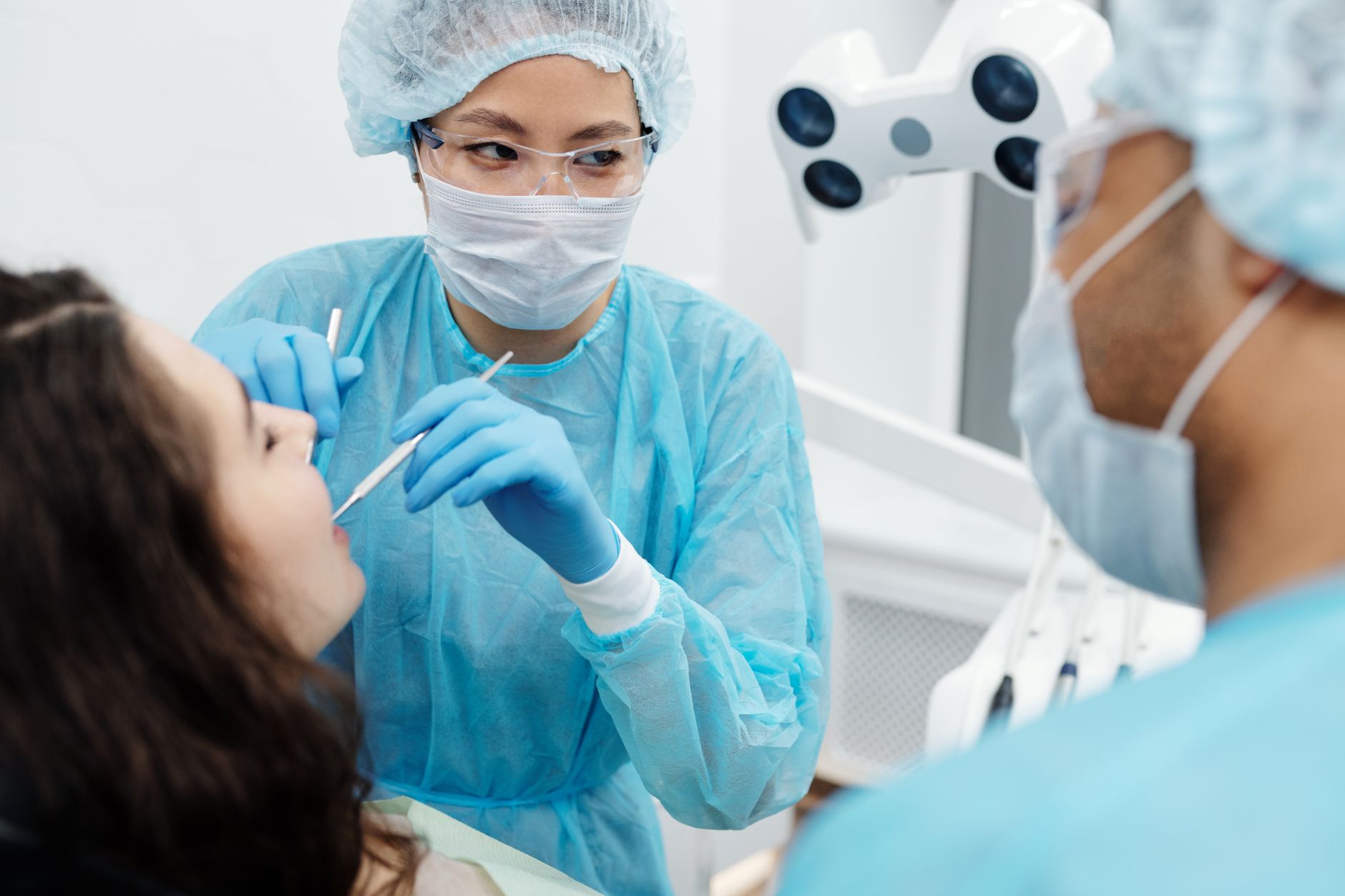
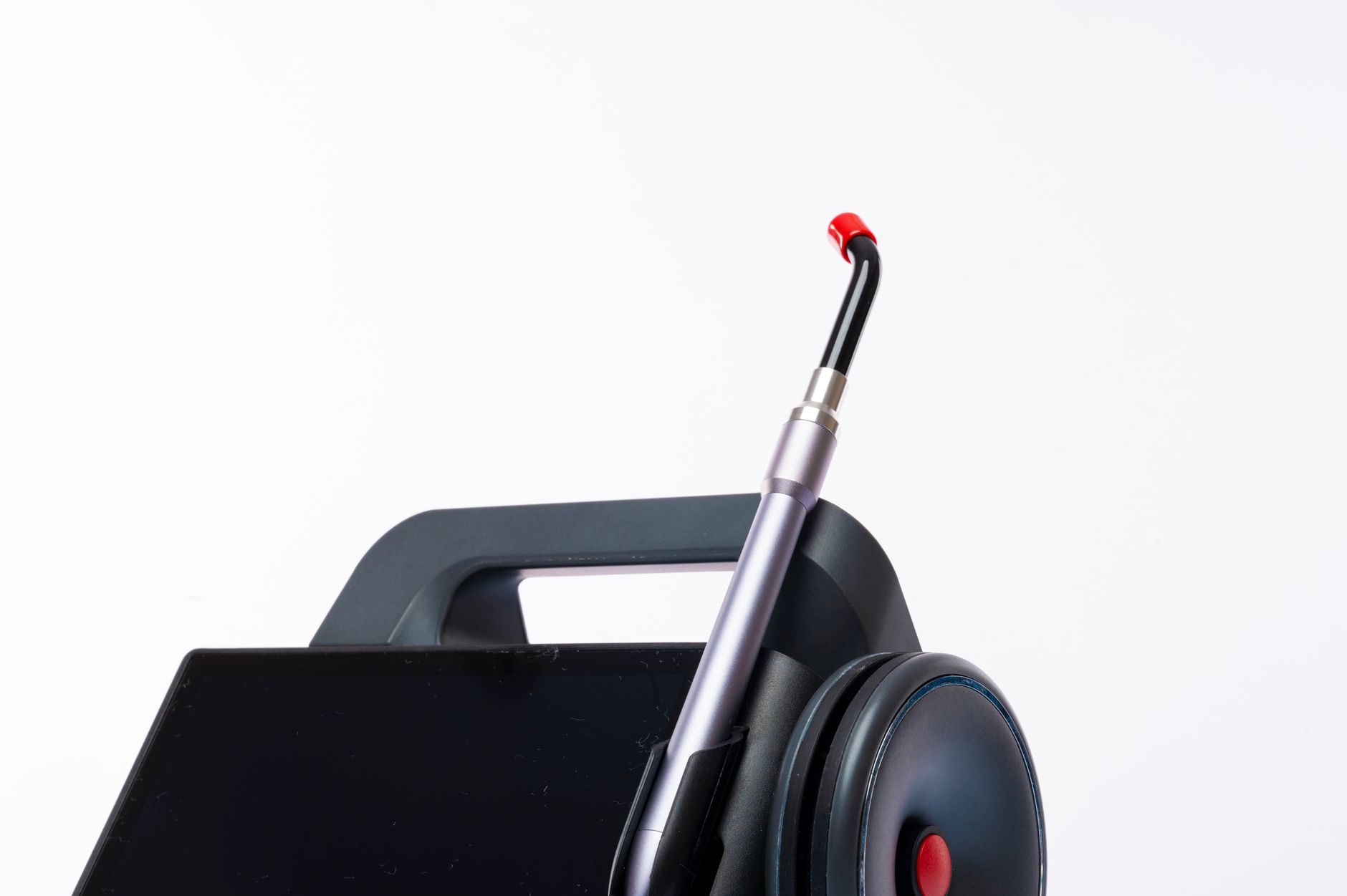
Treatment typically begins with non-surgical periodontal therapy — scaling and root planing under local anaesthetic, often combined with laser decontamination of pockets. Lasers such as diode or Er:YAG devices allow clinicians to remove diseased tissue and bacteria with less bleeding and faster recovery than traditional techniques. For more advanced cases, regenerative procedures use bone grafts, membranes or enamel matrix proteins to rebuild what disease has taken away. Gum recession can be addressed with connective tissue grafts or newer substitutes, and a procedure called crown lengthening is often used to expose more tooth structure before veneers or crowns.
Many clinics also offer supportive services that make a trip efficient: digital smile design, implant planning, and coordinated orthodontic or prosthetic work. The key is that the periodontal stage is not a sales pitch but a genuine prerequisite. Ask any clinic how they decide whether a patient needs gum treatment before implants or veneers — a good answer will mention probing, bleeding scores and bone assessment, not just a photograph.
Bleeding Gums and Recession: What Your Symptoms Are Telling You
Bleeding while brushing or flossing is the most common early warning sign of gingivitis, the reversible stage of gum disease. Left alone, it can progress to periodontitis, where the bone supporting the teeth begins to recede. You may notice longer-looking teeth, sensitivity at the gumline, persistent bad breath or spaces appearing between teeth. These are not just aesthetic concerns; untreated periodontitis is associated with systemic inflammation and has been linked in research to cardiovascular and metabolic conditions.
Recession has many causes: brushing too hard, grinding, orthodontic movement, thin gum tissue or past periodontal disease. A periodontist will identify which is driving yours before recommending treatment, because the wrong approach — for example, a graft without addressing aggressive brushing — will simply fail again. Mild recession may only need monitoring and a change in technique, while exposed roots, sensitivity or aesthetic concern may warrant a graft.
If you are planning implants or veneers, these symptoms matter even more. Implants need healthy surrounding tissue and adequate bone; veneers need a stable gumline so the margins stay hidden and the tissue does not shrink away over time. A periodontist's assessment before cosmetic work is not an obstacle — it is the step that protects your investment.
How a Dedicated Periodontal Trip Fits Around Real Life
A common worry is that gum treatment means endless appointments. In practice, a focused periodontal trip can be organised into a manageable block. Most patients need an initial consultation and diagnostics, then non-surgical therapy, with a healing review a few weeks later. Many clinics structure this as a first visit of around five to seven days for assessment and active treatment, followed by a second shorter visit after a healing period of six to twelve weeks if surgery or grafting is needed. Complex regenerative cases may require a longer interval before final restorations.
Because healing time is built into periodontal work, you can often combine the first phase with a few days of sightseeing in Istanbul — the Bosphorus, the historic peninsula, a food walk through Kadıköy — while avoiding strenuous activity for the first day or two after treatment. Clinics experienced with international patients provide written aftercare instructions in English, direct contact numbers and coordination with your dentist at home.
Practical planning points: allow a buffer day after any surgical appointment, avoid booking flights immediately after grafting, and check whether your clinic offers airport transfers and hotel partnerships near the district where you will be treated. If you take blood thinners or have diabetes, share this early so the team can adjust your plan.

Timelines, Healing and Follow-Up You Can Plan Around
Non-surgical therapy usually produces noticeable improvement in bleeding within two to four weeks, though pockets need around six to eight weeks to respond fully before being re-measured. Laser-assisted treatment often means less discomfort and quicker return to normal brushing, but it is not a substitute for good home care. Gum grafts typically require one to two weeks of soft diet and careful cleaning, with the graft maturing over several months. Regenerative surgery has a longer horizon, often six to twelve months before final assessment, which is why clinics plan implant placement after, not before, healing.
Follow-up is the part patients underestimate. Periodontal disease is chronic, so maintenance appointments — usually every three to six months — are essential. Ask your Turkish clinic to prepare a periodontal chart and treatment summary you can hand to your dentist at home, and confirm they will respond to follow-up questions by email or video call. Many do this routinely for international patients.
If your goal is implants or veneers, the sequence is usually: periodontal stabilisation, healing review, then restorative planning. This may add weeks to your timeline, but it dramatically improves the odds that your new smile lasts. Build that expectation into your budget and calendar from the start.
Choosing a Clinic and Getting the Most From Your Trip
Look for a periodontist listed with the Turkish Dental Association or a university-affiliated clinic, and ask directly who will perform your treatment and what their specialty training is. Request a written treatment plan with stages, costs and healing intervals. Be cautious of packages that promise implants and veneers without any mention of gum assessment. Transparency about what is included — diagnostics, medications, follow-up, translation — is a good sign of a well-run practice.
Finally, treat the trip as a health investment rather than a shopping spree. Bring your dental records, list your medications, stop smoking if you can (it is the single biggest modifiable risk for gum disease), and plan a gentle first day after treatment. Istanbul rewards that approach: you can recover in a quiet hotel, then enjoy the city once your gums have settled. With a clear plan and a specialist-led approach, a periodontal trip to Türkiye can give you something more valuable than a quick fix — a stable foundation for the smile you actually want.
Thinking about treatment in Turkey?
Send us a question about this site or about the information published on it. This is a publisher's mailbox, not a medical service and not a route to a particular provider — for clinical questions, contact your own doctor.