

Türkiye's Microsurgery Pioneers: Where Precision Meets Compassion
When a complex hand injury occurs—whether from a workplace accident, a traffic collision, or a congenital condition—every minute matters. Türkiye has emerged as a global leader in hand and microsurgery, combining advanced surgical technology with a deeply patient-centred approach. Surgeons in Istanbul, Ankara, and Izmir routinely perform procedures that reconnect nerves, tendons, and blood vessels thinner than a human hair, giving patients back the ability to grasp, write, and feel.
The country's reputation in this field is no accident. Decades of investment in microsurgical training, state-of-the-art operating microscopes, and high-volume trauma centres have created an ecosystem where expertise is both deep and accessible. For international travellers, this means a clear, coordinated pathway from emergency repair to long-term rehabilitation—often at a fraction of the cost found in Western Europe or North America.
In this guide, we'll explore what makes Türkiye a top destination for hand and microsurgery, the conditions treated, the technology involved, and how patients can navigate the journey with confidence.
What Is Microsurgery and Why Does It Matter for Your Hands?
Microsurgery is a highly specialised discipline that uses operating microscopes to perform intricate procedures on tiny structures—blood vessels, nerves, and lymphatics—that are typically less than 2 millimetres in diameter. In hand surgery, this precision is essential: the hand contains 27 bones, dozens of tendons, and a dense network of nerves and vessels that control sensation and movement.
When a finger is severed, for instance, replantation requires reconnecting arteries, veins, and nerves under magnification. Without microsurgical expertise, the tissue would not survive. Similarly, nerve injuries from lacerations or crush trauma demand meticulous repair to restore feeling and function. Türkiye's microsurgeons are trained to handle these challenges daily, often in dedicated hand trauma units.
Beyond trauma, microsurgery is used to treat congenital differences such as syndactyly (webbed fingers) or polydactyly (extra digits), as well as conditions like brachial plexus injuries that affect the entire arm. The goal is always the same: to restore as much natural function and appearance as possible.
"Microsurgery is not just about saving a finger; it's about giving someone back their independence and their livelihood." — A sentiment echoed by many Turkish hand surgeons.
Complex Injuries Treated by Turkish Hand Specialists
Türkiye's hand surgery centres are equipped to manage a wide spectrum of complex injuries and conditions. These include:
- Amputations and replantations: Reattaching severed fingers, hands, or thumbs using microvascular techniques.
- Tendon and nerve lacerations: Repairing flexor and extensor tendons, as well as sensory and motor nerves.
- Crush injuries and fractures: Reconstructing shattered bones and soft tissues with bone grafts and flaps.
- Congenital hand differences: Correcting syndactyly, polydactyly, and cleft hand.
- Brachial plexus injuries: Nerve transfers and grafting to restore arm and hand movement.
- Arthritis and degenerative conditions: Joint replacement, fusion, and tendon transfers.
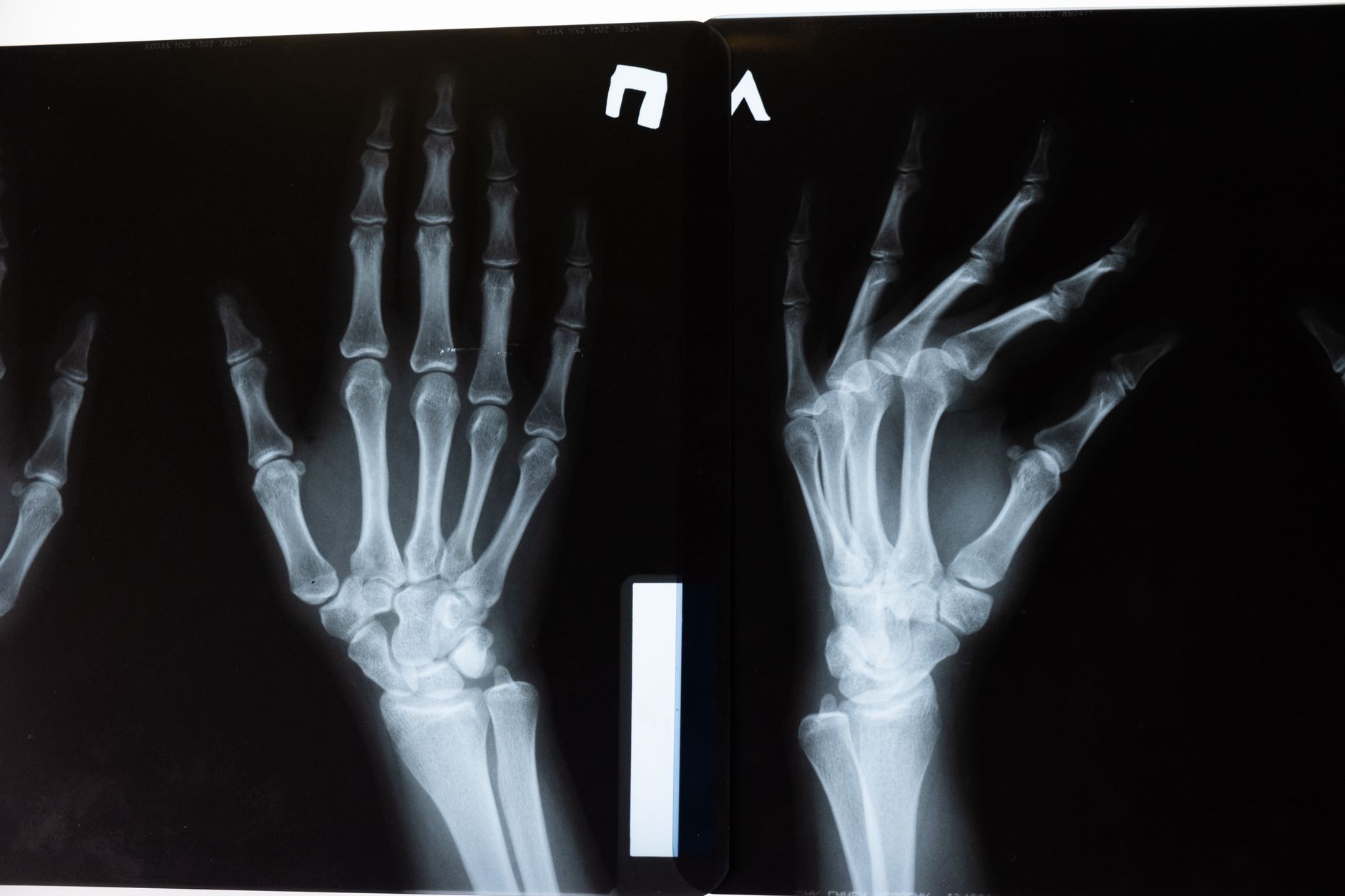
Each case is unique, and Turkish surgical teams are known for their individualized treatment plans. They use advanced imaging—such as high-resolution ultrasound and MRI—to map the injury precisely before surgery. This level of preparation is a hallmark of the country's approach.
Precision Technology Behind Türkiye's Success
Walking into a modern hand surgery operating theatre in Istanbul is like stepping into a high-tech command centre. Operating microscopes with 3D visualization and fluorescence imaging allow surgeons to see blood flow in real time. Micro-instruments, some no thicker than a needle, are used to suture vessels and nerves with sutures thinner than a human hair.
Many hospitals also employ intraoperative nerve monitoring, which helps identify healthy nerve tissue and avoid damage. For complex reconstructions, surgeons may use free flaps—tissue taken from another part of the patient's body and reconnected via microsurgery. This requires not only technical skill but also a deep understanding of anatomy and blood supply.
Post-operatively, patients benefit from advanced rehabilitation tools such as robotic-assisted therapy and virtual reality systems that make hand therapy more engaging and effective. Türkiye's investment in these technologies reflects a commitment to outcomes, not just procedures.
Rehabilitation: The Unsung Hero of Hand Surgery
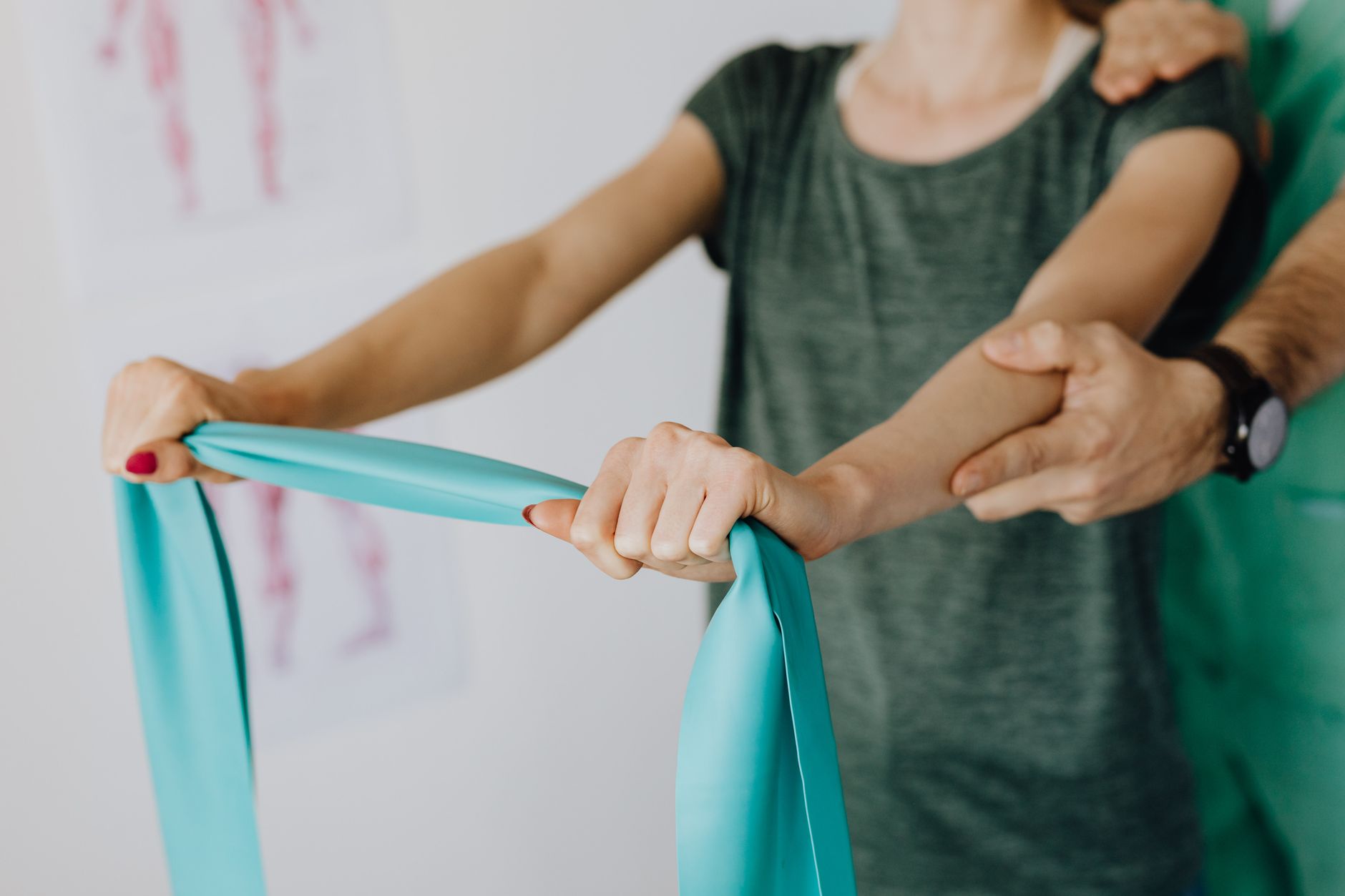
Surgery is only the first step. Without proper rehabilitation, even the most successful microsurgical repair can result in stiffness and loss of function. Turkish hospitals integrate hand therapy from day one, with certified hand therapists working alongside surgeons.
Programmes typically include:
- Custom splinting to protect repairs while allowing controlled movement.
- Passive and active range-of-motion exercises.
- Scar management and desensitization techniques.
- Strengthening and coordination training.
- Functional tasks like buttoning, writing, and gripping.
For international patients, many centres offer intensive rehabilitation packages that combine daily therapy with accommodation and translation services. This coordinated approach ensures that patients don't just heal—they thrive.

A Seamless Journey for International Travellers
Türkiye has become a magnet for medical travellers seeking hand surgery. The reasons are compelling: world-class expertise, shorter waiting times, and significant cost savings—often 50–70% less than in the US or UK. But what truly sets Türkiye apart is the coordination of care.
From the moment a patient inquires, international patient departments assist with visa letters, airport transfers, and accommodation. Many hospitals have multilingual staff and provide detailed treatment plans before arrival. Upon landing, patients are often met at the airport and escorted to their hotel or hospital.
The surgical team reviews imaging and conducts a thorough examination, then schedules surgery promptly. After discharge, patients can stay in nearby recovery hotels with nurse visits and therapy sessions. Follow-up can be conducted via telemedicine once they return home, ensuring continuity of care.
This end-to-end service is particularly valuable for trauma patients who may be anxious and in pain. Knowing that every logistical detail is handled allows them to focus on recovery.
Costs and What to Expect
While costs vary by procedure and hospital, here is a general idea of what international patients might expect in Türkiye (prices in USD, approximate):
- Finger replantation: $8,000–$15,000
- Nerve repair: $4,000–$8,000
- Tendon repair: $3,000–$6,000
- Congenital hand surgery: $5,000–$10,000
- Brachial plexus surgery: $10,000–$20,000
These figures often include hospital stay, surgery, anaesthesia, and initial therapy. It's essential to request a detailed quote and confirm what is covered. Many hospitals offer all-inclusive packages for international patients.
Insurance may cover treatment abroad in some cases, especially for emergency care. Patients should check with their provider and obtain pre-authorization if possible.
Why Choose Türkiye for Hand and Microsurgery?
Türkiye's combination of surgical excellence, technological investment, and patient-friendly services makes it a standout destination. The country's surgeons are frequently trained in Europe and the US and participate in international conferences, ensuring they stay at the forefront of the field.
Moreover, the cultural richness of Istanbul—with its historic mosques, bustling bazaars, and stunning Bosphorus views—offers a comforting backdrop for recovery. Patients often find that the warmth of Turkish hospitality adds a layer of emotional healing.
For those facing the daunting prospect of complex hand surgery, Türkiye offers not just a solution, but a partnership. From the first consultation to the final therapy session, patients are supported by a team that understands the stakes. The result is not merely a repaired hand, but a restored life.
Thinking about treatment in Turkey?
Share your contact details and a verified doctor will follow up with a plan built around you — free, no obligation.