

Faster Access to Specialist Care Across Anatolia
Türkiye's expanding high-speed rail network is reshaping how patients from Anatolian cities reach the country's leading medical centres. Journeys that once required long road trips or domestic flights can now be completed by comfortable, punctual trains linking major provincial cities with Istanbul and Ankara.
For medical travellers, the practical effect is significant: appointments at specialist hospitals in Ankara and Istanbul become easier to plan, and return visits for follow-up care no longer demand an overnight stay or an expensive flight. For accompanying family members, the lower cost and predictable schedules of high-speed trains make it far more feasible to stay close during treatment.
The improved links are particularly relevant for patients managing chronic conditions, oncology follow-up, cardiology reviews and post-surgical check-ups, where regular attendance matters as much as the initial procedure.
Ankara: A Central Hub for Tertiary Hospitals
Ankara's position at the heart of the high-speed network makes it one of the most accessible destinations for specialist care in Türkiye. Patients travelling from cities such as Konya, Eskişehir, Kayseri and Sivas can reach the capital's university and research hospitals with a single, straightforward train journey.
Many of these hospitals serve as referral centres for complex cases, meaning patients from across Anatolia are routinely directed to Ankara for diagnostics, surgery and multidisciplinary consultations. Shorter, more reliable travel times reduce the stress of these referrals and make it easier to attend early-morning appointments.
Accompanying relatives benefit too. Rather than booking costly last-minute flights or facing tiring drives, families can travel together by rail, often at a fraction of the cost, and return home the same day when appointments allow.
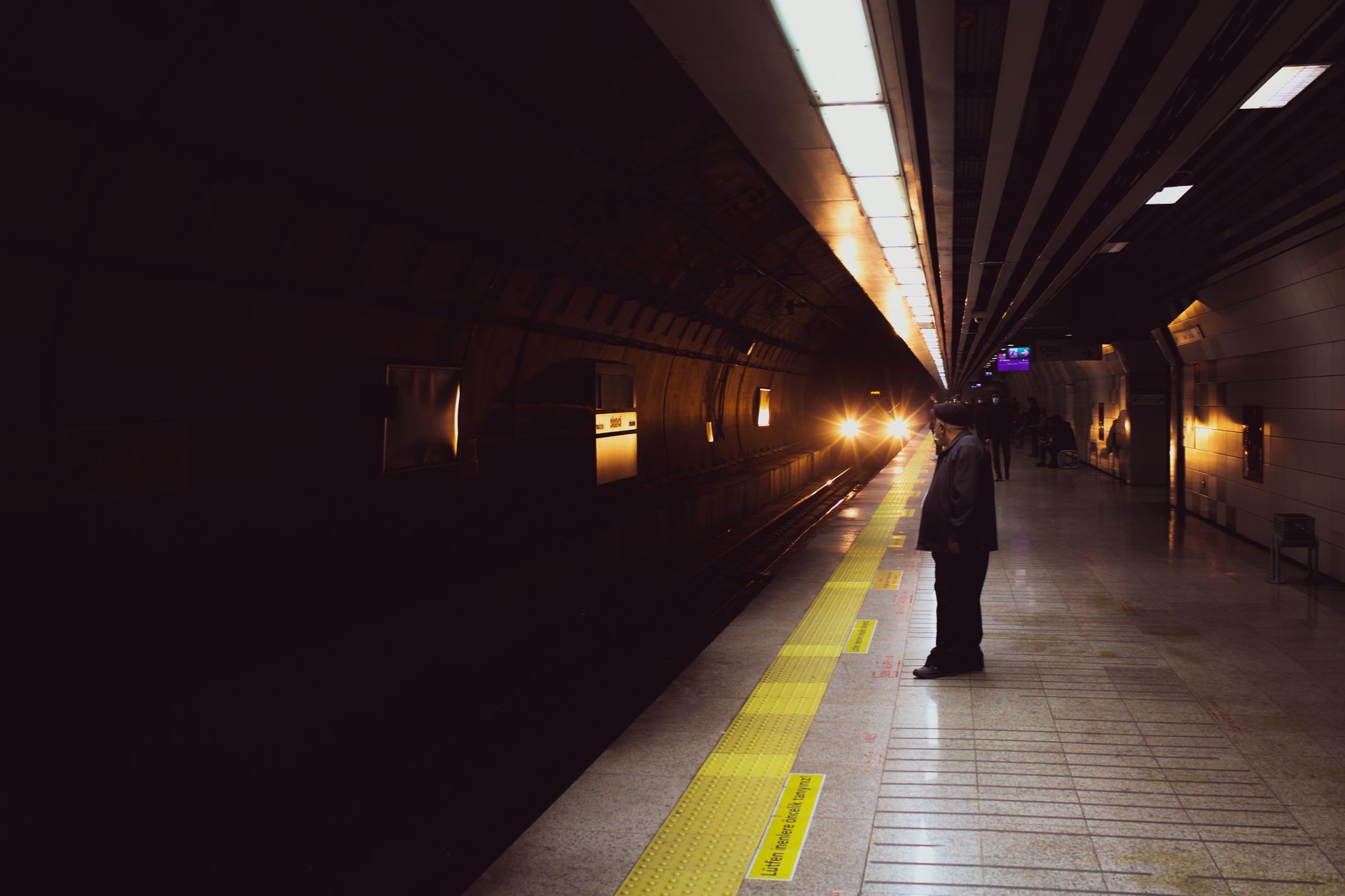
Istanbul: Rail Connections to Major Medical Campuses
Istanbul remains Türkiye's largest concentration of private and university hospitals, including many that serve international patients. High-speed services from Anatolian cities connect with Istanbul's rail and metro network, allowing travellers to reach major medical campuses with fewer transfers than before.
For patients arriving for consultations or scheduled procedures, the rail option offers a calmer start to the journey than airport queues and highway traffic. Families travelling with someone who is unwell particularly value the space, stability and consistent timetables of the trains.
Itineraries can also be planned around treatment schedules: patients can arrive the day before an appointment, stay near the hospital, and return home by train once discharged or cleared for travel, subject to their doctor's advice.
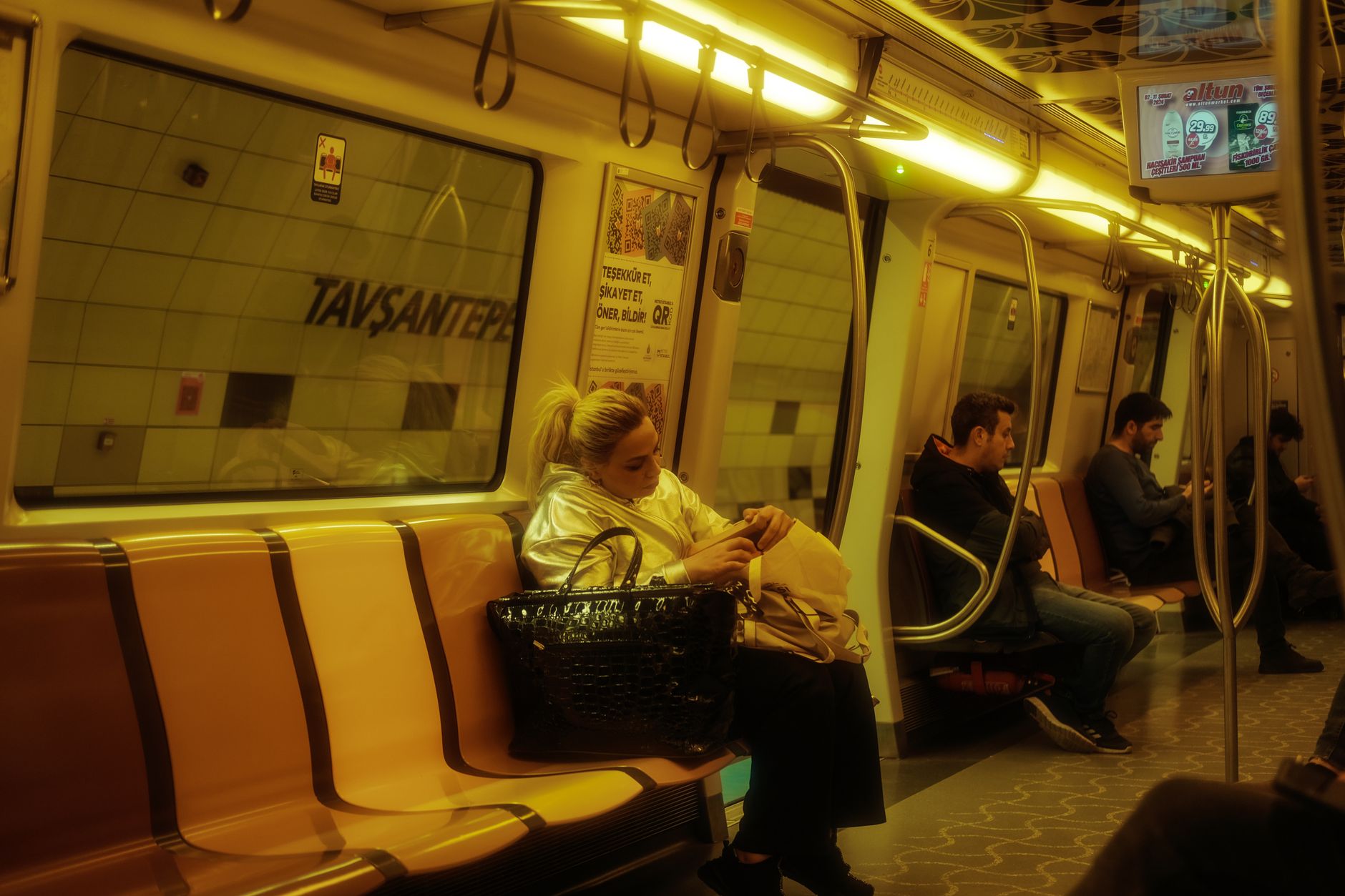
Comfort, Punctuality and Low Cost for Accompanying Family
Turkish high-speed trains are known for clean carriages, reserved seating and reliable departure times. For accompanying family members, this combination matters: treatment journeys are often repeated, and predictability reduces both financial and emotional strain.
Ticket prices are typically well below equivalent domestic flights, and rail travel avoids baggage fees and airport transfer costs. Families supporting a patient through a multi-day hospital stay can therefore visit more often, or send a rotating companion without exhausting their budget.
For medical travellers, the cheapest option is rarely the point — but when the cheapest option is also the most comfortable and punctual, it becomes the obvious choice.
Travellers should still allow generous buffers around appointments, carry relevant medical documents, and confirm accessibility arrangements in advance if mobility support is required.
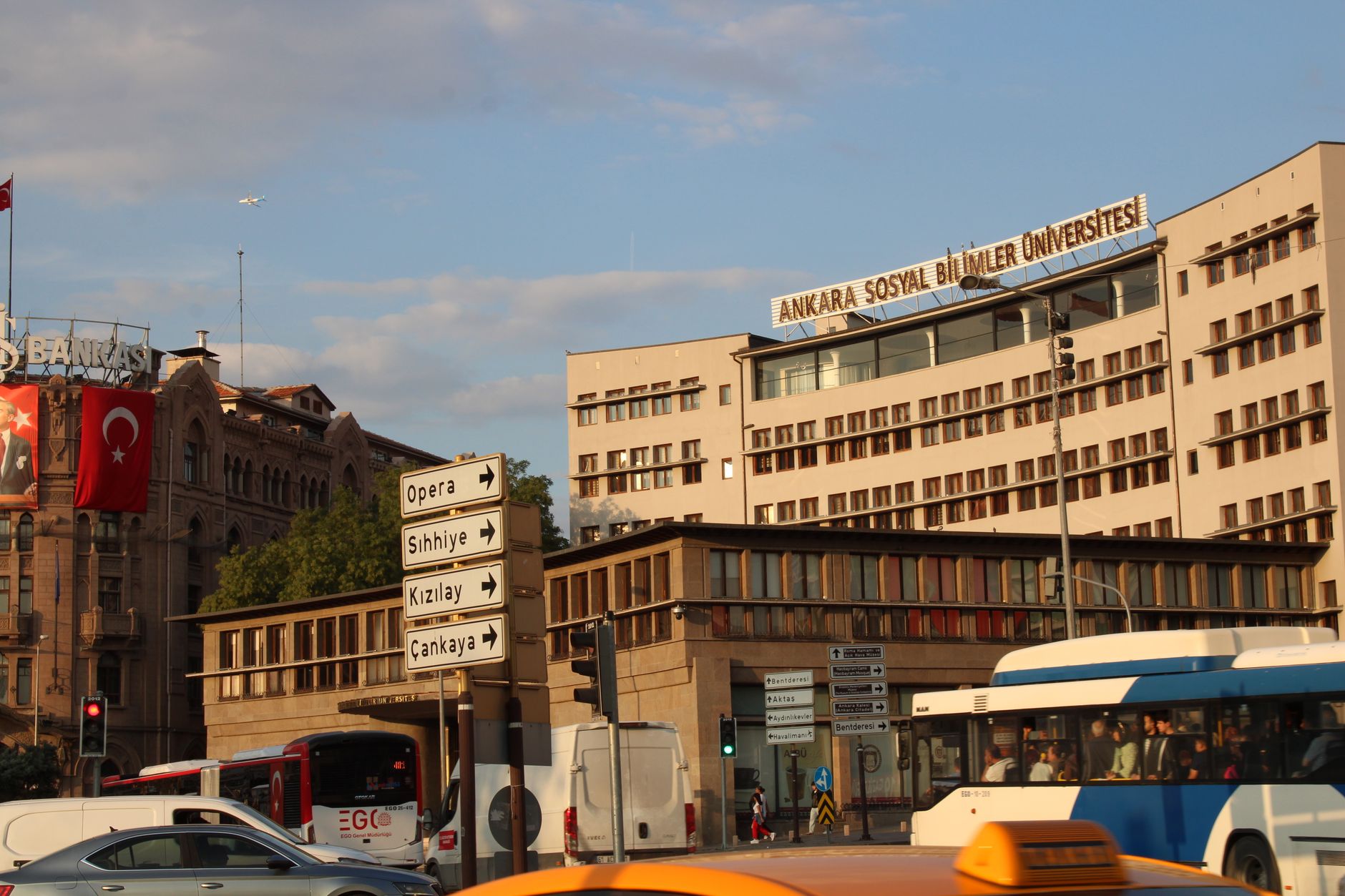
Planning Follow-Up Care Around the Timetable
Regular follow-up is central to good outcomes in many specialties, from oncology to orthopaedics and cardiology. Reliable rail links make it realistic for patients to return to the same hospital and the same specialist rather than settling for fragmented local care.
Patients can book follow-up appointments and train tickets together, aligning departure times with consultation slots. Those requiring imaging or laboratory tests before a consultation can often travel early, complete tests, and see their doctor later the same day.
Hospitals in Istanbul and Ankara increasingly expect out-of-town patients and can advise on arrival timing, discharge planning and when it is safe to travel after a procedure. Always confirm fitness to travel with the treating physician before booking a return journey.

What This Means for Medical Travellers
Improved rail access is, at its core, a patient-convenience story. It lowers the practical barriers — cost, time, fatigue — that can otherwise delay or disrupt specialist care for people living outside Türkiye's largest cities.
For international patients combining treatment in Türkiye with onward travel within the country, the network also opens up options for follow-up consultations in different cities without long transfers. The focus, however, remains on getting to the right specialist at the right time.
Travellers planning treatment in Istanbul or Ankara should ask their hospital about recommended arrival windows, accessibility support at stations, and any travel restrictions following procedures. With those details in place, Türkiye's high-speed trains offer a practical, affordable and comfortable route to care.
Thinking about treatment in Turkey?
Send us a question about this site or about the information published on it. This is a publisher's mailbox, not a medical service and not a route to a particular provider — for clinical questions, contact your own doctor.