
Türkiye's Rise as a Global Hub for Interventional Radiology
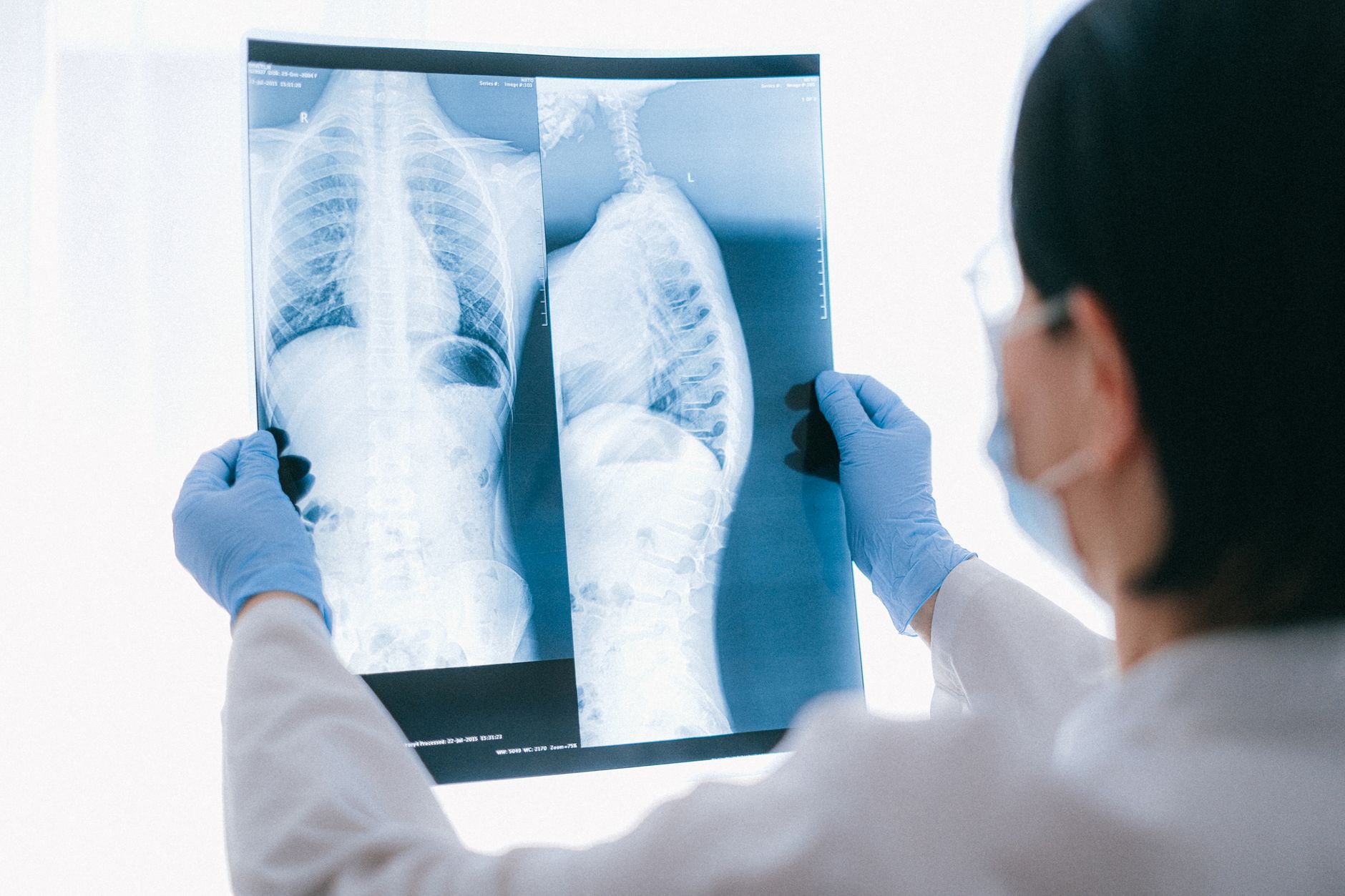
Türkiye has become one of the world's most sought-after destinations for advanced medical care, and interventional radiology (IR) sits at the heart of this reputation. Instead of traditional open surgery, IR specialists use real-time imaging — ultrasound, fluoroscopy, CT and MRI — to guide tiny instruments through blood vessels or directly into organs. The result is treatment with millimetre-sized incisions, less pain and dramatically faster recovery.
Turkish hospitals, especially those in Istanbul, Ankara and Izmir, have invested heavily in state-of-the-art angiography suites and hybrid operating rooms. Many are JCI-accredited and staffed by radiologists who trained in Europe and the United States, then returned to build high-volume IR departments. This combination of world-class technology and deep clinical experience has positioned Türkiye as a leader in image-guided procedures.
For international patients, the appeal is clear: they gain access to procedures that may be unavailable or prohibitively expensive at home, often with waiting times measured in days rather than months. English-speaking coordinators, transparent pricing and seamless hospital transfers make the journey remarkably stress-free.
What Is Interventional Radiology and Why Does It Matter?
Interventional radiology is a medical specialty that performs minimally invasive procedures under image guidance. Rather than making a large incision to reach a diseased organ, the IR physician inserts a thin catheter or needle — often through a puncture no bigger than a pencil tip — and navigates it precisely to the target. Because healthy tissue is preserved, patients experience less bleeding, lower infection risk and quicker return to daily life.
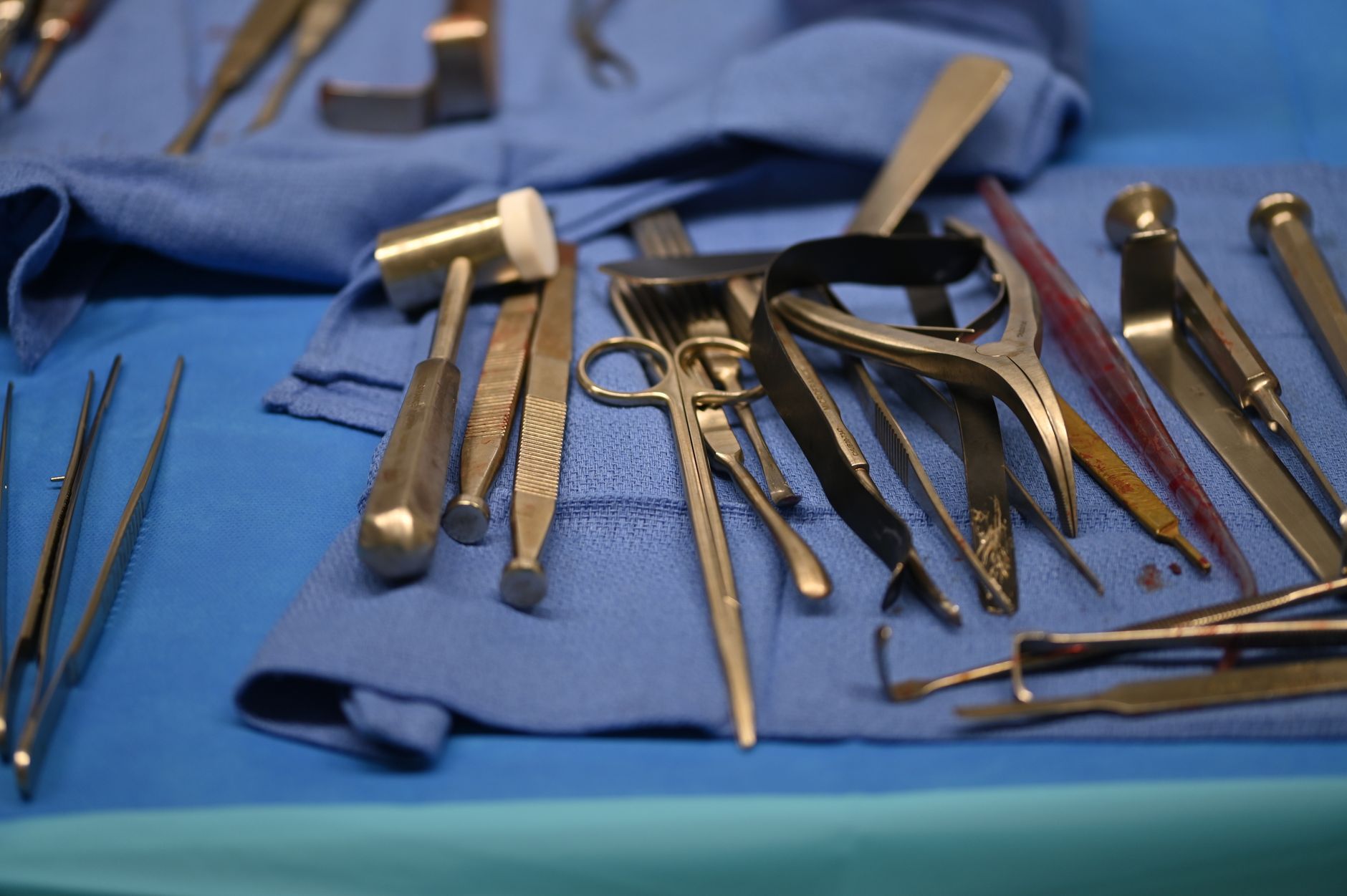
Common IR treatments include embolisation (blocking blood vessels to shrink tumours or stop bleeding), tumour ablation (destroying tumours with heat or cold), vascular access (placing long-term catheters for dialysis or chemotherapy) and a wide range of other procedures such as uterine fibroid embolisation and varicose vein treatment.
In Türkiye, IR is not an afterthought but a fully integrated service. Multidisciplinary teams of radiologists, oncologists, surgeons and nurses meet regularly to design personalised treatment plans. This collaborative model — combined with the country's high procedure volumes — means Turkish specialists are exceptionally skilled at even complex interventions.
Embolisation: Blocking the Blood Supply to Treat Disease
Embolisation involves injecting tiny particles, coils or liquid agents into blood vessels to cut off blood flow to a target area. It is used to treat liver tumours, uterine fibroids, enlarged prostate, and to control acute bleeding after trauma or childbirth. In Turkish hospitals, interventional radiologists perform thousands of embolisations each year, achieving outcomes that rival the best centres in Europe.
For a patient with liver cancer, for example, transarterial chemoembolisation (TACE) delivers chemotherapy directly to the tumour while blocking its blood supply. The procedure typically takes one to two hours, requires only a small groin or wrist puncture, and often allows discharge the next day. Compare that with open liver surgery, which can mean a week in hospital and weeks of recovery.
Uterine fibroid embolisation (UFE) is another flagship service. Instead of a hysterectomy, women can have their fibroids treated through a tiny catheter, preserving the uterus and fertility. Turkish clinics report high patient satisfaction and symptom relief within weeks.
Tumour Ablation: Destroying Tumours Without a Scalpel
Ablation techniques — radiofrequency, microwave, cryoablation and irreversible electroporation — use image guidance to place a needle-like probe directly into a tumour. Extreme heat or cold destroys cancer cells while sparing surrounding healthy tissue. This is especially valuable for patients with liver, kidney, lung or bone tumours who are not candidates for open surgery.
Turkish IR departments offer all major ablation modalities, often combining them with embolisation for a synergistic effect. A patient with a small kidney tumour, for instance, can undergo cryoablation in under an hour, stay overnight for observation, and return to normal activities within a few days. There is no large incision, minimal blood loss and a very low complication rate.
For tumours that are difficult to reach surgically, such as those near major vessels or in the bones, ablation under CT or MRI guidance provides a precise, safe alternative. Many international patients choose Türkiye specifically because its radiologists are comfortable with complex, image-guided ablations that some centres abroad rarely perform.
Vascular Access: Comfortable, Reliable Long-Term Care
Patients who need repeated blood tests, chemotherapy, dialysis or long-term antibiotics require reliable vascular access. Interventional radiologists place tunnelled central catheters, port-a-caths and dialysis fistulas using ultrasound and fluoroscopy. These procedures are quick, minimally invasive and far more comfortable than repeated needle sticks.
In Türkiye, vascular access is treated as a subspecialty. Radiologists use advanced techniques to recanalise blocked veins, create arteriovenous fistulas for dialysis and manage complications such as thrombosis or infection. Because the procedures are image-guided, they are safer and more durable than blind bedside placements.
For dialysis patients, a well-functioning fistula is a lifeline. Turkish IR teams are known for their expertise in salvaging failing accesses, often avoiding the need for more invasive surgery. International patients frequently combine a holiday in Istanbul with a scheduled access procedure, enjoying the city's culture while receiving top-tier care.
The Patient Benefits: Smaller Incisions, Shorter Stays, Faster Recovery
The advantages of interventional radiology over open surgery are transformative. Most IR procedures require only local anaesthesia and a tiny nick in the skin — no large incisions, no muscle cutting, no lengthy general anaesthesia. Patients often walk out of the recovery room and are discharged within 24 hours.
- Less pain and scarring: A band-aid often covers the entire access site.
- Lower risk of infection and bleeding: Smaller wounds mean fewer complications.
- Shorter hospital stays: Many procedures are day-case or overnight.
- Faster return to work and daily life: Most patients resume normal activities within days.
- Preservation of organ function: Techniques like UFE avoid removing the uterus; ablation preserves healthy kidney or liver tissue.
For older patients or those with multiple health conditions, IR is often the only viable option. It avoids the physiological stress of open surgery and can be performed in patients who would otherwise be considered too high-risk.
Why Choose Türkiye for Interventional Radiology?
Türkiye combines affordability with excellence. A procedure that might cost tens of thousands of euros in Western Europe or the USA is often available in Turkish hospitals for a fraction of the price — without compromising quality. Many hospitals offer all-inclusive packages that cover consultation, imaging, the procedure itself, hospital stay and follow-up.
Beyond cost, Türkiye offers rapid access. While patients in some countries wait weeks or months for an IR appointment, Turkish hospitals can often schedule within days. This is critical for conditions like cancer, where timely treatment affects outcomes.
The country's medical infrastructure is also a major draw. Istanbul alone is home to dozens of hospitals with dedicated IR units, including some that serve as training centres for physicians from around the world. Turkish radiologists publish in leading journals, present at international conferences and collaborate with global societies — a sign of their commitment to staying at the forefront.
Finally, the patient experience is exceptional. From the moment you inquire, you are assigned a coordinator who speaks your language, arranges airport transfers, helps with accommodation and guides you through every step. Many hospitals are located near Istanbul's historic sites, so patients and their families can enjoy a memorable stay while receiving world-class care.
What to Expect During Your Treatment Journey
Your journey typically begins with a remote consultation. You send your medical records — imaging, biopsy reports, blood tests — and a Turkish IR specialist reviews them, often within 48 hours. They then recommend a personalised treatment plan and provide a detailed cost estimate.
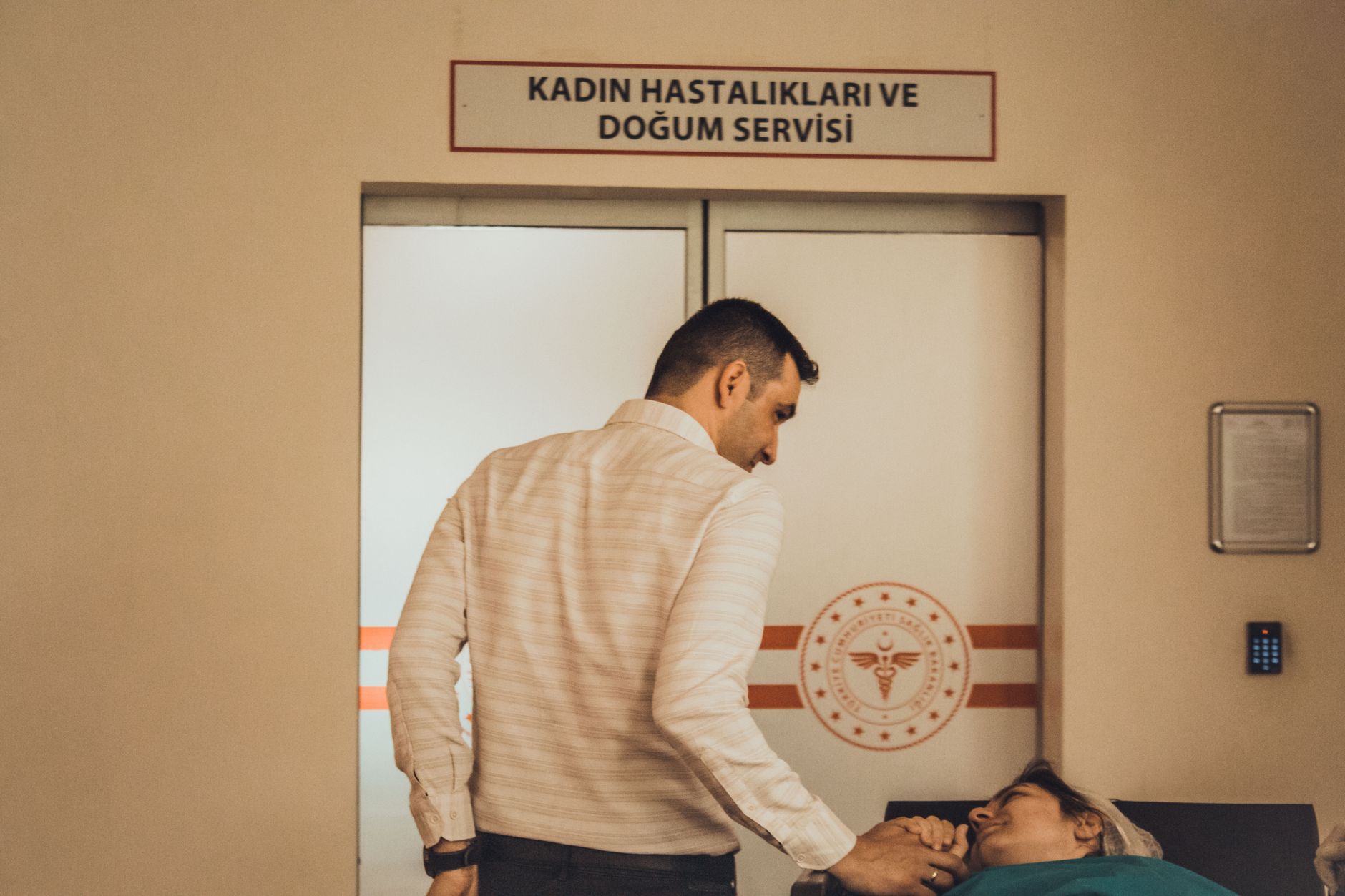
Upon arrival, you undergo any necessary pre-procedure imaging. The IR team explains the procedure, answers your questions and obtains consent. Most interventions are performed under local anaesthesia and light sedation, so you remain comfortable but awake. The radiologist uses live imaging to guide instruments precisely to the target, and the procedure usually takes between 30 minutes and two hours.
Afterwards, you rest in a recovery area for a few hours. Many patients are discharged the same day or the next morning. A follow-up appointment is scheduled before you fly home, and your doctors remain available for virtual consultations. This continuity of care ensures you never feel abandoned after treatment.
It is important to choose an experienced, accredited hospital. Look for JCI accreditation, a dedicated interventional radiology department and a track record of international patients. Istanbul Medical Tourism can help you identify the right hospital and guide you through the entire process.
"Interventional radiology has changed what it means to have surgery. In Türkiye, we can treat complex tumours and vascular conditions through a pinhole — and patients go home the next day. It's truly the future of medicine." — Turkish interventional radiologist
If you are facing a condition that might require surgery, ask whether interventional radiology could be an option. For many patients, it offers a safer, faster and more comfortable path to recovery. Türkiye's skilled radiologists and advanced hospitals stand ready to provide that care.
Thinking about treatment in Turkey?
Share your contact details and a verified doctor will follow up with a plan built around you — free, no obligation.