

Interventional Radiology: The Quiet Revolution in Turkish Healthcare
Imagine undergoing a procedure that once required a large incision and weeks of recovery, now performed through a tiny puncture the size of a grain of rice. That's the reality of interventional radiology (IR), a medical specialty that uses imaging techniques like ultrasound, CT, and fluoroscopy to guide miniature instruments inside the body. In Türkiye, this field has quietly become a cornerstone of advanced medical care, offering patients from around the world access to highly precise, minimally invasive treatments.
Turkish hospitals have invested heavily in state-of-the-art imaging equipment and trained specialists who are adept at performing complex IR procedures. From embolisation to biopsies and pain blocks, these image-guided techniques are transforming the patient experience—reducing risks, shortening hospital stays, and speeding up recovery. For medical travellers, this means you can receive world-class treatment with minimal disruption to your life.
In this guide, we'll explore how interventional radiology is practiced in Türkiye, the procedures available, and why it has become a compelling option for those seeking high-quality care abroad.
What Is Interventional Radiology?
Interventional radiology is a subspecialty of radiology that uses real-time imaging to guide minimally invasive procedures. Instead of open surgery, interventional radiologists insert catheters, needles, or other tiny instruments through the skin—often via a small nick—to treat a wide range of conditions. This approach spares patients the trauma of large incisions, leading to less pain, lower infection risk, and faster recovery.
Common IR procedures include embolisation (blocking blood vessels to treat tumours or bleeding), biopsies (sampling tissue for diagnosis), and pain blocks (injecting medication to relieve chronic pain). These are performed using modalities such as digital subtraction angiography, CT, and ultrasound, allowing unparalleled precision.
In Türkiye, interventional radiology is integrated into major hospitals and dedicated centres, with teams that include not only radiologists but also anesthesiologists, nurses, and technologists. This multidisciplinary approach ensures comprehensive care and safety.
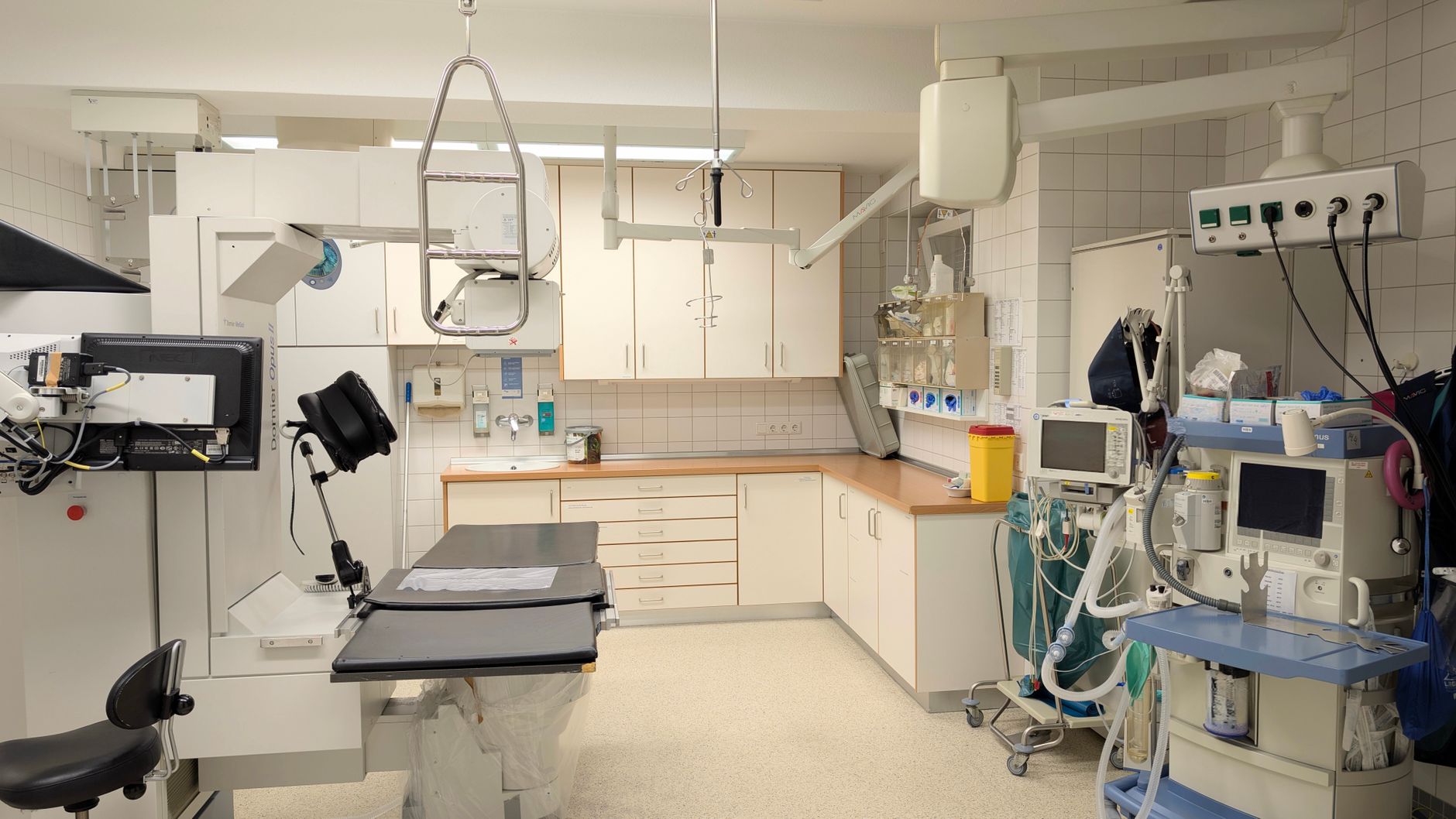
Embolisation: Blocking Blood Flow to Treat Disease
Embolisation is a procedure that deliberately blocks blood vessels to treat various conditions. It is commonly used to shrink tumours (e.g., uterine fibroids or liver cancer), control bleeding (e.g., from trauma or gastrointestinal sources), and treat vascular malformations. By cutting off the blood supply, the targeted tissue shrinks or stops bleeding without the need for open surgery.
Turkish hospitals perform embolisation with high success rates, using advanced microcatheters and embolic agents. For example, uterine fibroid embolisation (UFE) is a popular alternative to hysterectomy, preserving the uterus and fertility. Patients typically experience significant symptom relief within weeks, with only a tiny puncture site and a short hospital stay.
For medical travellers, embolisation offers a compelling option: it's minimally invasive, often requires only local anesthesia and sedation, and allows a return to normal activities within days. Turkish clinics provide thorough pre-procedure assessments and follow-up care to ensure optimal outcomes.
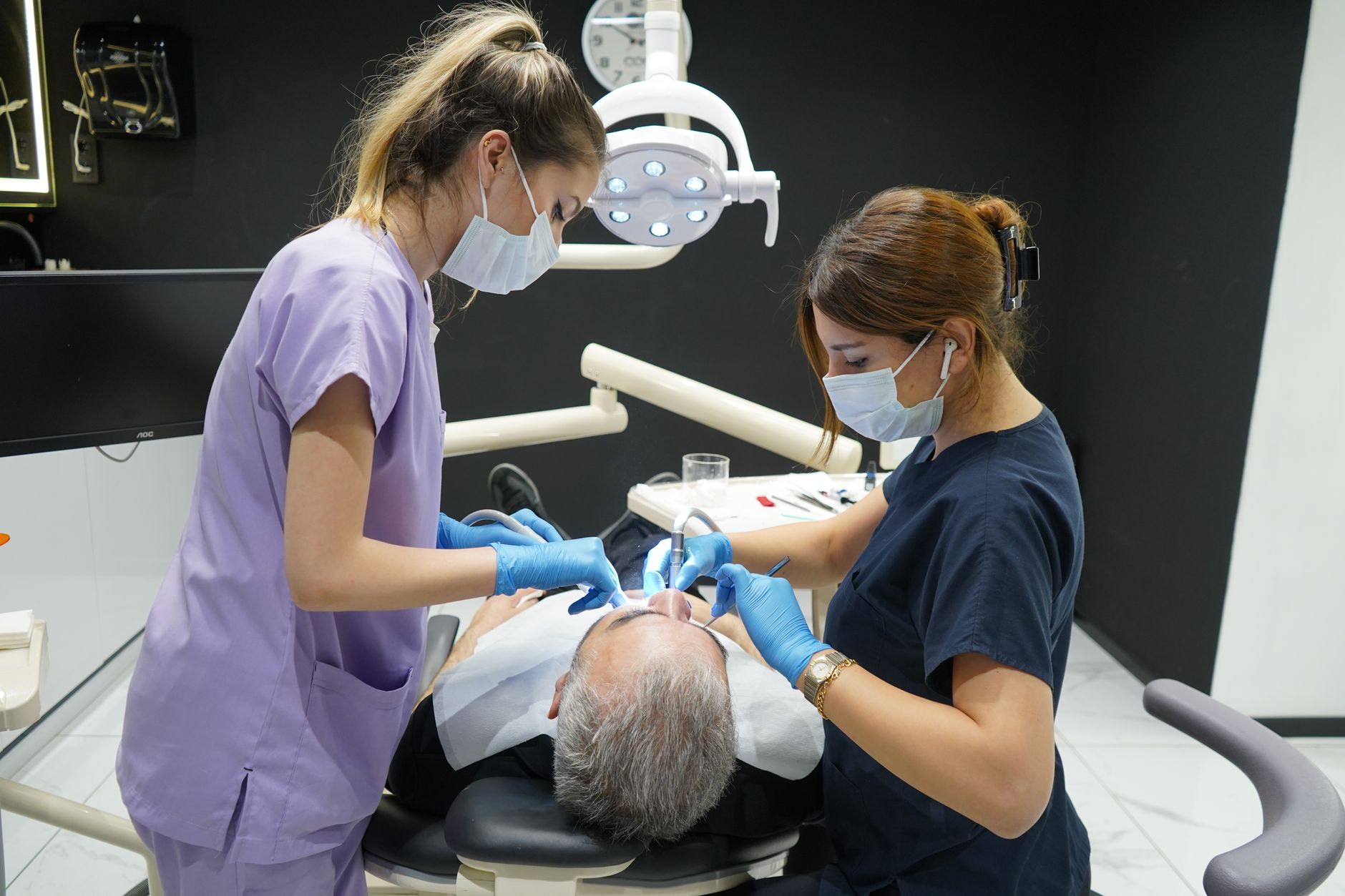
Precise Diagnostics: Image-Guided Biopsies
When a suspicious lesion is found, a biopsy is often necessary to determine whether it is benign or malignant. Traditional surgical biopsies can be invasive, but image-guided biopsies use ultrasound, CT, or MRI to precisely target the area, reducing damage to surrounding tissues.
In Türkiye, radiologists are highly skilled in performing biopsies of the breast, thyroid, liver, lung, and other organs. The procedure is quick, usually outpatient, and provides accurate results that guide treatment decisions. For cancer patients, this means faster diagnosis and the ability to start therapy sooner.
Advanced techniques such as core needle biopsy and fine needle aspiration are routinely used, with pathologists providing rapid turnaround times. Medical travellers can benefit from Türkiye's efficient diagnostic pathways, often completing consultations, imaging, and biopsy within a few days.
Pain Management: Targeted Relief Without Surgery
Chronic pain can be debilitating, and interventional radiology offers effective solutions through image-guided pain blocks. These procedures involve injecting local anesthetics or steroids precisely around nerves or joints to interrupt pain signals. Common applications include back pain, arthritis, and neuropathic conditions.
Turkish hospitals employ fluoroscopy or CT guidance to ensure accurate needle placement, maximizing relief and minimizing side effects. Procedures like epidural steroid injections, facet joint blocks, and nerve root blocks are performed by experienced interventional radiologists or pain specialists.
For patients seeking alternatives to long-term medication or surgery, these blocks can be life-changing. The outpatient nature of these procedures means travellers can often combine treatment with a short stay in Türkiye's vibrant cities.
Why Choose Turkish Hospitals for Interventional Radiology?
Türkiye has emerged as a leading destination for medical tourism, and interventional radiology is a prime example of its capabilities. Hospitals in Istanbul, Ankara, and Izmir are equipped with the latest imaging technology, including 3T MRI, 256-slice CT, and advanced angiography suites. Many are accredited by international bodies such as JCI, ensuring high standards of care.
Turkish radiologists often train in Europe or the US and are members of international societies, bringing global expertise to local practice. The cost of IR procedures in Türkiye is significantly lower than in Western Europe or North America—often 50-70% less—without compromising quality.
Moreover, Türkiye's location bridges Europe and Asia, making it easily accessible. Many hospitals offer dedicated international patient departments that assist with travel arrangements, translation, and post-procedure follow-up.
What Medical Travellers Can Expect: Minimal Downtime and Precise Care
One of the biggest advantages of interventional radiology is minimal downtime. Most procedures are performed on an outpatient basis or require only an overnight stay. Patients can often return to their hotel the same day and resume light activities within 24-48 hours.
Precision is another hallmark. Image guidance ensures that treatments are targeted exactly where needed, reducing collateral damage and improving outcomes. This is particularly important for biopsies and pain blocks, where accuracy is paramount.
For travellers, Turkish hospitals provide comprehensive support: pre-operative consultations, clear explanations of the procedure, and post-procedure care instructions. Many facilities offer multilingual staff and international patient coordinators who can help navigate the healthcare system.
Planning Your IR Procedure in Türkiye
If you're considering interventional radiology in Türkiye, start by researching hospitals with dedicated IR departments and experience in your specific condition. Look for accreditation and read patient testimonials. Most international patient departments will request your medical records and imaging for a preliminary review.
Once accepted, you'll receive a treatment plan and cost estimate. Travel to Türkiye is straightforward, with direct flights to major cities. It's advisable to arrive a few days before your procedure for consultations and any necessary tests.
After the procedure, follow your doctor's advice regarding activity restrictions and follow-up. Many hospitals offer telemedicine follow-ups, so you can continue care after returning home.
Türkiye's interventional radiology teams are quietly world-class, combining advanced technology with skilled specialists to deliver safe, effective, minimally invasive care.
Whether you need embolisation, a biopsy, or a pain block, Turkish hospitals offer a compelling blend of expertise, affordability, and accessibility. With minimal downtime and precise diagnostics, you can focus on healing and perhaps even enjoy a bit of sightseeing during your recovery.
Thinking about treatment in Turkey?
Send us a question about this site or about the information published on it. This is a publisher's mailbox, not a medical service and not a route to a particular provider — for clinical questions, contact your own doctor.