

A Calmer Landing for Medical Travellers
For patients flying into Istanbul for treatment, the first hour after baggage claim can set the tone for the entire trip. Arriving in an unfamiliar city, often after a long flight and in a language they do not speak, many travellers face the same immediate questions: how to reach the hospital, how to get a local SIM card, and whom to call if something goes wrong.
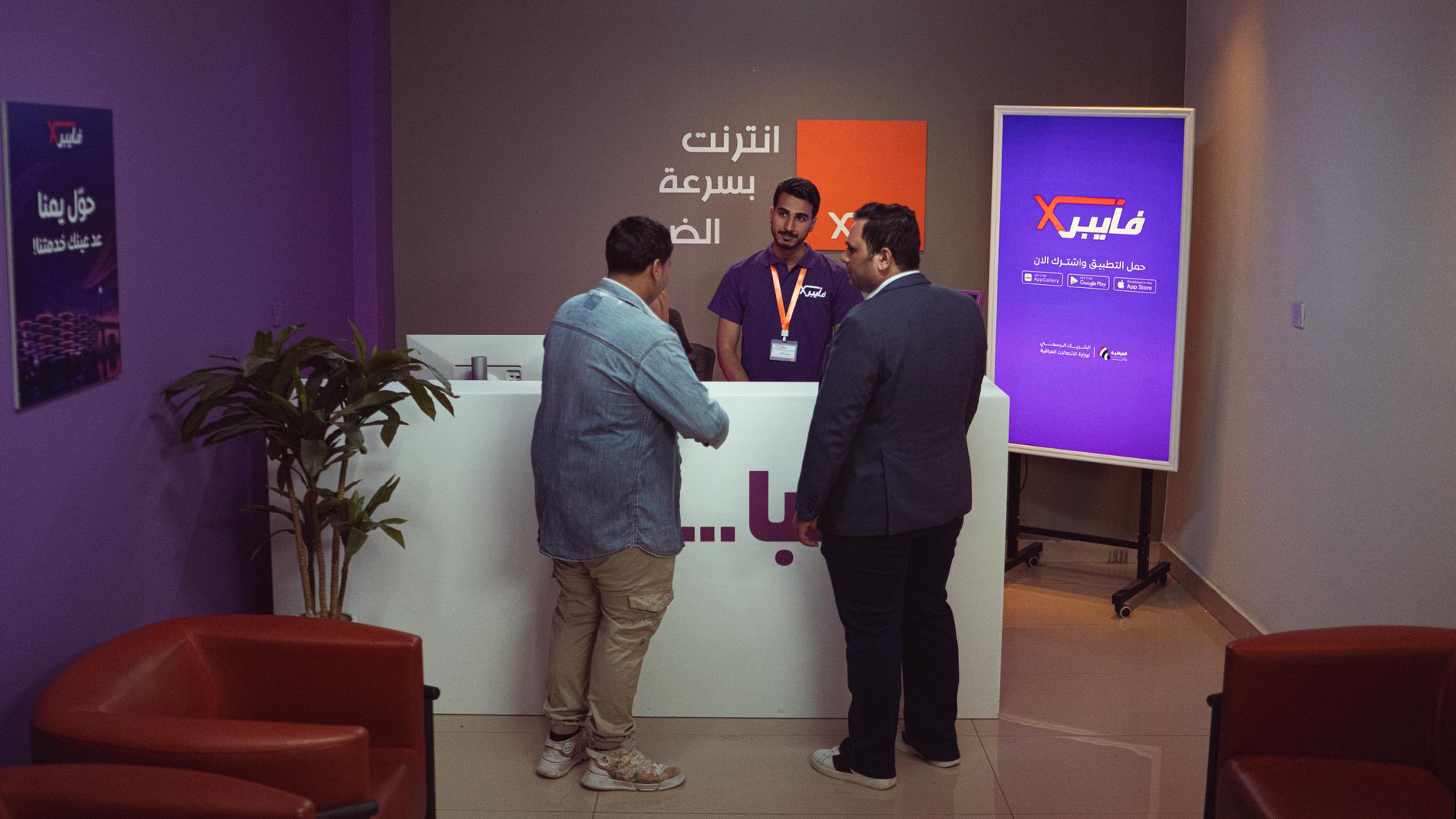
In response, medical welcome desks have become a familiar sight in the arrivals areas of both Istanbul Airport and Sabiha Gökçen Airport. Staffed by multilingual coordinators, these counters are typically operated by hospitals, clinics or their authorised transfer partners, and they focus on one goal: getting patients and their companions smoothly from the terminal to their accommodation or hospital without unnecessary confusion.
The service is not a replacement for medical care, but a practical bridge between the flight and the treatment journey. For many patients, that bridge is exactly what makes the first day manageable.
What the Desks Actually Help With
The scope of assistance is deliberately practical. Coordinators commonly help arriving patients confirm their pre-booked airport transfer, locate the correct meeting point or shuttle, and contact the hospital if a flight has been delayed. For travellers who need connectivity, staff can point the way to airport SIM card counters or assist with activating a local mobile plan so patients can reach family and their clinic.
Language support is another core function. While not every desk offers full interpretation, many provide basic translation help at check-in points and can connect patients by phone with a hospital coordinator who speaks their language. This is particularly useful for companions handling paperwork on the patient's behalf.
Where a hospital has arranged admission in advance, desk staff can also confirm the patient's arrival, share estimated transfer times with the clinical team, and explain the next steps in the check-in process. These are coordination services rather than medical services, and patients should still expect formal admission procedures at the hospital itself.
Why the First Day Matters So Much
Medical travel researchers and patient-experience teams have long noted that anxiety peaks before treatment begins, not during it. The first day combines jet lag, unfamiliar surroundings and administrative tasks, all at a moment when patients are already physically and emotionally vulnerable.
Companions carry much of this burden. A spouse or adult child may be juggling luggage, documents, phone calls and a patient who needs rest. A single point of contact in the arrivals hall can reduce the number of decisions that must be made on the spot, and it gives families a clear next step rather than a list of open questions.
Hospitals benefit too. When a patient's arrival is confirmed and their transfer is tracked, clinical teams can plan admissions more accurately and avoid the disruption of missed appointments or late arrivals. The result is a first day that feels structured rather than improvised.
"The goal is simple: a patient should not have to solve the airport on their own while worrying about surgery," one airport-based coordinator explained.
How Patients Can Prepare Before Flying
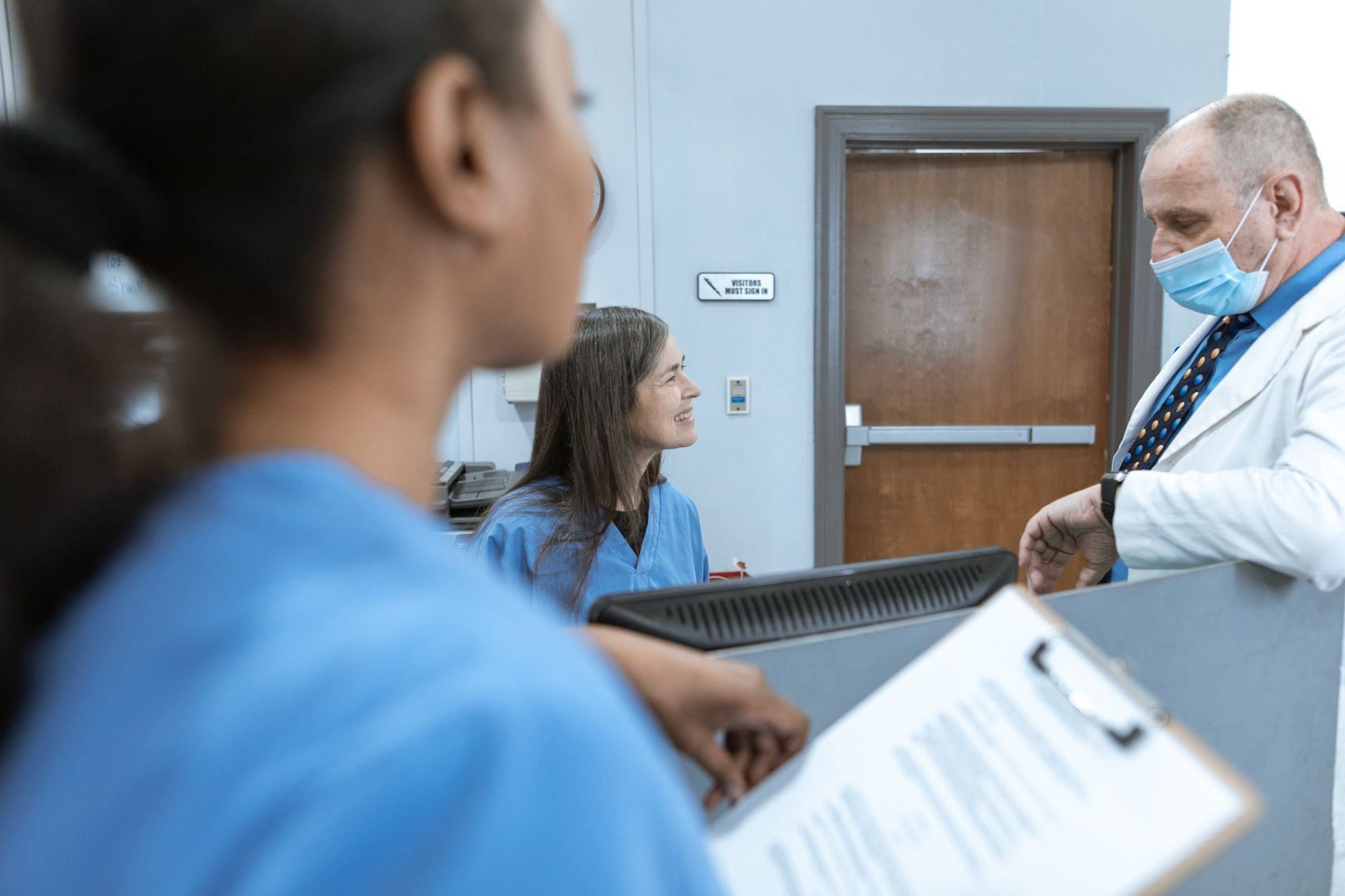
Most welcome-desk services work best when arrangements are made in advance. Patients are generally advised to share their flight number and arrival time with their hospital or clinic, confirm whether an airport meeting point has been assigned, and keep key documents, including passport, appointment letter and transfer confirmation, in hand luggage.
- Confirm your transfer booking and meeting point before departure.
- Save the hospital coordinator's phone number and a messaging app contact.
- Check whether your mobile plan supports roaming or plan to buy a local SIM.
- Carry a printed copy of your appointment letter in case airport Wi-Fi is unreliable.
- Travel with a companion where possible, especially for longer flights.
Patients should also be realistic about what airport staff can and cannot do. Welcome desks are not medical facilities, and they cannot provide clinical advice. Anyone feeling unwell during travel should speak to airport medical services or their treating hospital directly.

Istanbul's Two-Airport Advantage
Istanbul's position as a medical travel hub rests partly on connectivity. Istanbul Airport handles the majority of long-haul arrivals, while Sabiha Gökçen serves a large share of European and regional flights. Having welcome support at both airports means patients are covered regardless of which carrier or route they choose.
The city's geography also helps. Major private hospital groups cluster in districts such as Şişli, Beşiktaş and Bağcılar, and transfer times from the airports vary considerably depending on traffic and destination. Coordinators who know these patterns can give patients a realistic sense of when they will arrive, which matters for anyone scheduled for same-day or next-morning procedures.
For companions, the desks also offer a small but meaningful service: orientation. Simple guidance on taxi apps, public transport cards and nearby amenities can make the difference between a bewildering arrival and a confident one.
A Growing Standard in Patient Experience
Airport welcome desks are now increasingly viewed as part of the standard patient journey rather than a premium extra. Hospitals that invest in them often report smoother admissions and fewer last-minute cancellations caused by transport problems, though formal data on outcomes remains limited.
Patients considering treatment in Turkey should ask their provider whether an airport meet-and-greet is included, what languages are covered, and whether the service extends to their companions. It is also worth clarifying whether the desk operates around the clock or only during certain hours, since late-night arrivals are common on long-haul routes.
As competition among medical travel destinations intensifies, small touches on arrival day are becoming a differentiator. For Istanbul, the message is clear: the care journey now begins at the terminal, not at the hospital door.
Thinking about treatment in Turkey?
Send us a question about this site or about the information published on it. This is a publisher's mailbox, not a medical service and not a route to a particular provider — for clinical questions, contact your own doctor.