

Global Specialists Gather in Istanbul
Istanbul has hosted an international congress dedicated to robotic and minimally invasive gynaecology, bringing together surgeons, researchers and clinical teams from across Europe, the Middle East, Asia and beyond. The meeting placed Türkiye at the centre of a fast-moving field that is reshaping how women's health surgery is performed worldwide.
Over several days, delegates exchanged evidence on robotic-assisted hysterectomy, myomectomy, endometriosis surgery and advanced laparoscopic techniques. Live surgery transmissions and hands-on workshops turned conference halls into working classrooms, where experienced operators demonstrated delicate procedures step by step.
The choice of Istanbul was no accident. With its modern hospital infrastructure and a long tradition of surgical excellence, the city has become a natural meeting point for medical knowledge — and a destination where international patients increasingly receive care.
Why Robotic and Minimally Invasive Surgery Matters
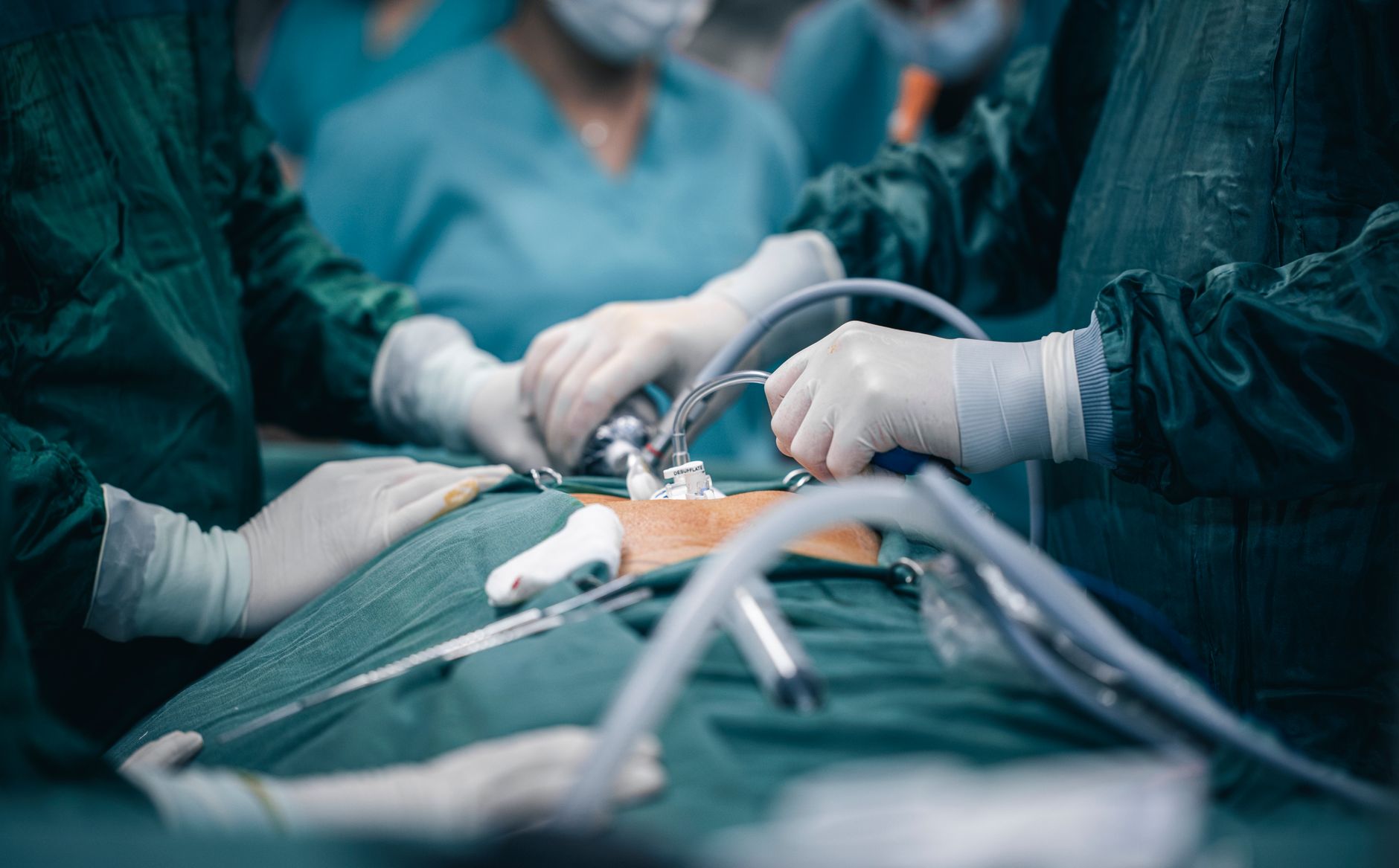
Traditional open gynaecological surgery often means a large abdominal incision, considerable pain and a hospital stay measured in days. Minimally invasive approaches instead use small ports and fine instruments, guided either by a surgeon's hands or by robotic arms that translate movements with extraordinary precision.
The clinical benefits are well documented: less bleeding, lower infection risk, reduced scarring and a faster return to normal life. For women treated abroad, these advantages are not abstract — they translate directly into fewer nights away from home and a smoother journey overall.
Robotic platforms add another dimension by offering magnified three-dimensional vision and articulated instruments that reach where the human wrist cannot. Complex cases involving fibroids, endometriosis or deep pelvic anatomy can be managed with a level of control that was unimaginable a generation ago.
Türkiye's Leadership in Women's Health Surgery
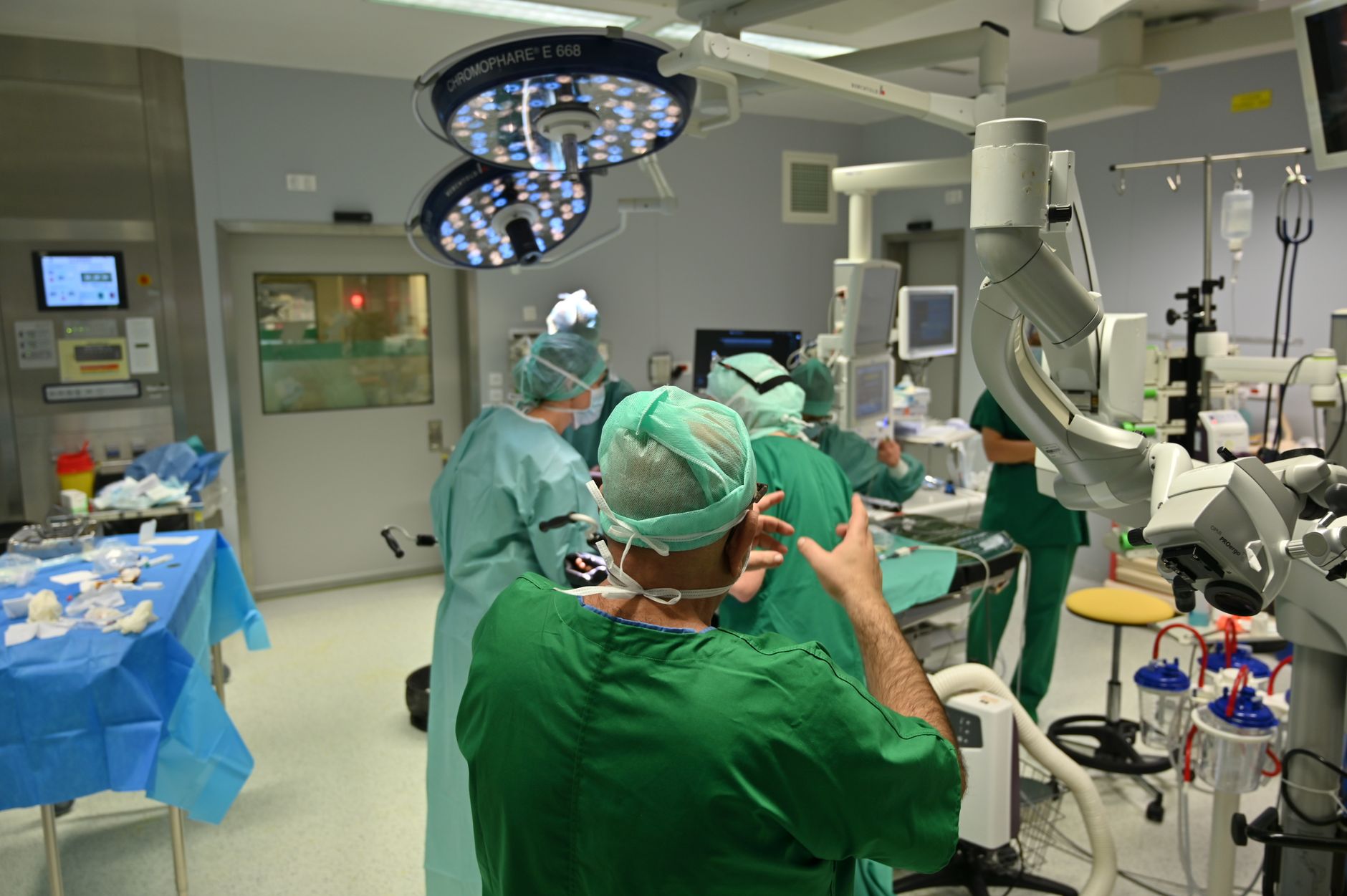
Türkiye has invested heavily in women's health, building high-volume gynaecology departments equipped with the latest robotic and laparoscopic systems. Turkish surgeons regularly publish in international journals, present at global meetings and train colleagues from other countries, reinforcing the nation's reputation as a genuine leader in the field.
The congress underscored this status. Turkish faculty chaired sessions, led debates on surgical safety and shared outcome data from their own practices. Their participation was not symbolic — it reflected years of consistent case volume and rigorous quality improvement.
Health authorities and hospital groups have supported this trajectory with accreditation programmes, standardised protocols and continuing education. The result is a surgical ecosystem that international patients can trust, backed by measurable results and transparent reporting.
A Magnet for Global Knowledge Exchange
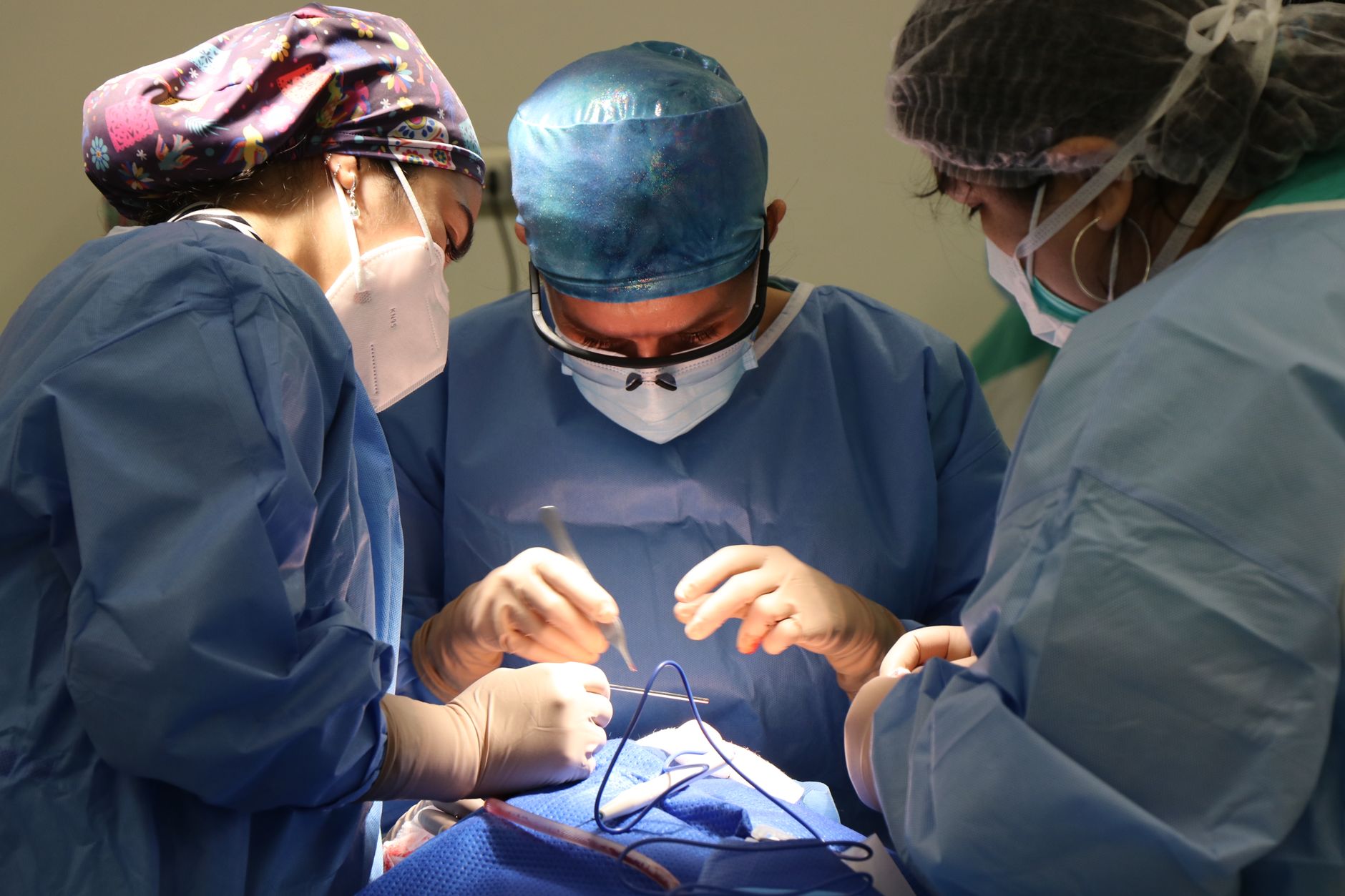
Conferences like this one are engines of progress. When specialists from dozens of countries compare techniques, complications and recovery pathways, the entire field advances faster. Istanbul has become a regular host for such exchanges, strengthening ties between Turkish institutions and leading clinics worldwide.
Knowledge shared in a congress hall on Friday can shape an operating theatre the following week.
This is precisely why the event matters for patients. Techniques debated and refined in Istanbul do not stay in the conference centre — they flow quickly into Turkish hospitals, where surgeons adopt proven innovations and discard approaches that no longer serve patients well.
Collaboration also works in both directions. International experts learn from Türkiye's high-volume experience, while Turkish teams gain early access to new devices, trial data and global best practices. Patients are the ultimate beneficiaries of this two-way street.
What This Means for International Patients
For anyone considering gynaecological surgery abroad, the practical value is clear. Techniques discussed at the congress reach Turkish operating theatres quickly, meaning smaller incisions, shorter hospital stays and faster recovery for international patients who choose Istanbul.
A minimally invasive procedure may allow a woman to fly home sooner, return to work earlier and avoid the long convalescence associated with open surgery. Combined with Türkiye's competitive pricing and modern private hospitals, this creates a compelling option for patients facing long waits or high costs at home.
Equally important is continuity of care. Many Turkish clinics offer structured packages that include preoperative assessment, interpretation services, accommodation guidance and follow-up after the patient returns home — so the surgical innovation showcased at the congress is matched by a supportive patient journey.

Looking Ahead
The congress closed with commitments to further research, cross-border training and shared registries that track outcomes over time. Organisers signalled that Istanbul intends to remain a recurring hub for robotic and minimally invasive gynaecology, hosting future editions that welcome even broader international participation.
For patients, the message is warm and forward-looking: Türkiye is not simply keeping pace with global advances in women's health — it is helping to set them. Every innovation presented here moves steadily toward the operating table, where it becomes gentler surgery, quicker healing and renewed confidence for women who travel to Istanbul for care.
Thinking about treatment in Turkey?
Share your contact details and a verified doctor will follow up with a plan built around you — free, no obligation.