

Istanbul's Hospital Building Boom, Explained Simply
If you are planning treatment in Istanbul in 2027, the city's hospital landscape is changing in your favour. Several large new hospital campuses have opened or are nearing completion across the city, adding thousands of beds and dozens of modern operating theatres to the capacity available to international patients.
For visitors, the practical effect is straightforward: more rooms, more surgery slots and more staff dedicated to patients who travel from abroad. Capacity that once filled up months in advance is being spread across a larger, newer network.
This is not a single flagship project but a broad expansion — from the large campus hospitals on the European side to new facilities serving the Asian side and the airport corridor — and it is happening as Istanbul prepares for a busy 2027 season.
Shorter Waiting Times for Common Procedures
The most immediate benefit for medical travellers is scheduling. With additional operating theatres coming online, hospitals can offer surgery dates closer to the patient's preferred travel window, particularly for high-volume procedures such as hair transplants, dental work, bariatric surgery, orthopaedics and cosmetic operations.
That matters because waiting time is often the deciding factor for patients comparing destinations. A shorter gap between first enquiry and operation date also means less time for plans to change, and more flexibility for people coordinating time off work or family care at home.
Patients should still expect consultation and pre-operative assessment to be thorough. The aim of extra capacity is to remove bottlenecks in scheduling and recovery rooms — not to rush clinical checks.
Modern Operating Theatres and Recovery Rooms
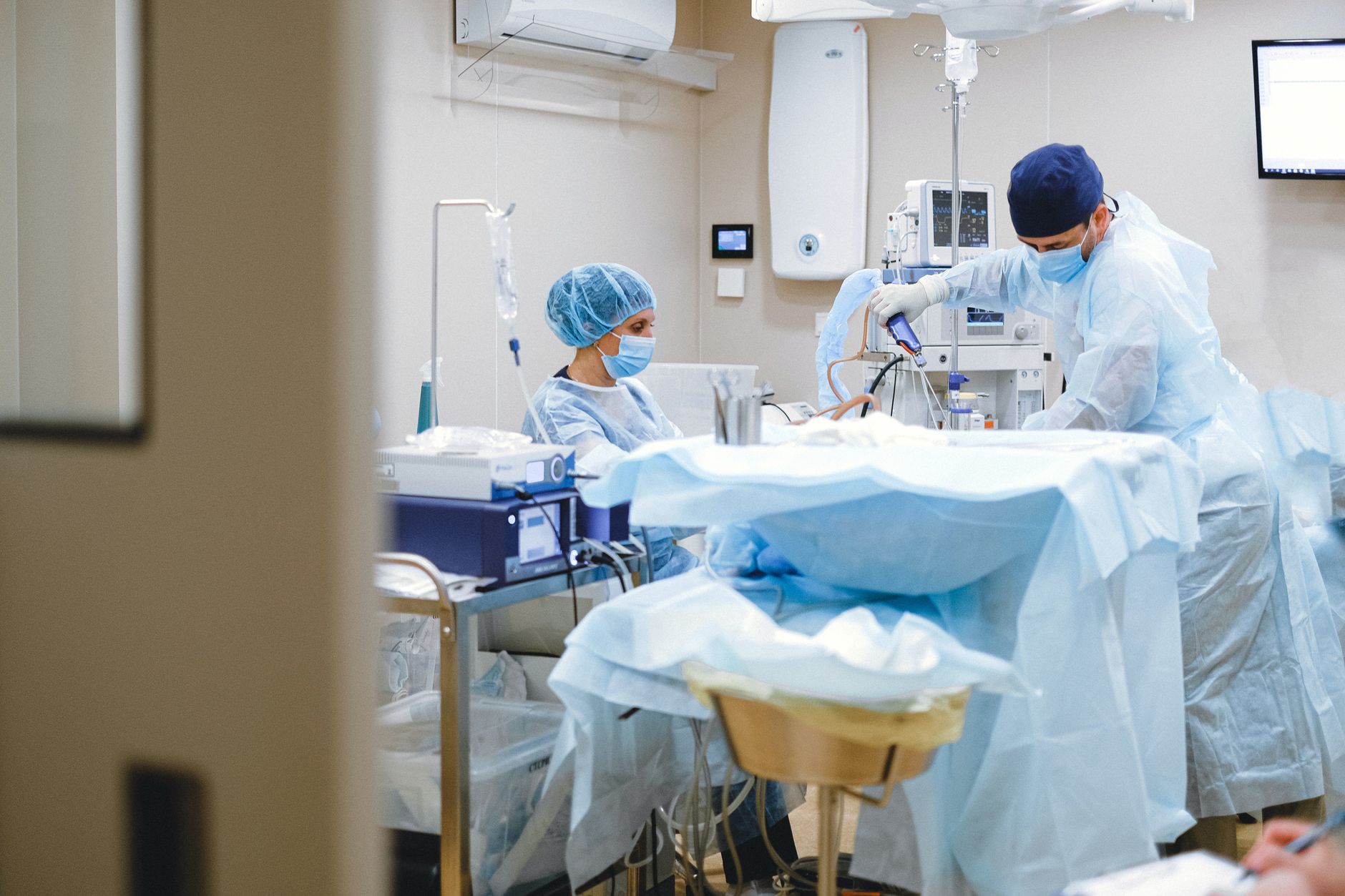
New buildings bring new clinical infrastructure. The latest operating theatres are designed with integrated imaging, improved air filtration and dedicated recovery bays, which can support more complex procedures and smoother post-operative monitoring.
For patients, this often translates into smaller incisions where minimally invasive techniques are used, shorter stays in hospital for many procedures, and recovery rooms that are quieter and better equipped for international guests who may be travelling alone.
It is always worth asking your chosen hospital a few direct questions: how old is the operating theatre, is it located in the same building as your room, and what intensive care backup is available on site? Reputable hospitals will answer these clearly.
Dedicated International Patient Floors
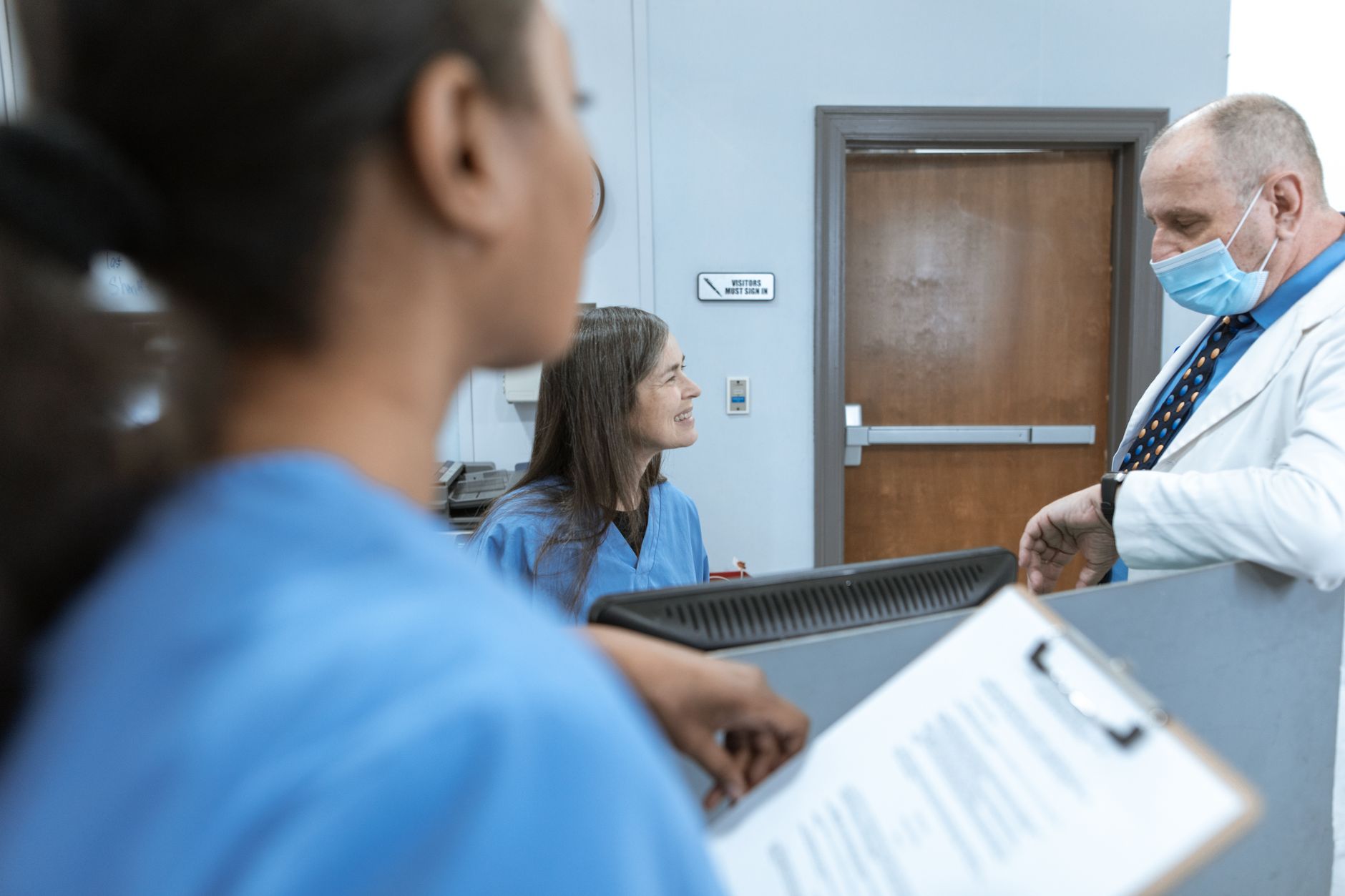
One of the most noticeable changes in the new facilities is the growth of dedicated international patient departments — often occupying their own floor or wing. These units typically combine multilingual coordinators, private consultation rooms, translation support and separate admission desks.
The aim is to reduce the friction of navigating an unfamiliar healthcare system. Instead of moving between scattered departments, an international patient can often complete consultations, tests and paperwork in one area, with a single coordinator handling the logistics.
Newer buildings also tend to include more single rooms with space for a companion, Wi-Fi, and facilities suited to longer recovery stays — details that matter when you are far from home.
What This Means for Your 2027 Trip
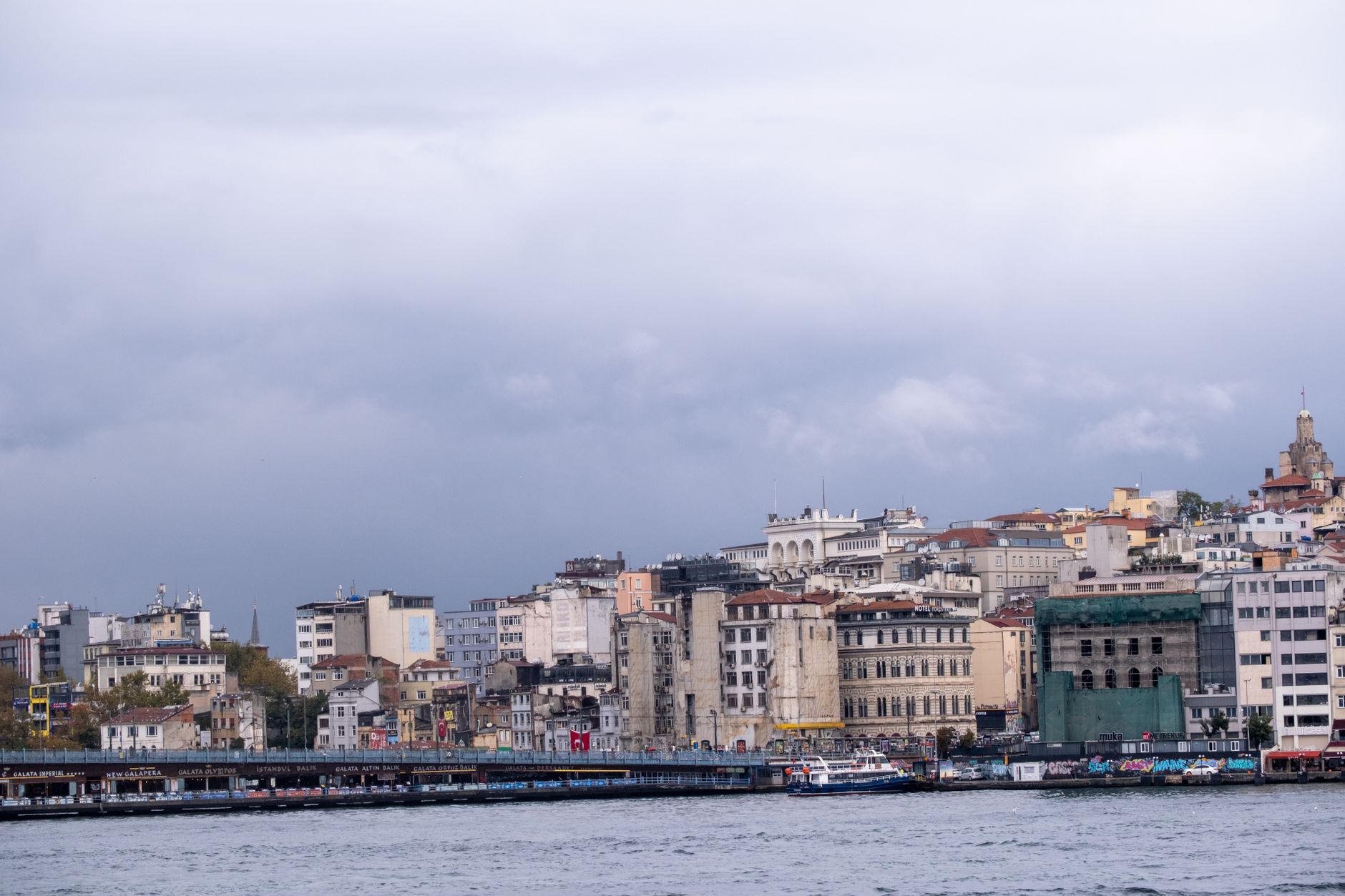
If you are considering treatment in Istanbul next year, the expanded capacity gives you more choice and more negotiating room on dates. It also means you can afford to compare two or three hospitals rather than settling for the first available slot.
Practical steps remain the same: verify the hospital's international accreditation and surgeon credentials, ask for a written treatment plan and all-inclusive quote, and confirm what aftercare and follow-up are included once you return home.
Booking earlier still helps for popular procedures and peak travel months, but the pressure on waiting lists is easing — a sign of a healthcare sector investing confidently in the patients who travel to use it.
Questions Worth Asking Before You Book
- Is the quoted procedure performed in the new facility, and in which building?
- How many nights are included, and what is the cost of an extra night?
- Who is my named coordinator, and which languages do they speak?
- What is included in aftercare once I am back in my home country?
- What is the hospital's policy if surgery dates need to change?
Istanbul's growing hospital capacity is good news for medical travellers — but the best outcomes still come from careful questions, clear written agreements and realistic expectations.
Thinking about treatment in Turkey?
Send us a question about this site or about the information published on it. This is a publisher's mailbox, not a medical service and not a route to a particular provider — for clinical questions, contact your own doctor.