

A New Benchmark for Healthcare in Southeastern Türkiye
Diyarbakır has officially welcomed a newly JCI-accredited hospital, marking a significant milestone for healthcare access in Southeastern Türkiye. The Joint Commission International (JCI) seal is the most widely recognised global benchmark for patient safety and clinical quality, and its arrival in the region signals that world-class care is no longer a privilege reserved for Türkiye's largest western cities.
For decades, patients from the southeast often travelled hundreds of kilometres — frequently to Istanbul, Ankara or Izmir — to reach hospitals holding international accreditation. That journey has now become optional rather than necessary.
This development reflects a broader national trend: Türkiye's medical capacity is growing not only in depth but in geographic reach, with high-standard facilities emerging across Anatolia. The result is a more balanced healthcare map and more choice for patients at home and abroad.
What JCI Accreditation Actually Means for Patients
JCI accreditation is awarded only after an exhaustive, on-site evaluation covering hundreds of standards — from surgical safety checklists and infection control to medication management and patient rights. Hospitals must demonstrate continuous compliance, not a one-time pass.
For patients, this translates into concrete, practical protection:
- Internationally validated safety protocols in operating rooms, intensive care and inpatient wards
- Documented sterilisation, hygiene and infection-prevention procedures
- Systematic verification of patient identity, medication and procedure site before surgery
- Transparent complaint, consent and patient-rights mechanisms
In short, the accreditation tells patients — including international ones — that the hospital is measured against the same yardstick used in leading medical centres in the United States, Europe and Asia.
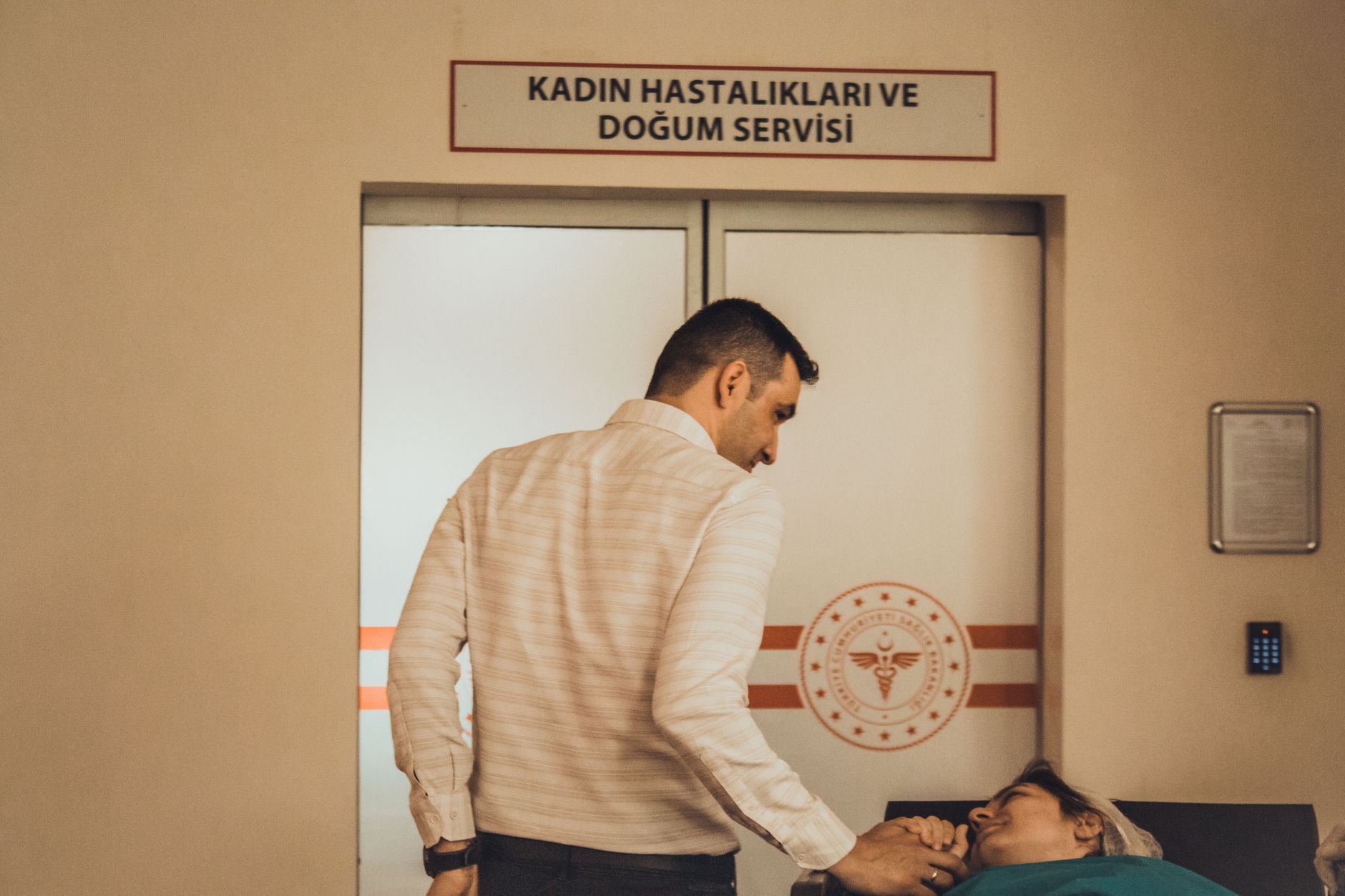
Modern Technology in a New Regional Centre
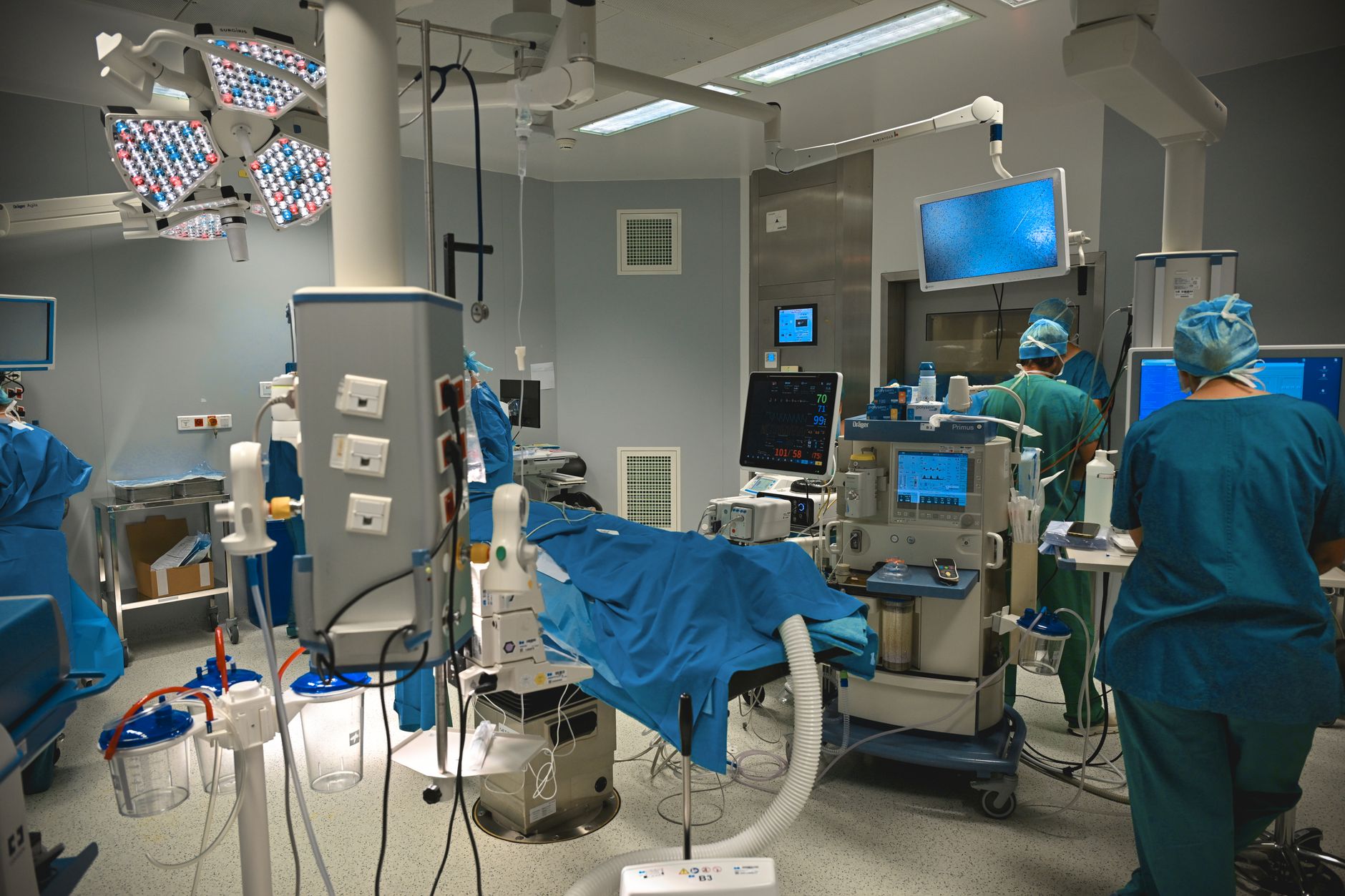
The new facility is equipped with contemporary diagnostic and treatment infrastructure, including advanced imaging systems, modern operating theatres and digitally integrated patient records. This technology supports procedures across a wide range of specialties, from cardiology and orthopaedics to oncology, general surgery and IVF.
Just as importantly, the hospital is designed around patient flow — shorter waiting times, coordinated multidisciplinary teams and structured post-operative follow-up. Technology is only valuable when it is embedded in an organised clinical process, and the accreditation process enforces exactly that.
For medical travellers, this means a credible alternative destination within Türkiye, with the same standards they would expect from an accredited hospital in Istanbul, but in a different regional setting — often with shorter waiting lists and competitive pricing.
Multilingual Support for International Patients
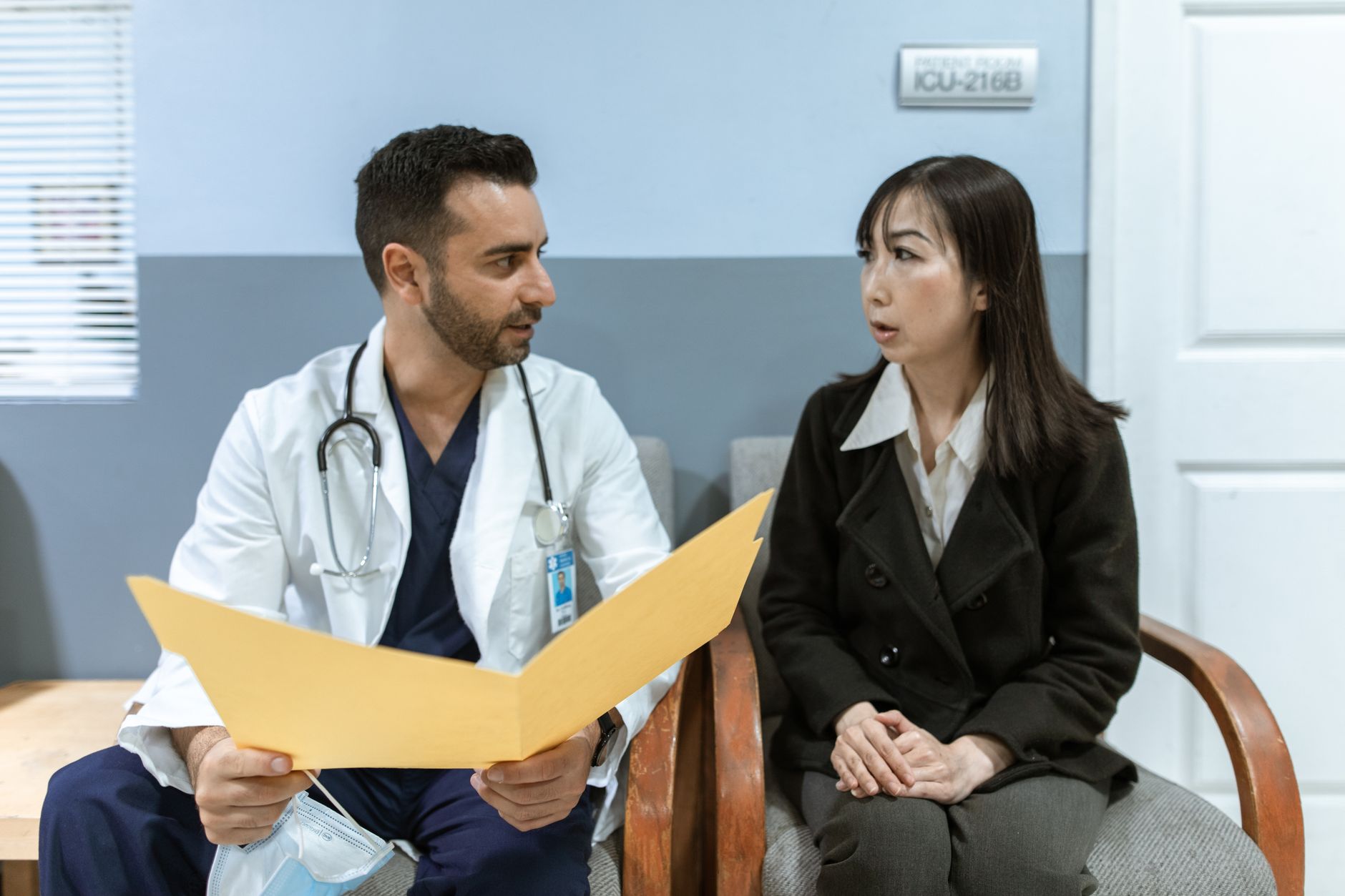
Recognising that medical travel depends as much on communication as on clinical skill, the hospital offers multilingual support for international patients. Arabic, Kurdish, English, German and Russian-speaking coordinators are typically available to guide patients through consultation, admission, treatment and discharge.
Practical assistance extends beyond translation: airport transfers, visa-related documentation, accommodation guidance for companions, and appointment scheduling are all part of the patient-services framework. This concierge-style approach is now standard practice in Türkiye's medical tourism sector, and its presence in Diyarbakır widens the country's offer considerably.
Türkiye's healthcare story is no longer only an Istanbul story — it is a national one, and regional centres like Diyarbakır are now central characters.
Why This Matters for Patients Across the Region
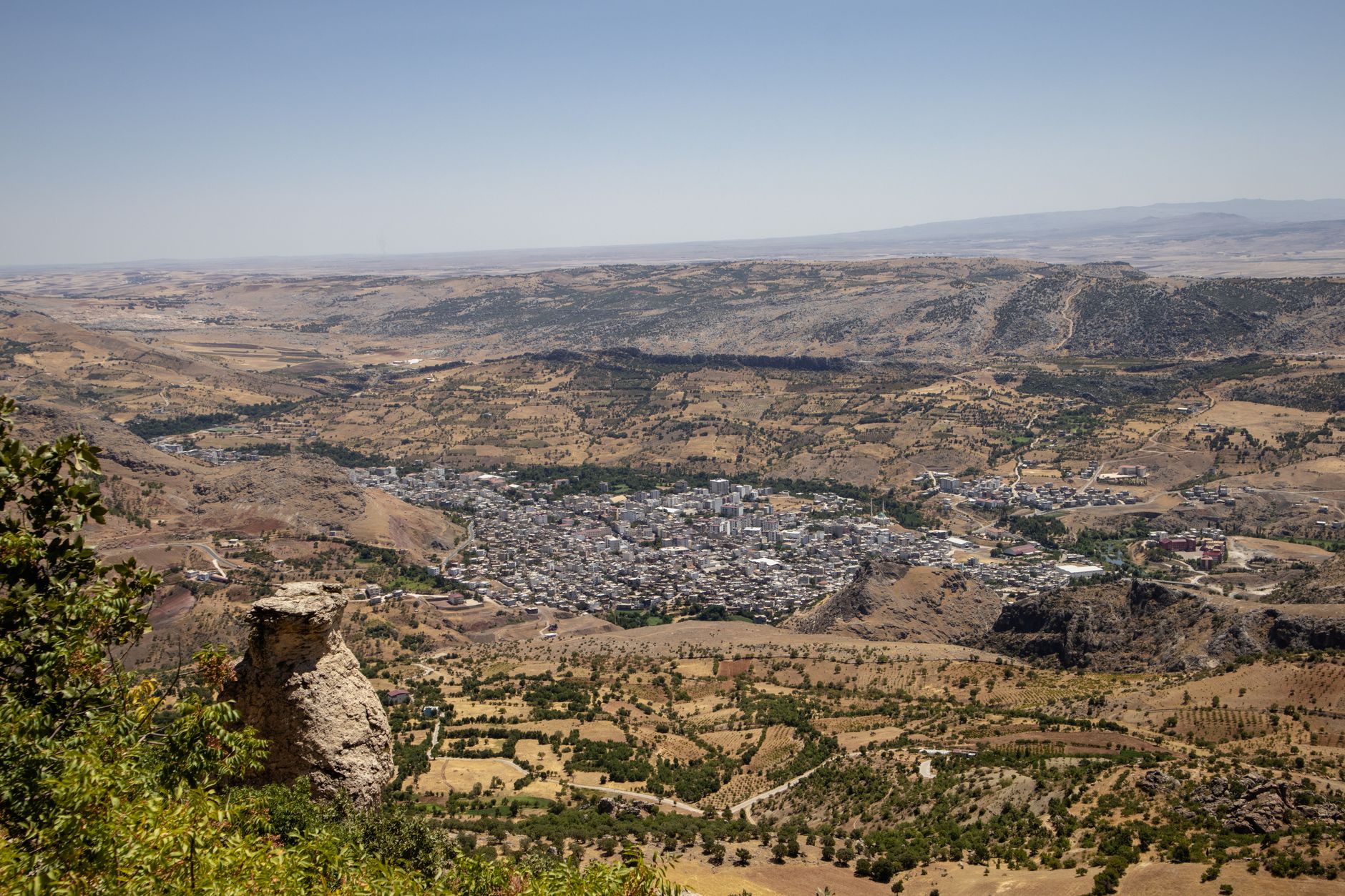
Southeastern Türkiye sits at a crossroads between Europe, the Middle East and Central Asia. A JCI-accredited hospital in Diyarbakır brings internationally verified care within easy reach of patients from neighbouring provinces and from nearby countries, reducing travel time, cost and the stress of long-distance care.
Proximity has real clinical value. Shorter journeys mean less disruption for families, easier follow-up appointments, and faster access to revision or aftercare when needed. For patients managing chronic conditions or undergoing staged treatments, being closer to an accredited facility can materially improve outcomes and quality of life.
It also strengthens regional health resilience: local capacity to handle complex cases reduces the pressure on referral centres in western Türkiye and keeps skilled specialists, nurses and technicians working within the region.
Türkiye's Evenly Spreading Medical Capacity
This opening is part of a deliberate, long-term expansion of Türkiye's health infrastructure. Public and private investment has extended accredited, technology-rich hospitals well beyond the traditional medical tourism hubs, creating a genuinely national network of high-standard care.
For international patients, more accredited options mean more competition, more transparency and better value — while standards remain anchored to the same JCI framework. For Türkiye, it demonstrates that excellence in healthcare is not concentrated in a single city but distributed across the country.
The message from Diyarbakır is clear and optimistic: world-class, internationally accredited healthcare is now available closer to home for millions of people — and Türkiye's medical capacity continues to grow, evenly and confidently, from the Aegean to the Mesopotamian plain.
Thinking about treatment in Turkey?
Share your contact details and a verified doctor will follow up with a plan built around you — free, no obligation.