

Autumn Momentum Builds Across Türkiye's Accredited Hospitals
Türkiye's health tourism sector is heading into the final quarter of 2026 with strong momentum, as autumn arrivals from Europe reach new seasonal highs. Industry data and hospital booking trends point to a steady, sustained increase rather than a short-lived spike, with September traditionally marking the start of the busiest period for elective and specialist care.
For patients across Germany, the United Kingdom, the Netherlands, France and the Balkans, Türkiye has become a familiar option rather than an exotic one. Direct flights to Istanbul, Ankara, Izmir and Antalya, combined with published pricing and internationally accredited facilities, have turned a once-niche choice into a mainstream healthcare pathway.
The result is a sector that is not only growing but maturing. Rising volumes are being absorbed by a broader base of hospitals, clinics and specialist centres, which is good news for anyone weighing up treatment abroad in the months ahead.
What the Rising Numbers Mean for Patients
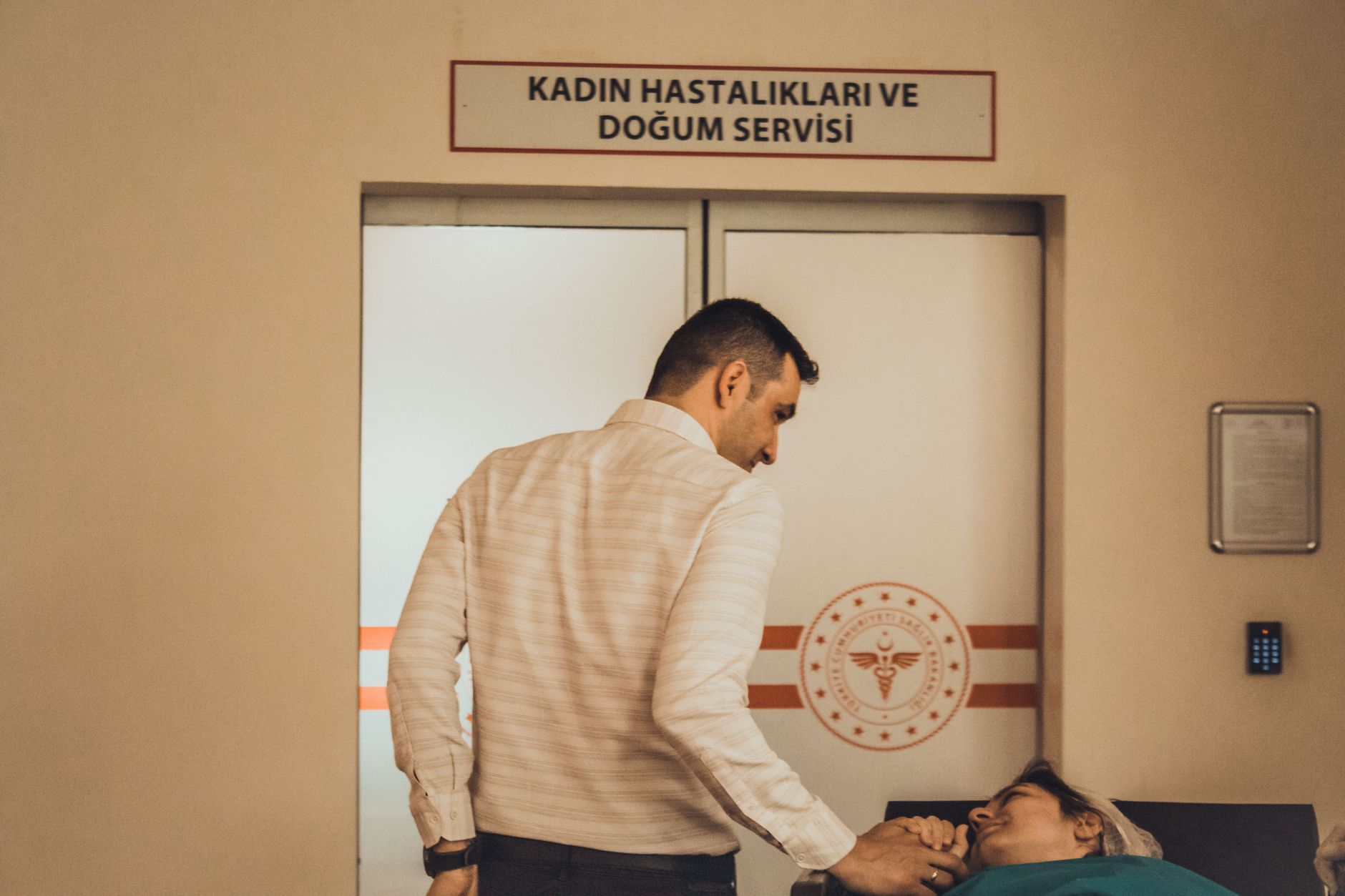
Record arrivals are often framed as a headline statistic, but their practical value lies in what they change on the ground. Higher patient volumes encourage hospitals to expand capacity: more operating theatres, more intensive care beds, more multilingual coordinators and longer clinic hours.
Capacity growth, in turn, tends to shorten waiting times for consultations and procedures. Patients researching treatments for late 2026 and early 2027 are already seeing faster appointment availability at many JCI-accredited and ISO-certified hospitals, particularly in Istanbul and Antalya.
Just as importantly, competition is shifting toward quality. With more accredited providers competing for European patients, hospitals are investing in patient experience, transparent pricing, outcome reporting and aftercare follow-up, rather than competing on price alone.
Istanbul, Antalya and Beyond: A Broader Map of Care
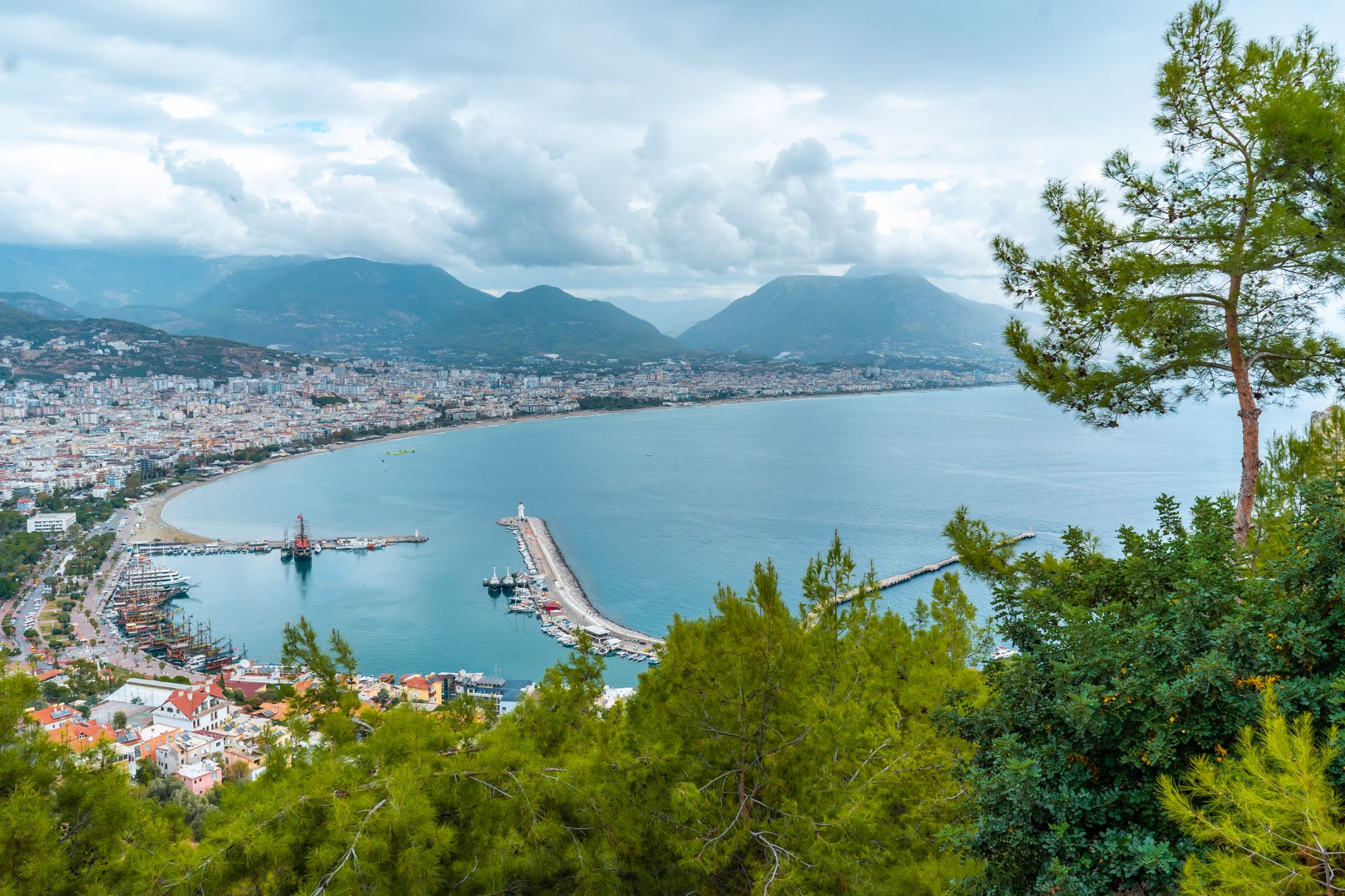
Istanbul remains the sector's largest hub, home to large multi-specialty hospitals and a dense cluster of cosmetic, dental and transplant centres. Antalya continues to attract patients who want to combine treatment with a coastal recovery, while Ankara and Izmir are gaining visibility for oncology, orthopaedics and fertility care.
Secondary cities are also entering the picture. Hospitals in Bursa, Konya and Gaziantep are building international patient units, often partnering with agencies and insurers to reach European markets directly. This decentralisation spreads demand and gives patients more choice outside the largest metropolises.
For European visitors, the practical effect is a wider range of options at different price points, without sacrificing accreditation standards. It also means shorter travel times for patients from southeastern Europe and the Balkans.

Quality, Accreditation and the Push for Transparency
Türkiye's health ministry has continued to promote international accreditation and standardised reporting among hospitals serving foreign patients. JCI accreditation, TEMOS certification and ISO quality standards are increasingly used as marketing signals, and patients are learning to look for them.
Transparency around pricing and outcomes is improving, though it remains uneven. Several established hospital groups now publish package details, surgeon credentials and complication rates, while smaller clinics are catching up under pressure from better-informed patients.
For anyone planning treatment, the advice remains consistent: verify accreditation, ask for a written treatment plan and quote, confirm the surgeon's experience with your specific procedure, and clarify what aftercare is included before booking flights.
What to Expect in the Final Quarter of 2026
With autumn bookings strong, the final quarter is expected to bring continued demand from Europe, particularly for orthopaedic, dental, vision and aesthetic procedures. Hospitals are adding multilingual staff and extending international patient services to handle the seasonal peak.
Patients planning treatment before the end of the year should book consultations early, especially for popular surgeons and dates around school holidays. Early planning also improves access to preferred accommodation and smoother recovery arrangements.
Türkiye's health tourism sector enters the last months of 2026 in a healthy position: growing, competitive and increasingly focused on quality. For European patients, that translates into more capacity, faster appointments and a wider choice of accredited hospitals than ever before.
Thinking about treatment in Turkey?
Send us a question about this site or about the information published on it. This is a publisher's mailbox, not a medical service and not a route to a particular provider — for clinical questions, contact your own doctor.