

If you're considering rhinoplasty abroad, two destinations dominate the conversation in 2026: South Korea, long known as a plastic surgery hub, and Türkiye, now one of the fastest-growing medical tourism destinations in the world. Both offer well-regarded surgeons and accredited hospitals — but their techniques, aesthetic philosophies, and patient experiences differ in important ways. This guide breaks down the Korean vs Turkish nose job comparison fairly and factually, with a focus on helping you make an informed decision.
Why Türkiye and South Korea Are Prominent in Global Rhinoplasty
South Korea built its reputation on precision surgery, especially for East Asian patients seeking subtle, natural-looking refinement. Seoul's clinics are known for meticulous pre-operative planning and a highly standardized approach to dorsal augmentation and tip plasty.
Türkiye, meanwhile, has emerged as a major destination for ethnic rhinoplasty — the art of reshaping the nose while preserving cultural and ethnic identity. Istanbul alone hosts hundreds of accredited hospitals and internationally trained surgeons who perform thousands of rhinoplasties each year for patients from Europe, the Middle East, Africa, and beyond.
Both countries offer advantages that domestic clinics in the US, UK, or Australia often can't match on price. But technique and philosophy matter more than geography. Let's look at how the two approaches actually differ.
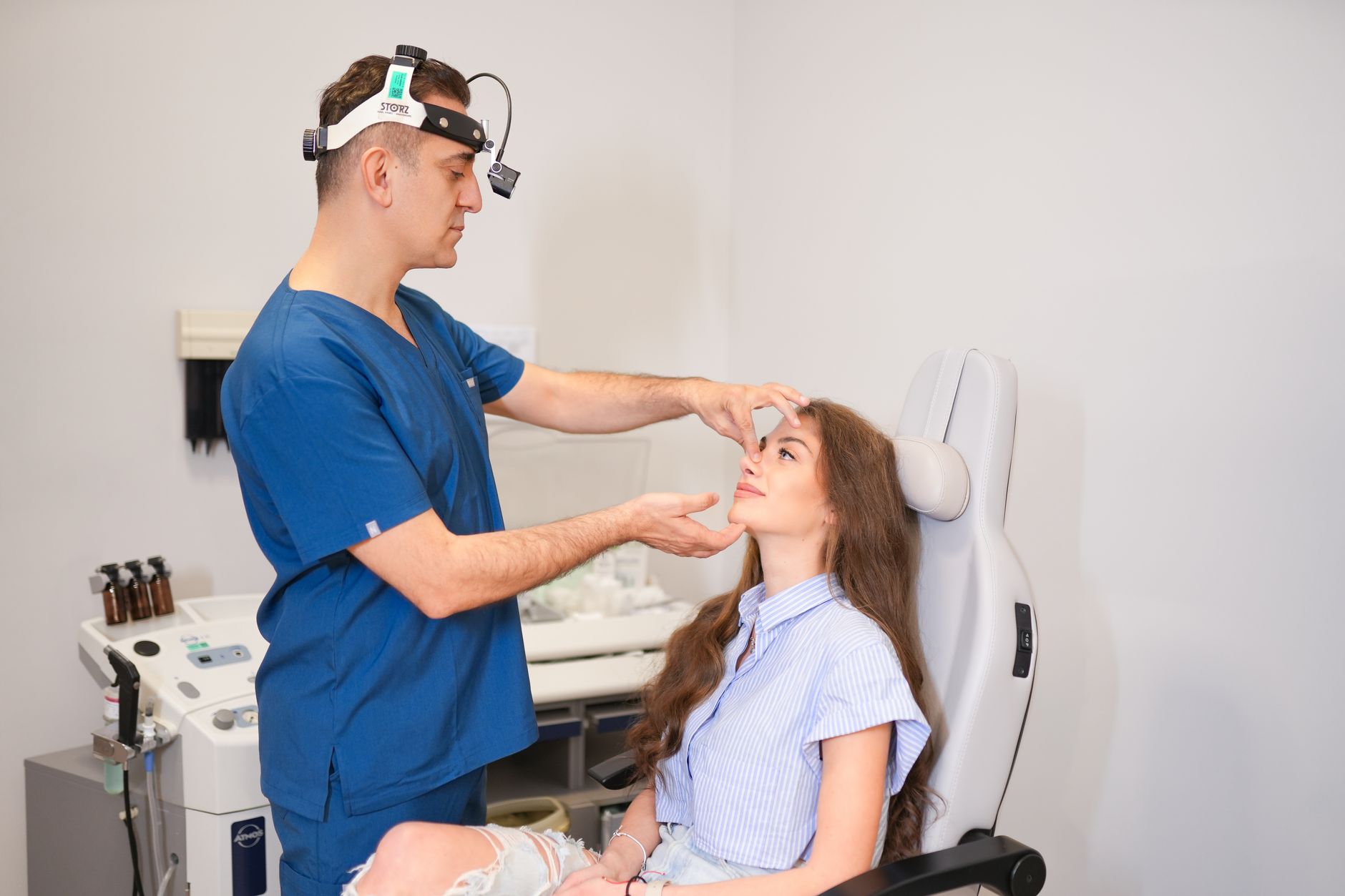
Technique Comparison: Korean vs Turkish Rhinoplasty
Korean Approach: Precision and Subtlety
Korean rhinoplasty is often characterized by its minimally invasive philosophy, especially for patients with thicker skin or flatter dorsums. Surgeons frequently use autologous cartilage (from the septum, ear, or rib) to build up the bridge and refine the tip. The emphasis is on harmony — a nose that fits the face without looking "done."
Many Korean clinics specialize in closed rhinoplasty, which leaves no external scar and speeds recovery. The trade-off is less visibility for the surgeon, making it less suitable for complex revisions or major structural changes.
Turkish Approach: Structural and Versatile
Turkish surgeons are widely recognized for their use of open, structural rhinoplasty — a technique that allows for noticeable yet natural-looking changes. This is especially relevant for patients with diverse ethnic noses, including Middle Eastern, Mediterranean, African, and Caucasian features.
Many Turkish surgeons use ultrasonic rhinoplasty, a technology that uses sound waves to reshape bone without excessive trauma, reducing bruising and recovery time. They also frequently combine rhinoplasty with septoplasty to correct breathing issues — a functional and aesthetic two-in-one.
"Turkish surgeons have built their reputation on handling the full spectrum of ethnic noses — from thick-skinned to sharp, from revision cases to primary rhinoplasty. That breadth of experience is a major advantage." — Dr. Emre, Istanbul-based plastic surgeon

Surgeon Experience and Patient Demographics
South Korean surgeons have deep experience with East Asian nasal anatomy — thick skin, a low radix, and a wide alar base. Their experience is deep but relatively specialized. If you have similar features, Korean clinics offer a strong depth of expertise.
Turkish surgeons, by contrast, treat a far more diverse patient population. On any given day, an Istanbul clinic might perform rhinoplasty on a patient from Germany, Saudi Arabia, Nigeria, or the UK. This daily exposure to different skin types, bone structures, and aesthetic goals gives Turkish surgeons strong versatility.
Importantly, many Turkish hospitals are JCI-accredited or hold international quality certifications, and their surgeons often train abroad and publish in international journals. The result is a blend of technical rigor and cultural sensitivity.
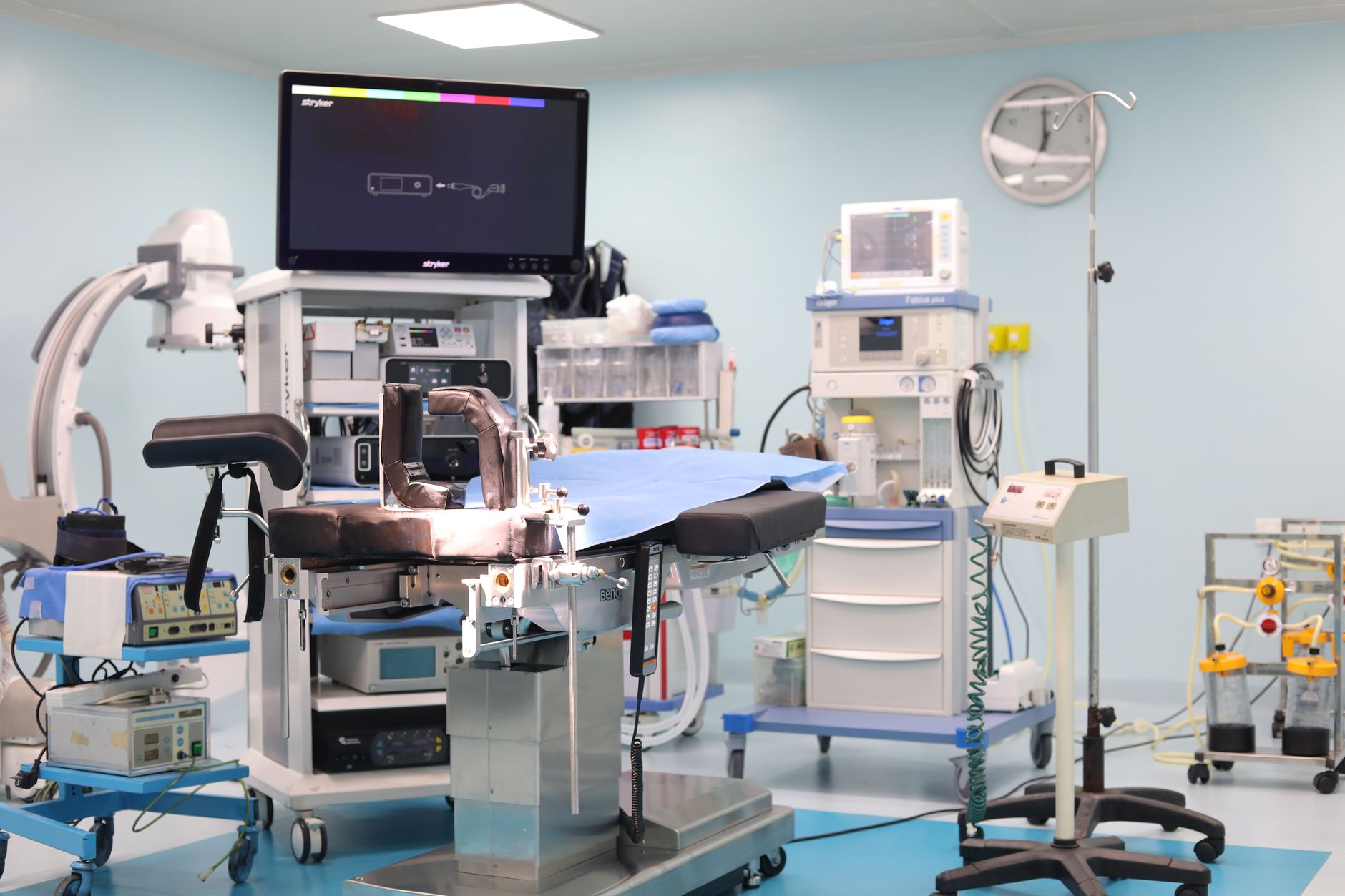
Cost Comparison: What You'll Pay in 2026
Cost is often a deciding factor. Here's a general comparison for primary rhinoplasty in 2026 (prices vary by surgeon, complexity, and inclusion of hospital stay):
- South Korea: $4,000 – $10,000 USD
- Türkiye: $2,500 – $5,500 USD
- USA (for reference): $8,000 – $15,000 USD
- UK (for reference): £6,000 – £10,000 GBP
Turkish packages frequently include airport transfers, hotel accommodation, and post-operative care — making the total cost lower. South Korea's prices are higher but still competitive for East Asian patients seeking specialized care.
Value isn't just about price. When you factor in the experience of the surgeon, the quality of the hospital, and the inclusion of follow-up care, Türkiye often delivers a strong cost-to-quality ratio.
Patient Experiences: What Patients Report
Patient reviews reveal cultural differences in care and communication. Korean clinics are often described as efficient and technology-focused — digital simulations, fast appointments, and streamlined processes. Some international patients, however, report feeling rushed or encountering language barriers.
Turkish clinics are frequently described as warm and personalized. Many offer dedicated international patient coordinators who speak English, Arabic, German, or Russian. Patients often mention the"family-like" atmosphere and the willingness of surgeons to spend extra time discussing goals.
One recurring theme in accounts of care in Türkiye is the surgeon's ability to understand ethnic aesthetic goals — for example, preserving a stronger bridge or refining the tip without making the nose look "Western." That cultural awareness is a significant emotional and practical benefit.
Aesthetic Philosophy: What Does 'Natural' Mean?
Both countries value natural results, but they interpret"natural" differently. Korean rhinoplasty often aims for a soft, harmonious profile — a gentle slope and a refined tip that blends seamlessly with East Asian features. The goal is often subtle enhancement rather than dramatic change.
Turkish rhinoplasty tends to aim for structural balance with character. Surgeons may preserve a slight dorsal hump or a stronger tip if it suits the patient's face, rather than homogenizing every nose. This is especially relevant for patients who want to keep their ethnic identity while improving proportions.
Neither approach is better — they simply serve different goals and patient populations. The key is to choose a surgeon whose aesthetic aligns with yours, and to review their treatment photographs with a critical eye.
Safety, Accreditation, and Aftercare
Both South Korea and Türkiye have reputable, accredited hospitals. In Türkiye, look for hospitals with JCI accreditation or Turkish Ministry of Health certification. In South Korea, check for clinics registered with the Korean Society of Plastic and Reconstructive Surgeons.
Aftercare differs: Korean clinics often offer quick follow-ups (sometimes just one or two visits) before you fly home. Turkish clinics frequently provide more comprehensive aftercare packages, including multiple follow-ups, 24/7 contact numbers, and partnerships with local hotels for extended stays.
If you're traveling from afar, Türkiye's all-inclusive packages can reduce logistical stress. Just be sure to confirm exactly what's included — and what isn't — before booking.
Which Destination Is Right for You?
Choose South Korea if you have East Asian nasal anatomy, want a subtle enhancement, and value a highly standardized, tech-driven experience. Seoul remains a common choice for patients with specific aesthetic goals aligned with K-beauty standards.
Choose Türkiye if you have a diverse ethnic nose, want a structural or revision rhinoplasty, and are looking for a surgeon with broad experience across different skin types and bone structures. The combination of accredited hospitals, experienced surgeons, and strong value makes Türkiye particularly attractive for international patients.
Whichever you choose, prioritize a surgeon who listens, shows you real results, and has experience with your specific anatomy. Your nose is unique — your surgeon should treat it that way. With careful research and realistic expectations, a rhinoplasty abroad can be a rewarding experience.
Thinking about treatment in Turkey?
Send us a question about this site or about the information published on it. This is a publisher's mailbox, not a medical service and not a route to a particular provider — for clinical questions, contact your own doctor.