

مقدمة: انتصار مزدوج للتميز في الرعاية الصحية
عندما يختار المرضى الدوليون تركيا لعلاجاتهم الطبية، فإنهم لا يختارون فقط وجهة بأسعار تنافسية وعيادات حديثة؛ بل يستفيدون من نظام رعاية صحية متجذر بعمق في نظام صحي عام قوي. على مدى العقدين الماضيين، غيّرت تركيا مشهد الرعاية الصحية لديها، مما أنشأ نموذجًا يخدم مواطنيها والعدد المتزايد من المسافرين الطبيين. هذا التآزر بين الاستثمار في الصحة العامة والسياحة العلاجية ليس مصادفة—بل هو نتيجة التخطيط الاستراتيجي، ورؤية الحكومة، والالتزام بالجودة الذي يلقى صدى على الساحة العالمية.
نهج تركيا في الرعاية الصحية فريد من نوعه حيث لا تعامل السياحة العلاجية كصناعة معزولة بل كجزء لا يتجزأ من سياستها الصحية الشاملة. نفس المستشفيات التي تخدم الأسر التركية تحت نظام التغطية الصحية الشاملة ترحب أيضًا بالمرضى الدوليين، مما يضمن أن معايير الرعاية عالية بشكل موحد. هذا التركيز المزدوج يخلق وضعًا مربحًا للجميع: يحصل المحليون على مرافق عالمية المستوى، بينما يستفيد المرضى الدوليون من نظام يتحسن باستمرار ويخضع للمساءلة أمام السكان المحليين. في هذه المدونة، سوف نستكشف كيف يدعم نظام الصحة العامة في تركيا نجاح السياحة العلاجية، مع تسليط الضوء على الاستثمارات، والأخصائيين المدربين، والمرافق الحديثة التي تجعل البلاد رائدة عالميًا في الرعاية الصحية.
أساس التميز: استثمار تركيا في البنية التحتية للصحة العامة
بدأت رحلة تركيا نحو التميز في الرعاية الصحية ببرنامج التحول الصحي (HTP) في عام 2003، والذي أعاد هيكلة نظام الصحة في البلاد بشكل جذري. من خلال برنامج التحول الصحي، استثمرت الحكومة بكثافة في بناء مستشفيات جديدة، وتحديث المرافق القائمة، وتوسيع نطاق الوصول إلى الرعاية الصحية في جميع المقاطعات الـ 81. أدى هذا التطوير الهائل للبنية التحتية إلى شبكة تضم أكثر من 1,500 مستشفى، بما في ذلك مستشفيات جامعية وتدريبية حديثة تعمل كمراكز لرعاية المرضى المحليين والدوليين. حجم هذا الاستثمار—الذي يبلغ مليارات الدولارات—خلق بيئة رعاية صحية حيث أصبحت التكنولوجيا الطبية المتقدمة والمرافق الحديثة هي القاعدة وليس الاستثناء.
بالنسبة للسياح الطبيين، تترجم هذه البنية التحتية العامة إلى فوائد ملموسة. تعمل العديد من المستشفيات العامة في المدن الكبرى مثل إسطنبول وأنقرة وإزمير بنفس مستوى التطور الذي تتمتع به المستشفيات الخاصة الرائدة، وتضم أنظمة تصوير متقدمة، وأجنحة جراحة روبوتية، ووحدات رعاية مركزة تلبي المعايير الدولية. ولأن هذه المرافق جزء من النظام العام، فإنها تخضع لعمليات اعتماد صارمة، مثل تلك الصادرة عن اللجنة المشتركة الدولية (JCI)، مما يضمن التزامها بمعايير الجودة والسلامة العالمية. لا يرفع هذا الاستثمار العام مستوى الرعاية الإجمالي فحسب، بل يوفر أيضًا للسياح الطبيين مجموعة واسعة من الخيارات، غالبًا بأسعار أكثر معقولية من المؤسسات الخاصة البحتة.
أخصائيون مدربون: رأس المال البشري وراء نجاح تركيا
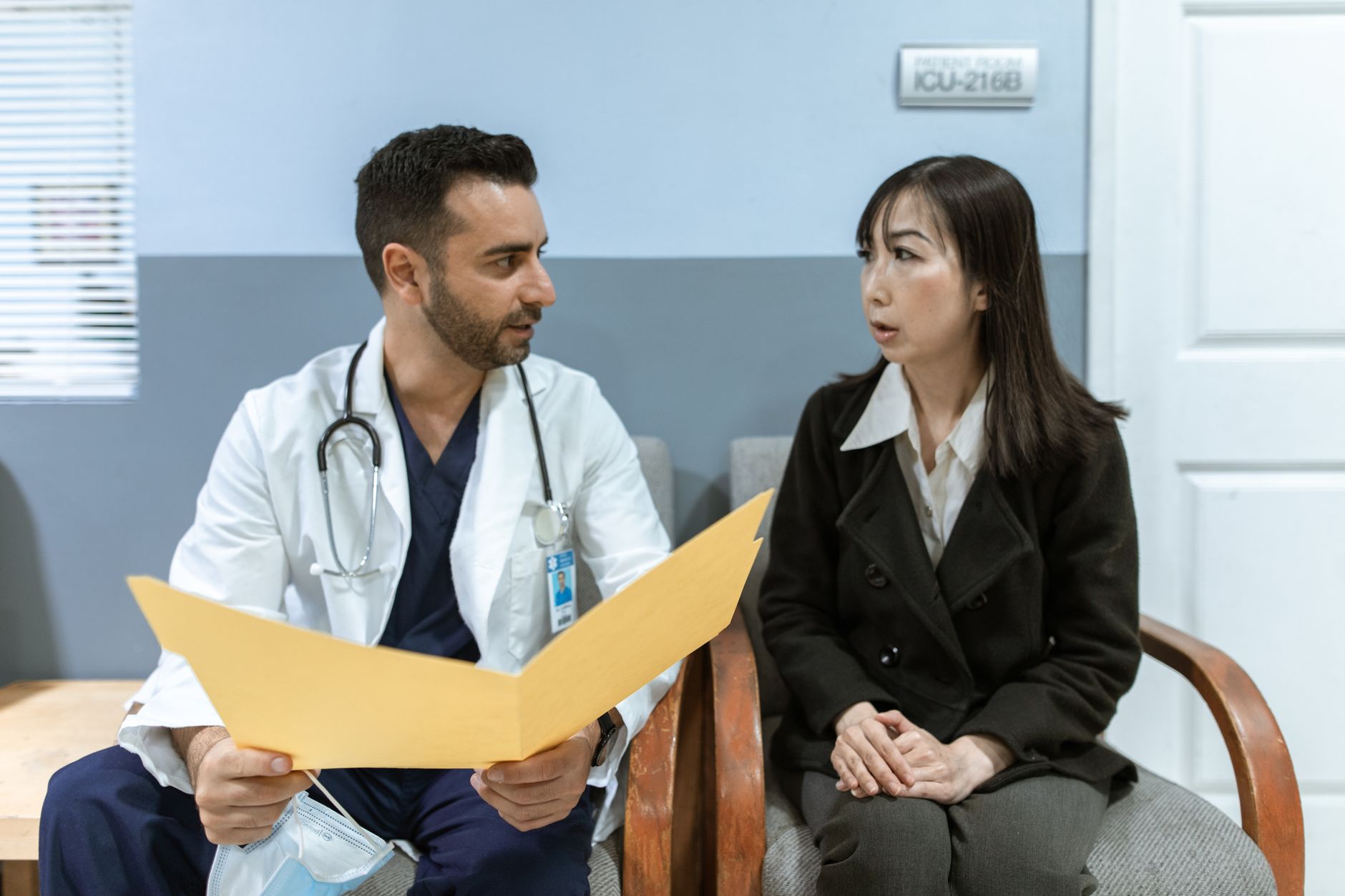
نظام الرعاية الصحية لا يكون جيدًا إلا بقدر جودة أفراده، وقد استثمرت تركيا بشكل كبير في تدريب نخبة من المهنيين الطبيين ذوي المهارات العالية. نظام التعليم الطبي في البلاد تنافسي وصارم، حيث يؤدي خريجو كليات الطب التركية أداءً استثنائيًا في الامتحانات الدولية وبرامج الإقامة. علاوة على ذلك، تفرض وزارة الصحة التعليم المستمر والتخصص للأطباء والممرضين وموظفي الصحة المساندين، مما يضمن بقاءهم على اطلاع بأحدث التطورات الطبية. تدرب العديد من الأخصائيين الأتراك أو تعاونوا مع مؤسسات في أوروبا والولايات المتحدة ودول متقدمة أخرى، مما جلب أفضل الممارسات العالمية إلى وطنهم.
بالنسبة للسياح الطبيين، يعني هذا الوصول إلى استشاريين وجراحين ليسوا فقط بارعين تقنيًا ولكن أيضًا ذوي خبرة في التعامل مع الحالات المعقدة. على سبيل المثال، أصبحت تركيا رائدة عالميًا في زراعة الشعر وطب العيون وإجراءات طب الأسنان، ويرجع ذلك largely إلى خبرة أخصائييها. ولكن beyond هذه المجالات الشائعة، يتميز الأطباء الأتراك في مجالات مثل جراحة العظام وجراحة القلب والأوعية الدموية والأورام، وغالبًا ما يقدمون في المؤتمرات الدولية وينشرون في مجلات محكمة. وجود هؤلاء الخبراء داخل نظام الصحة العامة يضمن أن جميع المرضى—محليين أو أجانب—يتلقون رعاية على قدم المساواة مع الأفضل في العالم، مما يخلق سمعة تدفع نمو السياحة العلاجية.
المرافق والتكنولوجيا الحديثة: مورد مشترك لجميع المرضى
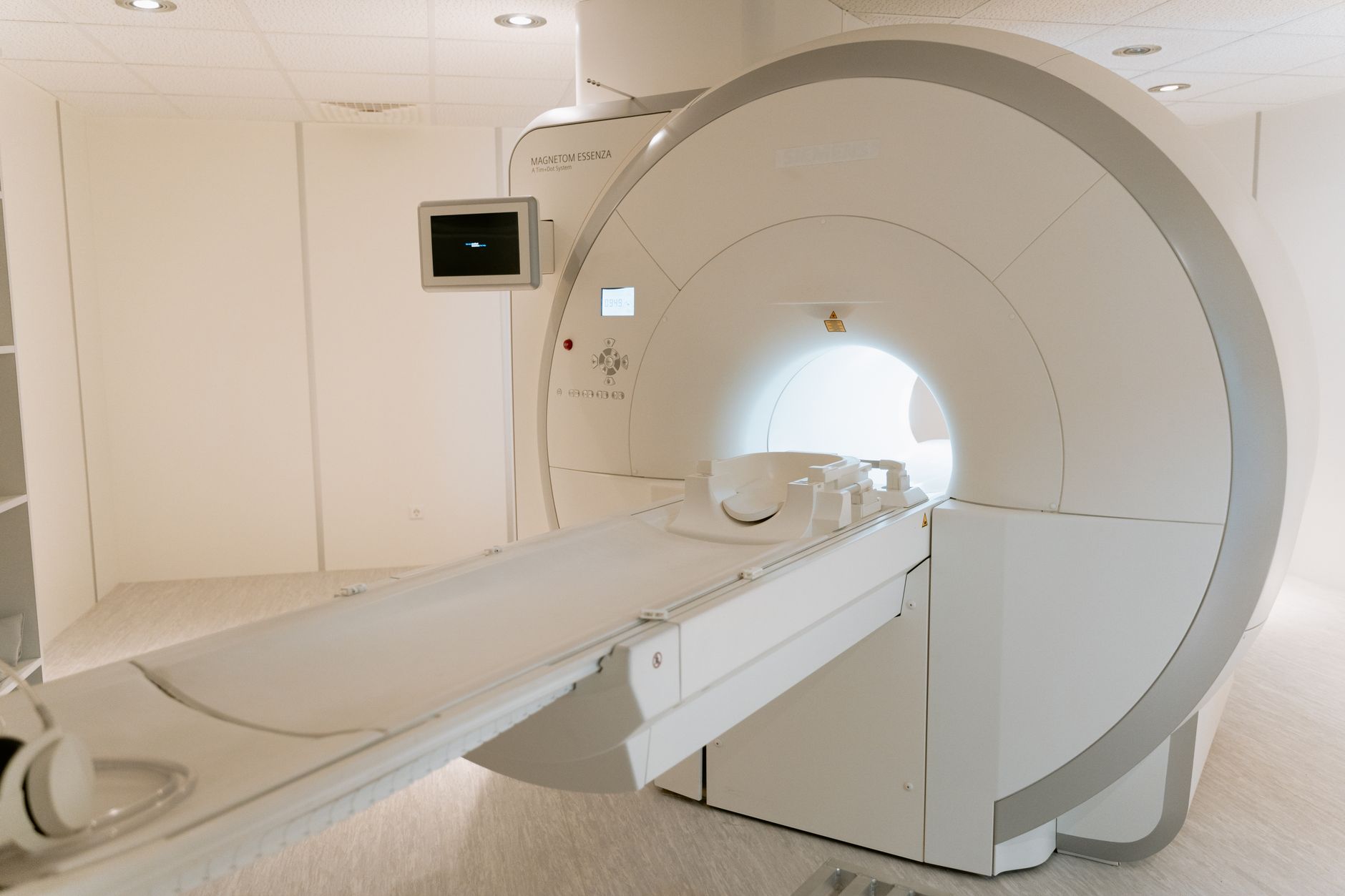
يتميز نظام الصحة العامة في تركيا بتبنيه للتكنولوجيا الطبية المتطورة، وهو أمر يعزز الرعاية المحلية والسياحة العلاجية معًا. المستشفيات العامة مجهزة بأجهزة الرنين المغناطيسي 3T، وماسحات PET-CT، وأنظمة الجراحة الإشعاعية CyberKnife، ومنصات جراحية بالمنظار وروبوتية متقدمة. هذه التقنيات ليست محصورة للمرضى الدوليين الأثرياء؛ بل تُستخدم لصالح الجميع، بما في ذلك المواطنون الأتراك الذين يعتمدون على الرعاية الصحية العامة. غالبًا ما يأتي تمويل هذه المشتريات المتطورة من ميزانية الصحة الحكومية، مدعومًا بشراكات بين القطاعين العام والخاص تشجع الابتكار والكفاءة.
يمكن للمرضى الدوليين، على وجه الخصوص، الاستفادة من هذه المرافق الحديثة دون القلق بشأن المساس بجودة علاجهم. في الواقع، يعني الحجم الكبير للمرضى في المستشفيات العامة التركية - مدفوعًا بنظام التغطية الصحية الشاملة - أن الأخصائيين يقومون بعدد كبير من الإجراءات كل عام. يساهم هذا الحجم في تحسين النتائج السريرية، حيث يكتسب الأطباء خبرة عملية واسعة. على سبيل المثال، قد يقوم جراح قلب في مستشفى عام تركي بإجراء ضعف عدد عمليات المجازة التاجية مقارنة بأقرانه في بعض الدول الغربية. هذا المزيج من التكنولوجيا المتقدمة والحجم السريري يضع تركيا كوجهة موثوقة حتى لأكثر الإجراءات الطبية تعقيدًا، مما يطمئن السياح الطبيين بأنهم في أيدٍ أمينة.
ضمان الجودة والاعتماد: الثقة في النظام العام
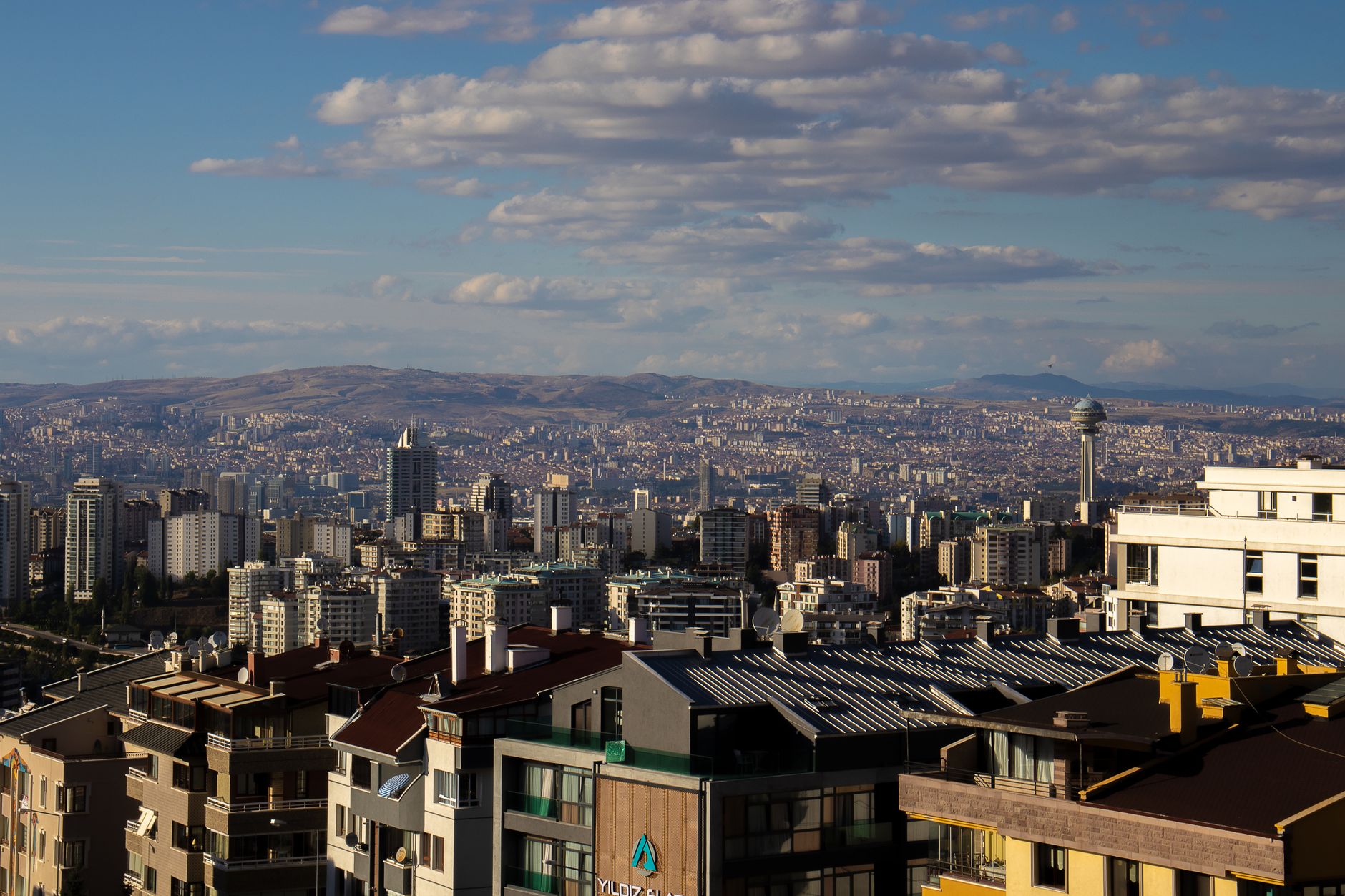
أحد الأركان الأساسية لنموذج الرعاية الصحية في تركيا هو تركيزه على ضمان الجودة والاعتماد، مما يؤثر بشكل مباشر على السياحة الطبية. أنشأت وزارة الصحة معهد جودة الصحة والاعتماد، الذي يضع المعايير الوطنية ويجري عمليات تفتيش منتظمة لجميع مقدمي الرعاية الصحية، بما في ذلك المستشفيات العامة. بالإضافة إلى ذلك، تضم تركيا أكثر من 60 مستشفى معتمدًا من JCI، العديد منها مستشفيات عامة أو جامعية تعالج المرضى الدوليين. تشير هذه الاعتمادات إلى السياح الطبيين بأن المرافق التي يفكرون فيها تلبي بروتوكولات السلامة والجودة المعترف بها دوليًا، من مكافحة العدوى إلى حقوق المرضى.
أدى التزام نظام الصحة العامة بالشفافية والتحسين المستمر أيضًا إلى تطوير لوائح خاصة بالسياحة الصحية. يتطلب برنامج شهادة السياحة الصحية في تركيا، الذي تشرف عليه وزارة الصحة، من المستشفيات تلبية معايير صارمة لعلاج المرضى الدوليين. يضمن هذا الإطار التنظيمي أن يتلقى السياح الطبيون رعاية ليست سليمة سريريًا فحسب، بل أيضًا حساسة ثقافيًا، حيث يقدم العديد من المستشفيات موظفين متعددي اللغات، ومنسقي مرضى دوليين، ومساعدة في التأشيرات والإقامة. من خلال دمج السياحة الطبية في مهمة الصحة العامة، تضمن تركيا عدم المساس بالجودة أبدًا، مما يبني الثقة بين المرضى من أكثر من 150 دولة يزورونها سنويًا.
إمكانية الوصول والقدرة على تحمل التكاليف: ميزة الصحة العامة
أحد أكثر الأسباب إقناعًا لاختيار السياح الطبيين لتركيا هو القدرة على تحمل تكاليف الرعاية، وهذا مرتبط جوهريًا بضوابط التكلفة في نظام الصحة العامة. تعمل المستشفيات العامة في تركيا وفق نموذج تأمين شامل يعتمد على الشراء المركزي والتفاوض للحفاظ على أسعار معقولة. يمتد هذا الانضباط المالي إلى سوق الرعاية الصحية بشكل عام، مما يخلق أسعارًا تنافسية تفيد المرضى الدوليين الذين يدفعون من جيوبهم. على سبيل المثال، قد تكلف عملية مجازة القلب التاجية 75,000 دولار في الولايات المتحدة، بينما قد تُجرى في مستشفى عام تركي بحوالي 15,000 دولار، شاملة الإقامة في المستشفى والأدوية والاستشارات المتابعة.
علاوة على ذلك، يضمن نظام الصحة العامة إمكانية وصول الجميع إلى الخدمات الأساسية، مما يترجم إلى بنية تحتية قوية للطوارئ والرعاية اللاحقة. بالنسبة للسياح الطبيين، هذا مطمئن بشكل خاص، لأنهم يعلمون أنه في حالة حدوث مضاعفات بعد العلاج، يمكنهم الوصول إلى رعاية طارئة عالمية المستوى من خلال النظام العام بتكلفة ضئيلة. تقدم العديد من المستشفيات العامة أيضًا حزمًا مجمعة للسياحة الطبية، غالبًا ما تشمل النقل من المطار، والإقامة للمرافقين، وإعادة التأهيل بعد الجراحة. تنبع سهولة الوصول والقدرة على تحمل التكاليف من التزام الحكومة بجعل الرعاية الصحية حقًا وليست امتيازًا - فلسفة جعلت تركيا وجهة رئيسية لأولئك الذين يبحثون عن رعاية ممتازة دون أسعار باهظة.
التآزر بين الرعاية المحلية والسياحة الطبية: حلقة حميدة
نجاح قطاع السياحة الطبية في تركيا ليس ظاهرة منفردة؛ بل هو انعكاس لقوة نظام الصحة العامة، الذي يستفيد بدوره من الاهتمام الدولي. تُعاد استثمار الإيرادات الناتجة عن السياحة الطبية في البنية التحتية للرعاية الصحية - لتمويل أجنحة جديدة، ومعدات متقدمة، وبرامج تدريب الموظفين. تعني هذه الحلقة الحميدة أنه مع تدفق المزيد من المرضى الدوليين إلى تركيا، تستمر جودة الرعاية لكل من المحليين والأجانب في الارتفاع. بالإضافة إلى ذلك، غالبًا ما يدفع وجود المرضى الدوليين المستشفيات إلى تكييف الخدمات لتلبية الاحتياجات المتنوعة، مثل تقديم خيارات غذائية متنوعة أو استيعاب المرضى من خلفيات ثقافية مختلفة، مما يثري تجربة الرعاية الصحية للجميع.
تعمل السياحة الطبية أيضًا كسفير عالمي لإنجازات الرعاية الصحية في تركيا. عندما يعود المرضى الدوليون إلى ديارهم بنتائج إيجابية وقصص عن رعاية ممتازة، فإنهم يسلطون الضوء عن غير قصد على قوة الصحة العامة التركية. تشجع هذه السمعة الشفهية المزيد من الاستثمار، العام والخاص، وتعزز مكانة تركيا كرائدة في الرعاية الصحية في المنطقة وخارجها. علاوة على ذلك، تروج الحكومة التركية بنشاط للسياحة الصحية من خلال مبادرات مثل مجلس تنسيق السياحة الصحية، الذي يتعاون مع المستشفيات العامة لجذب المرضى الدوليين، مما يعزز أهمية الصحة العامة في الاقتصاد الوطني.
الخاتمة: نموذج للعالم
يُعد نظام الصحة العامة في تركيا منارة للتميز لا يخدم مواطنيها فحسب، بل يرسي أيضًا الأساس لصناعة سياحة علاجية مزدهرة. ومن خلال الاستثمار الكبير في البنية التحتية، وإعداد نخبة من المتخصصين، ونشر التكنولوجيا الحديثة، أنشأت تركيا منظومة رعاية صحية تدعم الجودة وسهولة الوصول والابتكار. وبالنسبة للمرضى الدوليين، فإن اختيار تركيا ليس تنازلاً بل قرار ذكي يوفر رعاية بمستوى عالمي بأسعار في المتناول، وذلك ضمن نظام يتطور باستمرار. وبينما تواصل تركيا تحسين نموذجها الصحي، فإنها تقف مثالاً يحتذى به لكيفية التعايش المتناغم بين الصحة العامة والسياحة العلاجية لصالح الجميع. وسواء كنت تفكر في إجراء روتيني للأسنان أو جراحة قلب معقدة، فإن نظام الصحة العامة القوي في تركيا يضمن لك أن تكون في أيدٍ أمينة وخبيرة، ويجسد نموذجًا للتميز يحتذى به العالم.
تفكر في رحلة إلى تركيا؟
شارك بيانات الاتصال الخاصة بك وسيتواصل معك خبير محلي موثوق بخطة مصممة خصيصًا لك — مجانًا وبدون أي التزام.