

Sixty Years of Friendship: Why German-Speaking Patients Feel at Home in Türkiye
When the first Turkish workers arrived in Germany under the 1961 bilateral recruitment agreement, few could have imagined that six decades later, more than three million people of Turkish descent would call Germany home — and that Berlin, Vienna and Zurich would feel almost as familiar to Turkish families as Istanbul, Izmir and Antalya. This shared history has created something rare in medical tourism: a genuine cultural bridge built on family ties, bilingual neighbourhoods, and two cuisines that know and love each other well.
For patients from Germany, Austria and Switzerland, this friendship is not just a pleasant backdrop — it is practical. Turkish hospitals increasingly employ German-speaking coordinators, international patient departments with native-level German staff, and even doctors who trained or practised in Germany. From the moment you land, you can discuss your diagnosis, ask about anaesthesia, and laugh at the same jokes — in your own language.
Combine that with flight times of just three to four hours from most German-speaking cities and a culture that greets you like a returning relative, and Türkiye reveals itself as a natural, comfortable choice for medical travellers — not a leap into the unknown, but a step into a well-known embrace.
Deutschsprachige Koordination: The Human Side of Medical Travel
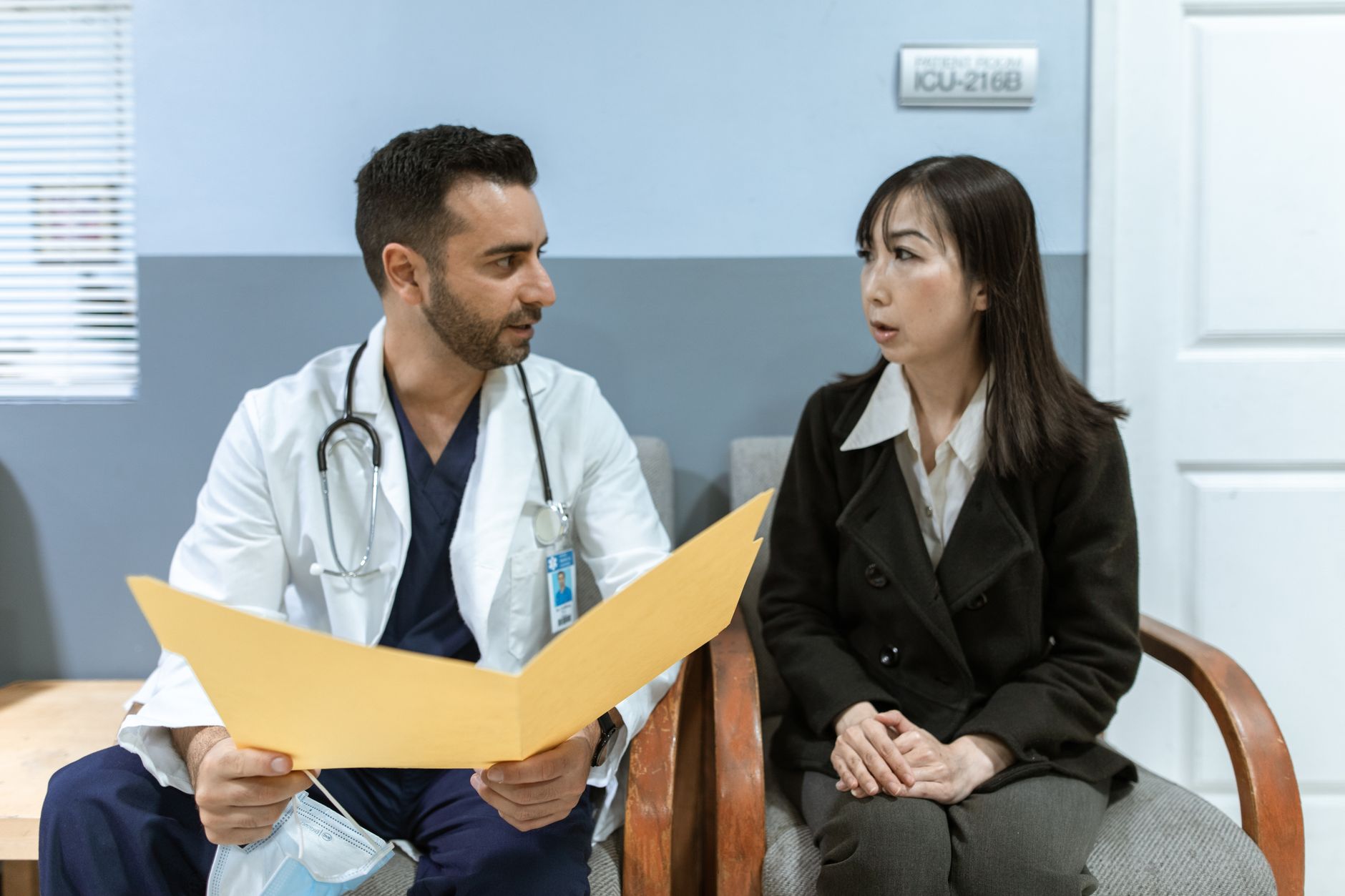
Language is where anxiety begins in medical care. Studies consistently show that patients who understand their diagnosis and treatment plan in their mother tongue report less stress, better compliance, and higher satisfaction. This is exactly where Türkiye's German-speaking coordinators shine. At leading hospitals in Istanbul, Ankara, Antalya and Izmir, international patient departments are staffed with professionals who speak fluent German — many with degrees from German or Austrian universities.
What does this mean in practice? A coordinator in Berlin or Vienna answers your first email. A doctor who trained at a German university reviews your MRI. A nurse who grew up in Duisburg explains the post-operative diet. Your hospital transfer driver speaks German. Even the menu offers Apfeltee next to Turkish çay — because someone thoughtfully considered it.
"Ich habe mich gefühlt, als wäre ich in Deutschland — nur mit türkischer Gastfreundschaft und viel mehr Sonne." — a patient from Stuttgart, describing her hip replacement in Antalya.
Many Turkish hospitals also provide German-language patient portals, translated consent forms, and follow-up video calls in German after you return home. The goal is simple: no patient should ever nod politely while understanding nothing, a small gesture that speaks volumes about genuine patient-centred care.
Short Flights, Familiar Food, Trusted Communication
Travel logistics are one of the quiet advantages of choosing Türkiye. Direct flights from Frankfurt, Munich, Düsseldorf, Hamburg, Vienna, Zurich and Salzburg reach Istanbul in about three hours, and Antalya in roughly three and a half. That means less jet lag, less time away from family, and the ability to have a loved one fly down for a weekend visit without a second thought. Turkish Airlines and other carriers offer dozens of daily connections, with special assistance available for patients travelling with mobility needs.
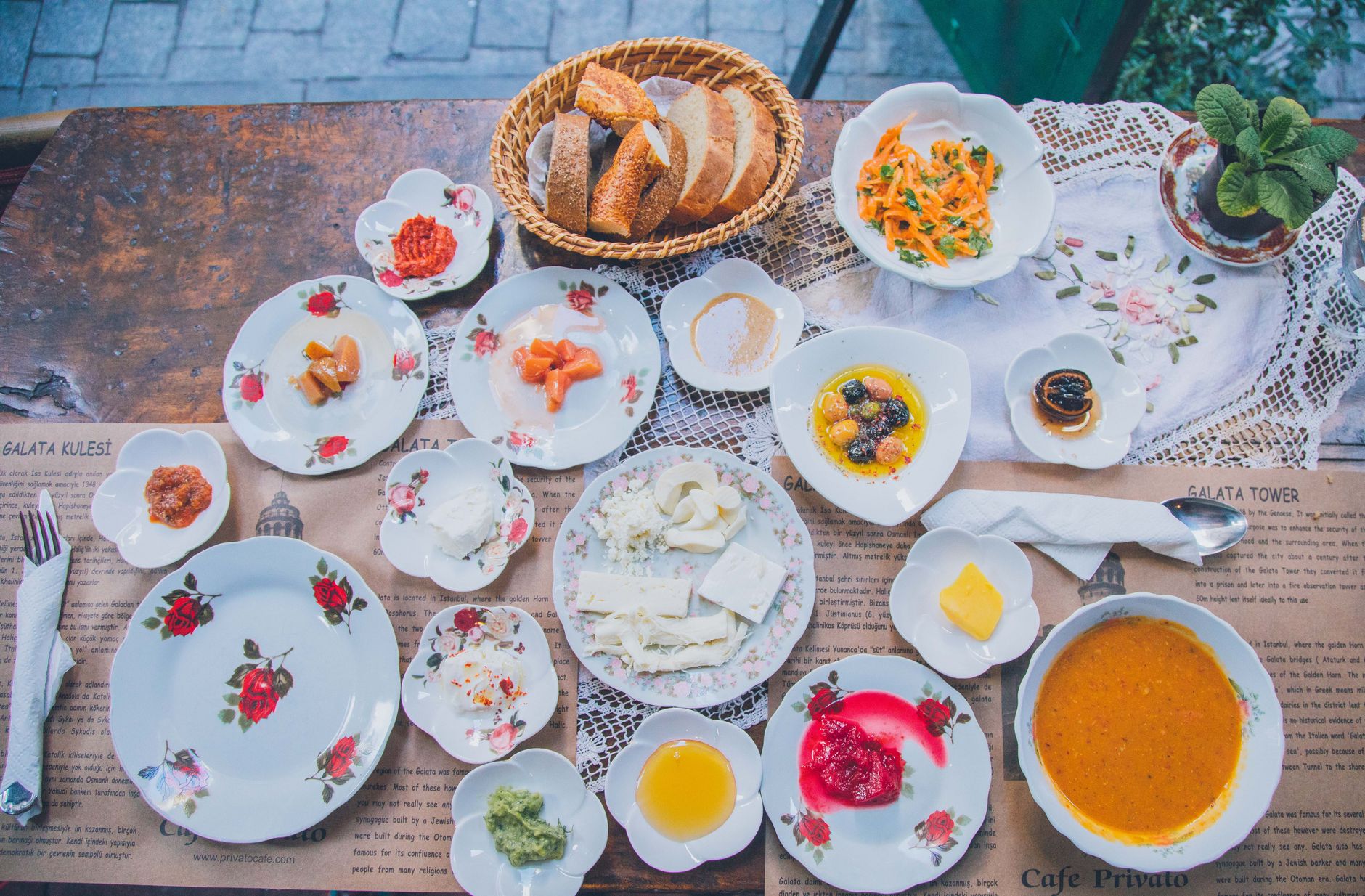
Then there is the food. German-speaking visitors often find the Turkish table reassuringly familiar: bread, grilled meat, yogurt, fresh vegetables, olive oil, soups and strong tea. Turkish cuisine has shaped German street food for generations — now it is simply served at its source, fresher and more varied. Hospitals themselves cater to international tastes, and many offer German-style breakfasts alongside traditional Turkish dishes. The famous Kahvaltı — a spread of cheeses, olives, eggs and honey — is a gentle, sociable way to recover.
Trusted communication extends to paperwork. German-speaking coordinators help you compile medical records, communicate with your insurer or Beihilfe office, and prepare German-language invoices and reports accepted by German, Austrian and Swiss health systems. You are not left to navigate foreign bureaucracy alone; someone walks you through it in a language you understand, step by step.
Why Türkiye Leads Global Medical Tourism
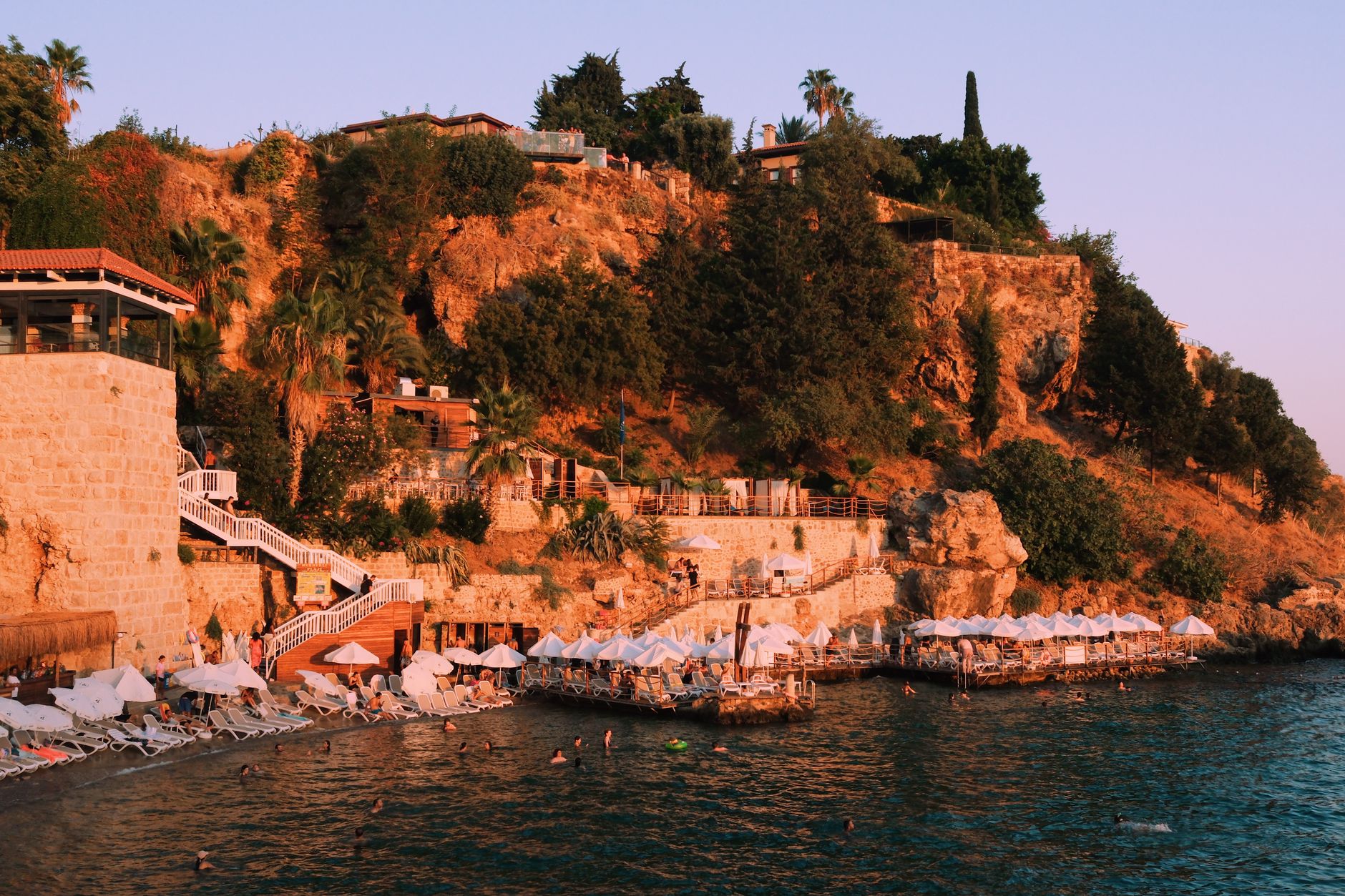
Türkiye is not new to hosting international patients. It has ranked among the world's top three medical tourism destinations for years, welcoming well over a million health travellers annually. The reasons are well documented: internationally accredited hospitals, high-volume surgical experience, advanced technology, and prices that remain significantly below German-speaking market rates — often 40 to 70 per cent lower for procedures such as hip and knee replacement, cardiac surgery, dental implants, hair transplantation, fertility treatment and bariatric surgery.
Many Turkish hospitals hold JCI accreditation and are affiliated with universities or integrated into world-class medical groups. Surgeons frequently have international fellowships, and centres of excellence in oncology, cardiovascular care and orthopaedics attract patients from across Europe and the Middle East. For German-speaking patients, this means not only affordability but confidence: the standards observed are those you would expect in Munich or Innsbruck, delivered with Turkish warmth.
There is also the recovering-patient environment to consider. From Istanbul's historic quarters to Antalya's coastal calm, Türkiye offers something rare: the chance to recover in a genuinely beautiful, sunny place where you feel relaxed rather than institutionalised. Many hospitals and clinics are close to the sea, with rehabilitation hotels and therapy centres designed around that advantage.
From Germany to Türkiye: A Step-by-Step Journey
Getting started is simpler than most patients expect. The typical path looks like this:
- Request a free consultation — send your medical reports (in German is fine) to the hospital's German-speaking international office.
- Receive a treatment plan — often within 24–48 hours, including a transparent price estimate and proposed dates.
- Plan your trip — coordinators assist with visa information (with special arrangements for German, Austrian and Swiss citizens), flights, accommodation and airport transfers.
- Arrive and be met — a German-speaking driver or coordinator welcomes you at the airport and accompanies you to your hotel or hospital.
- Treatment and recovery — consultations, procedures and physiotherapy conducted with full German-language support.
- Fly home with documentation — discharge reports, prescriptions and imaging in German, plus a follow-up video consultation schedule.
Many patients from Germany arrange treatment privately and then reclaim part of the cost from their insurer; others use Türkiye as a faster alternative to waiting lists. Either way, the process respects your time, your questions and your language.
A Bridge of Culture: What Else Awaits You
Medical travel should not feel like a purely clinical experience, and in Türkiye it rarely does. The same Turkish-German friendship that shapes hospital corridors also shapes your free time. You can enjoy a proper Turkish breakfast in a neighbourhood café, browse bookshops where German novels sit beside Turkish poetry, and meet families who divide their lives between Munich and Istanbul.
In Istanbul, patients and companions can wander the historic peninsula, visit mosques and museums, or simply sit by the Bosphorus with tea. In Antalya, the Mediterranean sea air and warm autumn sun make gentle walks a pleasure. In Ankara and Izmir, modern hospitals sit within green, friendly cities. For anyone travelling with family, this dual role — treatment and a gentle holiday — helps recovery feel less like a hospital stay and more like a restorative retreat.
The German-speaking teams in Turkish hospitals embody something bigger than customer service. They are the living product of six decades of migration, friendship and mutual understanding. For patients from Berlin, Graz or Basel, that means arriving as a foreigner and being treated as a neighbour.
Conclusion: Your Trusted Choice, Just Three Hours Away
Türkiye has earned its place as a world leader in medical tourism — and for German-speaking patients, it offers something more: familiarity. Short flights, familiar food, trusted communication and hospitals where someone greets you in your own language make the journey feel safe from the very first email to the final follow-up call.
If you are considering treatment abroad, explore Turkish hospitals with dedicated German-speaking coordinators. Ask about accreditation, request your treatment plan in German, and speak to former patients from Germany, Austria and Switzerland. You will likely discover what hundreds of thousands already know: world-class medicine and heartfelt hospitality can exist in the same place — and that place is just three hours away.
Thinking about treatment in Turkey?
Share your contact details and a verified doctor will follow up with a plan built around you — free, no obligation.