

Why Türkiye Is a Top Choice for Senior Medical Travellers
Türkiye has emerged as a global hub for medical tourism, welcoming hundreds of thousands of international patients each year. Among them, a growing number are older adults seeking high-quality, affordable care for procedures ranging from joint replacements and cardiac surgery to dental work and cosmetic treatments. What sets Türkiye apart is not just the state-of-the-art facilities and competitive pricing, but a deep-rooted culture of hospitality that extends naturally into healthcare. Turkish hospitals are increasingly attuned to the specific needs of senior patients, offering geriatric-aware services that prioritise safety, comfort, and dignity.
For families considering medical travel for an ageing parent, the decision can feel daunting. Concerns about language barriers, continuity of care, and the physical demands of travel are valid. However, Türkiye's leading hospitals—many of which hold international accreditations such as JCI—have developed robust protocols to address these very issues. From the moment you inquire about a procedure to the follow-up care after you return home, you'll find a system designed to support older travellers and their companions.
In this guide, we'll explore how Turkish hospitals cater to senior patients, and offer practical planning advice to help you feel confident that Türkiye offers dignified, careful treatment.
Geriatric-Aware Anaesthesia Review: Safety First
One of the most critical aspects of surgery for older adults is anaesthesia management. Age-related changes in organ function, medication interactions, and pre-existing conditions all influence how a senior patient responds to anaesthesia. Recognising this, many leading Turkish hospitals have implemented geriatric-aware anaesthesia review protocols. Before any procedure, a dedicated anaesthesiologist—often with experience in geriatric care—conducts a thorough assessment. This includes a detailed review of the patient's medical history, current medications, and a physical examination to evaluate cardiovascular and respiratory function.
This pre-operative evaluation is not rushed. Patients and their families are encouraged to ask questions and voice concerns. The anaesthesia team explains the type of anaesthesia planned (general, regional, or sedation), its risks and benefits, and how it will be tailored to the patient's needs. For seniors, this might mean using lower doses, avoiding certain drugs that can cause confusion, or opting for regional techniques that reduce systemic impact. The goal is to minimise complications such as post-operative delirium and speed up recovery.
Moreover, hospitals often coordinate with the patient's home physicians to obtain accurate medical records and ensure a seamless transition. This collaborative approach reflects the seriousness with which Turkish medical professionals treat older patients, ensuring that age is not a barrier to safe surgery.

Companion-Friendly Rooms and Attentive Nursing
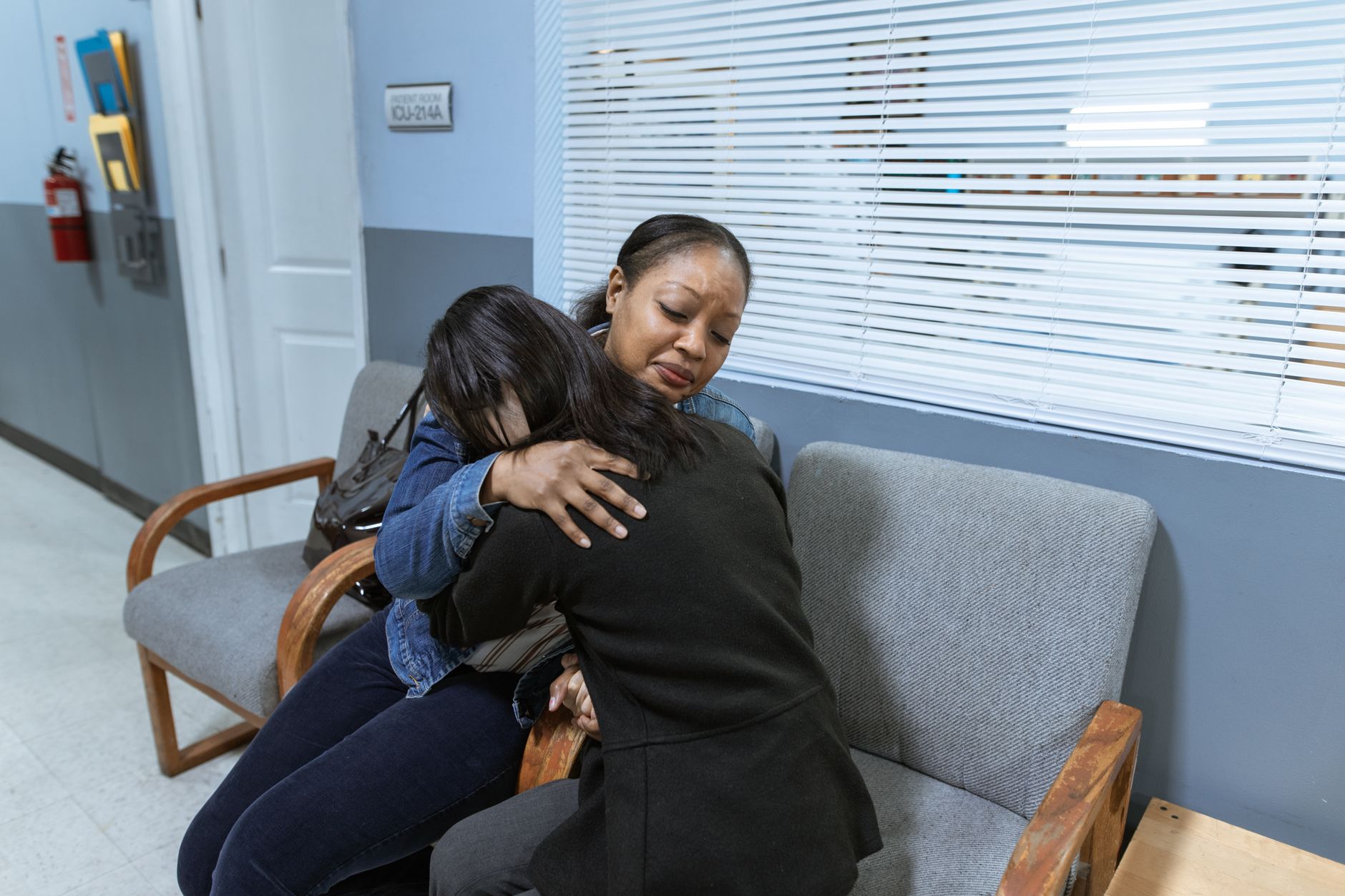
Hospital stays can be lonely and disorienting, especially for older adults in a foreign country. Turkish hospitals understand this and have designed their facilities with companion-friendly rooms that allow a family member or friend to stay overnight. These rooms typically include a comfortable sofa bed or an extra bed, a private bathroom, and amenities such as a refrigerator and Wi-Fi, creating a home-like environment. This not only provides emotional support but also helps with communication and adherence to care instructions.
Nursing care in Türkiye's top hospitals is known for being attentive and compassionate. Nurses are trained to assist with mobility, administer medications on time, and monitor for any signs of distress. Many hospitals have staff who speak English, Arabic, Russian, or other languages, facilitating clear communication. For senior patients, nurses often go the extra mile—helping with walking, ensuring proper nutrition, and providing gentle encouragement. The ratio of nurses to patients is generally favourable, allowing for personalised attention.
Beyond the room, hospitals may offer services such as physiotherapy, dietitian consultations, and social work support to address the holistic needs of older patients. This comprehensive approach ensures that seniors feel cared for not just medically, but also emotionally and socially.
Practical Planning: Medication Reviews and Health Preparation
Planning a medical trip for a senior requires careful preparation, starting with a thorough medication review. Before travelling, compile a complete list of all prescription drugs, over-the-counter medications, and supplements the patient is taking, including dosages and frequency. Share this list with the hospital in Türkiye well in advance. The medical team will review it for potential interactions with anaesthesia or post-operative drugs and may advise adjustments. It's also wise to bring an adequate supply of medications in their original packaging, along with copies of prescriptions, to avoid any interruptions.
Health preparation extends beyond medications. A pre-travel check-up with the primary care physician is essential to ensure the patient is fit to fly and undergo surgery. This includes managing chronic conditions like diabetes, hypertension, and heart disease. Your doctor may recommend vaccinations or preventive measures. Additionally, consider travel insurance that covers medical expenses and repatriation, as standard policies may not cover planned procedures abroad.
When selecting a hospital, look for one with a dedicated international patient department. These departments can assist with appointment scheduling, airport transfers, visa invitation letters, and accommodation for companions. They serve as a single point of contact, reducing the stress of navigating a foreign healthcare system.
Pacing the Days: Balancing Treatment and Rest
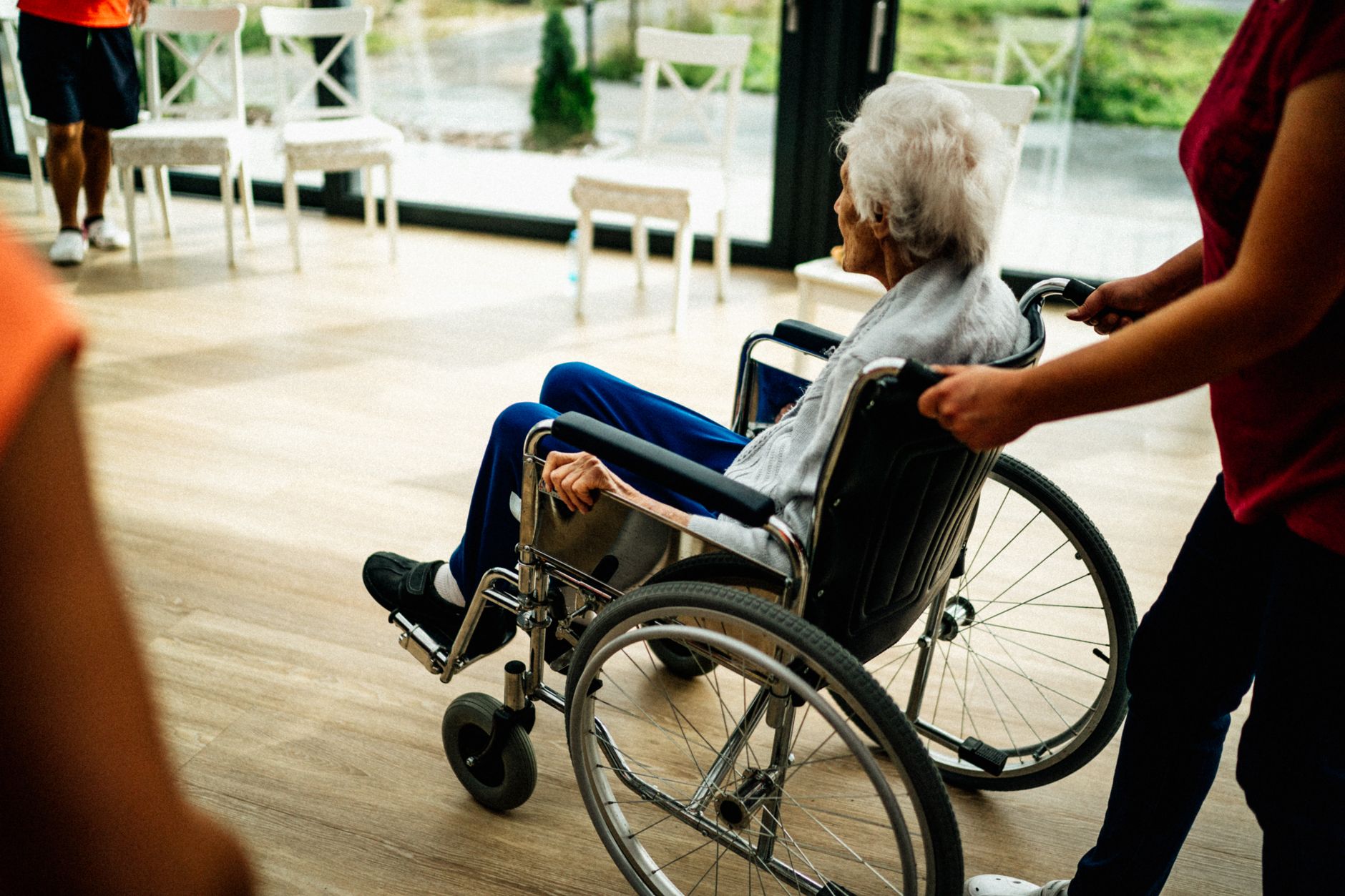
Older travellers often need a slower pace than younger ones. It's important to build rest periods into the itinerary, both before and after medical appointments. For instance, arrive a few days before the procedure to acclimatise and attend pre-operative consultations without feeling rushed. After discharge, plan for a few extra days of recovery in a comfortable hotel before flying home. Turkish hospitals can recommend nearby hotels that cater to medical tourists, some of which offer shuttle services to the hospital.
During the hospital stay, encourage the patient to rest and avoid overexertion. Visitors should be mindful of the patient's energy levels and limit the number of well-wishers at any one time. The companion-friendly rooms make it easy for a family member to be present without overwhelming the patient.
After returning home, follow the hospital's post-operative instructions carefully. Turkish hospitals typically provide a detailed discharge summary and contact information for follow-up questions. Some offer telemedicine consultations for remote follow-up, which can be reassuring for seniors who may not be able to travel back easily.
Family Communication: Keeping Everyone Informed
Clear communication among family members is vital when a senior is undergoing medical treatment abroad. Designate one person as the primary contact for the hospital, and ensure that this person has all necessary information and authority to make decisions if needed. The hospital's international patient coordinator can facilitate conference calls or email updates for family members who cannot be present.
Before the trip, discuss the patient's wishes regarding treatment and potential outcomes. It's also helpful to have a written record of the patient's medical history, allergies, and current medications, translated into Turkish if possible. Many hospitals provide translation services, but having key documents in both languages can ease communication.
During the stay, keep a shared online journal or group chat to update relatives at home. This reduces the burden on the patient and companion to repeat information and ensures everyone feels included. Turkish hospitals are generally accommodating of family involvement and understand the importance of keeping loved ones informed.
Conclusion: Dignified Care in a Welcoming Land
Türkiye's leading hospitals have earned a reputation for excellence in medical care, and their attention to the needs of older international patients is a testament to their commitment to patient-centred service. With geriatric-aware anaesthesia review, companion-friendly rooms, attentive nursing, and practical support for planning, senior travellers can feel confident that they will receive dignified, careful treatment. By following the planning tips outlined above—medication reviews, pacing the days, and maintaining open family communication—you can focus on what truly matters: the health and well-being of your loved one. Türkiye offers not only advanced medicine but also the warmth of its people, making it a destination where seniors are treated with the respect and care they deserve.
Thinking about treatment in Turkey?
Send us a question about this site or about the information published on it. This is a publisher's mailbox, not a medical service and not a route to a particular provider — for clinical questions, contact your own doctor.