

Why Türkiye is the Go-To Destination for Central Asian Medical Travelers
For patients across Central Asia—from Kazakhstan and Kyrgyzstan to Uzbekistan, Turkmenistan, and Tajikistan—Türkiye has become a trusted destination for high-quality, affordable healthcare. The reasons are many: world-class hospitals, skilled specialists, short travel times, and a deep cultural and linguistic connection that makes patients feel at home from the moment they arrive.
Turkish clinics have extensive experience treating patients from Central Asia, understanding their unique needs and preferences. Whether you're seeking advanced cardiac surgery, orthopedic procedures, cosmetic treatments, or fertility care, Türkiye offers a seamless medical travel experience that combines cutting-edge medicine with warm hospitality.
In this guide, we'll explore the practical aspects of medical travel to Türkiye from Central Asia, including the latest flight connections, language support services, and how to choose the right clinic for your needs.
Direct Flights: Bridging Central Asia and Türkiye
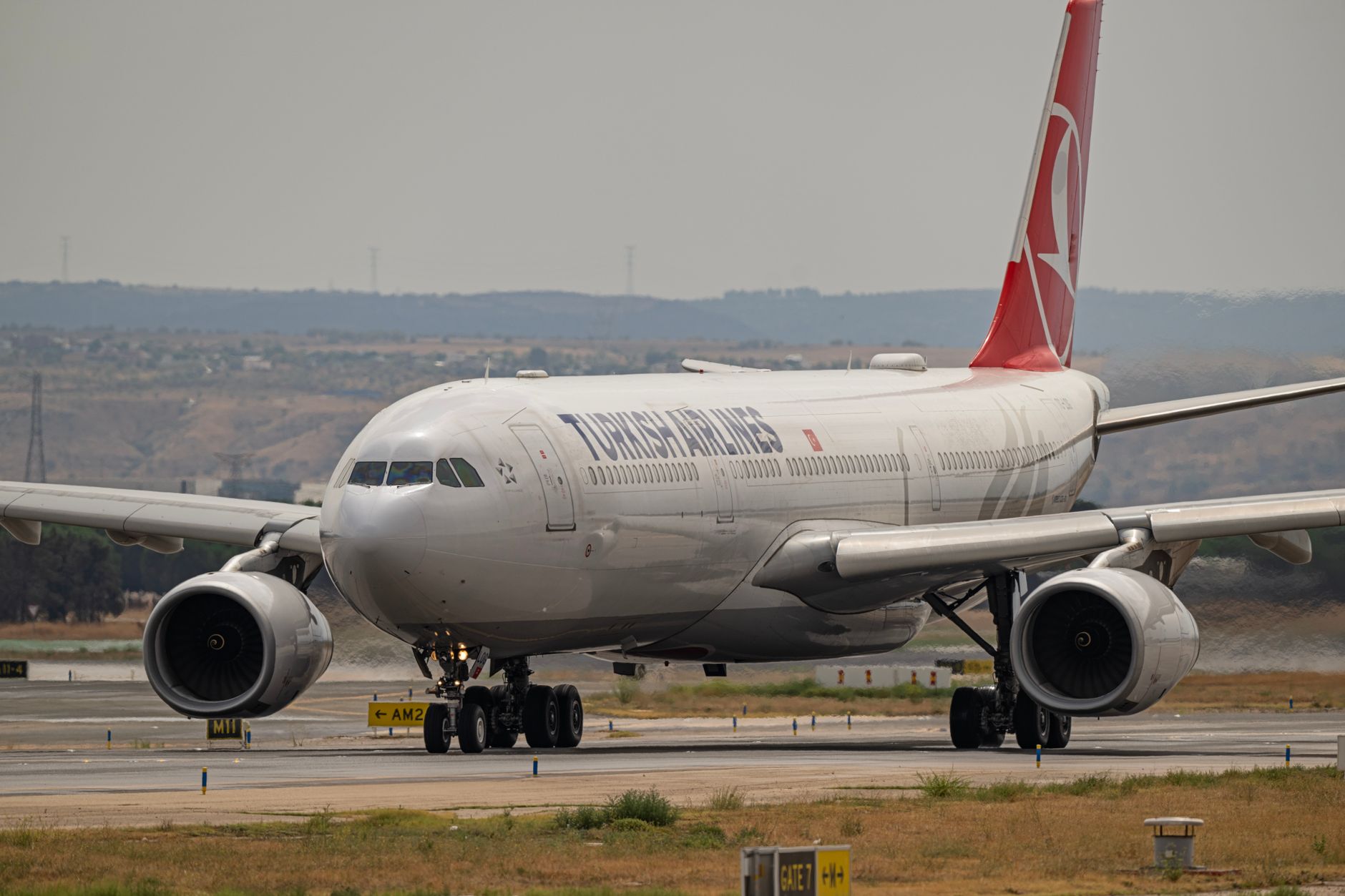
One of the biggest advantages for Central Asian patients is the growing network of direct flights to Istanbul and other Turkish cities. Turkish Airlines, along with regional carriers like Air Astana, Uzbekistan Airways, and Pegasus Airlines, offer frequent connections from major hubs such as Almaty, Nur-Sultan (Astana), Tashkent, Bishkek, Dushanbe, and Ashgabat.
In recent years, the number of direct flights has increased significantly, making it easier than ever to reach Türkiye. For example, there are multiple daily flights from Almaty to Istanbul, with journey times of around 5-6 hours. From Tashkent, flights take about 4-5 hours. This means patients can often travel to Türkiye and return home within a week, minimizing time away from work and family.
Moreover, the expansion of Istanbul's new airport (IST) has further boosted connectivity, with more airlines adding routes and increasing frequencies. Many clinics in Istanbul and Ankara offer airport pickup services, ensuring a smooth transition from the plane to your medical appointment.
Language: A Shared Heritage That Feels Like Home
One of the most reassuring aspects of medical travel to Türkiye for Central Asians is the linguistic and cultural affinity. Turkish, Azerbaijani, Kazakh, Kyrgyz, Uzbek, and Turkmen are all part of the Turkic language family, sharing many common words and grammatical structures. While the languages are not mutually intelligible, the similarities make it easier for patients to communicate basic needs and feel a sense of familiarity.
Many clinics in Türkiye employ staff who speak Russian—widely used as a lingua franca in Central Asia—and some have dedicated coordinators who speak Kazakh, Uzbek, or Kyrgyz. Additionally, English-speaking staff are common in international patient departments. This multi-lingual support ensures that patients can fully understand their diagnosis, treatment options, and aftercare instructions.
Beyond language, the cultural ties are strong. Central Asian patients often find Turkish customs, cuisine, and hospitality reminiscent of home. From the tea culture to the emphasis on family and respect for elders, the environment feels welcoming and comfortable.

Clinics with Experience: Specialized Care for Central Asian Patients
Turkish healthcare providers have recognized the growing number of patients from Central Asia and have tailored their services accordingly. Many private hospitals in Istanbul, Ankara, Izmir, and Antalya have established international patient departments that cater specifically to Central Asian clientele.
These clinics often have staff who are familiar with the health profiles and cultural preferences of Central Asian patients. For instance, they may offer halal food options, accommodate family members who travel with the patient, and provide prayer rooms. Some clinics have even formed partnerships with medical institutions in Central Asia for follow-up care.
When choosing a clinic, look for ones with accreditation from international bodies like JCI (Joint Commission International) and a proven track record in your specific procedure. Reading testimonials from other Central Asian patients can also give you confidence in your choice.

How to Access Turkish Healthcare: A Step-by-Step Guide
Accessing healthcare in Türkiye is straightforward, but a little planning goes a long way. Here's a simple guide to help you navigate the process:
- Research and choose a clinic: Use reputable resources like Istanbul Medical Tourism to compare hospitals and doctors. Check their experience with patients from your country.
- Get a medical opinion: Most clinics offer free online consultations. Share your medical reports and get a preliminary treatment plan and cost estimate.
- Book your flights and accommodation: With direct flights from major Central Asian cities, you can often find convenient options. Many clinics partner with nearby hotels to offer discounted rates.
- Prepare your documents: Ensure your passport is valid for at least six months beyond your travel dates. Check visa requirements—citizens of many Central Asian countries can obtain an e-visa or visa on arrival.
- Travel and treatment: Upon arrival, the clinic's international team will guide you through appointments, translations, and post-care.
Remember to inform your clinic of any dietary restrictions or cultural needs in advance, so they can make appropriate arrangements.
Cultural Comforts: Food, Faith, and Hospitality
Türkiye's cultural tapestry is woven with threads from Central Asia, making it a natural home away from home for patients. The cuisine, with its emphasis on lamb, rice pilaf, and yogurt, will be familiar to many Central Asians. Turkish hospitality is legendary, and you'll often be greeted with çay (tea) and warm smiles.
For Muslim patients, Türkiye offers abundant halal dining options and mosques with prayer facilities. Many hospitals have prayer rooms, and staff are respectful of religious practices. During Ramadan, clinics may adjust schedules to accommodate fasting patients.
Family is central to Central Asian culture, and Turkish clinics understand this. They often allow family members to stay with patients and involve them in care decisions. This support system can be invaluable during recovery.
Practical Tips for a Smooth Medical Journey
To make the most of your medical trip to Türkiye, consider these practical tips:
- Travel insurance: Check if your policy covers medical treatment abroad. Some clinics offer packages that include insurance.
- Currency and payments: The Turkish lira is the local currency, but many clinics accept payments in USD or EUR. Credit cards are widely accepted.
- SIM cards and connectivity: Buy a local SIM card at the airport for affordable data, or rely on Wi-Fi at your hotel and clinic.
- Weather: Istanbul has four distinct seasons, so pack accordingly. Summers can be hot and humid, while winters are cool and rainy.
- Follow-up care: Discuss follow-up plans with your doctor before returning home. Some clinics offer telemedicine consultations for post-operative check-ups.
With these tips, your medical journey to Türkiye will be as smooth and stress-free as possible.
Conclusion: A Trusted Path to Healing
Türkiye stands out as a premier destination for medical travel from Central Asia, thanks to its direct flight connections, linguistic and cultural affinity, and clinics that specialize in caring for patients from the region. Whether you're seeking a routine procedure or complex treatment, you can expect high-quality care in a welcoming environment.
By planning ahead and choosing a clinic with experience, you can focus on what matters most: your health and recovery. Türkiye's blend of modern medicine and traditional hospitality makes it an ideal choice for Central Asian patients seeking world-class healthcare close to home.
Thinking about treatment in Turkey?
Send us a question about this site or about the information published on it. This is a publisher's mailbox, not a medical service and not a route to a particular provider — for clinical questions, contact your own doctor.