

Why Families Choose Türkiye for Children's Heart Care
Learning that your child needs heart care is one of the most frightening moments a parent can face. The good news is that you do not have to face it alone — and you do not have to travel to the other side of the world to find world-class expertise. Over the past two decades, Türkiye has quietly become one of Europe and the Middle East's most trusted destinations for paediatric and congenital cardiology, welcoming thousands of families each year from across the region, Central Asia, the Gulf and beyond.
Istanbul and Ankara are home to large, dedicated children's hospitals and paediatric heart units where congenital cardiologists, foetal cardiologists, paediatric cardiac surgeons and intensive-care teams work side by side. Many of these centres perform the full spectrum of procedures — from diagnostic catheterisations and device closures to complex open-heart repairs in newborns — and they are accustomed to international families, which means English-speaking coordinators, thorough pre-arrival planning and a genuine understanding of what parents need.
What truly sets these centres apart, though, is the philosophy behind them: care designed around the child and the family, not just around the condition. In the sections below, we'll walk you through how treatment plans are built, what the wards are like, how interpreters and play therapy fit in, and how to make the journey itself as smooth as possible for your little one.
Leading Paediatric Heart Centres with Child-Friendly Wards
Türkiye's major paediatric cardiac centres are concentrated in Istanbul and Ankara, with several highly regarded units in Izmir as well. These are not adult hospitals with a children's corner — they are purpose-built environments where the corridors are decorated with murals, the waiting areas have play zones, and the staff are trained specifically to work with infants, children and teenagers. Many units operate dedicated paediatric cardiac intensive care beds, meaning your child recovers in an environment staffed by nurses who care for young hearts every single day.
Child-friendly wards in these hospitals typically offer single or double family rooms where a parent can sleep beside the child throughout the stay. That detail matters enormously: research and experience alike show that children heal better and feel safer when a caregiver stays close. Hospitals often provide a fold-out bed or recliner, a private bathroom, a small fridge and space for siblings' drawings on the wall. Some centres also have parent lounges, kitchens and laundry facilities so families can keep a sense of normal routine during longer admissions.
Behind the warm presentation sits serious capability. Congenital cardiology teams in these centres handle everything from tiny premature newborns to adolescents with grown-up congenital heart disease. They use modern imaging — echocardiography, cardiac MRI and CT, and 3D modelling for complex anatomy — and they participate in international registries and conferences, so their protocols reflect current global best practice. When you contact a centre, ask about its annual case volume for your child's specific condition; a team that performs a procedure regularly is a team that performs it well.

How Your Child's Treatment Plan Is Built — With You in the Room
At the heart of family-centred care is a simple principle: the plan belongs to the child and the parents, and the medical team is there to guide it. In Türkiye's paediatric heart centres, the process usually begins before you travel. You send your child's reports, imaging and a short medical history through the hospital's international patient office, and a congenital cardiologist reviews them and gives you a preliminary opinion, an outline of likely tests and a cost estimate. This first conversation, often by video call with an interpreter, is your chance to ask questions and to understand whether the centre is the right fit.
On arrival, the plan is refined through a multidisciplinary team meeting — cardiologists, cardiac surgeons, anaesthesiologists, intensivists and nurses reviewing your child's case together. You will normally meet the lead consultant afterwards, with an interpreter present, to walk through the diagnosis, the options, the risks and the proposed timeline in plain language. Nothing is decided in a corridor; you are given time, written information you can keep, and the opportunity to ask the same question twice without feeling rushed.
Treatment plans are then built around the child's age, size, condition and temperament. A toddler who is frightened of stethoscopes may have a play session before the examination; a teenager may want to speak to the doctor privately for part of the consultation. Surgery or catheterisation is scheduled to suit the child's clinical needs and, where possible, the family's travel arrangements. Follow-up is planned from day one too, including a written summary in English for your cardiologist back home and a clear schedule for remote check-ins after you return.
Interpreters, Coordinators and Play Therapy: The Support System Around Your Child
Communication is the foundation of trust, and language barriers have no place in a child's cardiac care. Hospital international patient departments provide professional medical interpreters — in person for key consultations and consent discussions, and often by phone for quick questions on the ward. These are trained interpreters, not family members or bystanders, so medical nuance is preserved and you can speak freely. Ask in advance which languages are available for your dates and request that the same interpreter, where possible, attends your main meetings so you are not repeating your child's story to a new face each day.
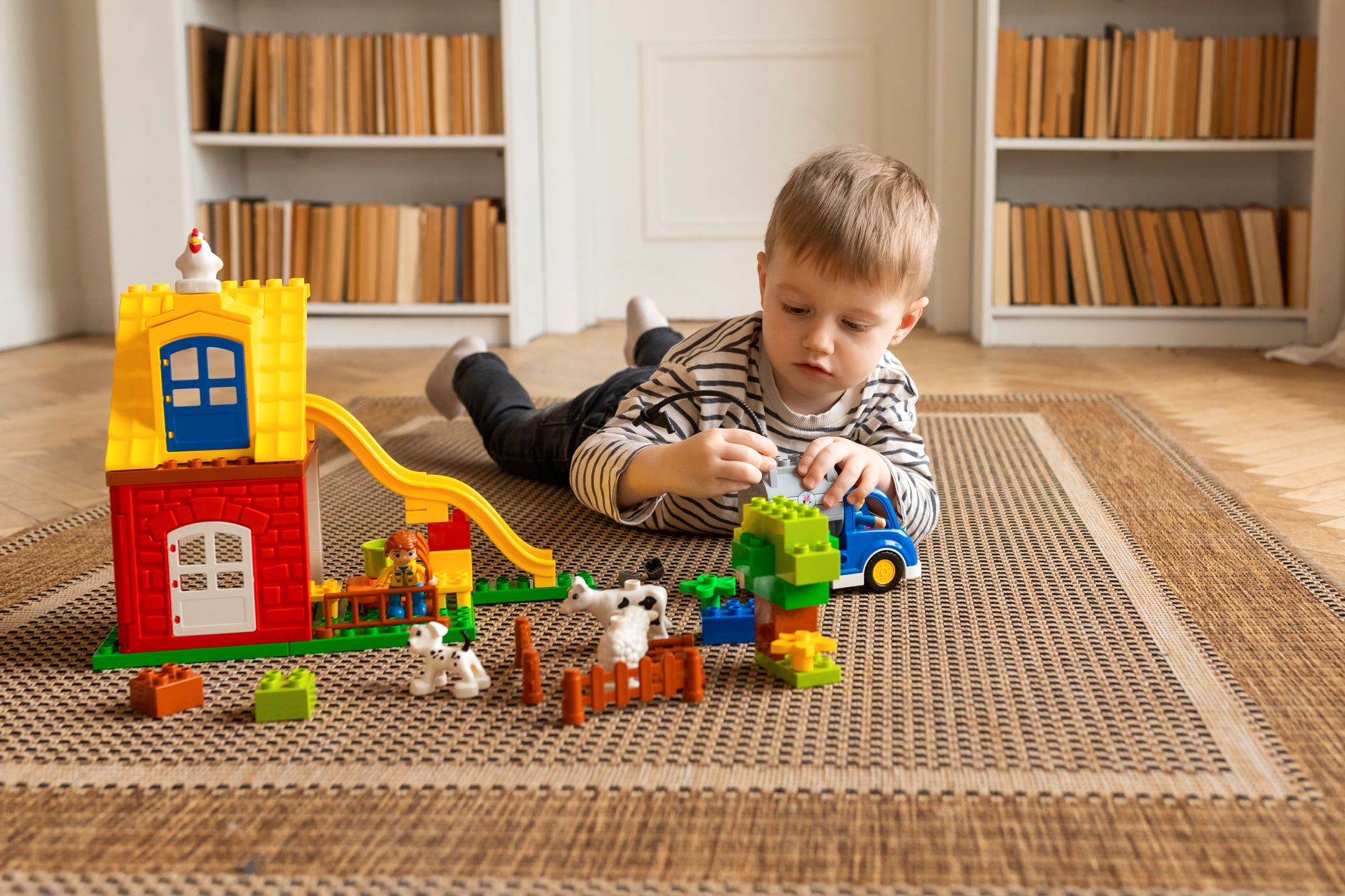
Play therapy is another hallmark of child-friendly paediatric cardiology in Türkiye. Hospital play specialists and child life practitioners use toys, dolls, drawings and simple medical play to help children understand what will happen to them — that the mask is for sleepy air, that the monitor is just watching their heart, that the bandage will come off. This kind of preparation reduces anxiety, can lessen the need for sedation during scans, and helps children cooperate during recovery. Parents are welcomed into these sessions; siblings often are too, which helps the whole family adjust.
Beyond the clinical team, international coordinators act as your practical anchors: helping with appointments, hospital paperwork, insurance and embassy letters, pharmacy runs and even a recommendation for a nearby playground. Many centres also offer psychological support for parents, because a child's heart journey is emotionally demanding for caregivers too. Do not hesitate to ask for this — it is part of the care, not an add-on.
Accommodation and Daily Life Near the Hospitals
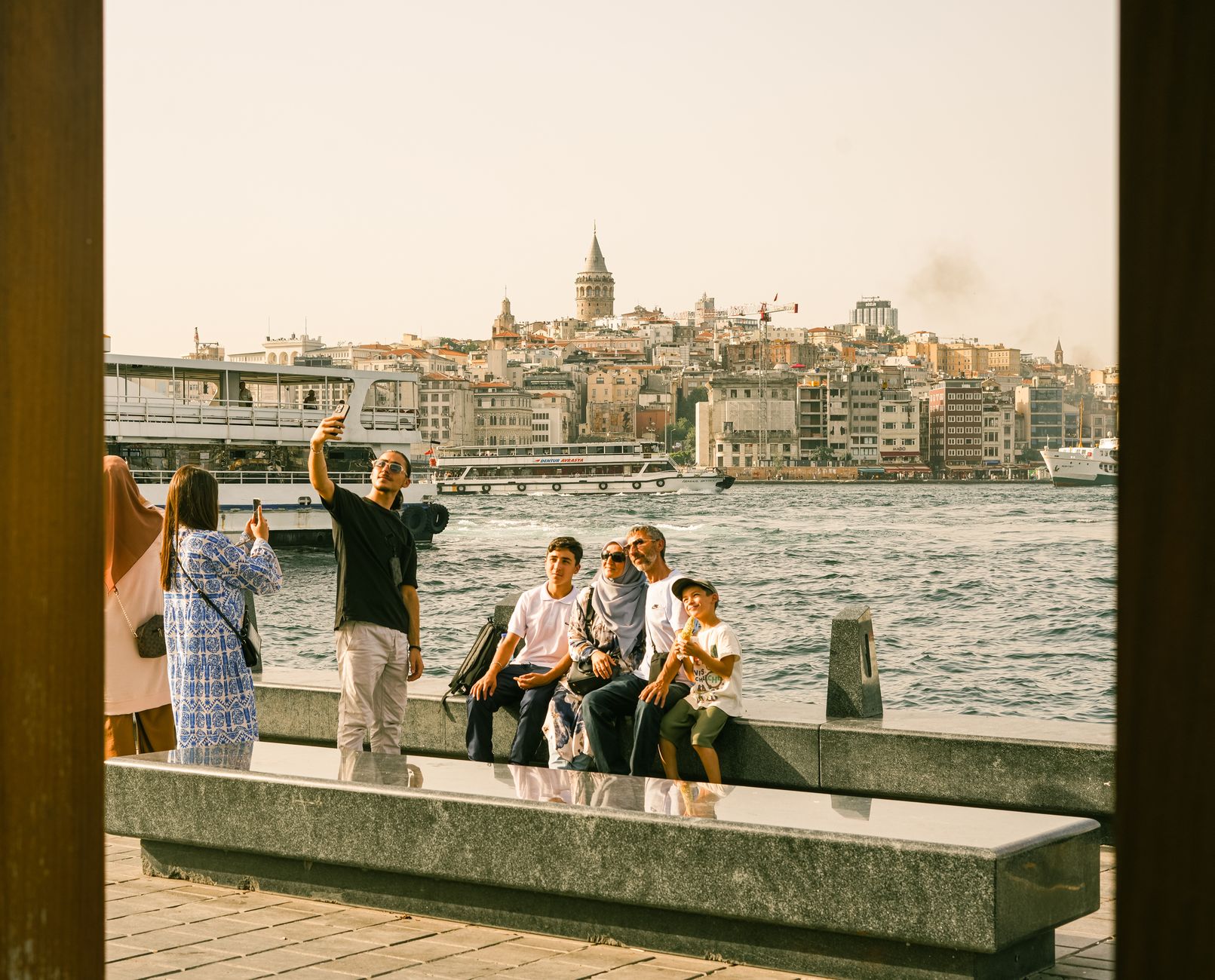
Most families choose to stay within walking distance of the hospital during the treatment period, and this is wise. Istanbul's major paediatric centres, particularly around the Kozyatağı, Ataşehir and Bahçelievler districts, are surrounded by family-friendly hotels and serviced apartments with kitchens, laundry and quiet rooms — ideal when a child needs rest and parents need to prepare meals at odd hours. Ankara's hospital districts offer similar options, often at very reasonable monthly rates for longer stays.
Ask the hospital's international office for its list of partner hotels, which frequently offer discounted medical-travel rates and shuttle services. A serviced apartment with a kitchenette can be a lifesaver for children on special diets or with post-operative appetites that come and go. Check whether the building has a lift, reliable heating or air conditioning, and blackout curtains — small comforts that make a big difference to a recovering child's sleep.
Daily life can still hold small pleasures. Between appointments, families often take gentle walks in nearby parks, visit a quiet café or let siblings burn off energy at a playground. Istanbul's larger hospitals are well connected by metro and taxi, and ride-hailing apps work smoothly. Keep the pace slow, plan one outing at most per day, and always build in a rest afternoon before any procedure.

Practical Tips for Travelling to Türkiye with a Child for Care
Preparation turns anxiety into confidence. Start with documents: passports valid for at least six months, the child's medical reports and imaging on a USB stick and in the cloud, a list of current medications with generic names and doses, vaccination records, insurance details and a signed consent letter if only one parent is travelling. Check Türkiye's current visa rules for your nationality well ahead of time — many families can obtain an e-visa quickly, but rules vary and change.
On the flight, pack a small medical kit with any regular medicines in original packaging, a thermometer, plasters and a favourite comfort toy. Request assistance at the airport if your child has reduced mobility or needs oxygen; airlines are generally very accommodating when asked in advance. In Türkiye, pharmacies are widely available and staff are helpful, but bring prescription medications with you rather than relying on sourcing them locally, and carry a doctor's letter explaining them.
Schedule buffer days. Arrive at least two or three days before your first appointment to recover from travel, adjust to the time zone and complete any tests. Leave a week or more after discharge before flying home, and confirm with your cardiologist that your child is fit to travel. Finally, look after yourself: eat properly, sleep when your child sleeps, accept help from the coordinator, and remember that your calm presence is one of the most powerful medicines your child will receive. Türkiye's paediatric heart teams are ready to welcome your family with skill and warmth — and to send you home with a healthier heart and a lighter step.
Thinking about treatment in Turkey?
Send us a question about this site or about the information published on it. This is a publisher's mailbox, not a medical service and not a route to a particular provider — for clinical questions, contact your own doctor.