

Why Choose Türkiye for Medical Treatment?
Türkiye has become a leading destination for medical tourism, attracting hundreds of thousands of international patients each year. With internationally accredited hospitals, highly skilled specialists, and state-of-the-art technology, Türkiye offers world-class healthcare at a fraction of the cost compared to Western Europe or North America. But beyond the medical excellence, the country's strategic location, robust air connectivity, and patient-friendly visa policies make traveling for treatment surprisingly simple.
Whether you're considering a hair transplant, dental work, bariatric surgery, IVF, or advanced cardiac care, understanding the visa and travel logistics is the first step toward a smooth and stress-free medical journey. This guide walks you through everything you need to know, from visa options to entry requirements, and from booking flights to arranging accommodation for yourself and your companions.
Visa Options for Medical Travelers to Türkiye
Most international patients need a visa to enter Türkiye, but the type of visa depends on your nationality, length of stay, and the nature of your treatment. Citizens of many countries—including most EU nations, the UK, and several others—can enter Türkiye visa-free for short stays (usually 90 days within a 180-day period). If you're from a country that requires a visa, you have several options:
- e-Visa: The fastest and easiest route for eligible nationalities. Apply online through the official Republic of Türkiye e-Visa portal, pay the fee, and receive your visa electronically within minutes. It's valid for tourism or business purposes, including medical visits, and allows stays of up to 90 days.
- Medical Visa (Sticker Visa): If your treatment requires an extended stay or you're from a country not eligible for the e-Visa, you can apply for a medical visa at a Turkish consulate. This typically requires an appointment letter from a Turkish hospital, proof of sufficient funds, and travel insurance. Medical visas often allow longer stays and can be extended within Türkiye.
- Visa-Free Entry: Some nationals can enter without a visa for up to 90 days. Check the latest regulations on the official Turkish Ministry of Foreign Affairs website, as policies change periodically.
It's crucial to verify your specific visa requirements well in advance. Many hospitals in Türkiye have international patient departments that can provide invitation letters and guide you through the visa application process. Always apply for your visa before booking non-refundable travel.
Entry Requirements and Documents You'll Need
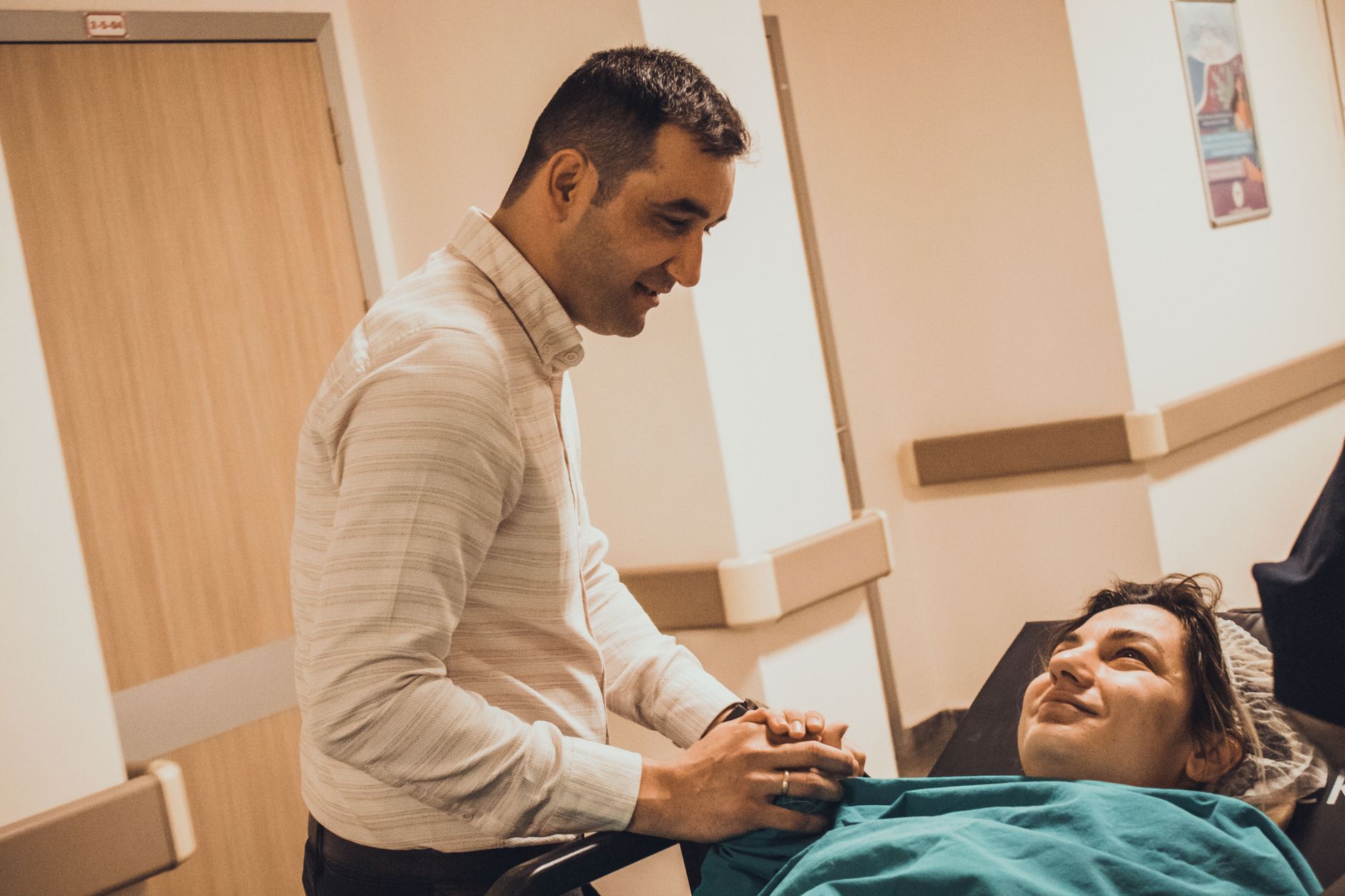
Beyond a valid visa (if required), there are several entry requirements to keep in mind. Your passport must be valid for at least 150 days (about 5 months) beyond your intended date of entry. Some nationalities may also need to show proof of onward travel, hotel reservations, and sufficient funds for their stay. For medical travelers, it's wise to carry:
- A letter from your Turkish hospital confirming your appointment and treatment plan.
- Medical records, test results, and prescriptions (preferably translated into Turkish or English).
- Travel insurance that covers medical emergencies and repatriation.
- Proof of accommodation (hotel booking or hospital-arranged housing).
- Return flight ticket or itinerary.
Türkiye has streamlined entry for medical tourists, and immigration officers are generally familiar with patients traveling for treatment. Having your documents organized in a folder—both printed and digital copies—will make your arrival smooth. Additionally, check if your country has any specific health entry requirements, such as vaccination certificates, though these are rarely needed for Türkiye.
Travel Logistics: Flights, Airports, and Ground Transportation
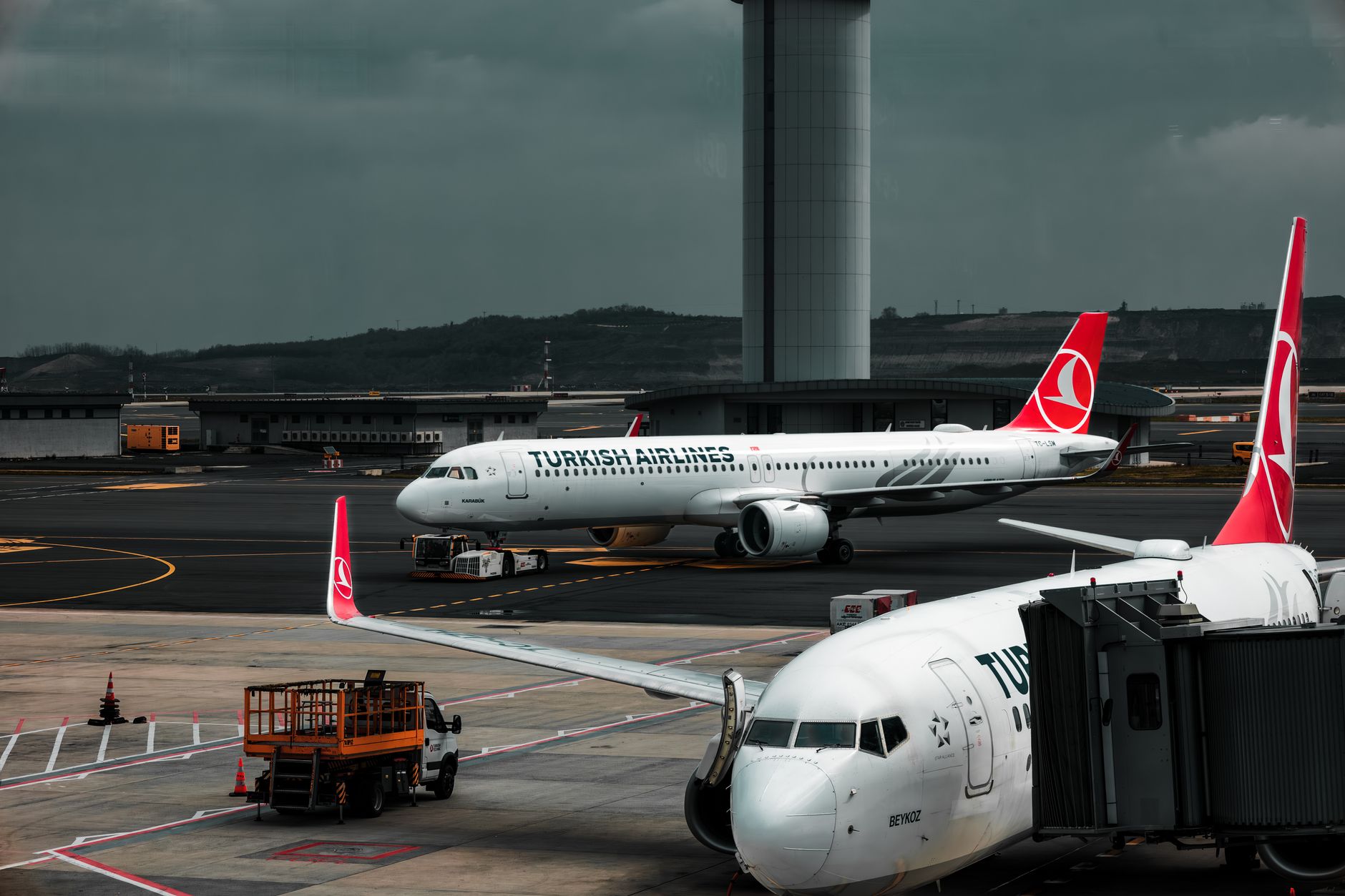
Türkiye's central location between Europe, Asia, and the Middle East makes it exceptionally accessible. Istanbul alone is served by two major airports: Istanbul Airport (IST) on the European side and Sabiha Gökçen Airport (SAW) on the Asian side. Both receive direct flights from over 300 destinations worldwide, with frequent connections from major hubs like London, Frankfurt, Dubai, and New York.
For medical travelers, direct flights are ideal to minimize travel fatigue. Once you land, you'll find efficient ground transportation options. Istanbul Airport and Sabiha Gökçen both offer taxis, ride-hailing services (like Uber and BiTaksi), and private transfer services. Many hospitals provide airport pickup for international patients—be sure to ask. If you're traveling to other cities like Ankara, Izmir, or Antalya, domestic flights are frequent and affordable, with a flight from Istanbul to Antalya taking just over an hour.
When booking flights, consider arriving a day or two before your appointment to rest and adjust. Also, check with your airline about medical clearance if you have any mobility issues or require special assistance. Most airlines are accommodating and can provide wheelchair services or extra legroom.
Accommodation and Companion Travel
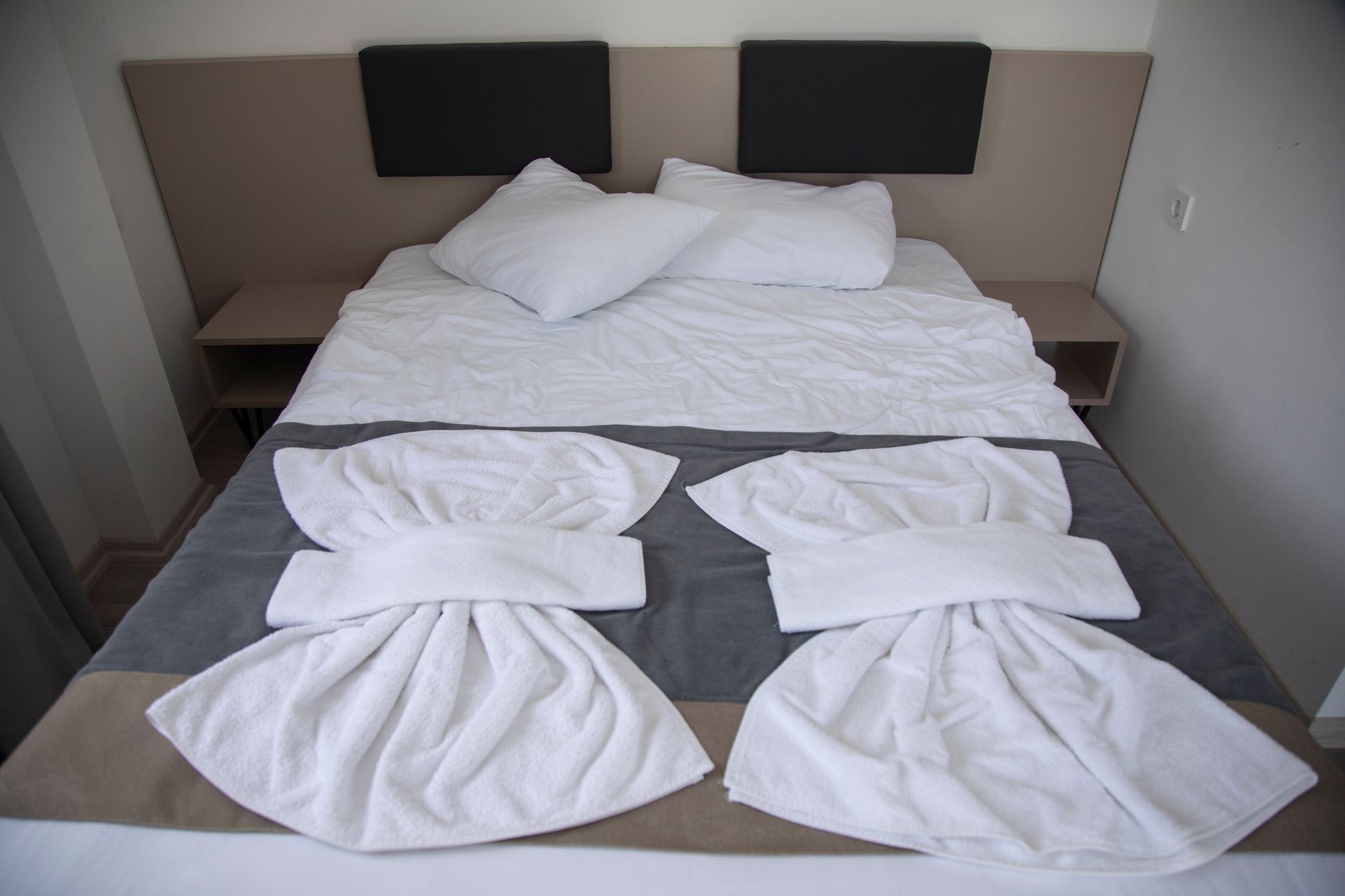
Türkiye offers a wide range of accommodation options to suit every budget, from luxury hotels to affordable guesthouses and hospital-affiliated patient hotels. Many hospitals in Istanbul and other medical hubs have partnerships with nearby hotels that offer special rates for medical travelers, including shuttle services to the hospital. If you're traveling with a companion, look for rooms with twin beds or suites for extra comfort.
Companions are generally welcome and can be invaluable for support during your treatment and recovery. They will need the same visa and entry documents as you, so plan their travel accordingly. If your companion is from a visa-exempt country, they can enter easily; otherwise, they should apply for a tourist visa. Some hospitals allow one companion to stay overnight in your room, but policies vary—confirm in advance.
For longer stays, consider serviced apartments, which offer kitchen facilities and more space. Areas around major hospitals, such as Nişantaşı or Şişli in Istanbul, have numerous accommodation choices within walking distance. Your hospital's international patient coordinator can often recommend trusted options.
Practical Tips for a Smooth Medical Journey
To ensure your medical travel to Türkiye is as seamless as possible, keep these tips in mind:
- Communicate with your hospital: Establish a clear line of communication before you travel. Share your medical history, ask about pre-operative tests, and confirm costs and payment methods.
- Arrange a translator: While many doctors speak English, having a professional translator for consultations can prevent misunderstandings. Hospitals often provide this service free of charge.
- Plan for recovery: If your procedure requires downtime, book accommodation with comfortable amenities and easy access to the hospital. Avoid scheduling sightseeing immediately after treatment.
- Currency and payments: The Turkish lira is the local currency. Major hospitals accept credit cards and bank transfers, but carry some cash for small expenses. ATMs are widely available.
- Stay connected: Buy a local SIM card or eSIM for affordable data, and ensure your phone works in Türkiye. Free Wi-Fi is common in hotels and hospitals.
- Emergency contacts: Save the contact numbers of your hospital, embassy, and insurance provider. The emergency number in Türkiye is 112.
Türkiye's patient-friendly infrastructure, combined with its warm hospitality, makes it an ideal destination for medical care. By planning your visa and travel logistics carefully, you can focus on what truly matters: your health and recovery.
Conclusion: Your Health Journey Starts with Smart Planning
Undergoing medical treatment abroad can feel overwhelming, but Türkiye's streamlined visa processes, excellent air connectivity, and dedicated international patient services make it remarkably accessible. Whether you're traveling alone or with a companion, the key is to prepare your documents, book flexible travel, and leverage the support offered by your chosen hospital.
With its blend of advanced healthcare, rich culture, and welcoming atmosphere, Türkiye is not just a place for treatment—it's a place for healing. Start your journey by consulting with a reputable Turkish hospital, and let the logistics fall into place. Your path to better health is closer than you think.
Thinking about treatment in Turkey?
Share your contact details and a verified doctor will follow up with a plan built around you — free, no obligation.