

A Shift in How Europe Thinks About Treatment Abroad
For decades, the phrase "treatment abroad" carried a faint whiff of compromise in much of Western Europe — something people did when they felt they had no other option. That assumption is quietly collapsing. Each year, thousands of patients from Germany, the United Kingdom, the Netherlands, France, Belgium and the Nordic countries board direct flights to Istanbul, Ankara and Izmir with a treatment plan already in hand and a return date already booked.
What has changed is not the cost of care alone. It is the realisation that a modern, accredited Turkish hospital can offer something European health systems increasingly struggle to provide: speed without chaos, transparency, and continuity that follows the patient home.
This is not a story about finding the lowest-cost implant or the fastest surgery. It is a story about patients who have compared their options carefully — public waiting lists, private clinics at home, and reputable international hospitals — and concluded that Türkiye offers the most sensible combination of timing, transparency and clinical standards.
Why Waiting Lists Have Become a Deciding Factor
Across much of Europe, the gap between needing treatment and receiving it has widened. Orthopaedic patients in parts of the UK can wait many months for a hip or knee replacement. Dental patients in countries with limited public coverage often face a choice between paying privately at home or postponing care indefinitely. Bariatric surgery, where it is covered at all, is frequently rationed by strict eligibility criteria and long queues.
Waiting is not neutral. Joints deteriorate, dental problems compound, and chronic conditions become harder and more expensive to manage. For patients in pain or facing declining mobility, a six- or nine-month wait is not an inconvenience — it is lost quality of life.
Türkiye's private and university-affiliated hospitals operate with a different rhythm. Many can schedule a consultation within days and a procedure within weeks, allowing patients to plan around work, family and recovery rather than surrender their calendars to an uncertain queue. For a 58-year-old teacher from Manchester weighing a knee replacement against a cancelled summer, that predictability alone can be decisive.
Short Flights, Familiar Ground
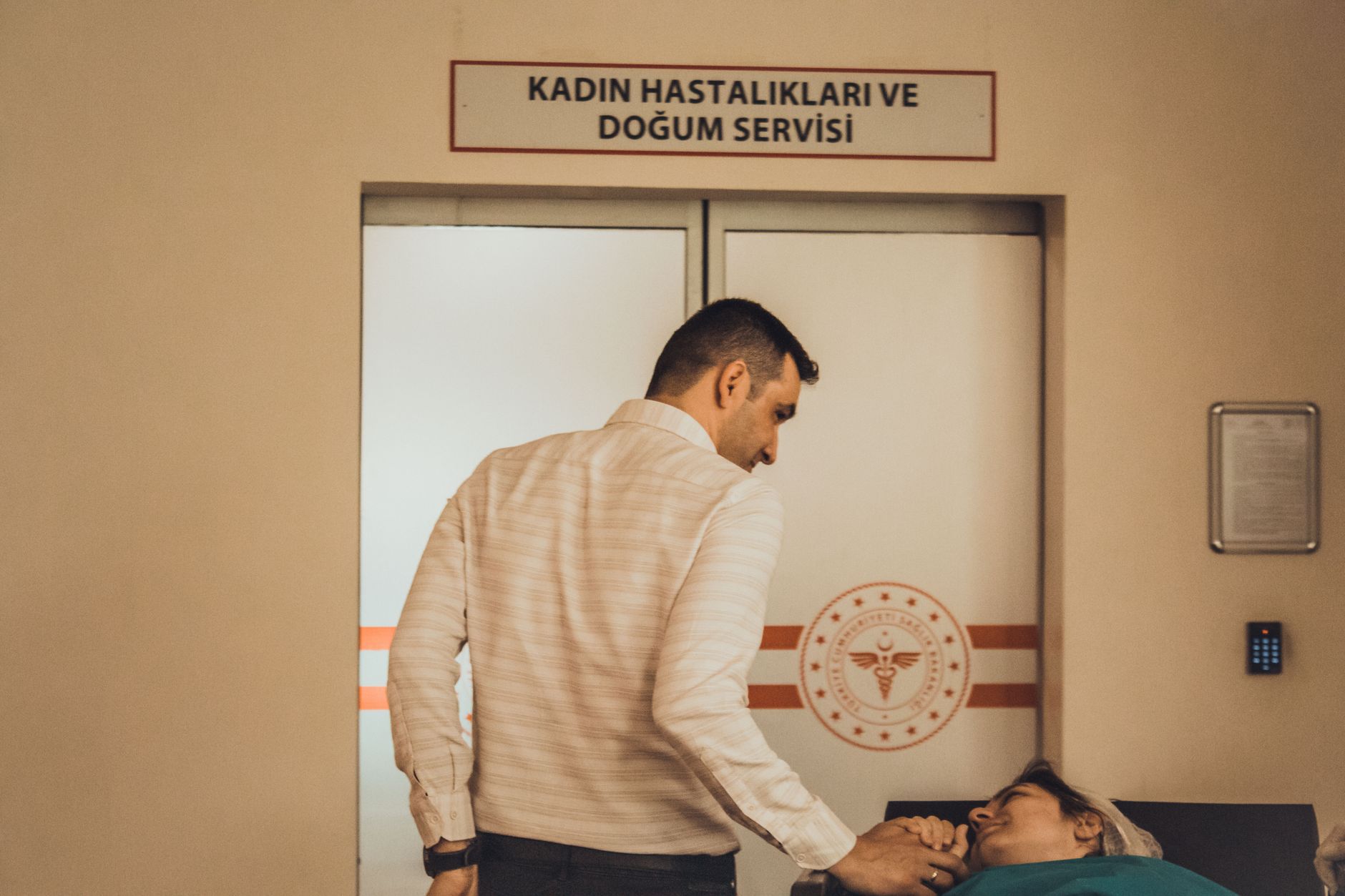
Geography matters more than people expect. Istanbul is roughly a three-hour flight from most of Western Europe, and many Turkish coastal and central cities are reachable in four. There is no jet lag, no twelve-hour recovery flight, and no need to cross continents for a follow-up appointment that could have happened in the same time zone.
Direct routes connect Istanbul to London, Berlin, Amsterdam, Paris, Frankfurt, Vienna, Stockholm and dozens of other European cities daily. For a patient recovering from surgery, that brevity is a clinical advantage: shorter travel means less strain on the body and a faster return to familiar surroundings.
Many hospitals and their international patient departments organise airport transfers, multilingual coordinators and accommodation near the clinic, so the practical burden falls on the provider rather than the patient. The result feels less like an expedition and more like a short, well-organised trip with a medical purpose.

Transparent Pricing and What It Really Buys
Transparency is the second reason European patients increasingly look east. A treatment plan from a reputable Turkish hospital typically arrives as a written quotation: procedure, hospital stay, anaesthesia, medications, consultations, transfers and follow-up obligations, itemised. Patients know what they are paying before they board a plane — a stark contrast to the ambiguity many encounter when comparing private care at home.
It is important to be honest about what lower prices do and do not mean. They do not mean lower-grade implants, unqualified surgeons or repurposed facilities. They reflect different underlying costs — labour, insurance structures, administrative overhead — and, in many cases, a higher patient volume that spreads fixed costs across more procedures.
Price should never be the only reason to travel for care. It should be the last thing you verify, not the first thing that persuades you.
The genuinely valuable part of the pricing story is not the discount. It is the ability to say yes to treatment now, with a clear budget, rather than delaying indefinitely or borrowing heavily for a private procedure close to home.
Dental, Cosmetic, Bariatric and Orthopaedic Care: What Türkiye Does Well
Türkiye's international reputation has been built on a handful of specialties where volume, experience and infrastructure reinforce one another.
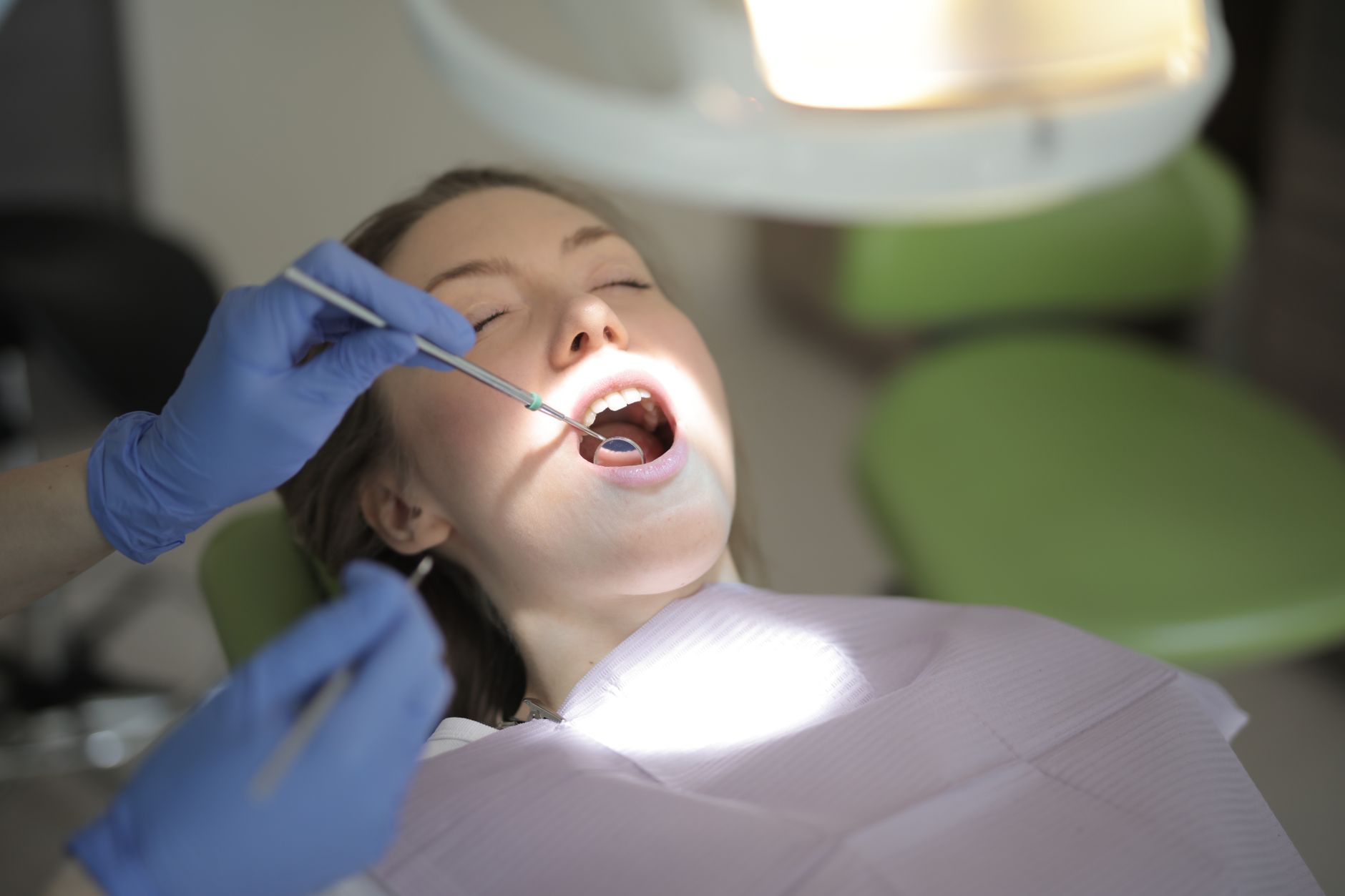
- Dental care — implants, crowns, veneers and full-mouth reconstructions are performed at scale, often with digital planning, and typically require one or two trips to complete staged work.
- Cosmetic and reconstructive surgery — rhinoplasty, facial procedures, body contouring and hair transplantation are performed in accredited clinics with dedicated post-operative accommodation and nursing support.
- Bariatric surgery — gastric sleeve, bypass and related procedures are offered within multidisciplinary programmes that include dietetic, psychological and nutritional follow-up, not just an operating theatre.
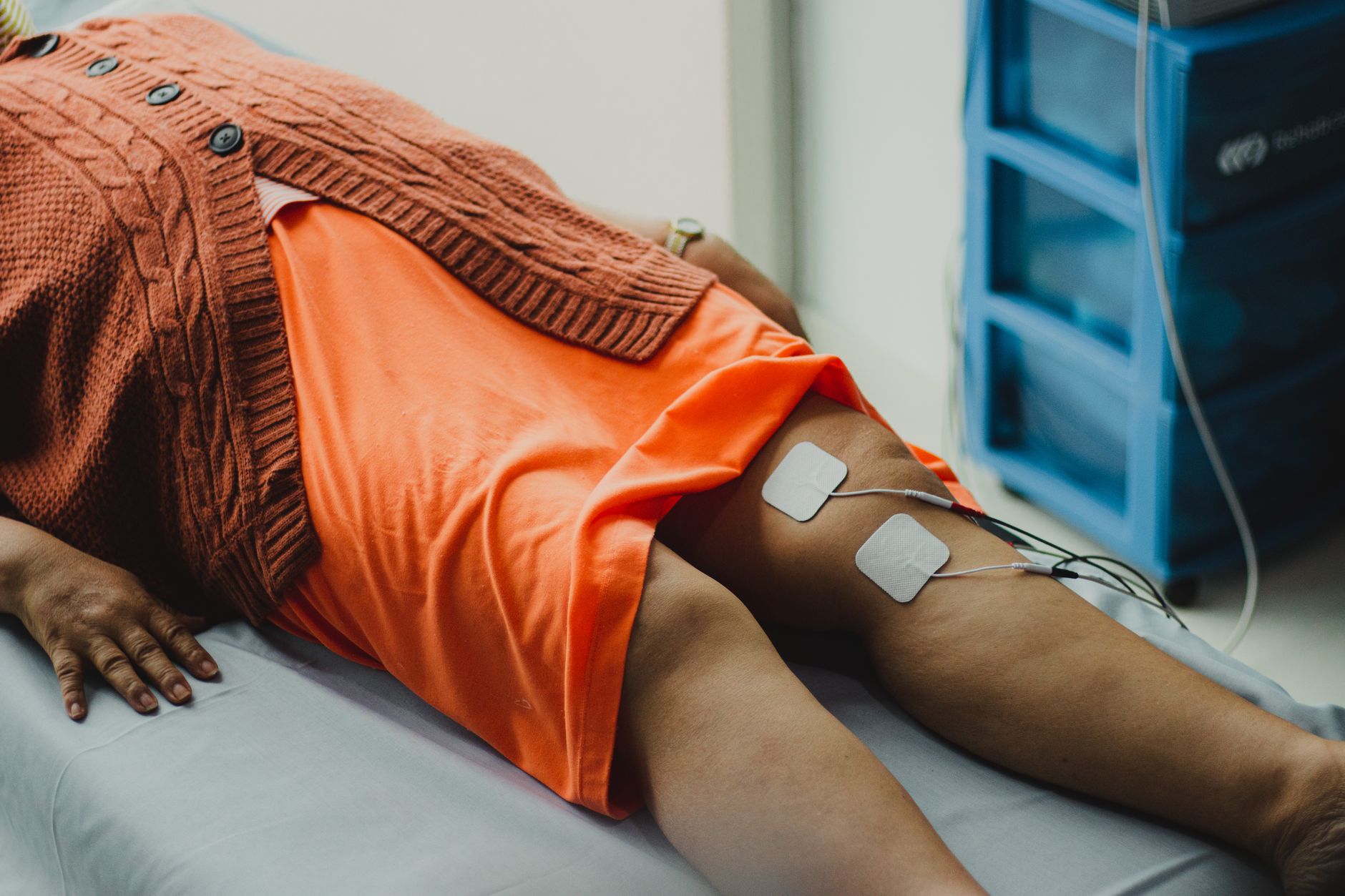
- Orthopaedic surgery — hip and knee replacement, spinal procedures and sports-injury surgery are carried out in hospitals with modern imaging, rehabilitation units and physiotherapy teams.
What unites these fields is not novelty. It is maturity: high case volumes, standardised protocols, and clinical teams accustomed to treating international patients with different languages, expectations and home-country follow-up arrangements.
Accreditation, Safety and Asking the Right Questions
Quality is not a slogan; it is verifiable. Many Turkish hospitals hold international accreditation such as JCI, ISO certifications, or TEMOS recognition for medical tourism, and their surgeons are frequently members of European and international professional bodies.
Choosing well means asking specific questions rather than trusting a glossy website:
- Which accreditation does the hospital hold, and can you see the certificate?
- Who will perform the procedure, and what is their complication and revision rate?
- What exactly does the quoted price include — and what does it exclude?
- What happens if a complication occurs after you return home?
- Who is responsible for follow-up, and how is it documented?
Reputable providers answer these questions in writing and welcome scrutiny. Clinics that discourage questions, promise outcomes that cannot be guaranteed, or pressure you to pay a deposit before a proper consultation should be avoided regardless of how attractive their price appears.
Continuity of Care: The Part That Travels Home With You
The most meaningful change in recent years is the rise of structured aftercare. Treatment no longer ends at the airport. Modern international patient departments issue discharge summaries in English or the patient's language, share imaging and operative notes, prescribe medication schedules, and offer scheduled video consultations for weeks or months after the procedure.
This matters enormously for continuity with a home-country GP or specialist. A well-prepared patient arrives back with a complete clinical record — not a vague verbal account — allowing their family doctor to monitor healing, adjust medication, or arrange physiotherapy without starting from zero.
For bariatric patients, continuity often includes dietitian reviews and blood-test monitoring at defined intervals. For orthopaedic patients, it includes rehabilitation plans that can be handed to a local physiotherapist. For dental patients, it includes documentation of materials and implant systems so that any future maintenance can be done locally.
That is the real "long-term value": not a single lower invoice, but a treatment episode that integrates into a patient's ongoing healthcare rather than interrupting it.
A Smart Alternative, Not a Bargain Hunt
European patients are not choosing Türkiye because they have given up on quality. They are choosing it because they have done the arithmetic — clinical, logistical and personal — and found that a country with modern hospitals, experienced surgeons, transparent pricing and short flights offers a dignified way to stop waiting.
Done properly, with accredited facilities, honest consultations and genuine aftercare, treatment in Türkiye is not a compromise. It is a considered decision by people who value their time, their health and their continuity of care — and who would rather See the provider's page for current terms.
Thinking about treatment in Turkey?
Send us a question about this site or about the information published on it. This is a publisher's mailbox, not a medical service and not a route to a particular provider — for clinical questions, contact your own doctor.