

Understanding Microtia: More Than a Medical Condition
Microtia is a congenital condition in which a child is born with an underdeveloped or absent outer ear. It affects approximately one in every 5,000 to 10,000 births worldwide, and while it can occur on its own, it is sometimes associated with hearing differences or other craniofacial features. For families, a microtia diagnosis often brings a mix of emotions — concern about hearing, questions about the future, and a deep desire to give their child every opportunity to thrive.
What many families discover is that microtia is not simply a physical difference. It can influence how a child feels about their appearance, how they interact with peers, and how they navigate a world that sometimes stares or asks questions. This is why comprehensive care goes beyond surgery alone. It addresses hearing, emotional well-being, and the whole family's experience.
In recent years, Türkiye has become an established destination for families seeking microtia and ear reconstruction surgery. Its plastic and reconstructive surgery centres are internationally respected for their expertise in rib cartilage ear reconstruction and advanced techniques, with surgeons who are experienced in complex paediatric and adult cases. Just as importantly, these teams are known for compassionate, multidisciplinary care that puts the patient and family at the centre of every decision.
Why Türkiye Has Become a Global Hub for Ear Reconstruction
Türkiye has a long and distinguished tradition in plastic and reconstructive surgery. Istanbul, Ankara, and Izmir are home to high-volume centres where surgeons perform complex microtia reconstruction regularly — a factor that matters enormously for a procedure requiring precision, artistry, and experience. When a surgical team performs hundreds of ear reconstructions rather than a handful, their outcomes tend to be more consistent and refined.
Turkish surgeons are particularly respected for their mastery of autologous rib cartilage reconstruction, widely considered the standard for creating a natural-looking, durable ear. This technique uses the patient's own cartilage — typically harvested from the ribs — to sculpt a new ear frame that grows with the child and behaves like a living part of the body. Unlike synthetic implants, rib cartilage carries a lower risk of extrusion and long-term complications, and it can be used even in very young patients when the timing is right.
Beyond technical skill, Turkish centres offer something families consistently mention: warmth. Many international patients describe feeling welcomed not as outsiders but as guests. This cultural hospitality, combined with well-regarded surgical expertise, has made Türkiye a trusted name in reconstructive care for families from Europe, the Middle East, Africa, and beyond.
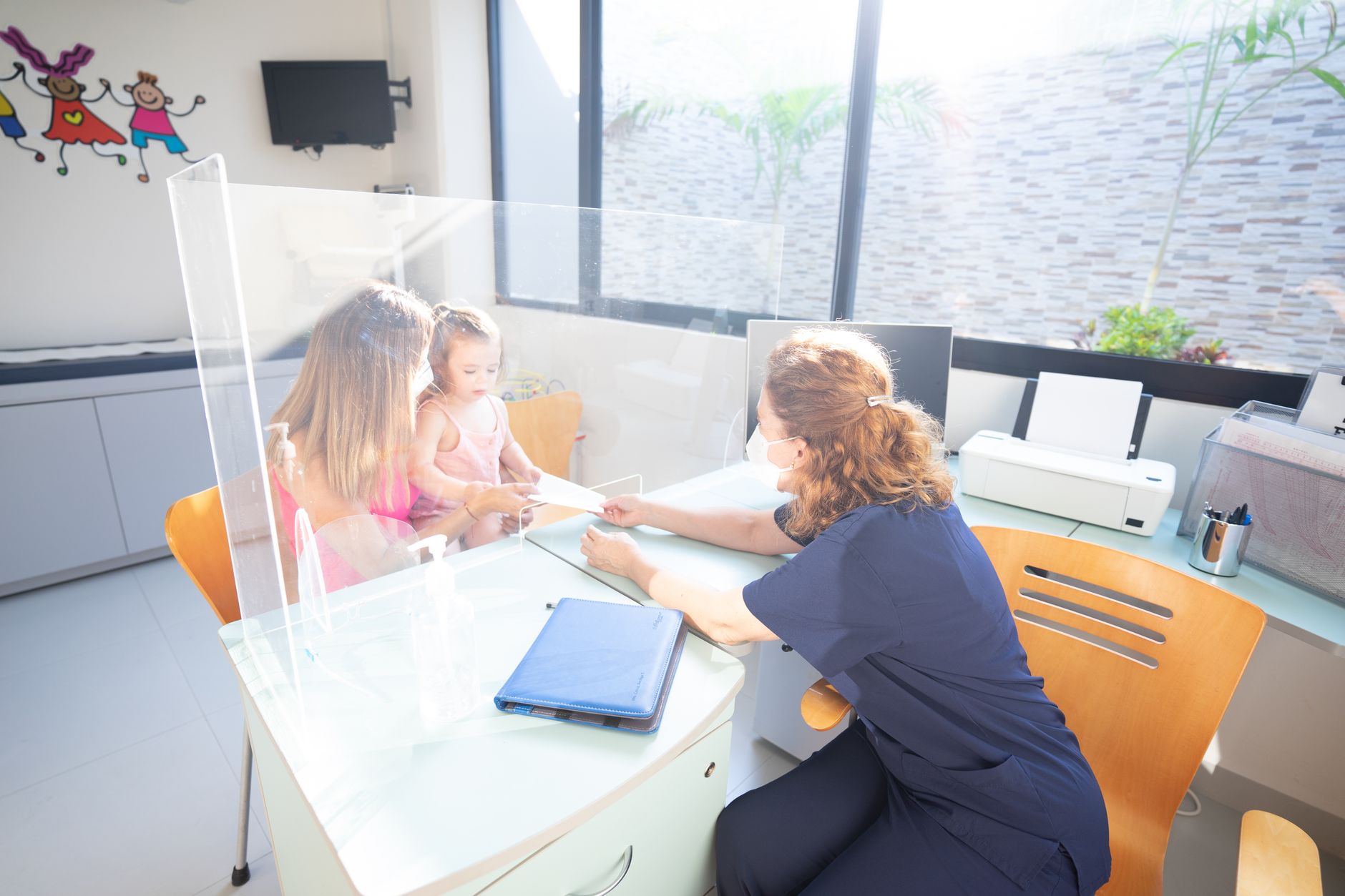
Rib Cartilage Reconstruction: The Standard Technique Explained
Rib cartilage ear reconstruction is a highly specialised procedure that typically unfolds in stages. The surgeon first harvests a small amount of cartilage from the patient's rib cage, usually through a discreet incision. This cartilage is then meticulously carved and assembled into an ear framework that matches the opposite ear in size, shape, and position. The framework is placed under the skin at the ear site, and later stages refine the projection and create the delicate details that make an ear look natural.
One of the greatest advantages of rib cartilage is that it is the patient's own tissue. This means the body accepts it without the risk of rejection, and the reconstructed ear can withstand the rough-and-tumble of childhood play. It also has a natural feel and appearance that synthetic materials struggle to match. For many families, this is the deciding factor when choosing a technique.
Timing is important. Surgeons generally recommend waiting until a child has enough rib cartilage — often around age six to ten — to ensure a stable, long-lasting result. However, every child is different, and an experienced team will assess growth, hearing status, and the family's goals before recommending a personalised plan. For adults seeking reconstruction, rib cartilage remains an option, and many Turkish centres have extensive experience with adult cases as well.
Advanced techniques have further improved outcomes. Some surgeons now use 3D imaging and computer-assisted planning to design the ear framework with remarkable precision. Others combine reconstruction with hearing rehabilitation, ensuring that form and function are addressed together. This holistic approach is a hallmark of Türkiye's established centres.
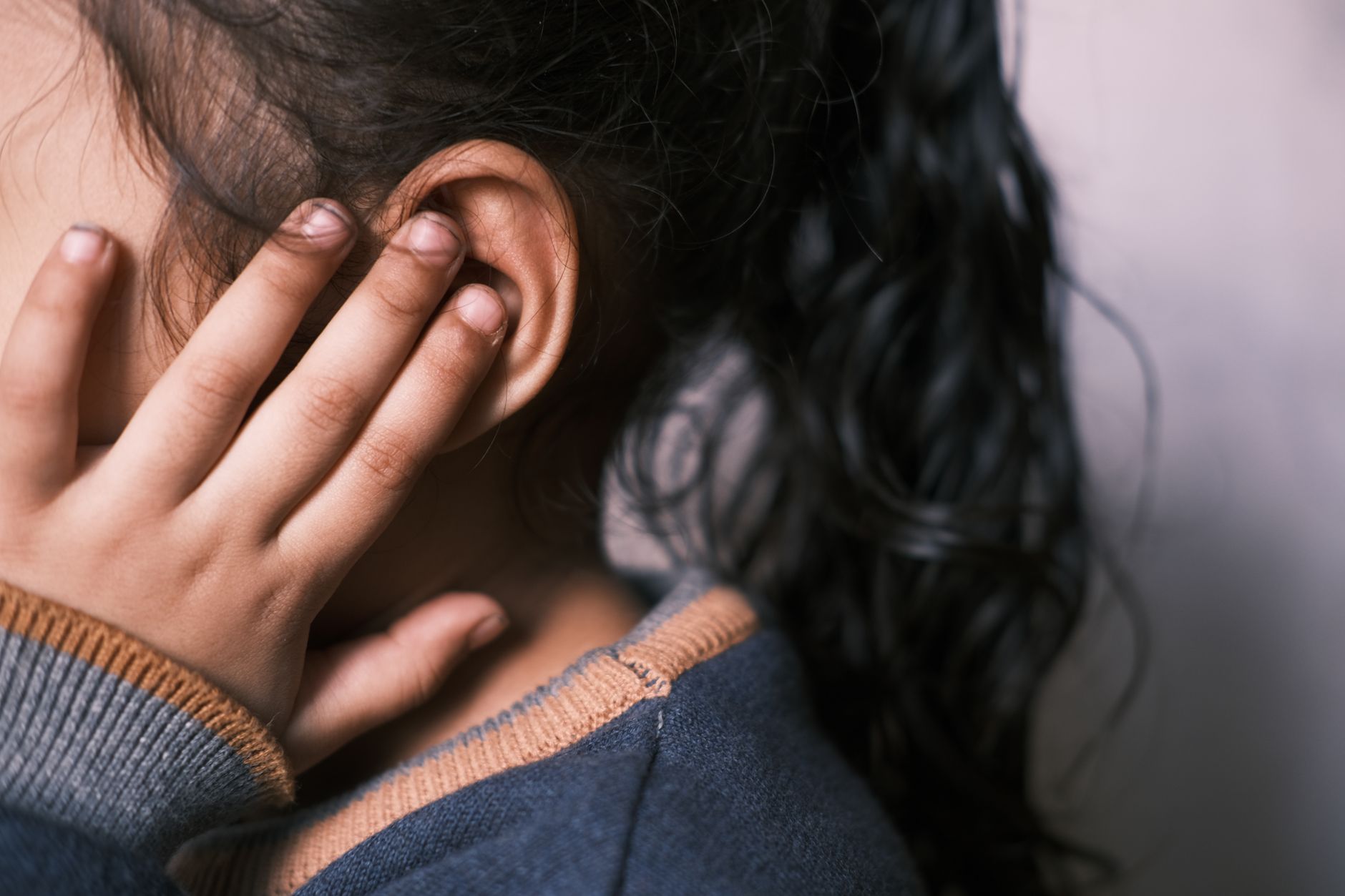
Compassionate Multidisciplinary Care: Hearing, Psychology, and Family Support
Ear reconstruction is not only about appearance. Many children with microtia also have hearing differences, which is why audiology is an integral part of care in Türkiye's centres. Audiologists conduct thorough evaluations and can recommend solutions such as bone-anchored hearing aids, canalplasty, or other interventions. The goal is to give every child the best possible access to sound, supporting language development, learning, and social connection.
Psychological support is equally important. Children and adolescents with microtia may experience teasing, low self-esteem, or anxiety about their appearance. Turkish teams often include psychologists and counsellors who work with patients and families during treatment. They help children build resilience, prepare for procedures, and adjust to their new ear with confidence. Parents also receive guidance on how to talk about microtia with their child, with schools, and with others.
Family support is woven into every stage. International patient coordinators help with travel, accommodation, and translation, so families can focus on their child rather than logistics. Many centres offer parent-to-parent connections, allowing families to speak with others who have walked the same path. This sense of community can be profoundly reassuring during a journey that sometimes feels overwhelming.
The result is care that treats the whole child — not just the ear. Surgeons, audiologists, psychologists, nurses, and coordinators collaborate closely, sharing information and aligning on goals. For families travelling from abroad, this coordinated approach reduces stress and ensures that nothing falls through the cracks.
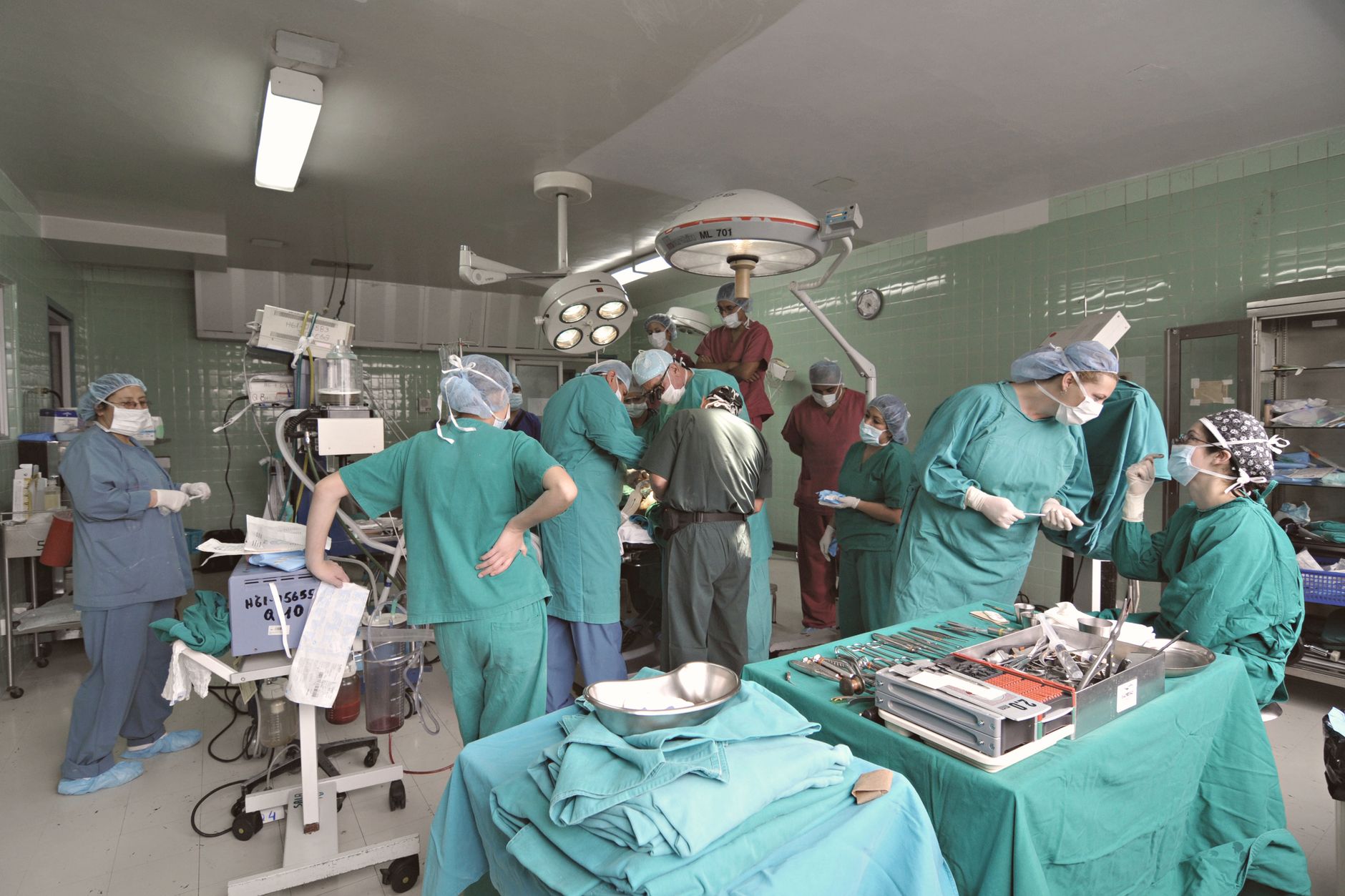
Practicalities of Staged Treatment for International Families
Rib cartilage ear reconstruction is typically performed in two to four stages, spaced several months apart. The first stage creates and places the ear framework. Later stages elevate the ear, refine its shape, and create the ear canal opening if needed. While this means multiple trips to Türkiye, many families find that the staged approach is worthwhile for the durable results it aims to deliver.
Planning ahead makes the process smoother. Most centres recommend an initial consultation — often available via video call — to review medical records, photos, and hearing tests. From there, the team proposes a personalised timeline. Families should expect to stay in Türkiye for about one to two weeks per stage, depending on the procedure and recovery. Between stages, follow-up can often be done remotely with the help of local doctors.
Travel logistics are well supported. Istanbul's major airports connect directly to hundreds of cities, and many hospitals are located near international hotels and family-friendly accommodation. Patient coordinators can arrange airport transfers, translators, and even sightseeing suggestions for recovery days. Türkiye's rich culture, warm hospitality, and delicious cuisine can turn a medical trip into a meaningful family experience.
Financially, many families find that Türkiye offers lower costs compared to Western Europe or North America. It is important to discuss costs transparently, including hospital fees, surgeon fees, anaesthesia, accommodation, and any hearing devices. Reputable centres provide clear estimates and help families understand what is included.
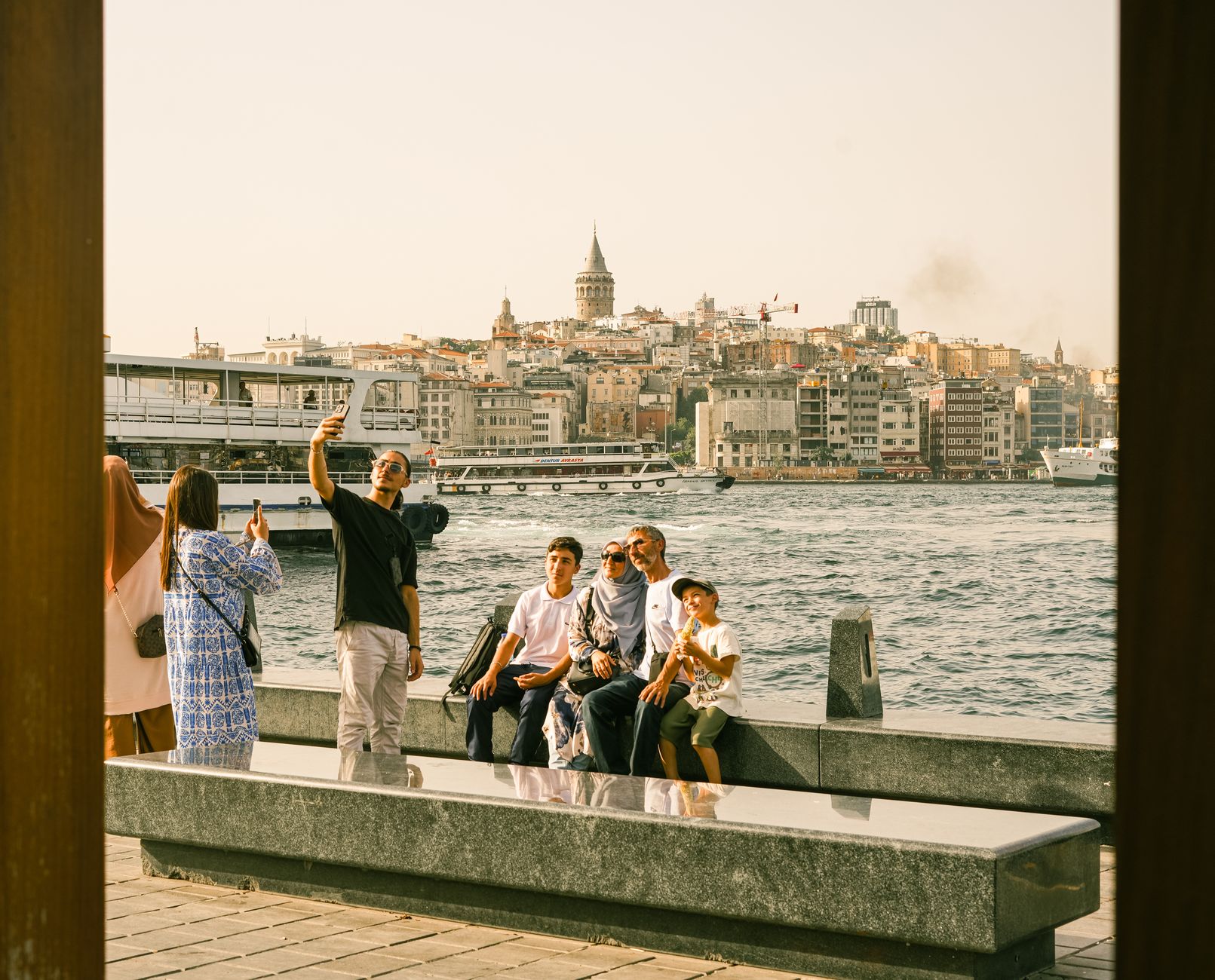
What to Look for in a Microtia Care Team
When choosing a centre, experience matters most. Ask how many ear reconstructions the surgeon performs each year and whether they specialise in microtia. Request to see clinical photographs of patients with similar presentations. Inquire about the full team — audiologists, psychologists, and paediatric specialists — and how they coordinate care. A centre that values transparency and welcomes your questions is a good sign.
Communication is another key factor. Ensure that language support is available and that you feel heard. Good teams take time to explain options, risks, and realistic outcomes, and they involve you in decisions at every step. They should also be honest about what surgery can and cannot achieve, and they should never pressure you into a particular technique.
Finally, trust your instincts. Many families say that their first conversation with a Turkish microtia team felt different — calmer, kinder, and more focused on their child as a person. That combination of surgical expertise and genuine compassion is what makes Türkiye a global hub for ear reconstruction.
A Hopeful Path Forward
For families facing microtia, the journey can feel daunting at first. But with the right team, it becomes a path filled with hope. Türkiye's plastic and reconstructive surgery centres offer not only well-regarded surgical skill but also the human touch that makes a difference. From the first consultation to the final stage, patients are surrounded by experts who care deeply about restoring both form and confidence.
Children who undergo reconstruction often blossom in ways their parents could not have imagined — participating more in class, making friends more easily, and carrying themselves with newfound self-assurance. Adults, too, describe a sense of wholeness and relief. These outcomes are the result of careful planning, advanced techniques, and compassionate support.
If you are considering ear reconstruction for yourself or your child, know that you are not alone. Türkiye's expert teams are ready to welcome you, guide you, and walk with you every step of the way. With their help, a new ear — and a new chapter — is within reach.
Thinking about treatment in Turkey?
Send us a question about this site or about the information published on it. This is a publisher's mailbox, not a medical service and not a route to a particular provider — for clinical questions, contact your own doctor.