

Why Türkiye Leads the Way in Minimally Invasive Gynaecological Care
Türkiye has quietly become one of the most trusted destinations in the world for gynaecological surgery. Every year, thousands of women from Europe, the Middle East, North Africa and beyond travel to Istanbul, Ankara and Izmir for procedures that combine advanced surgical technology with warm, personalised care. What draws them is not only affordability, but a genuine culture of innovation: Turkish hospitals were among the earliest adopters of laparoscopy and robotic surgery in the region, and their surgeons train in leading centres across Europe and North America.
For women facing fibroids, endometriosis, ovarian cysts or the prospect of a hysterectomy, the difference between traditional open surgery and a minimally invasive approach is life-changing. Instead of a large abdominal incision and weeks of recovery, modern keyhole techniques mean tiny scars, less pain and a far quicker return to family, work and normal life.
At Istanbul Medical Tourism, we connect international patients with hospitals that treat women's health as a speciality in its own right — with dedicated units, female-friendly environments and English-speaking coordinators who guide you from your first question to your final follow-up.
Understanding Minimally Invasive Gynaecological Surgery
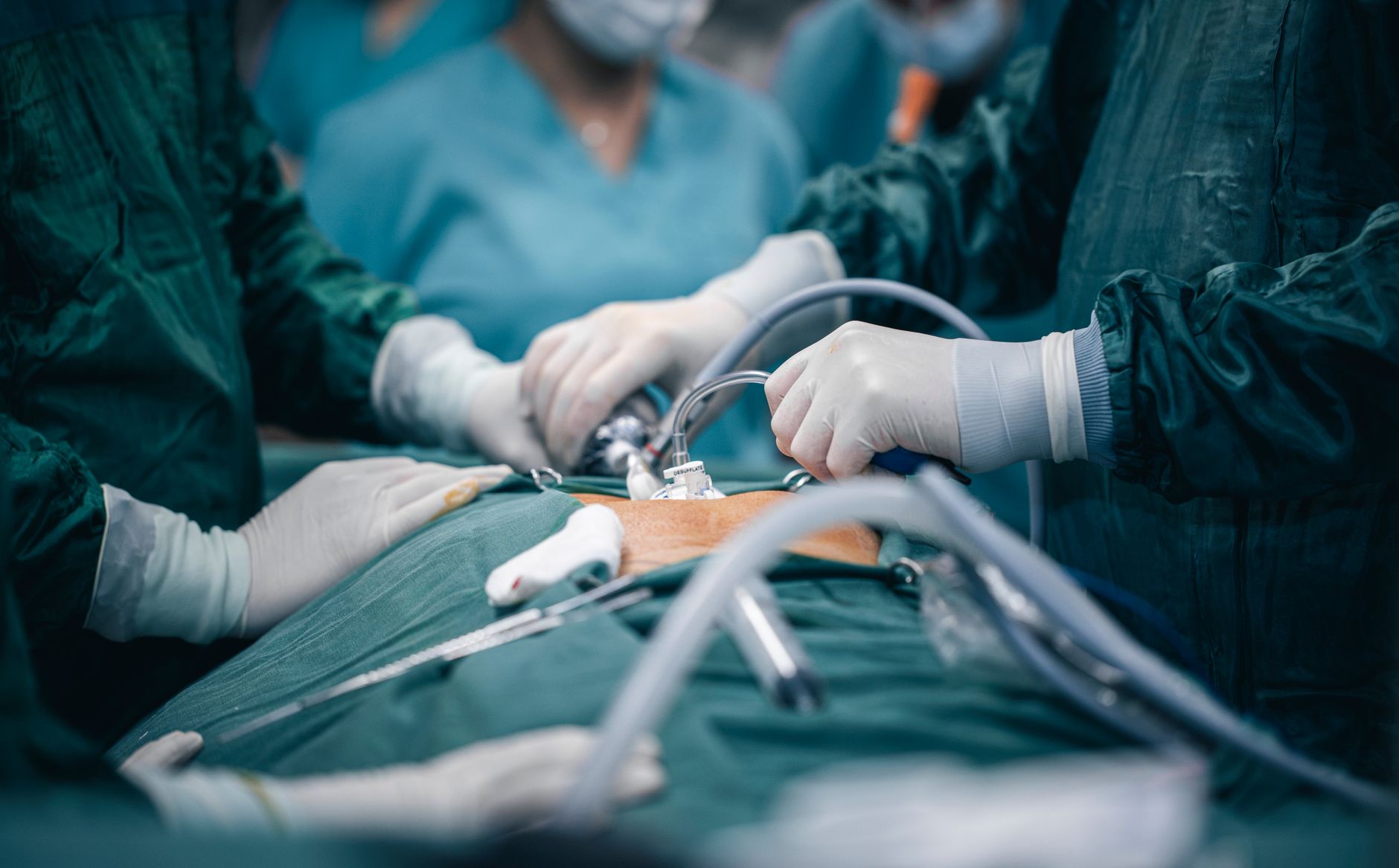
Minimally invasive surgery (MIS) refers to operations performed through very small incisions rather than one large cut. In gynaecology, the two leading approaches are laparoscopy and robotic-assisted surgery. During a laparoscopic procedure, the surgeon inserts a slender camera and fine instruments through incisions typically just a few millimetres long. The abdomen is gently inflated with gas to create working space, and the entire operation is viewed on high-definition monitors.
Robotic-assisted surgery takes this a step further. Using systems such as da Vinci, the surgeon controls articulated robotic arms that mimic the human wrist with extraordinary precision. The magnified 3D view and tremor-free movement allow delicate work around the uterus, ovaries and bowel with a level of accuracy that is difficult to achieve by hand alone.
Other minimally invasive options include hysteroscopy, where a thin scope passes through the cervix to treat polyps, fibroids inside the uterine cavity or abnormal bleeding — often without any incision at all. The common thread across all these techniques is preservation of healthy tissue, and that translates directly into faster healing.
Smaller incisions are not a cosmetic detail. They mean less blood loss, lower infection risk, reduced pain and a recovery measured in days rather than months.
Fibroids: Removing Them Without Removing Your Life
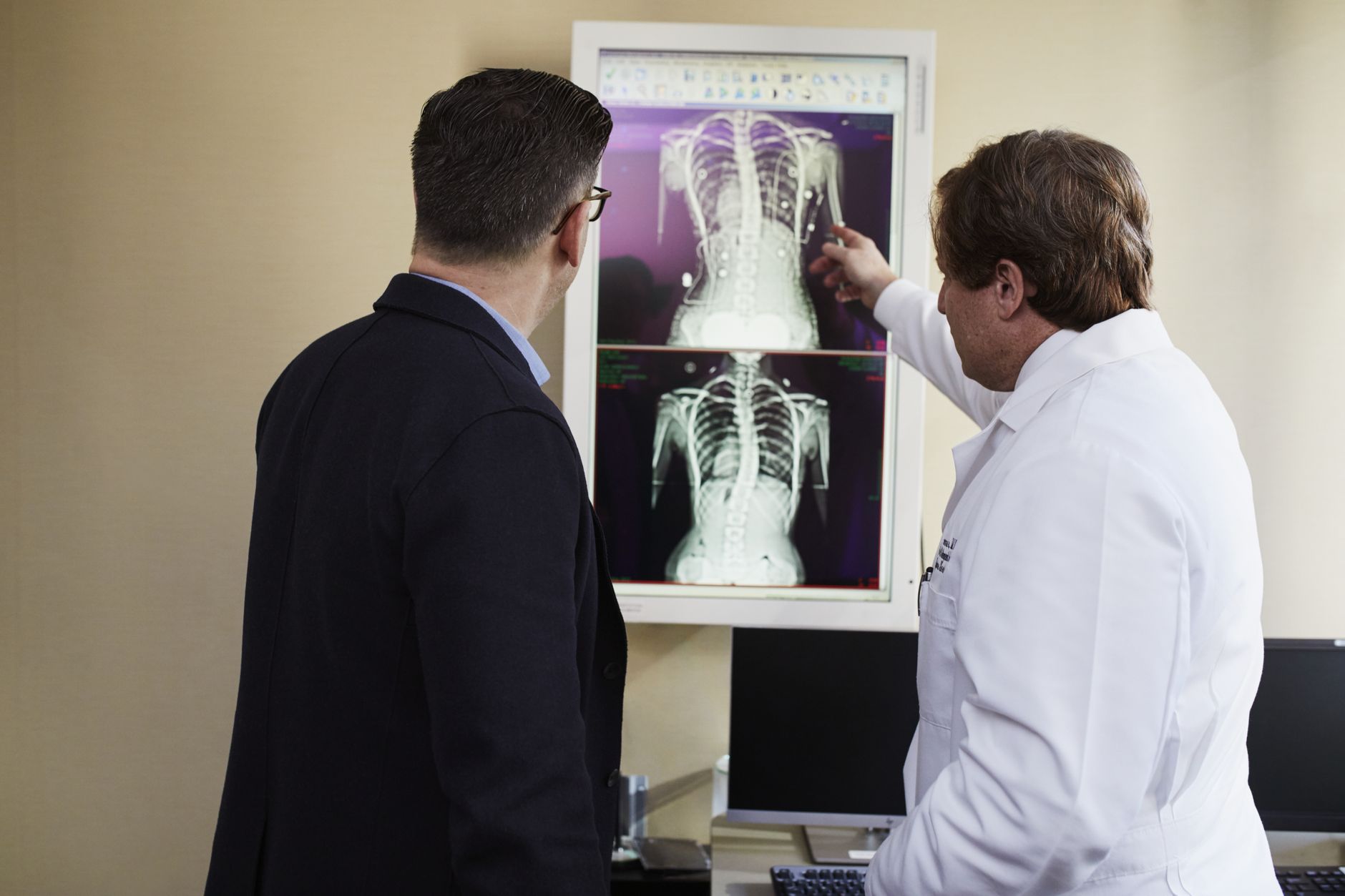
Uterine fibroids are the most common benign tumours in women of reproductive age, and they can cause heavy bleeding, pelvic pressure, pain and fertility problems. In the past, many women were told that open surgery or even hysterectomy was the only option. Today, Turkish surgeons routinely perform laparoscopic and robotic myomectomy — the removal of fibroids while preserving the uterus.
This matters enormously for women who hope to conceive. A skilled laparoscopic myomectomy can clear the fibroids, restore normal anatomy and leave the uterus intact, with recurrence rates comparable to open surgery. Because the incisions are tiny, patients typically leave hospital within one to three days and return to light activity within a week or two.
For women with very large or numerous fibroids, robotic assistance offers additional advantages: better visualisation and more precise suturing of the uterine wall. Your surgeon will discuss whether laparoscopy, robotic surgery or — in selected cases — hysteroscopy is the best fit for your fibroid type, size and fertility goals.
Endometriosis: Precise Surgery That Protects Fertility
Endometriosis is one of the most challenging conditions in gynaecology. Tissue similar to the uterine lining grows outside the uterus, causing severe pain, painful periods, pain during intercourse and sometimes infertility. The disease can involve the ovaries, bowel, bladder and pelvic walls, and it demands both diagnostic skill and surgical precision.
Turkish endometriosis centres use laparoscopy not only to confirm the diagnosis but to excise the disease completely. Robotic platforms are particularly valuable here: the enhanced dexterity and 3D vision allow surgeons to remove deep implants near delicate structures while sparing healthy ovarian tissue — a critical consideration for women who want children in the future.
Many international patients arrive after years of unexplained pain and inconclusive scans. A thorough laparoscopic assessment in an experienced Turkish unit often provides answers at last, followed by tailored treatment that may combine surgery with hormonal management. The relief that comes from a correct diagnosis and effective excision is, for many women, the most meaningful outcome of all.
Hysterectomy and Other Gynaecological Procedures
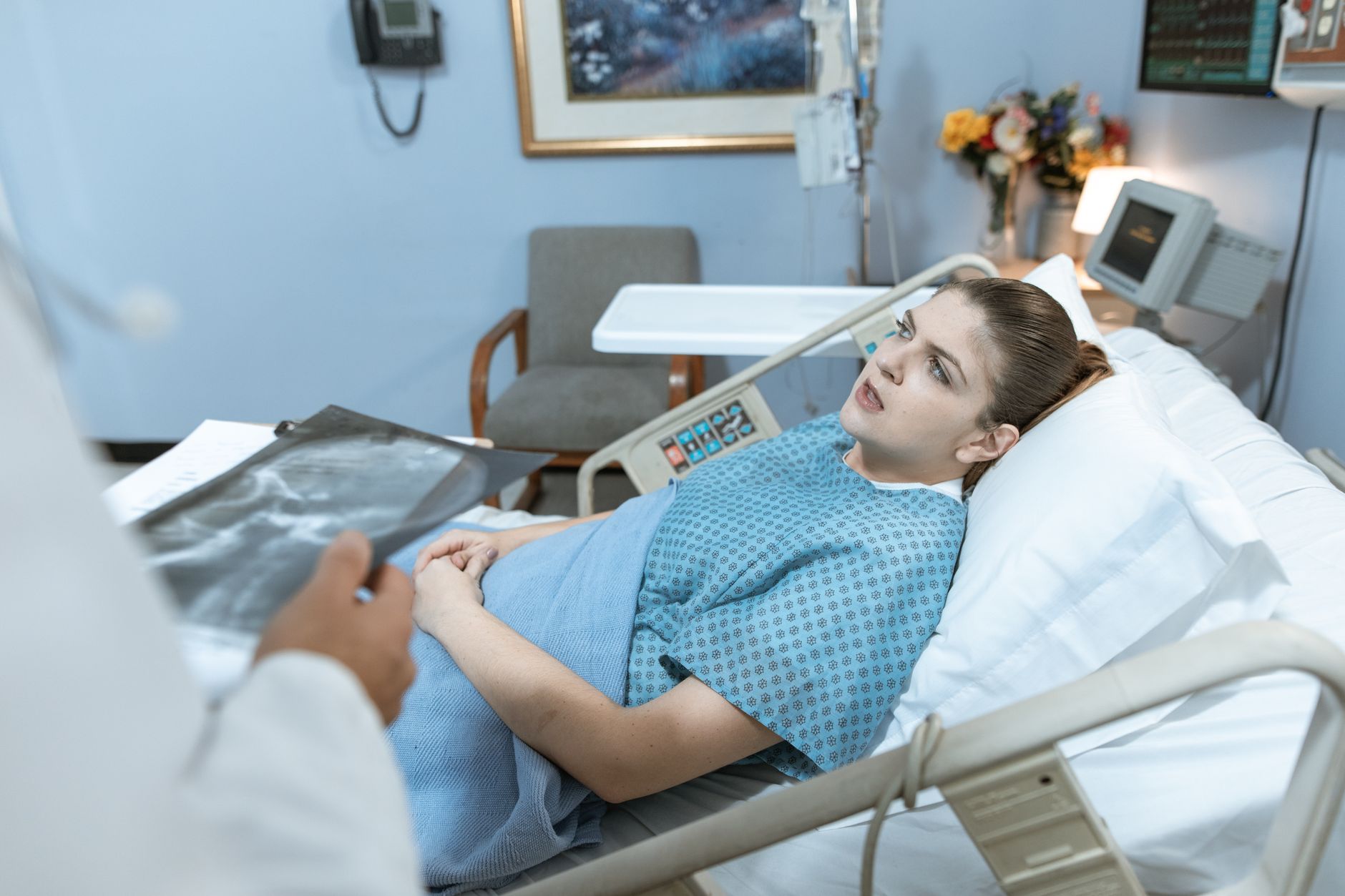
When hysterectomy is genuinely necessary — for large fibroids, adenomyosis, certain cancers or heavy bleeding that has not responded to other treatments — the minimally invasive route offers clear advantages. Laparoscopic and robotic hysterectomies are performed through small incisions, sometimes with the uterus removed vaginally, avoiding a large abdominal scar altogether.
Recovery is dramatically faster. Most women are discharged within one to three days, compared with four to six days after open surgery, and return to normal activities in two to four weeks rather than six to eight. Blood loss is lower, and the risk of wound complications is significantly reduced.
Turkish surgeons are also highly experienced in ovarian cystectomy, removal of endometriotic cysts, adhesiolysis for pelvic pain, treatment of uterine prolapse and surgery for gynaecological cancers. Each plan is individualised, and every effort is made to preserve hormonal function and quality of life wherever it is safe to do so.

Experienced Surgeons and Dedicated Women's Health Units
What truly sets Türkiye apart is the human factor. Many gynaecological surgeons here have performed thousands of laparoscopic and robotic procedures and hold memberships in international societies such as ESGE and AAGL. They publish, teach and travel to global congresses, bringing the latest evidence-based techniques home to their patients.
Hospitals typically house dedicated women's health departments with private examination rooms, female staff on request and separate waiting areas that respect privacy and cultural sensitivities. Turkish hospitals are also known for their hospitality: a culture of care that treats guests as honoured visitors, not just cases on a list.
International patient departments coordinate everything — airport transfers, appointments, translation, accommodation for companions and post-operative check-ups. For women travelling alone, this support network can make all the difference in feeling safe and looked after.
What International Patients Can Expect: Discretion, Comfort and Support
Privacy is a priority at every stage. Consultations can be arranged in English, Arabic, German, Russian and other languages, and your medical information is handled confidentially in line with international data-protection standards. You choose who accompanies you and how much you share.
Recovery itself is comfortable. Many Turkish private hospitals resemble boutique hotels, with private en-suite rooms, nutritious meals and quiet surroundings. Nurses are attentive, and your surgeon checks in personally. Before you fly home, you receive a clear written plan for wound care, medication, activity and follow-up, plus direct contact details for the international team.
Because minimally invasive surgery is so much gentler on the body, most patients are able to enjoy a short, low-key stay in Istanbul after discharge — perhaps a gentle stroll along the Bosphorus or a restful few days in a hotel — before travelling home with confidence.
Planning Your Journey With Confidence
If you are considering surgery abroad, start by gathering your records: imaging reports, previous operative notes and a summary of treatments tried. Turkish hospitals will review these remotely and offer an initial opinion, usually within a few days, often at no cost. This lets you make an informed decision before committing to travel.
Choose a hospital with a dedicated gynaecology department, verified experience in laparoscopy or robotics, and a transparent international patient service. Ask questions — about your surgeon's case volume, the technique proposed and what aftercare includes. A good team will welcome them.
Minimally invasive gynaecological surgery in Türkiye offers international women something powerful: world-class expertise, smaller scars, quicker recovery and a caring environment where you feel respected. Whatever brings you here — fibroids, endometriosis, hysterectomy or another gynaecological concern — you can move forward with hope, knowing that modern medicine and genuine hospitality are waiting for you.
Thinking about treatment in Turkey?
Share your contact details and a verified doctor will follow up with a plan built around you — free, no obligation.