

Why a New Round of JCI Accreditations Matters for Medical Travellers
Türkiye's hospital sector has added new Joint Commission International (JCI) accreditations, further lengthening the country's list of internationally verified facilities. For patients comparing clinics from abroad, these announcements are more than industry news: each accreditation is an independent, third-party statement that a hospital meets recognised international standards for patient safety and clinical quality.
JCI accreditation is widely regarded as one of the most rigorous global benchmarks for healthcare organisations. Hospitals seeking it undergo detailed on-site surveys covering everything from infection control and medication management to patient rights, staff qualifications and emergency preparedness.
For international patients who cannot easily visit a facility before booking treatment, that external verification offers a tangible form of reassurance. It also gives travellers a practical filter to apply when a search returns dozens of seemingly similar clinics.
What JCI Accreditation Actually Verifies
JCI surveys assess a hospital against a published set of international patient safety goals and standards. Surveyors examine documented policies, observe clinical practice and interview staff and patients, rather than simply reviewing marketing materials.
Key areas typically reviewed include hand-hygiene compliance, correct patient identification, safe surgical practice, medication safety and the handling of critical results. Hospitals must also demonstrate how they protect patient rights, obtain informed consent and manage complaints.
The result is a structured, repeatable assessment of how a hospital operates day to day. Because accreditation is time-limited and subject to re-survey, it signals ongoing commitment rather than a one-off achievement.
For patients shortlisting overseas clinics, an accreditation badge is only as useful as the ability to verify it independently — which is why checking the awarding body's own records matters as much as seeing a logo on a website.

How Accreditation Badges Can Be Checked Before Booking
Accreditation logos are common on hospital websites, but patients should treat them as a starting point for verification, not proof in themselves. The reliable approach is to cross-check the hospital's name against the accrediting organisation's official directory or certificate records.
Patients can also ask the clinic directly for its accreditation certificate, the scope of the accreditation and the date of its most recent survey. Reputable hospitals and their international patient departments should be able to provide this information promptly and without hesitation.
It is equally important to confirm that the accreditation applies to the specific facility and service being considered. Larger providers may hold accreditation for a main hospital while satellite clinics operate under different arrangements.
- Search the accrediting body's official directory for the hospital's exact legal name.
- Request a copy of the current certificate and confirm its validity dates.
- Ask which services and departments fall within the accredited scope.
- Confirm the date of the most recent on-site survey.
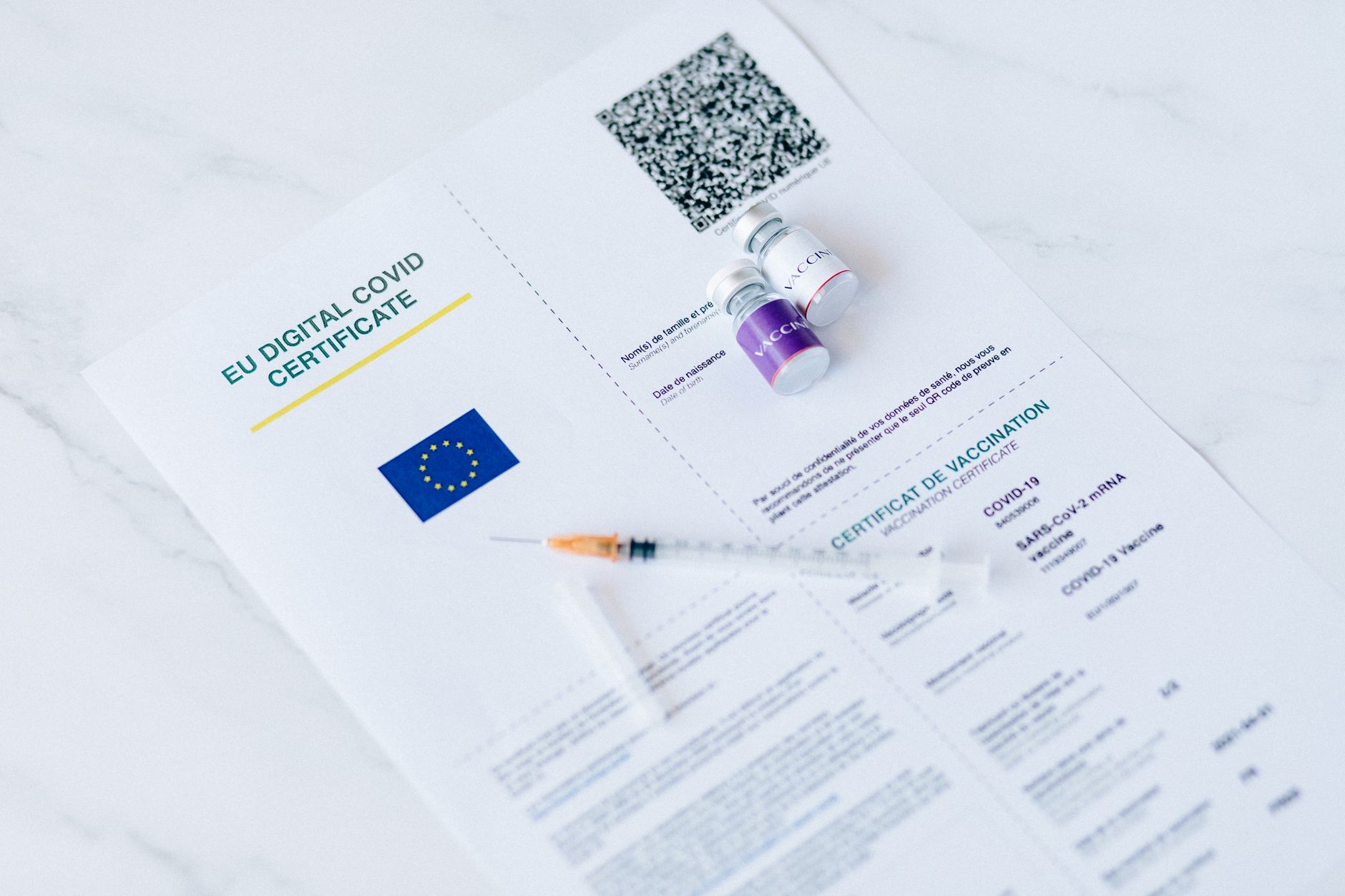
What Accreditation Means When Shortlisting a Clinic
In practical terms, accreditation helps patients narrow their options with a quality signal that does not depend on a provider's own claims. When two clinics appear comparable on price and treatment offerings, verified accreditation can tip the decision toward the facility with independent oversight.
It should not, however, be the only criterion. Patients should still consider the surgeon's specific experience, complication rates, language support, aftercare arrangements and the clarity of pre-treatment communication.
Used alongside these factors, accreditation badges become part of a broader due-diligence checklist. They are particularly useful for patients considering procedures such as hair transplantation, dental treatment, bariatric surgery or orthopaedics, where standards of infection control and follow-up care are decisive.
Türkiye's Broader Push Toward Verified Quality
The expanding list of accredited hospitals reflects a wider effort across Türkiye's health sector to align private and public facilities with international expectations. Accreditation is also increasingly supported by national quality programmes and hospital groupings that pursue international recognition.
For Istanbul and other medical-tourism hubs, the effect is cumulative. Each verified facility adds to the pool of options available to international patients, while raising expectations for transparency across the market.
The practical benefit for travellers is a shorter, better-informed shortlist. Rather than relying on advertisements alone, patients can prioritise hospitals that have opened their processes to independent scrutiny and can demonstrate that verification on request.
Practical Advice for Patients Booking Treatment in Türkiye
Patients planning treatment should begin by identifying a small number of candidate hospitals and confirming their accreditation status through the awarding organisation's own records. This step can be done before any deposit or consultation fee is paid.
It is also worth asking the international patient department how accreditation-related standards affect day-to-day care — for example, how infections are tracked, how medication is reconciled and how discharge and follow-up are coordinated across borders.
Finally, patients should keep records of the information they receive during the enquiry stage. Clear, prompt answers about accreditation are often a useful indicator of how a clinic communicates once treatment begins — a quality signal that complements any badge on a website.
Thinking about treatment in Turkey?
Send us a question about this site or about the information published on it. This is a publisher's mailbox, not a medical service and not a route to a particular provider — for clinical questions, contact your own doctor.