

Why Türkiye is a Rising Star in Advanced Eye Care
Türkiye has long been a popular destination for medical tourism, but its reputation is increasingly built on complex, sight-saving procedures rather than just cosmetic or refractive surgery. The country's advanced eye hospitals, particularly in Istanbul, Ankara, and Izmir, combine cutting-edge technology with a deep pool of subspecialist expertise. Patients from Europe, the Middle East, Central Asia, and Africa are drawn to Turkish clinics for glaucoma, retinal diseases, and corneal disorders—conditions that require nuanced, long-term management.
What sets Türkiye apart is not only the equipment but the people. Many Turkish ophthalmologists trained in prestigious centers across Europe and the United States and are active in international research collaborations. They are supported by a robust healthcare infrastructure that includes dedicated eye hospitals, high-volume surgical centers, and multidisciplinary teams. This environment fosters a culture of innovation, where new surgical techniques and diagnostic tools are adopted rapidly.
Moreover, Türkiye's geographic position makes it easily accessible from three continents, and the cost of advanced eye care is often significantly lower than in Western Europe or North America without compromising quality. International patient departments are well-versed in accommodating foreign travelers, offering services in multiple languages and streamlining the entire medical journey.
Advanced Glaucoma Management: Beyond Eye Drops
Glaucoma is a leading cause of irreversible blindness worldwide, and its management demands more than routine pressure checks. Turkish eye hospitals have established dedicated glaucoma clinics that employ a comprehensive array of diagnostic technologies. These include optical coherence tomography (OCT) to assess retinal nerve fiber layer thickness, visual field testing with advanced perimetry, and gonioscopy to evaluate the drainage angle. Some centers also use genetic testing for inherited forms of glaucoma, allowing for personalized risk assessment.
Treatment approaches are equally sophisticated. While traditional trabeculectomy remains a gold standard, Turkish surgeons are increasingly adopting minimally invasive glaucoma surgery (MIGS) techniques. These procedures, often combined with cataract surgery, offer faster recovery and fewer complications. For complex cases, cyclophotocoagulation and glaucoma drainage devices are readily available. The emphasis is on tailoring treatment to the individual's type and stage of glaucoma, with careful consideration of quality of life.
International patients benefit from thorough follow-up planning. Since glaucoma is chronic, Turkish clinics often coordinate with local ophthalmologists in the patient's home country to ensure continuity of care. They provide detailed reports, imaging, and treatment plans that can be shared with the patient's regular doctor, making the overseas visit a seamless part of long-term management.
Retinal Surgery: Precision and Expertise
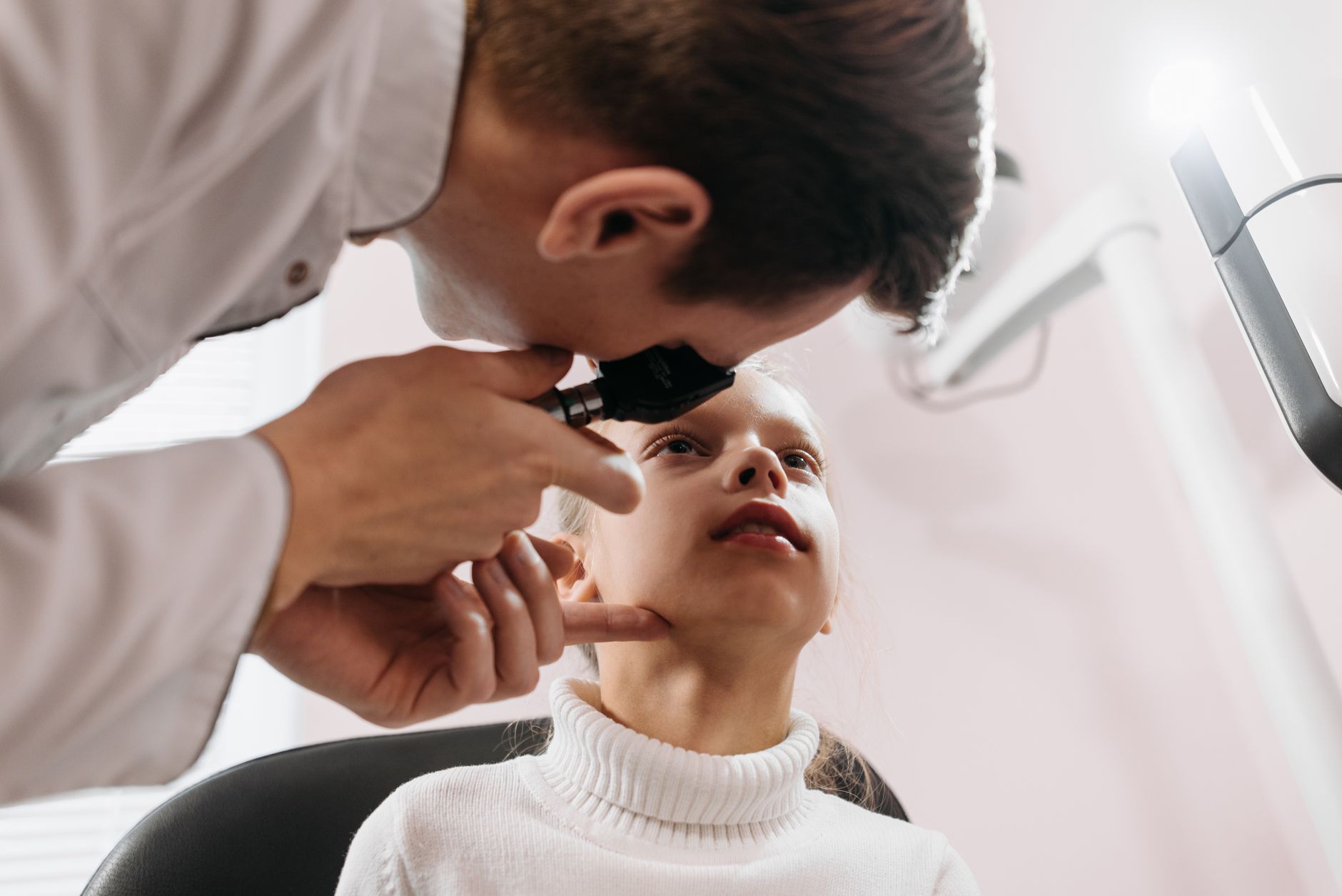
Retinal diseases, such as diabetic retinopathy, age-related macular degeneration, and retinal detachment, require highly specialized care. Türkiye boasts a growing number of vitreoretinal specialists who are trained in the latest surgical techniques. These specialists use high-resolution imaging, including OCT angiography and wide-field fundus photography, to diagnose and monitor retinal conditions with exceptional accuracy.
For surgical cases, Turkish hospitals are equipped with state-of-the-art operating microscopes, micro-incision vitrectomy systems, and laser technology. Procedures like pars plana vitrectomy for retinal detachment, epiretinal membrane peeling, and intravitreal injections for macular degeneration are performed routinely. The high volume of cases in major centers means surgeons have extensive experience, which is linked to better outcomes. Additionally, many clinics participate in international clinical trials, giving patients access to emerging therapies.
What truly distinguishes the Turkish approach is the emphasis on a team-based, patient-centered model. Vitreoretinal specialists work closely with endocrinologists for diabetic patients, with oncologists for intraocular tumors, and with rehabilitation specialists for those with vision loss. This holistic approach ensures that all aspects of the patient's health are considered. For international patients, the clinics provide comprehensive pre-operative assessments and clear post-operative instructions, often with telemedicine follow-ups to monitor progress after they return home.
Corneal Transplantation and Surface Diseases
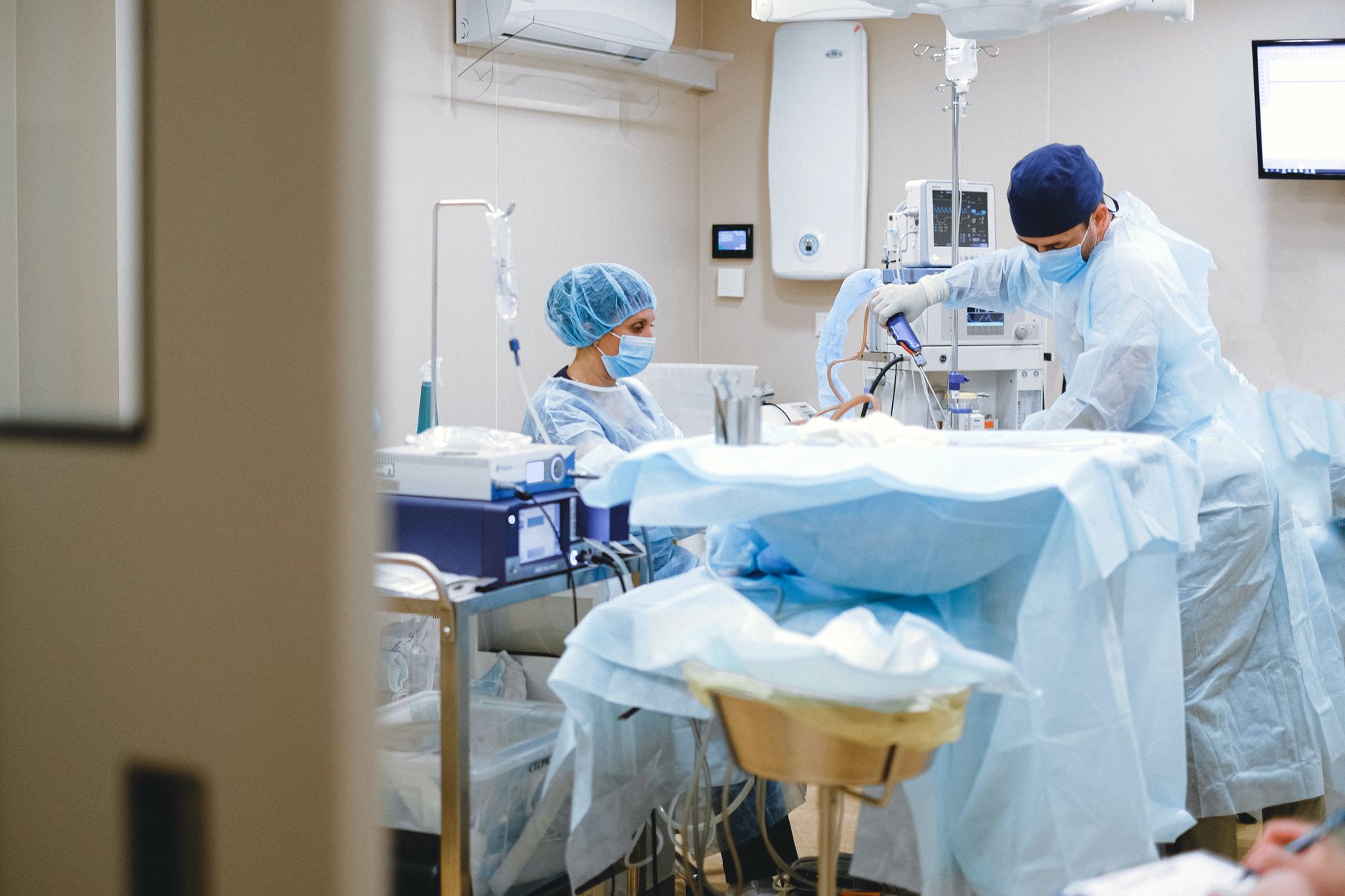
Corneal blindness is a significant global health issue, and Türkiye has emerged as a leader in corneal transplantation. The country has a well-organized eye bank system that adheres to international standards, ensuring the safety and quality of donor tissue. Turkish surgeons perform various types of keratoplasty, including penetrating keratoplasty (full-thickness transplant), lamellar keratoplasty (partial-thickness), and endothelial keratoplasty (like DSEK or DMEK). These techniques allow for targeted replacement of diseased corneal layers, leading to faster recovery and better visual outcomes.
In addition to transplantation, Turkish eye hospitals excel in managing corneal surface diseases such as keratoconus, severe dry eye, and ocular surface burns. They offer advanced treatments like corneal cross-linking for keratoconus, which is performed using the latest protocols and equipment. For patients with limbal stem cell deficiency, cultivated stem cell transplantation is available at select centers. The availability of specialty contact lenses and prosthetic replacement of the ocular surface ecosystem (PROSE) further underscores the comprehensive nature of corneal care.
International patients seeking corneal transplantation can expect a thorough evaluation to determine the most appropriate surgical approach. The waiting time for donor tissue is generally short due to the efficient eye bank network. Post-operative care is meticulously planned, with frequent follow-up visits during the initial healing phase and coordination with local providers for long-term monitoring.
The Assessment Pathway for International Patients
For overseas patients considering advanced eye care in Türkiye, the journey typically begins with a remote pre-assessment. Most hospitals have international patient departments that collect medical records, imaging, and reports via secure portals. A specialist reviews these materials and provides an initial opinion, often within a few days. This step helps determine whether travel is appropriate and what further tests are needed.
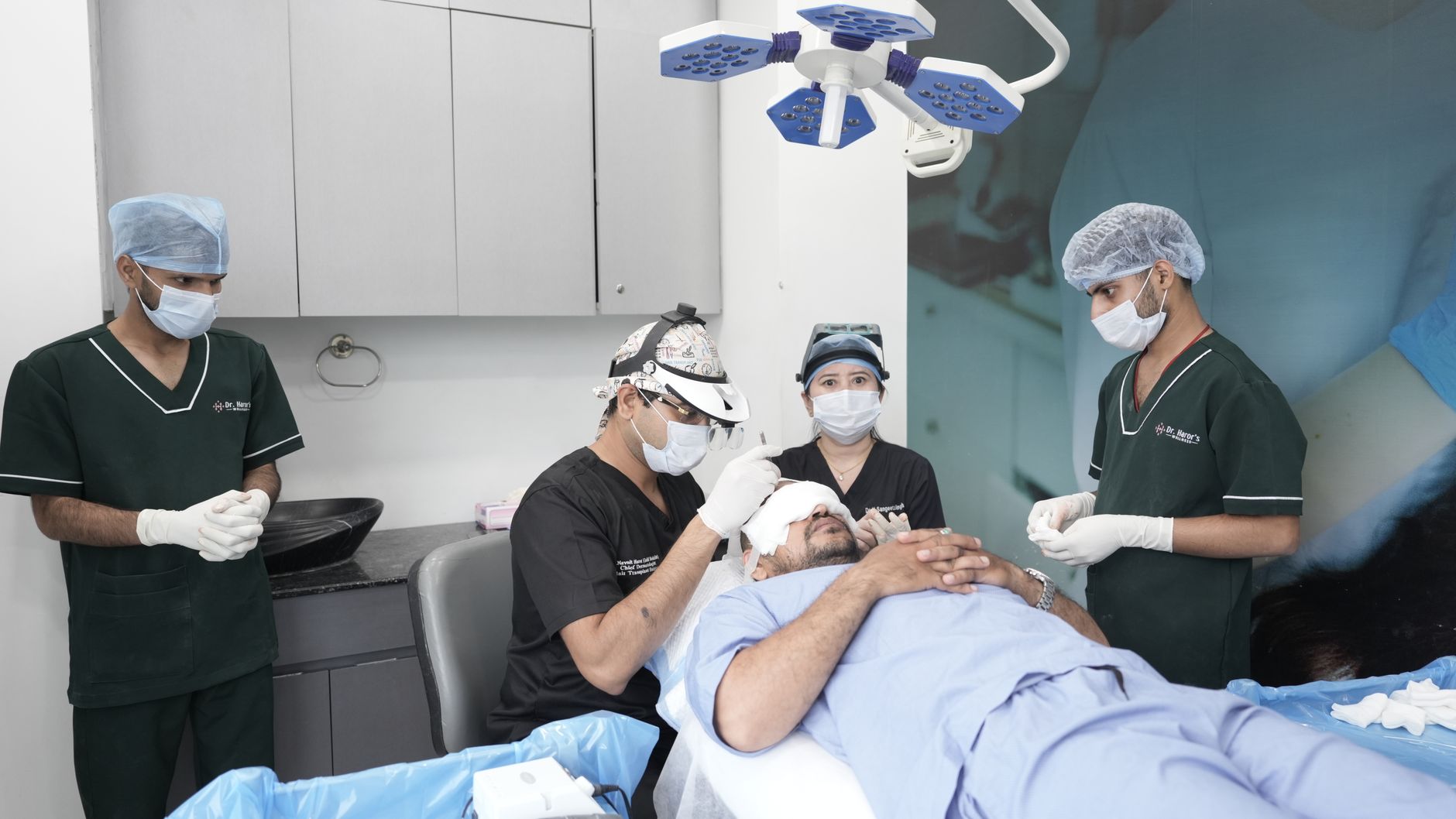
Upon arrival, patients undergo a comprehensive on-site evaluation. This usually spans one to two days and includes a full eye examination, advanced imaging, and consultations with the relevant subspecialists. The team then discusses the findings and treatment options in detail, ensuring that the patient understands the risks, benefits, and expected outcomes. Language support is provided, and consent forms are explained in the patient's native language.
If surgery is scheduled, it often takes place within a few days of the assessment, minimizing the length of stay. Post-operative follow-up is structured, with visits scheduled before the patient returns home. The hospital provides a detailed discharge summary and arranges for continued care with the patient's local eye doctor. Many clinics also offer teleconsultation services for remote follow-ups, bridging the gap between countries.
Technology and Innovation Driving Outcomes
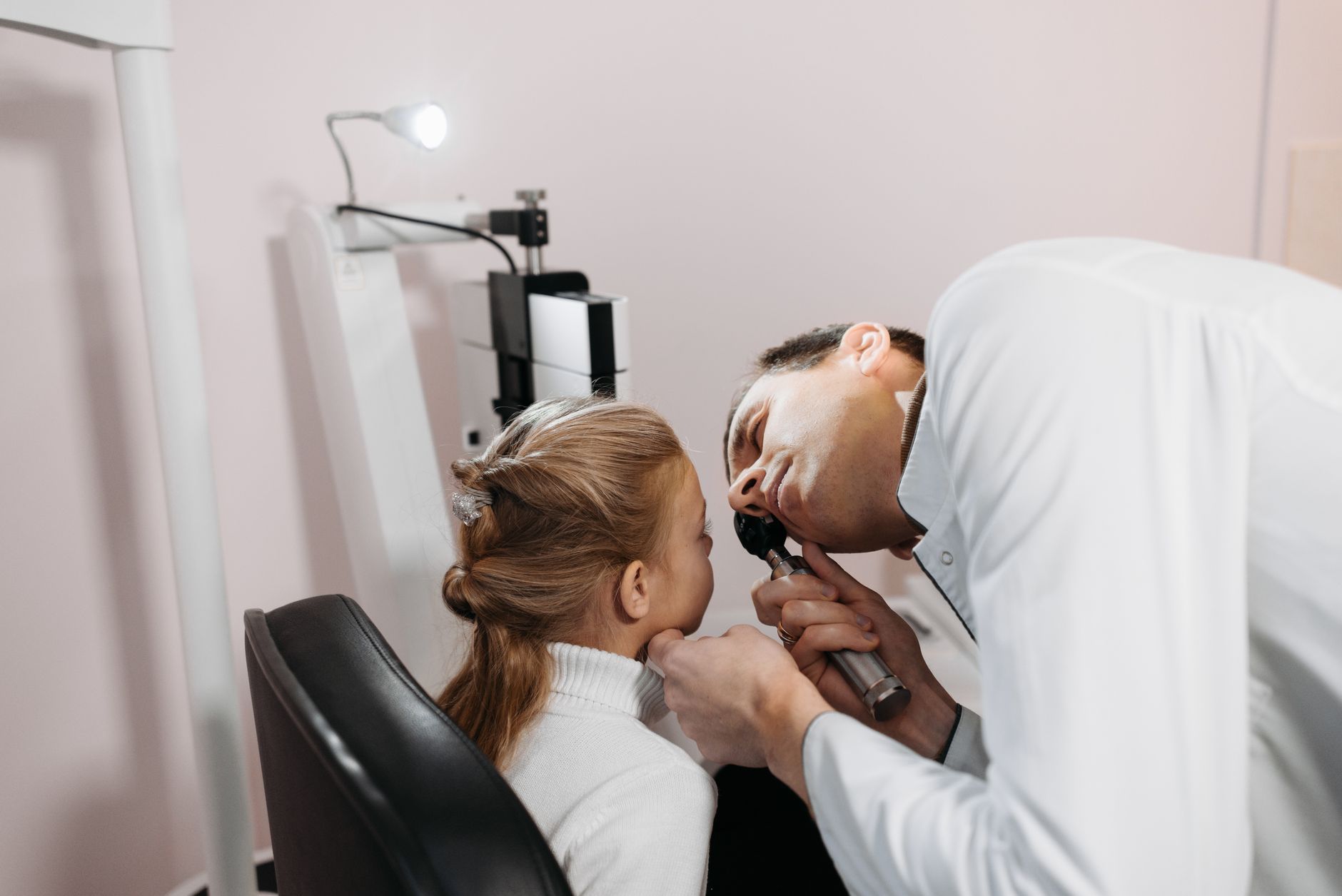
Türkiye's eye hospitals invest heavily in the latest diagnostic and surgical technology. This includes ultra-high-resolution OCT, swept-source OCT, adaptive optics, and artificial intelligence-assisted imaging analysis. These tools enable early detection of subtle changes in glaucoma and retinal diseases, allowing for timely intervention. In surgery, the use of 3D visualization systems and femtosecond lasers enhances precision and safety.
Innovation is also evident in the adoption of new treatments. For example, Turkish centers are among the early adopters of new glaucoma implants and sustained-release drug delivery systems for retinal diseases. They participate in international registries and studies, contributing to the global knowledge base. For patients, this means access to therapies that may not yet be available in their home countries.
Furthermore, the integration of telemedicine has revolutionized follow-up care. Patients can transmit data from home monitoring devices, such as tonometers for glaucoma or home OCT for retinal conditions, allowing specialists to adjust treatment remotely. This is particularly valuable for international patients who cannot travel frequently.
Practical Tips for Patients Traveling to Türkiye
Planning a medical trip requires attention to logistics. Most international patient departments can assist with visa invitation letters, airport transfers, and accommodation near the hospital. It's advisable to schedule the trip to allow enough time for assessment and potential surgery, typically 7 to 10 days. Patients should bring all relevant medical records, including prior imaging and reports, and list of current medications.
Cost is a significant consideration, and Türkiye offers transparent pricing packages that often include consultations, surgery, medications, and follow-up visits. It's important to confirm what is covered and to have travel insurance that includes medical coverage. The weather in Türkiye varies by season, so pack accordingly, and consider that Istanbul's traffic can be heavy, so choose accommodation close to the hospital.
Finally, communicate openly with your healthcare team about your expectations and concerns. Turkish doctors are known for their warmth and willingness to explain complex medical issues. With careful planning and the support of the international patient team, your journey to better vision can be smooth and rewarding.
Thinking about treatment in Turkey?
Send us a question about this site or about the information published on it. This is a publisher's mailbox, not a medical service and not a route to a particular provider — for clinical questions, contact your own doctor.