

Why Türkiye Has Become a Global Hub for Eye Surgery
Türkiye has quietly built one of the world's most capable ophthalmology ecosystems. Across Istanbul, Ankara and Izmir, accredited eye hospitals now perform tens of thousands of cataract, refractive and retinal procedures every year, serving patients from Europe, the Middle East, Central Asia and beyond. The combination of modern infrastructure, highly trained ophthalmic surgeons and genuinely competitive pricing has turned the country into a leading destination for medical travellers seeking vision correction.
What sets Turkish eye centres apart is not a single advantage but the stacking of several: JCI-accredited hospitals, femtosecond laser platforms, advanced diagnostic suites such as OCT and corneal topography, and surgeons who operate at volumes that few Western clinics match. High surgical volume matters—it sharpens technique, standardises outcomes and shortens recovery timelines.
For international patients, the practical benefit is simple: world-class eye care without the months-long waiting lists and unpredictable billing that often accompany treatment closer to home.
Cataract Surgery: Modern Lenses, Minimal Downtime
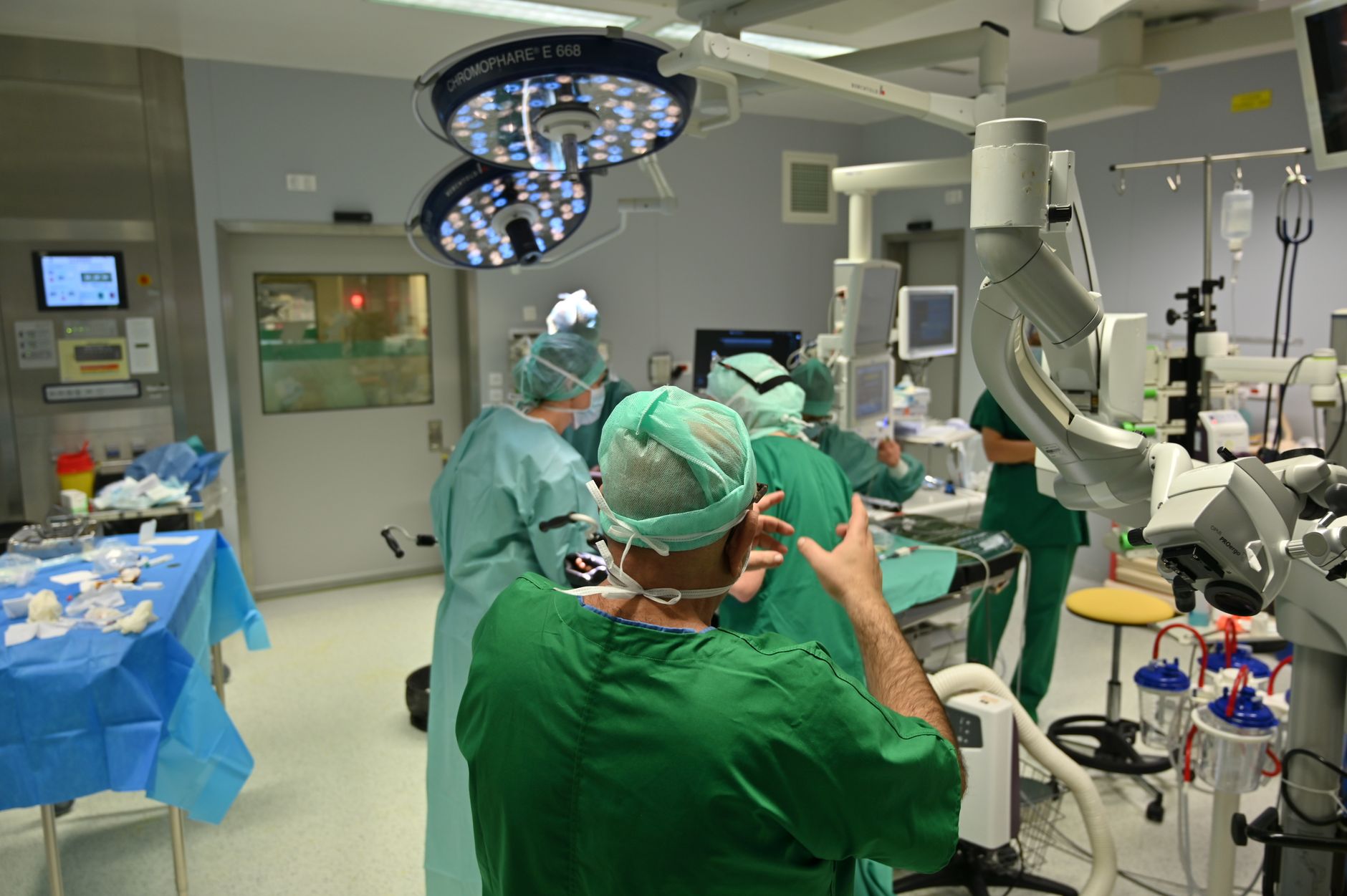
Cataract surgery in Türkiye's leading eye hospitals is typically performed as a day procedure using phacoemulsification, often assisted by femtosecond lasers for the corneal incisions and lens fragmentation. This bladeless approach improves precision and can reduce the energy delivered to the eye, which supports faster visual recovery.
Patients can choose from a wide range of intraocular lenses (IOLs), including monofocal, toric (for astigmatism), and premium multifocal or extended depth-of-focus options designed to reduce dependence on glasses for near, intermediate and distance vision. Your surgeon will map your cornea, measure axial length and discuss which lens best matches your lifestyle—whether you prioritise reading, driving or screen work.
Most patients notice meaningful visual improvement within 24 to 48 hours, with stabilisation over a few weeks. Because the procedure is quick and the follow-up schedule is structured, many international visitors can complete surgery and their first post-operative review within a single trip.
LASIK, SMILE and Refractive Options for Glasses-Free Vision
Refractive surgery in Türkiye spans the full modern spectrum: femto-LASIK, PRK, and minimally invasive SMILE. Each has distinct advantages. Femto-LASIK uses a laser to create a thin corneal flap before reshaping the cornea, offering rapid visual recovery. SMILE removes a small lenticule through a tiny incision, which can mean less dryness and quicker comfort for some patients. PRK remains a strong choice for thinner corneas or active lifestyles with contact-sport exposure.
Candidacy is determined by a thorough pre-operative screening that includes corneal thickness measurement, wavefront analysis, pupil size, tear film assessment and a dilated retinal exam. Turkish clinics are rigorous about this: if your cornea is too thin, your prescription unstable or your tear film compromised, they will recommend an alternative rather than push a procedure you are not suited for.
The result is a refractive programme that feels personalised rather than assembly-line. Surgeons here frequently perform hundreds of refractive cases annually, and that repetition translates into refined nomograms and predictable outcomes.
Retina Care: Advanced Diagnostics and Urgent Intervention
Retina services at Türkiye's accredited centres are equipped for complex medical and surgical cases. Optical coherence tomography (OCT), OCT angiography, fluorescein angiography, B-scan ultrasound and widefield retinal imaging allow precise diagnosis of conditions such as diabetic retinopathy, age-related macular degeneration, retinal detachment, macular holes and epiretinal membranes.
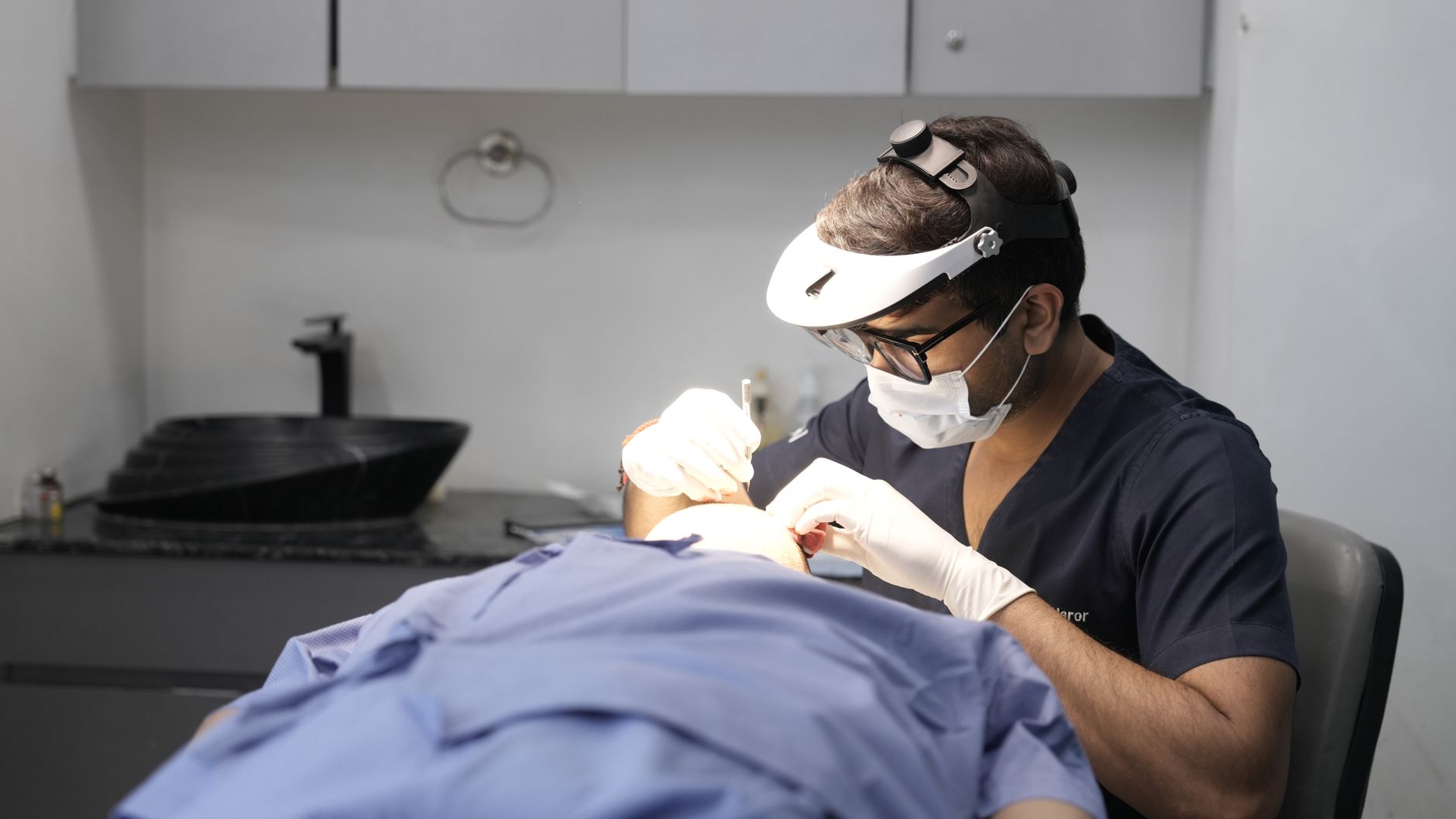
Treatment options include intravitreal injections (anti-VEGF therapy), laser photocoagulation, vitrectomy and scleral buckling. For time-sensitive conditions like retinal detachment or macular hole, Turkish hospitals can often schedule surgery within days—sometimes within 24 to 48 hours—which is critical for preserving vision.
Patients with chronic retinal conditions also benefit from structured follow-up plans that can be coordinated with their home ophthalmologist, ensuring continuity of care after they return home.
Short Waiting Times, Transparent Pricing and Same-Week Scheduling
One of the most compelling reasons international patients choose Türkiye is speed. Instead of waiting months for a consultation or surgery date, many clinics offer same-week scheduling. You can often complete your pre-operative assessment, surgery and first post-operative check within a single 5- to 7-day trip.
Pricing is typically presented as all-inclusive packages that cover consultation, diagnostic imaging, the procedure itself, standard medications, and follow-up visits. This transparency removes the anxiety of surprise bills. While costs vary by procedure and lens choice, cataract and refractive packages in Türkiye are frequently 50–70% lower than comparable private treatment in Western Europe or North America—without compromising on technology or surgeon experience.
English-speaking patient coordinators, airport transfers and assistance with accommodation are standard at major eye hospitals, making the logistics as smooth as the clinical pathway.
Pre-Operative Screening: The Bedrock of Safe Outcomes
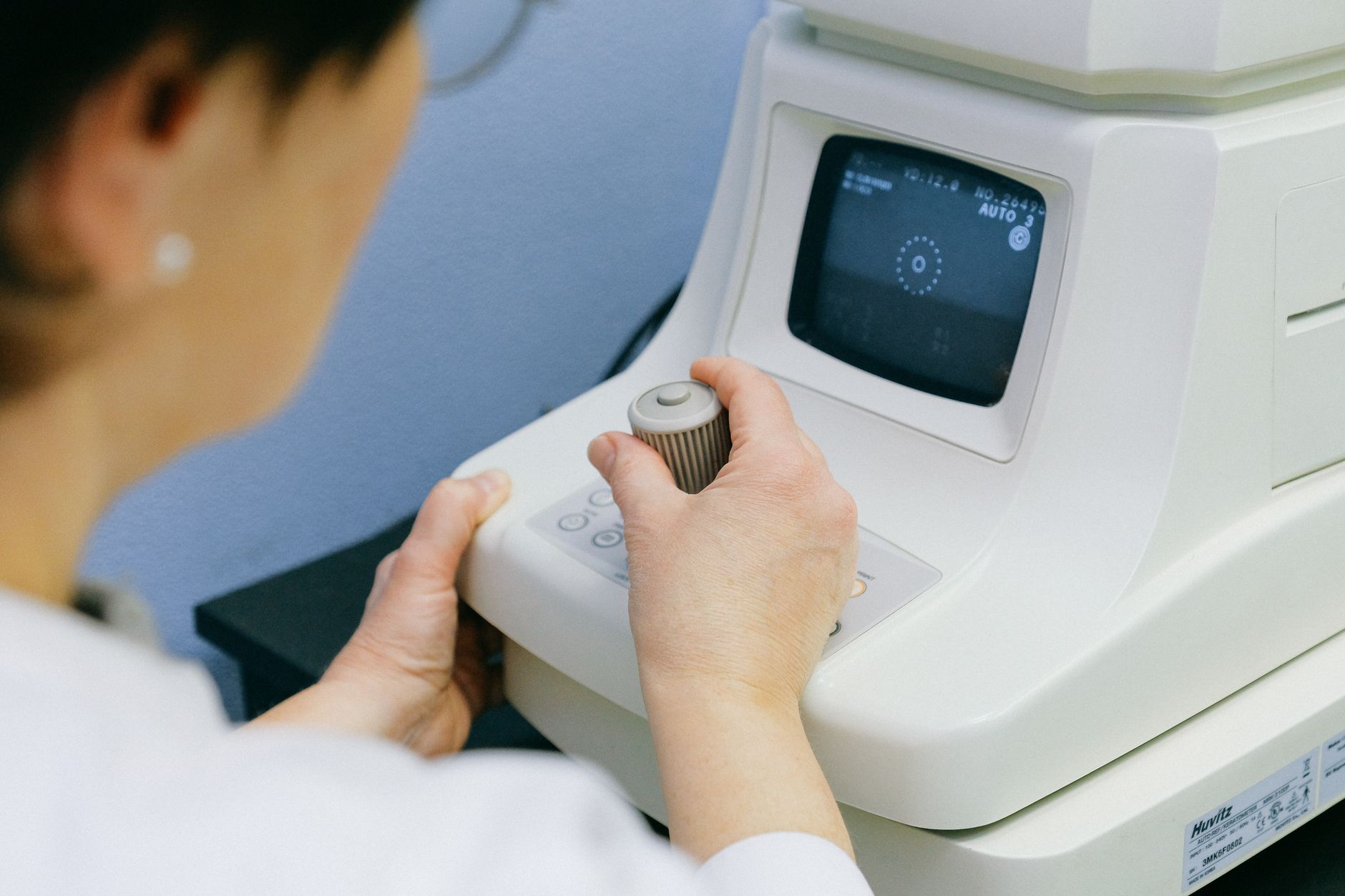
Turkish eye centres treat pre-operative screening as non-negotiable. Before any cataract or refractive procedure, you will undergo a comprehensive eye exam that may include corneal topography, pachymetry, biometry, aberrometry, dry-eye evaluation and a dilated fundus examination. Blood tests and, where relevant, cardiology clearance are arranged for surgical candidates.
This screening does two things: it confirms you are a suitable candidate, and it allows your surgeon to customise the treatment plan. If a retinal issue is discovered incidentally—say, a peripheral tear—it can be addressed before or alongside your primary procedure, preventing complications down the line.
Patients receive a clear explanation of findings, expected outcomes and potential risks, ensuring informed consent is genuinely informed.
Post-Operative Reviews Before You Fly Home
Safe medical travel requires careful post-operative planning, and Turkish clinics are well-practised at it. After cataract or refractive surgery, you will typically have a review the next day, another at around day three to five, and a final check before departure—often on day five to seven. These visits confirm healing is on track, measure your vision and intraocular pressure, and adjust medications if needed.
Retina surgery patients may require a slightly longer stay, with reviews scheduled at intervals determined by the surgeon. In all cases, you leave with a written summary, prescriptions and a follow-up plan that your local eye doctor can continue.
Many centres also offer telemedicine follow-ups, so any concerns that arise after you return home can be addressed quickly by the same team that treated you. This blend of in-person diligence and remote accessibility gives international patients confidence that their care does not end at the airport.
Choosing an Accredited Eye Centre in Türkiye
When evaluating clinics, look for JCI accreditation, hospital-based facilities with on-site anaesthesia and emergency support, and surgeons who are members of recognised ophthalmology societies. Ask about the specific laser platforms and diagnostic equipment they use, and request outcome data or patient testimonials where available.
It also helps to clarify what your package includes: which diagnostics, which lens type, how many follow-ups, and whether transfers and interpretation are covered. Reputable centres answer these questions openly and in writing.
Türkiye's eye hospitals have earned their reputation through consistent results, advanced technology and a patient-first approach. For those considering cataract, LASIK or retina treatment abroad, the country offers a compelling combination of quality, speed and value—backed by surgeons who perform these procedures every single day.
Thinking about treatment in Turkey?
Send us a question about this site or about the information published on it. This is a publisher's mailbox, not a medical service and not a route to a particular provider — for clinical questions, contact your own doctor.