

Türkiye: A Rising Global Hub for Paediatric Bone Marrow Transplant
When a child is diagnosed with a life-threatening blood disorder such as leukaemia, thalassaemia, or aplastic anaemia, families embark on a journey filled with uncertainty. In recent years, Türkiye has emerged as a beacon of hope, offering world-class paediatric bone marrow transplant (BMT) services that combine advanced medical technology, highly experienced haematologists, and a deeply compassionate approach to family-centred care.
Turkish transplant centres are accredited by international bodies such as the Joint Commission International (JCI) and the European Society for Blood and Marrow Transplantation (EBMT). These accreditations reflect rigorous standards in clinical protocols, infection control, and patient safety. For parents seeking the best possible outcomes for their children, Türkiye presents an compelling combination of medical excellence, affordability, and warmth.
In this comprehensive guide, we explore why Türkiye has become a preferred destination for paediatric BMT, the conditions treated, the transplant process, and the remarkable success stories that inspire confidence in families worldwide.
Why Choose Türkiye for Your Child's Bone Marrow Transplant?
Türkiye has invested heavily in healthcare infrastructure over the past two decades. Today, its major cities—Istanbul, Ankara, and Izmir—host state-of-the-art transplant units dedicated exclusively to paediatric patients. These units are designed with children in mind, featuring colourful, child-friendly environments that reduce anxiety and make the hospital experience less intimidating.
One of the most significant advantages is the depth of expertise. Turkish haematologists often train and work in leading centres in Europe and the United States, bringing global best practices back home. Many are active members of international research consortia, contributing to cutting-edge protocols for haploidentical (half-matched) transplants, reduced-intensity conditioning, and cellular therapies.
Another key factor is accessibility. Waiting times for transplant in Türkiye are significantly shorter than in many Western countries, which is critical for aggressive diseases where delay can impact survival. Additionally, the cost of a paediatric BMT in Türkiye is typically 50–70% lower than in the US or Western Europe, without compromising quality. This makes life-saving treatment attainable for families who might otherwise face financial barriers.
Accredited Paediatric Transplant Units and Expert Haematologists
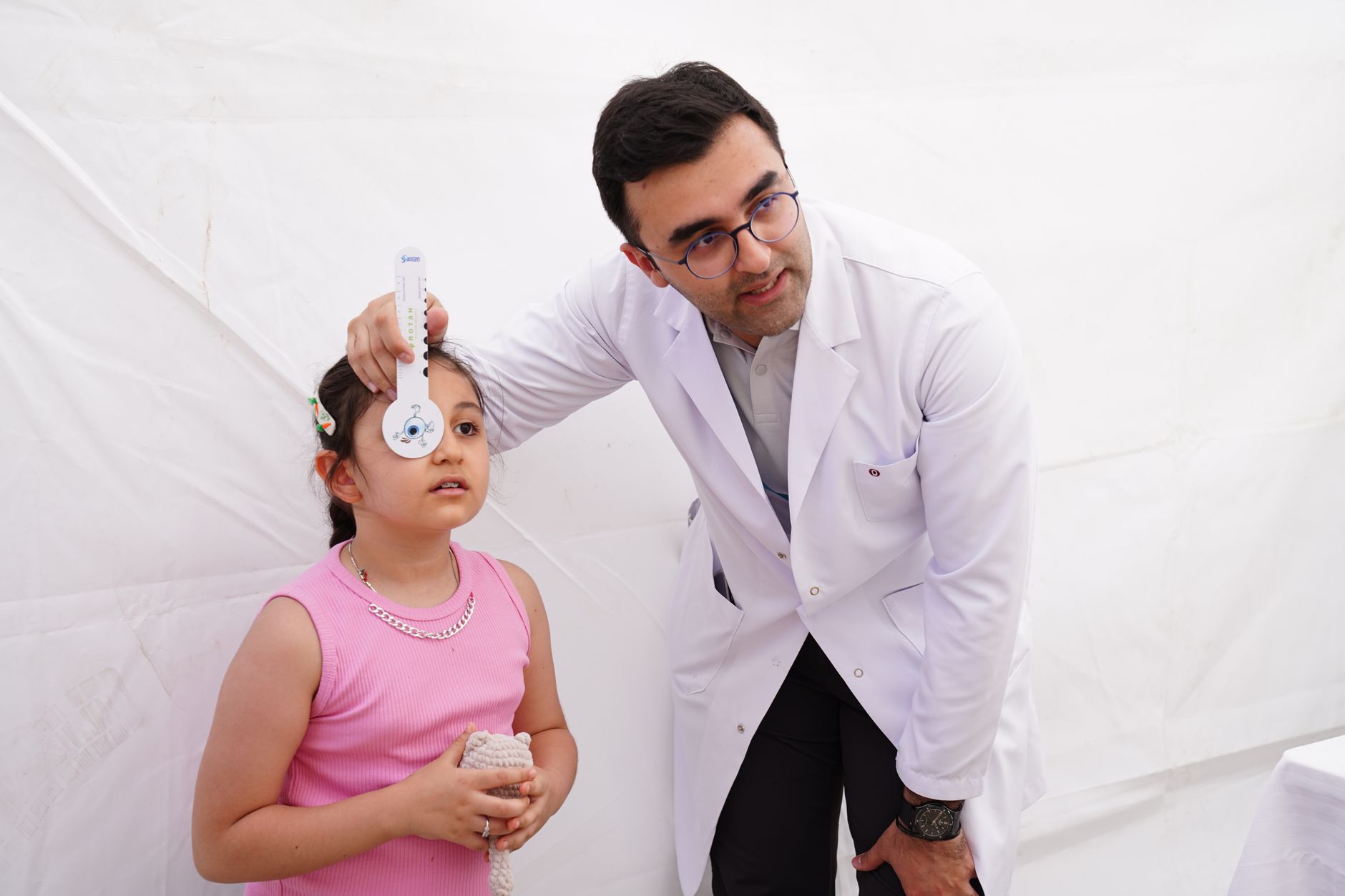
Accreditation is more than a certificate; it is a promise of consistent, high-quality care. Türkiye boasts several JCI-accredited hospitals with dedicated paediatric BMT programmes. These units follow strict protocols for donor selection, stem cell collection, conditioning regimens, and post-transplant care. Infection control measures are paramount, with HEPA-filtered rooms and positive-pressure isolation to protect immunocompromised children.
The haematologists leading these units are among the most experienced in the region. Many have performed hundreds of paediatric transplants, including complex cases involving mismatched donors or underlying genetic conditions. They work within multidisciplinary teams that include paediatric oncologists, immunologists, infectious disease specialists, nurses, psychologists, and dietitians—all focused on the child's holistic well-being.
Furthermore, Turkish centres are actively involved in international clinical trials and registries, ensuring that young patients have access to the latest therapeutic innovations. This commitment to research and development translates into continuously improving survival rates and quality of life for children with blood disorders.
Dedicated Family Support: Caring for the Whole Family, Not Just the Patient
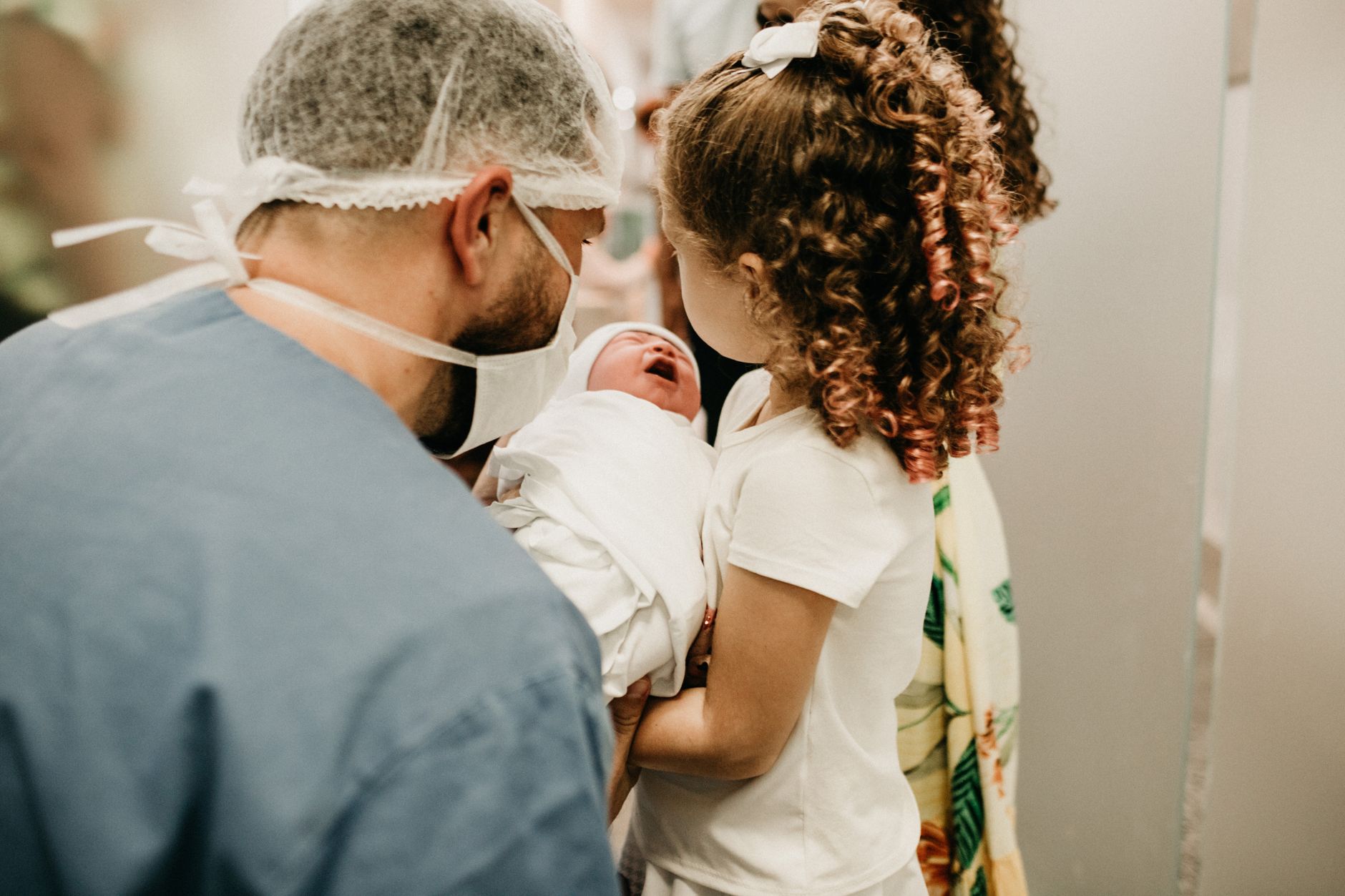
A paediatric transplant affects the entire family. Recognising this, Turkish hospitals provide comprehensive support services designed to ease the burden on parents and siblings. Many centres offer accommodation for families within or near the hospital, ensuring that parents can stay close to their child throughout the treatment journey.
Psychological support is a cornerstone of care. Child life specialists use play therapy, art, and education to help children understand and cope with their treatment. Psychologists are available for parents and siblings, addressing anxiety, stress, and the emotional toll of prolonged hospitalisation. Support groups connect families with others who have walked the same path, creating a community of understanding and hope.
Language barriers are also addressed. International patient departments provide interpreters and multilingual coordinators who assist with appointments, paperwork, and daily communication. This ensures that families from abroad feel informed and supported at every step. From airport pickup to post-transplant follow-up, the focus remains on making the family's experience as smooth and comforting as possible.
The Paediatric Bone Marrow Transplant Journey: Step by Step
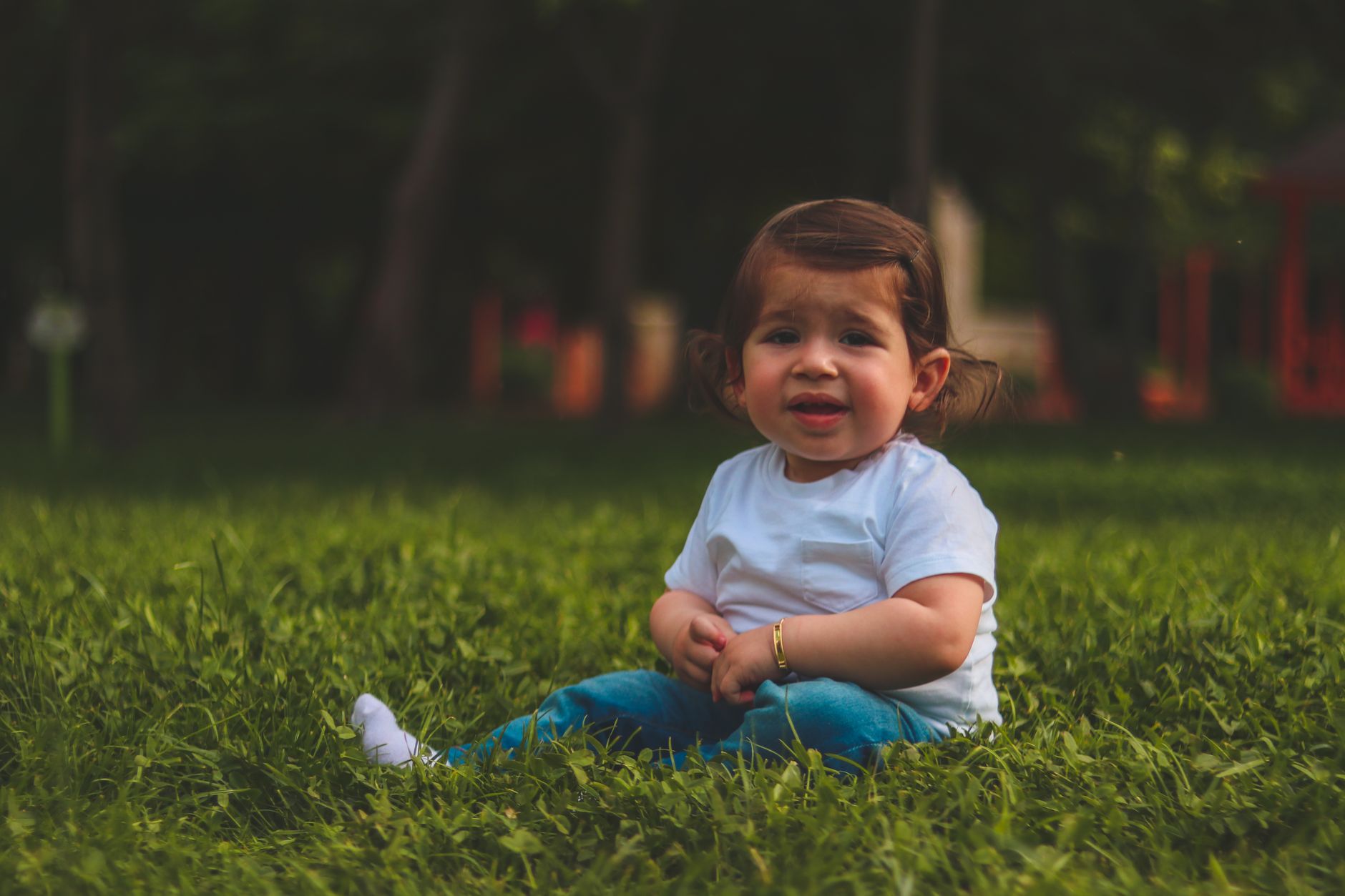
The transplant process begins with a thorough evaluation. The child undergoes a series of tests to confirm the diagnosis, assess organ function, and determine the best donor option. Siblings are often tested first for a human leukocyte antigen (HLA) match. If no matched sibling is available, Turkish centres are experts in alternative donor transplants, including matched unrelated donors, haploidentical parents, and cord blood units.
Once a donor is identified, the child receives a conditioning regimen—chemotherapy, sometimes with radiation—to prepare the bone marrow for the new stem cells. This phase may last several days and requires careful monitoring. The transplant itself is relatively straightforward: the donated stem cells are infused intravenously, similar to a blood transfusion. These cells then travel to the bone marrow and begin to grow, a process called engraftment.
Engraftment typically occurs within two to four weeks. During this period, the child remains in a protective isolation room to minimise infection risk. The medical team monitors blood counts daily and manages any complications, such as graft-versus-host disease (GVHD) or infections, with proactive therapies. Once stable, the child gradually transitions to outpatient care, with regular follow-up visits to track progress.
Throughout the journey, families are kept informed and involved. Turkish hospitals emphasise shared decision-making, ensuring that parents understand each step and feel empowered to advocate for their child.
Success Stories: Children Returning to Healthy, Joyful Lives
Behind every statistic is a child with a name, a smile, and a future. Consider the story of Elif, a 7-year-old from Azerbaijan diagnosed with beta-thalassaemia major. After years of transfusions and iron chelation, she underwent a successful bone marrow transplant from her brother at a JCI-accredited hospital in Istanbul. Today, Elif is transfusion-free, attends school, and loves to paint. Her parents describe the experience as "a miracle made possible by the skill and kindness of the Turkish medical team."
Then there is Omar, a 5-year-old from Iraq with acute lymphoblastic leukaemia. He received a haploidentical transplant from his father using a reduced-intensity conditioning regimen. The transplant was a success, and Omar is now in remission, enjoying his favourite hobby—playing football with his friends. His mother recalls, "The doctors treated us like family. They gave us hope when we had none."
These stories are not exceptions; they are the result of a system that prioritises excellence, compassion, and innovation. Turkish transplant centres report survival rates for paediatric BMT that are comparable to leading international centres, with outcomes continually improving. For families facing the daunting reality of a blood disorder, these successes offer tangible hope.
Planning Your Child's Transplant in Türkiye: Practical Advice for Families
Preparing for a transplant abroad requires careful planning. Start by researching accredited hospitals and contacting their international patient departments. Provide your child's medical records for a preliminary evaluation. Most centres offer a remote consultation with a paediatric haematologist to discuss the case and provide a treatment plan and cost estimate.
Consider logistics: visa requirements, travel arrangements, and accommodation. Many hospitals have partnerships with nearby hotels or family housing facilities. It is advisable to arrive a few weeks before the planned transplant for final evaluations and to allow your child to adjust. Ensure you have sufficient funds for the transplant and potential extended stay; some hospitals offer financial counselling and payment plans.
Emotionally, prepare yourself and your family. Connect with support groups, both in Türkiye and online. Pack comforting items for your child, such as favourite toys, books, and photos. Remember that you are not alone—the hospital team, other families, and your own resilience will carry you through.
Türkiye's combination of medical expertise, affordability, and heartfelt hospitality makes it a top choice for paediatric bone marrow transplant. With each successful transplant, more children return to healthy, joyful lives, and more families find hope in the most challenging of times.
Thinking about treatment in Turkey?
Share your contact details and a verified doctor will follow up with a plan built around you — free, no obligation.