

Türkiye's Robotic Orthopaedic Programme Reports Faster Recovery Times
Türkiye's robotic orthopaedic surgery programme is reporting faster recovery times for international patients, with many walking within hours of surgery and resuming daily activities sooner than with traditional methods. This development reflects the growth of minimally invasive orthopaedic care in the country.
Hospitals across Istanbul, Ankara, and Izmir have invested in robotic systems, such as MAKO and NAVIO, enabling surgeons to perform joint replacements with precision. For international patients, this can mean less trauma to surrounding tissues, reduced pain, and quicker mobilisation.
Dr. Elif Kaya, an orthopaedic surgeon at an Istanbul hospital, notes, "Robotic assistance allows us to personalise implant alignment to each patient's anatomy, which may support recovery and long-term outcomes."
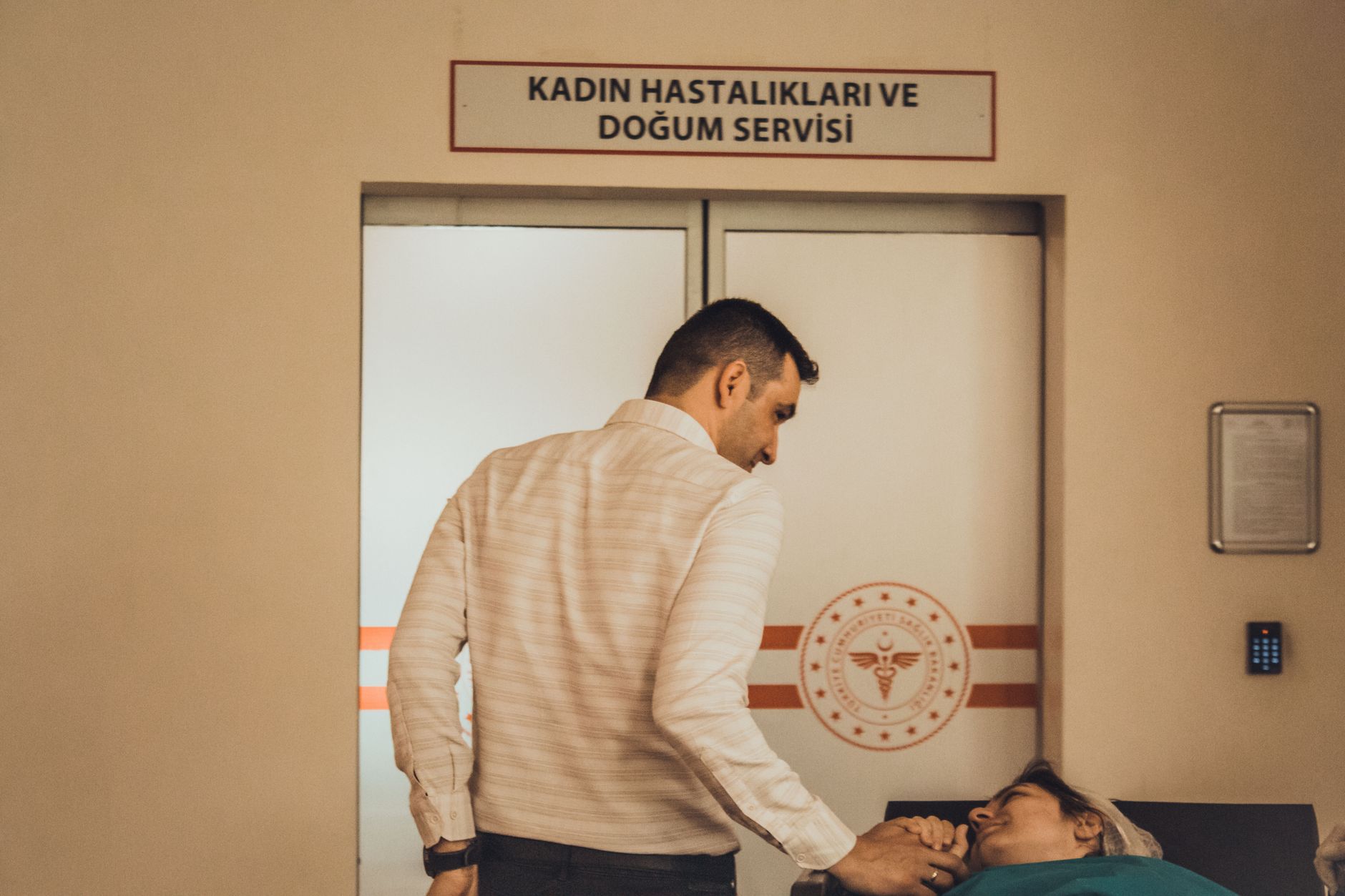
Less Time Away from Work and Family
For international patients, shorter recovery can translate into less time away from home, work, and family. Traditional knee replacement often requires 6 to 12 weeks of rehabilitation before returning to normal activities, whereas robotic-assisted surgery may shorten that timeline.
Many patients are able to fly home within 10 to 14 days after surgery, with follow-up physiotherapy conducted remotely or through local providers. This can reduce disruption to careers and caregiving responsibilities.
"Our goal is to get patients back to their lives as quickly and safely as possible," explains Dr. Kaya. "Robotic surgery is a key tool in achieving that, and our international patient coordinators ensure a seamless journey from consultation to recovery."

Aftercare and Support for International Patients
Türkiye's established hospitals offer comprehensive aftercare packages tailored to international patients. These include pre-operative assessments via telemedicine, dedicated translators, airport transfers, and accommodation arrangements for companions. Post-surgery, patients receive structured physiotherapy plans and 24/7 access to medical support.
Remote monitoring technologies, such as wearable devices and mobile apps, allow surgeons to track recovery progress after patients return home. This continuous care model aims to detect complications early so they can be addressed promptly.
"We don't just perform surgery; we partner with patients throughout their recovery journey," says a representative from Istanbul Medical Tourism. "Our network of hospitals is committed to delivering attentive care with a personal touch."
Türkiye's Role in Minimally Invasive Orthopaedics
Türkiye has become a hub for orthopaedic medical tourism, attracting patients from Europe, the Middle East, and beyond. The country combines skilled surgeons, current technology, and cost levels that are often lower than in Western Europe or the US.
International accreditation of Turkish hospitals, such as JCI and ISO certifications, provides additional assurance regarding safety standards. The robotic orthopaedic programme reflects a commitment to innovation and patient-centred care.
As more patients seek faster recovery and less invasive options, Türkiye's robotic orthopaedic surgery programme offers a path back to active living.
What This Means for Prospective Patients
If you are considering joint replacement, robotic-assisted surgery in Türkiye could be an option. Candidates typically include those with osteoarthritis, rheumatoid arthritis, or post-traumatic joint damage who have not found relief with conservative treatments.
The first step is a remote consultation with an orthopaedic surgeon, who will review your medical history and imaging to determine if you are a suitable candidate. From there, a personalised treatment plan and travel itinerary are created.
With faster recovery times, less time away from home, and attentive care, Türkiye's robotic orthopaedic programme is changing what patients can expect from joint replacement surgery. Outcomes vary between patients and cannot be guaranteed.
Thinking about treatment in Turkey?
Send us a question about this site or about the information published on it. This is a publisher's mailbox, not a medical service and not a route to a particular provider — for clinical questions, contact your own doctor.