

Why Infection Prevention Is a Priority in Turkish Hospitals
When you choose to travel to Türkiye for medical care, you are placing your trust in a healthcare system that has made patient safety its cornerstone. Turkish hospitals, especially those accredited by international bodies like JCI (Joint Commission International), invest heavily in infection prevention and sterilisation. These are not afterthoughts—they are fundamental pillars of quality that benefit every patient, from routine check-ups to complex surgeries.
Türkiye has become a major destination in medical tourism, welcoming over a million international patients each year. This growth is built on a reputation for clinical expertise, modern facilities, and an unwavering commitment to safety. Infection control teams work around the clock to ensure that the care you receive is not only effective but also as safe as possible.
In this article, we will explore the concrete measures Turkish hospitals take to prevent infections, how sterilisation units operate, and what you as an international patient can look for and ask about. By the end, you will understand why these standards are a quality pillar you can trust.
Accreditation: The First Sign of a Serious Approach
Accreditation is a voluntary process where an independent organisation evaluates a hospital against rigorous, internationally recognised standards. In Türkiye, many private and university hospitals hold JCI accreditation, which includes strict requirements for infection prevention and control. Others follow ISO 9001 for quality management and ISO 15189 for laboratory competence.
When a hospital earns JCI accreditation, it means they have demonstrated compliance with standards for hand hygiene, sterilisation of equipment, isolation protocols, and staff training. These standards are audited regularly, so accreditation is not a one-time achievement but an ongoing commitment.
As an international patient, you can check a hospital's accreditation status on its website or by asking your medical tourism facilitator. Accredited hospitals display their certificates and are transparent about their quality metrics. This transparency is your first clue that the hospital takes infection prevention seriously.
Sterilisation Units: Where Safety Is Engineered
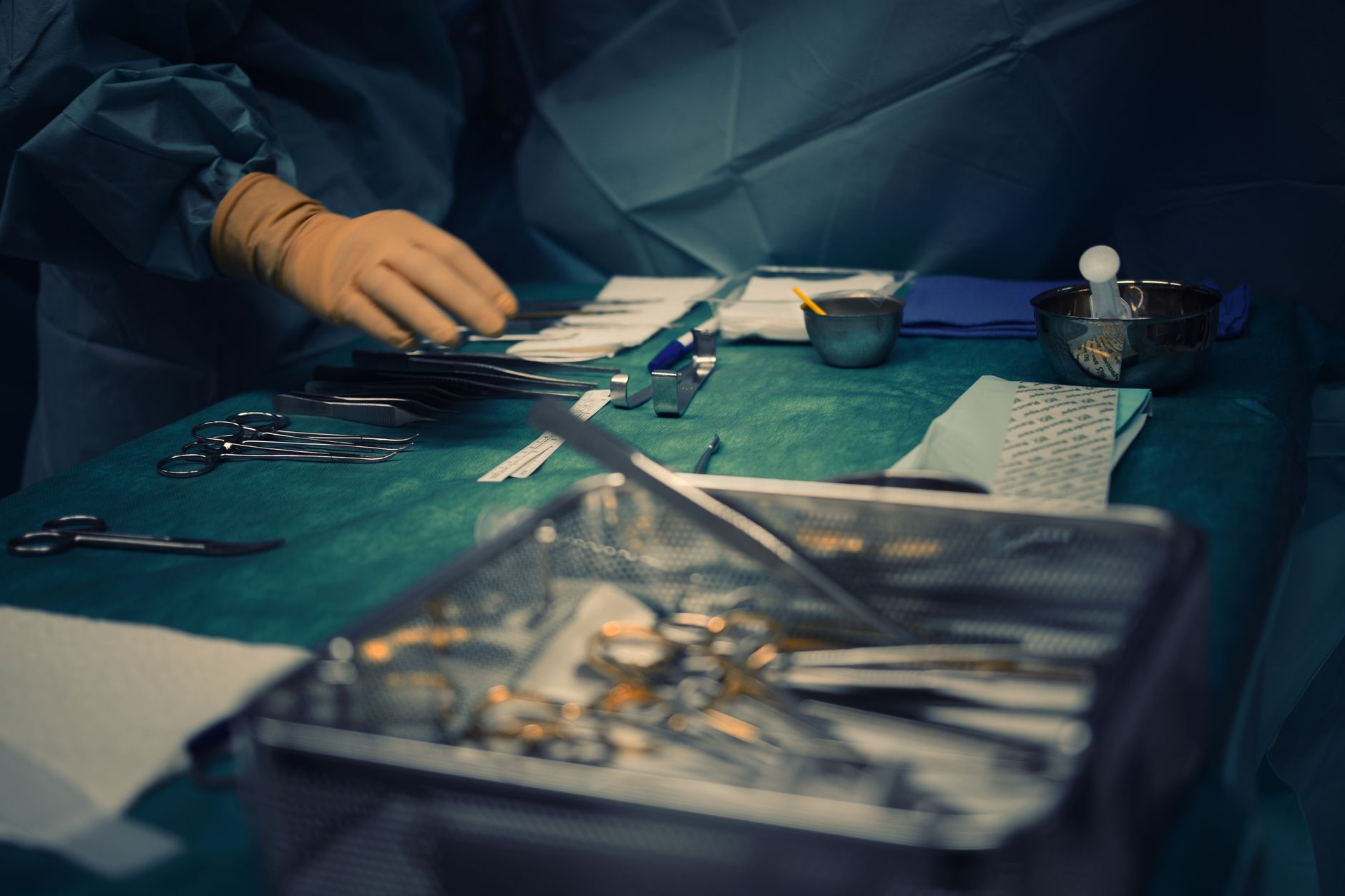
Central Sterile Services Departments (CSSDs) are the heart of any hospital's infection control. In Turkish hospitals, these units are often equipped with modern technology, including autoclaves that use high-pressure steam to kill microorganisms, plasma sterilisers for heat-sensitive instruments, and automated washer-disinfectors.
The process is highly controlled: instruments are collected from operating rooms and clinics, pre-cleaned, inspected for damage, packaged, sterilised, and stored in a controlled environment. Each batch is documented with indicators that change colour when sterilisation conditions are met. This traceability ensures that every surgical instrument is safe for use.
Many Turkish hospitals also use single-use sterile packs for certain items and have dedicated sterile storage rooms with filtered air to prevent contamination. Staff working in CSSDs undergo specialised training and wear protective clothing to maintain the integrity of the sterile field.
Infection Control Teams: The Unsung Heroes
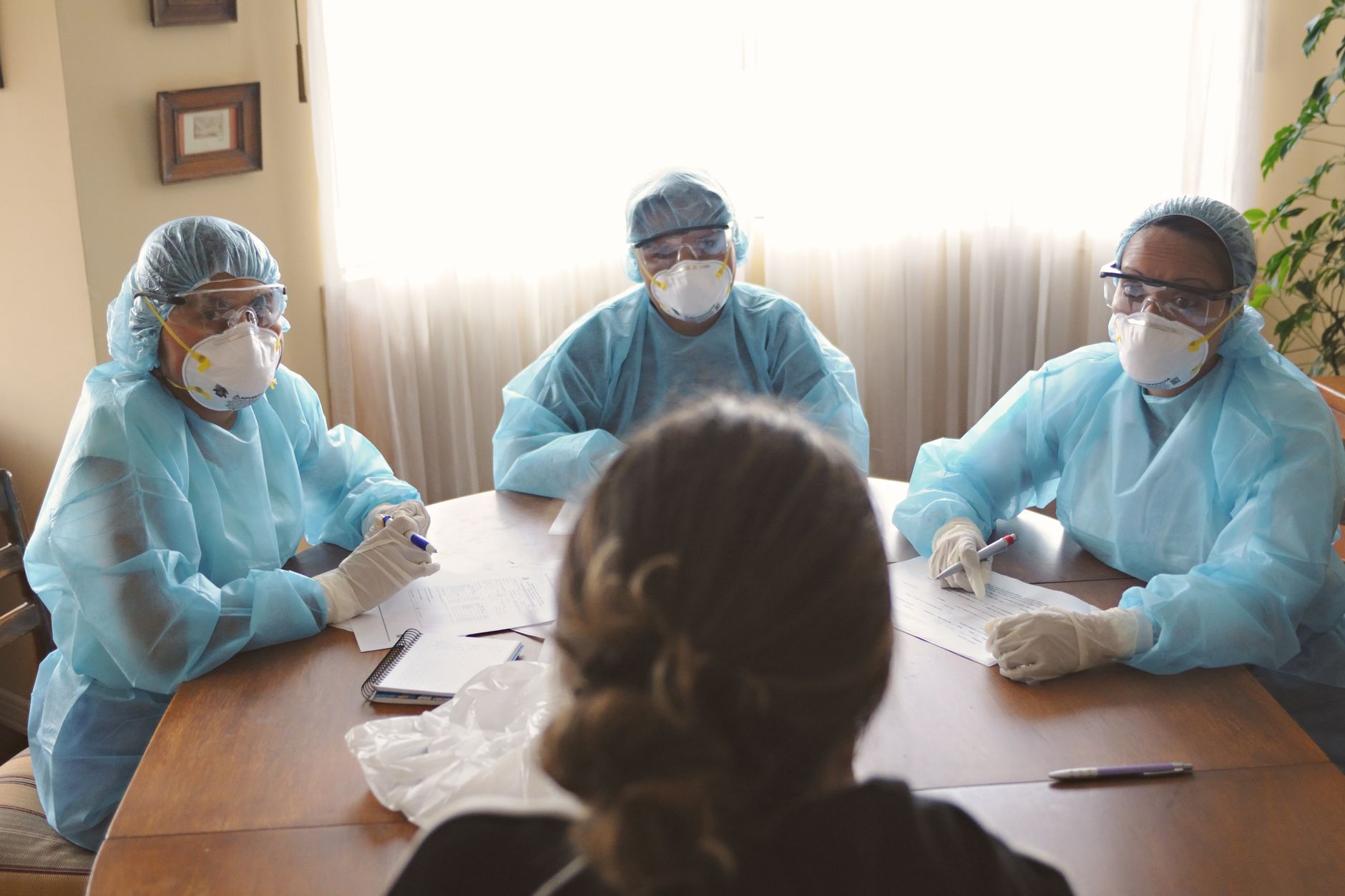
Behind the scenes, infection control teams (ICTs) are constantly monitoring and improving practices. These teams typically include infectious disease specialists, microbiologists, nurses, and epidemiologists. They track infection rates, investigate outbreaks, and implement strategies to reduce risks.
In Turkish hospitals, ICTs conduct regular audits of hand hygiene compliance, environmental cleaning, and antibiotic use. They also provide ongoing education to all staff, from doctors to housekeeping personnel. This proactive approach helps identify potential problems before they affect patients.
For international patients, the presence of a dedicated ICT is a reassuring sign. You can ask whether the hospital has such a team and how often they report to hospital leadership. A well-functioning ICT is a hallmark of a hospital that prioritises patient safety.
Hand Hygiene: A Simple Yet Powerful Measure
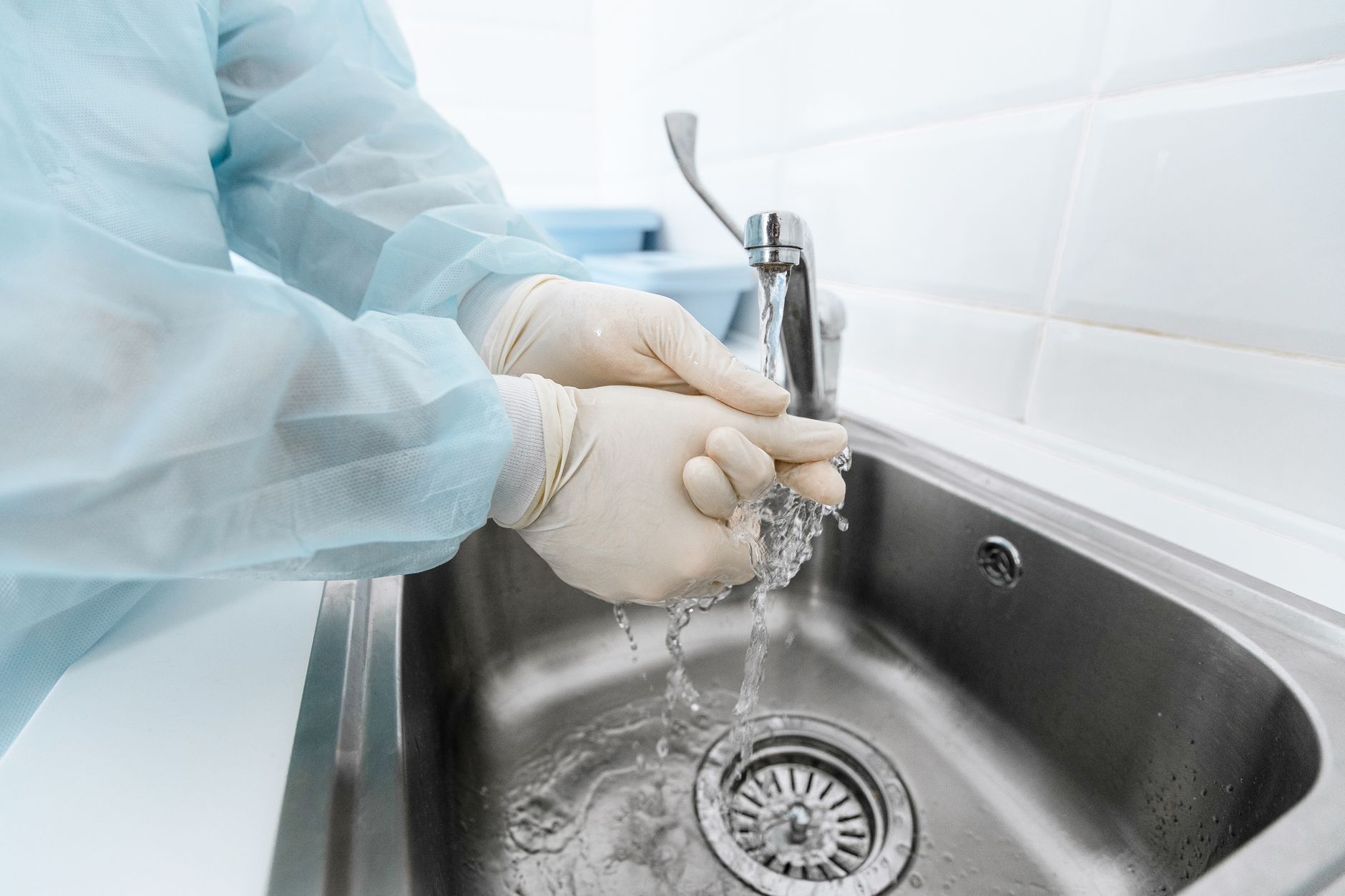
Hand hygiene is the single most effective way to prevent healthcare-associated infections. Turkish hospitals promote hand hygiene through the WHO's "5 Moments for Hand Hygiene" campaign, which specifies when healthcare workers should clean their hands.
You will see hand sanitiser dispensers at the entrance of every patient room, in corridors, and near elevators. Staff are trained to perform hand hygiene before touching a patient, before clean procedures, after body fluid exposure, and after touching patient surroundings. Compliance is monitored through direct observation and sometimes electronic systems.
As a patient, you can also play a role: don't hesitate to ask your care team if they have cleaned their hands. In Turkish hospitals, this is welcomed as a sign of an engaged patient, not an insult.
Environmental Cleaning and Waste Management
A clean environment is essential for infection prevention. Turkish hospitals employ specialised cleaning staff who follow detailed protocols for different areas—from patient rooms to operating theatres. High-touch surfaces like bed rails, doorknobs, and call buttons are disinfected frequently.
Operating theatres receive particular attention. They are equipped with HEPA filters and positive air pressure to keep out contaminants. Between surgeries, theatres undergo terminal cleaning, and air quality is monitored.
Medical waste is segregated at the point of generation: sharp objects go into puncture-proof containers, infectious waste into yellow bags, and general waste into black bags. This waste is then disposed of through licensed contractors, following Turkish Ministry of Health regulations and international guidelines.
What International Patients Can Look For and Ask About
When researching a hospital in Türkiye, you can assess its infection prevention standards by asking a few key questions:
- Is the hospital accredited by JCI or another international body?
- Does it have a dedicated infection control team?
- What sterilisation methods are used for surgical instruments?
- How does the hospital monitor hand hygiene compliance?
- Are single-use sterile supplies used where appropriate?
- Can I see the hospital's infection rate data?
You can also observe during your visit: Are staff cleaning their hands? Is the environment visibly clean? Are sterile packs opened in front of you? These simple observations can tell you a lot.
Many Turkish hospitals welcome such questions and are happy to provide information. They understand that informed patients are more confident and satisfied.
Conclusion: A Foundation of Trust
Türkiye's hospitals have invested significantly in infection prevention and sterilisation, making them a safe choice for international patients. From accreditation and dedicated infection control teams to advanced sterilisation units and rigorous cleaning protocols, these measures are not just about compliance—they are about caring for you.
As you consider medical travel to Türkiye, let these standards be a source of confidence. You are choosing a healthcare system that values your safety as much as your treatment outcome. With the right questions and a little observation, you can ensure that your experience is both healing and secure.
Thinking about treatment in Turkey?
Send us a question about this site or about the information published on it. This is a publisher's mailbox, not a medical service and not a route to a particular provider — for clinical questions, contact your own doctor.