

Why Türkiye Is a Top Choice for Paediatric Medical Travel
When a child needs medical treatment abroad, parents face a whirlwind of emotions and logistics. Türkiye has emerged as a leading destination for paediatric medical travel, combining advanced medical facilities with a warm, family-centred approach. Turkish children's hospitals are designed to be welcoming and stress-free, with colourful interiors, play areas, and dedicated staff who understand the unique needs of young patients.
Families from around the world choose Türkiye not only for its medical expertise but also for its affordability and accessibility. Many hospitals are internationally accredited and offer services in multiple languages, ensuring clear communication and peace of mind. The country's strategic location, with direct flights from Europe, Asia, and the Middle East, makes travel convenient for families.
Beyond the hospital walls, Türkiye offers a rich cultural experience and warm hospitality. Parents can take comfort in knowing that their child's health is in capable hands while also finding moments of respite in a beautiful and historic country.
Child-Friendly Hospital Environments and Play Areas
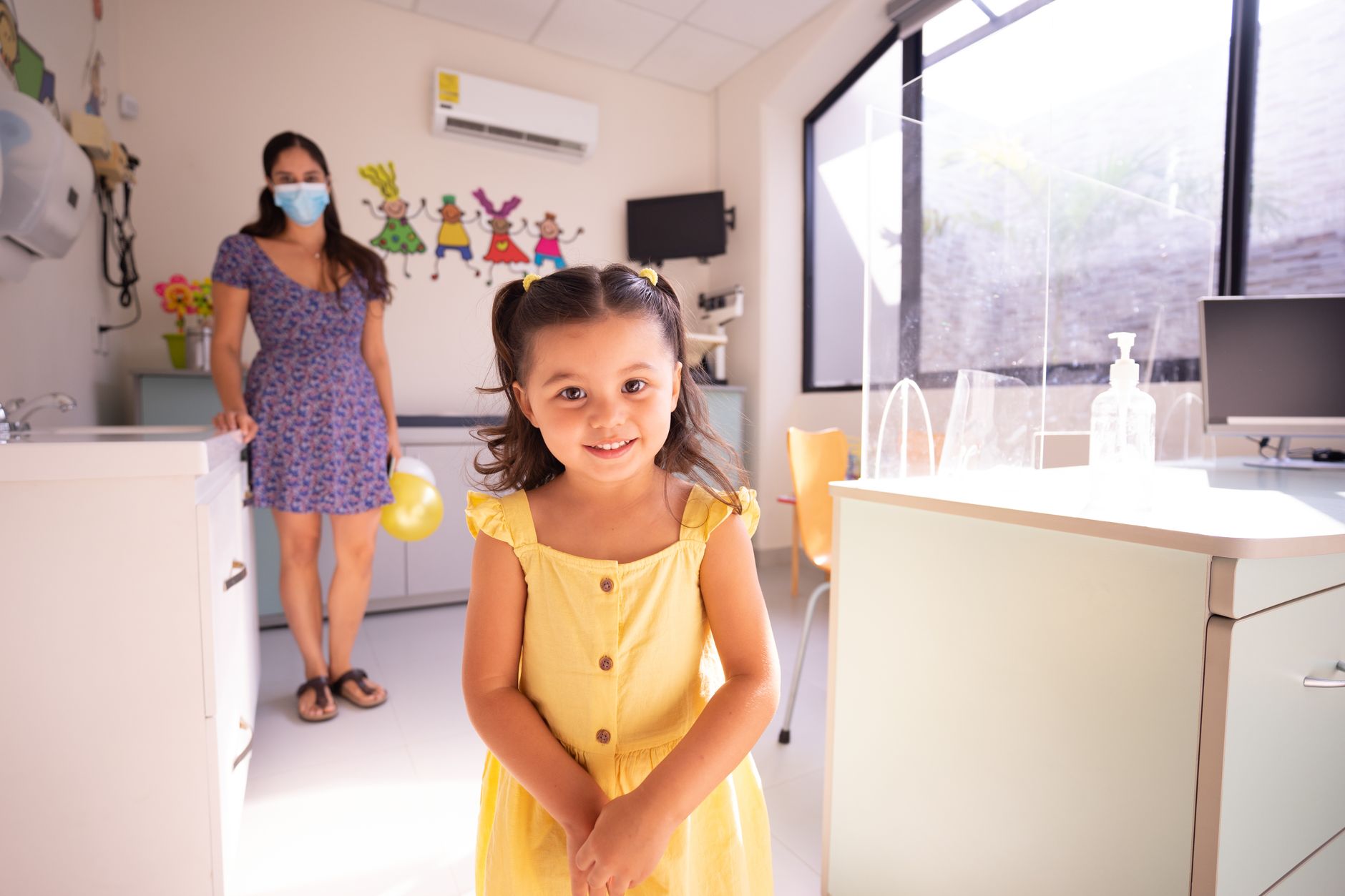
Turkish children's hospitals go to great lengths to create environments that reduce anxiety for young patients. Many facilities feature bright, themed wards with cartoon characters and interactive play areas. These spaces are not just decorative; they are thoughtfully designed to help children feel safe and engaged, turning a potentially frightening experience into a more manageable one.
Play areas are equipped with age-appropriate toys, games, and books, and are supervised by trained staff. Some hospitals even have dedicated playrooms where children can interact with others, helping them feel less isolated during their stay. For teenagers, there are often separate lounges with video games and internet access, recognising the need for privacy and peer connection.
These amenities are complemented by quiet zones for parents and family lounges where relatives can rest and recharge. The overall atmosphere is one of calm and reassurance, which benefits both children and their caregivers.
The Role of Child Life Specialists in Turkish Hospitals
One of the standout features of Turkish paediatric care is the presence of child life specialists. These professionals are trained to support children's emotional and developmental needs during medical experiences. They use techniques such as medical play, distraction, and preparation to help children understand procedures and cope with anxiety.
Child life specialists work closely with medical teams to ensure that each child's experience is as positive as possible. They may accompany a child to an MRI, using breathing exercises or storytelling to keep them calm. They also provide support to siblings and parents, offering guidance on how to talk to children about illness and treatment.
For international families, these specialists are invaluable. They bridge cultural and language gaps, explaining procedures in child-friendly terms and advocating for the child's comfort. Their presence underscores the holistic approach to paediatric care in Türkiye, where emotional well-being is considered as important as physical health.
Parent Accommodation and Family Support Services
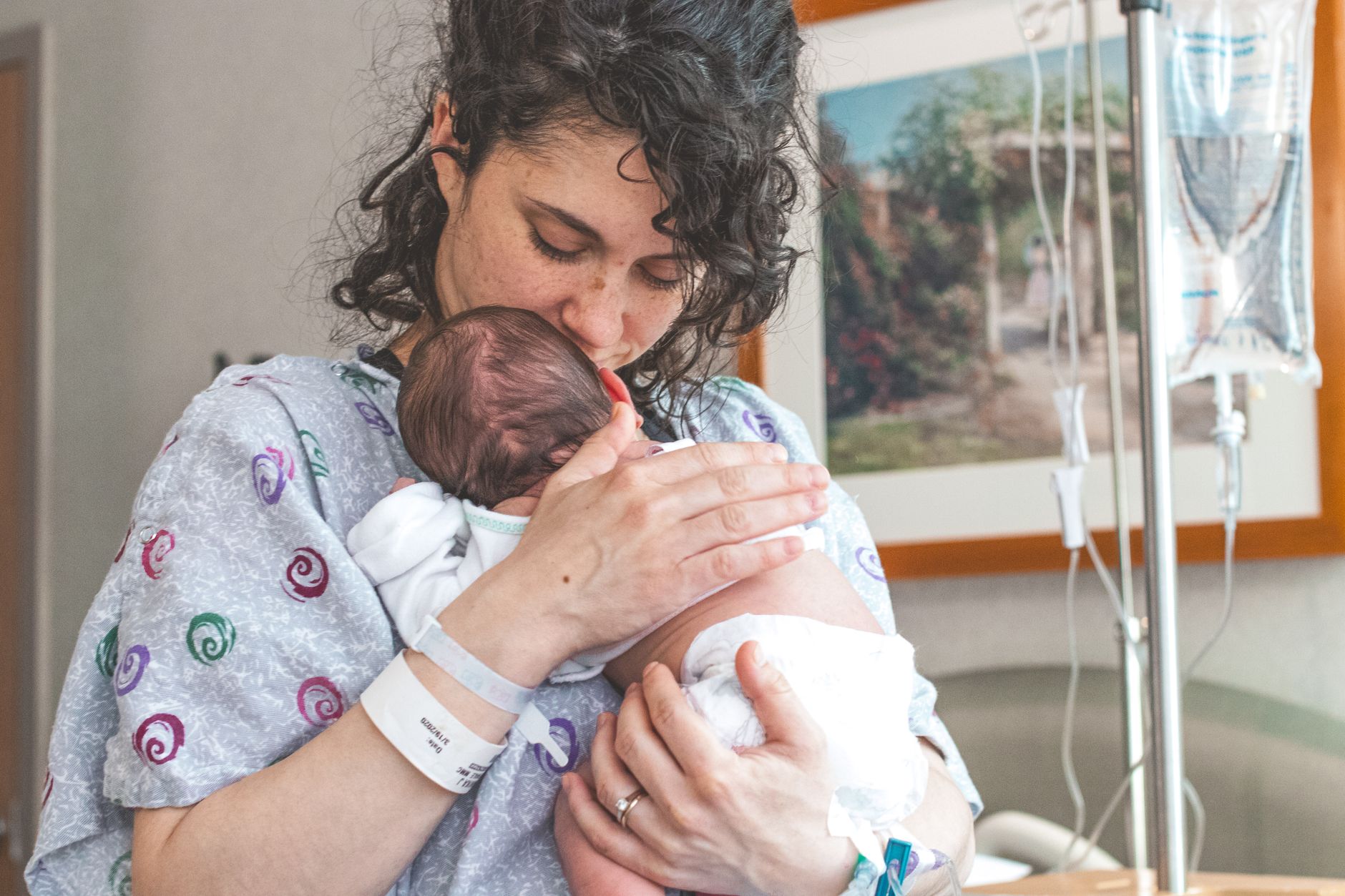
Understanding that parents need to be close to their children, many Turkish hospitals offer accommodation options right on campus or nearby. These range from parent rooms within the paediatric ward to affiliated guesthouses and hotels with special rates for medical travellers. Some hospitals even provide sleeper chairs or pull-out beds in patient rooms so parents can stay overnight.
Family support services extend beyond accommodation. Hospitals often have dedicated family liaison officers who assist with everything from booking appointments to arranging transportation and translation. Social workers are available to help families navigate insurance, visas, and financial concerns. This comprehensive support system allows parents to focus on their child's recovery without worrying about logistics.
For families travelling with multiple children, some hospitals provide childcare services or organise activities for siblings, ensuring that no one feels left out. This holistic approach to family care is a hallmark of Turkish medical tourism.
What to Pack, Ask, and Plan for Your Paediatric Medical Trip
Packing essentials: Beyond the usual travel items, bring your child's medical records, prescriptions, and any test results. Pack comfort items such as favourite toys, blankets, and pyjamas. Don't forget entertainment like tablets, books, and headphones for the journey and hospital stays. Also, bring a reusable water bottle and snacks that your child likes, as familiar tastes can be comforting.
Questions to ask: Before travelling, ask the hospital about their paediatric services, including the availability of child life specialists, language support, and parent accommodation. Inquire about the qualifications of the medical team and the hospital's accreditation. Ask about the estimated length of stay, costs, and payment methods. It's also wise to ask about emergency contacts and what to do in case of complications.
Planning tips: Arrange your visa and travel insurance well in advance. Book flights at times that align with your child's routine to minimise stress. Consider hiring a medical travel facilitator who can coordinate appointments and accommodation. Learn a few basic Turkish phrases; locals appreciate the effort. Finally, plan for some downtime to explore Türkiye's family-friendly attractions, which can provide a welcome distraction and create positive memories.
Navigating Logistics: Travel, Visas, and Insurance
Travelling for medical care requires careful planning. Check visa requirements for Türkiye based on your nationality; many countries have e-visa options. Ensure your passport is valid for at least six months beyond your planned return. Travel insurance is crucial; look for policies that cover medical treatment abroad and repatriation if needed.
Most Turkish hospitals have international patient departments that can assist with visa invitation letters and airport transfers. They can also recommend nearby accommodation and provide interpreters. It's advisable to confirm all arrangements in writing and keep copies of all documents.
When booking flights, consider direct routes to reduce travel time and fatigue, especially for a sick child. Istanbul and Ankara have major international airports with good connections. Some hospitals offer shuttle services from the airport, so inquire about this convenience.
Beyond Treatment: Family-Friendly Activities in Türkiye
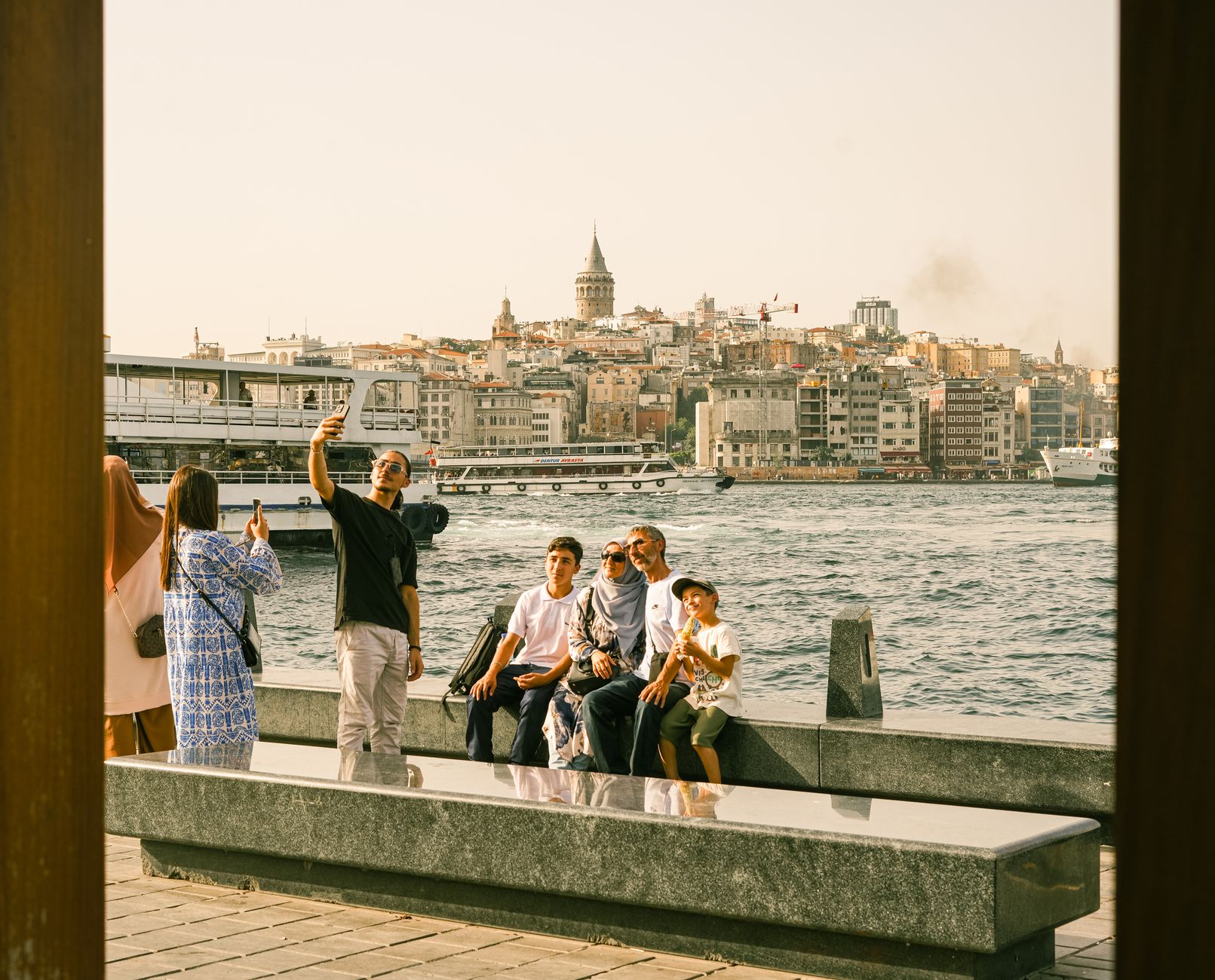
While medical treatment is the priority, taking time for light-hearted activities can be therapeutic for the whole family. Türkiye offers numerous child-friendly attractions. In Istanbul, visit the Istanbul Toy Museum or take a relaxing Bosphorus cruise. Theme parks like Vialand provide fun for older children. Parks and playgrounds are plentiful, and the food is diverse and kid-friendly.
If your child is able, a short trip to a nearby beach or a visit to a historical site like the Blue Mosque can be a wonderful distraction. Many hospitals can arrange for short family outings with medical clearance, ensuring safety while allowing some normalcy.
Remember to pace yourselves and prioritise rest. The goal is to support your child's recovery while creating positive experiences that strengthen family bonds.
Conclusion: A Supportive Environment for Healing
Paediatric medical travel to Türkiye offers families a blend of advanced medical care and compassionate support. With child-friendly hospital environments, dedicated child life specialists, and comprehensive parent services, Türkiye ensures that the focus remains on healing and comfort. By planning ahead and knowing what to pack and ask, parents can navigate this journey with confidence. Türkiye's warm hospitality and family-centric approach make it a reassuring choice for paediatric treatment abroad.
Thinking about treatment in Turkey?
Send us a question about this site or about the information published on it. This is a publisher's mailbox, not a medical service and not a route to a particular provider — for clinical questions, contact your own doctor.