

Why Türkiye Is a Leading Destination for Paediatric Orthopaedic Care
Türkiye has become a global hub for medical tourism, and paediatric orthopaedics is one of its shining specialties. Families from across Europe, the Middle East, and beyond choose Turkish hospitals because they combine advanced medicine with genuine warmth. The country's clinics are equipped with the latest diagnostic imaging, minimally invasive surgical tools, and child-sized implants, all designed to treat growing bones with precision and care.
What truly sets Türkiye apart is its child-focused approach. Orthopaedic teams here understand that a child is not simply a small adult. They receive specialised training in paediatric fracture management, limb deformity correction, and conditions like clubfoot, scoliosis, and developmental dysplasia of the hip. Every step is tailored to the unique needs of young patients, ensuring both physical and emotional comfort.
Beyond the operating room, Turkish hospitals invest in creating environments where children feel safe. Colourful wards, play areas, and friendly staff turn what could be a frightening experience into a reassuring journey. Parents are welcomed as partners in care, with clear communication and support in multiple languages, including English, Arabic, Russian, and German.
Child-Friendly Orthopaedic Teams: Expertise with a Smile
Paediatric orthopaedic surgeons in Türkiye are among the most experienced in the region. Many have trained in leading centres in the United States and Europe and are active members of international societies such as the European Paediatric Orthopaedic Society (EPOS). They treat a wide range of conditions, from simple fractures to complex limb-length discrepancies, always prioritising non-invasive or minimally invasive options when possible.
What makes these teams special is their bedside manner. Surgeons and nurses take time to explain procedures to children in age-appropriate language, using dolls, drawings, or tablets to help them understand. This reduces anxiety and builds trust. Parents receive detailed explanations too, so they can make informed decisions and feel confident about the plan.
Multidisciplinary collaboration is standard. Orthopaedic surgeons work closely with physiotherapists, occupational therapists, and child life specialists to ensure holistic care. For children with conditions like cerebral palsy or spina bifida, this team approach addresses not just the bones but also muscle function, mobility, and overall quality of life.
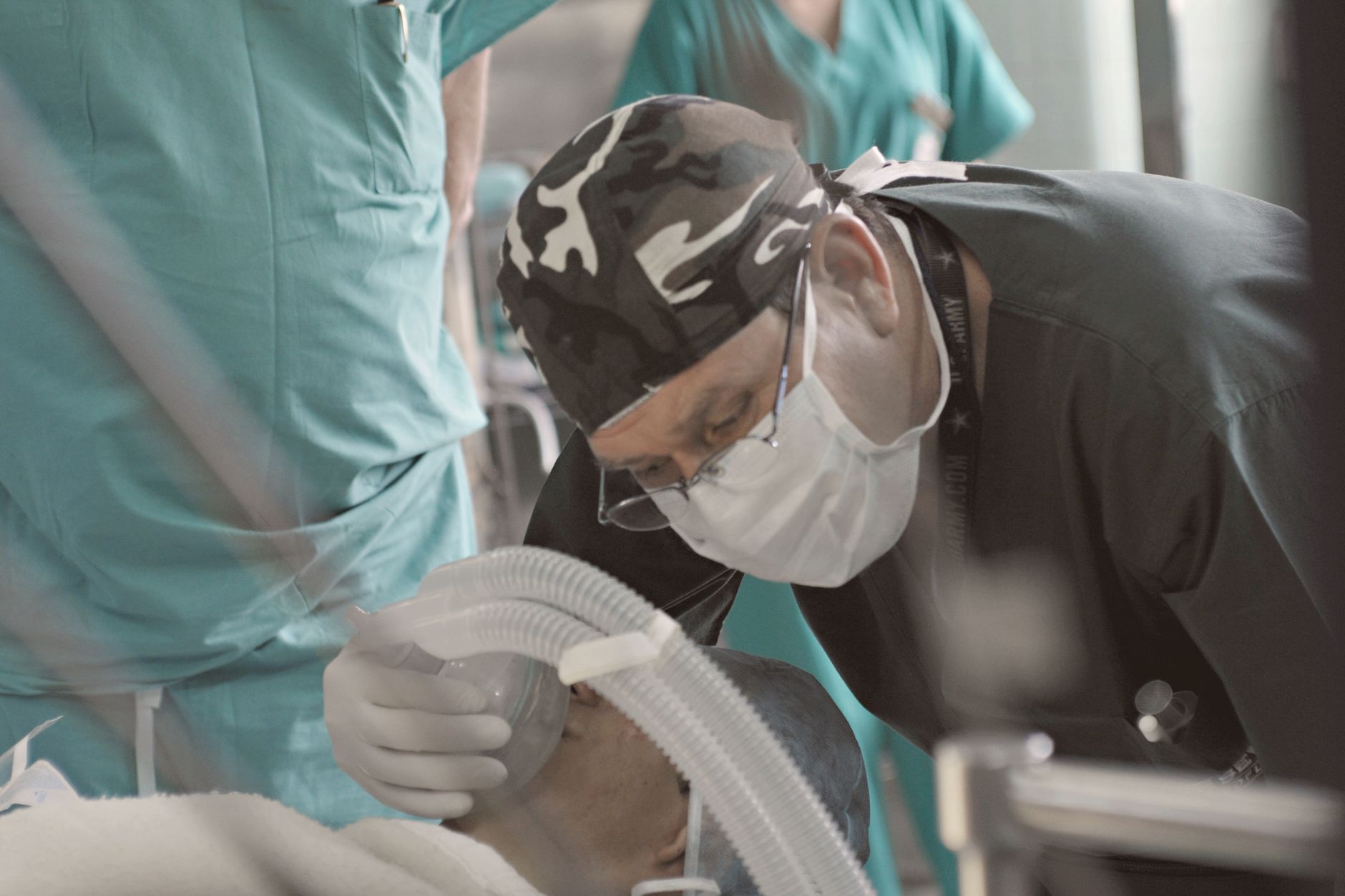
Paediatric Anaesthesia Expertise: Safety First for Little Patients
One of the biggest concerns for parents is anaesthesia. Turkish hospitals address this with dedicated paediatric anaesthesiologists who specialise in the unique physiology of children. They use child-friendly techniques, such as flavoured masks and distraction methods, to make induction smooth and stress-free. Monitoring equipment is adapted for small bodies, ensuring precise and safe sedation throughout the procedure.
Pre-operative assessments are thorough. Anaesthesiologists review the child's medical history, allergies, and any previous reactions to anaesthesia. They also coordinate with the orthopaedic team to plan pain management strategies that minimise discomfort after surgery. For day-case procedures, children are observed in a dedicated recovery area with parents nearby, so they wake up to familiar faces.
Post-operative pain relief is tailored to the child's age and needs. Techniques like regional nerve blocks and multimodal analgesia reduce the reliance on opioids, speeding up recovery and reducing side effects. The anaesthesia team remains involved until the child is fully stable, and they provide clear instructions for home care.
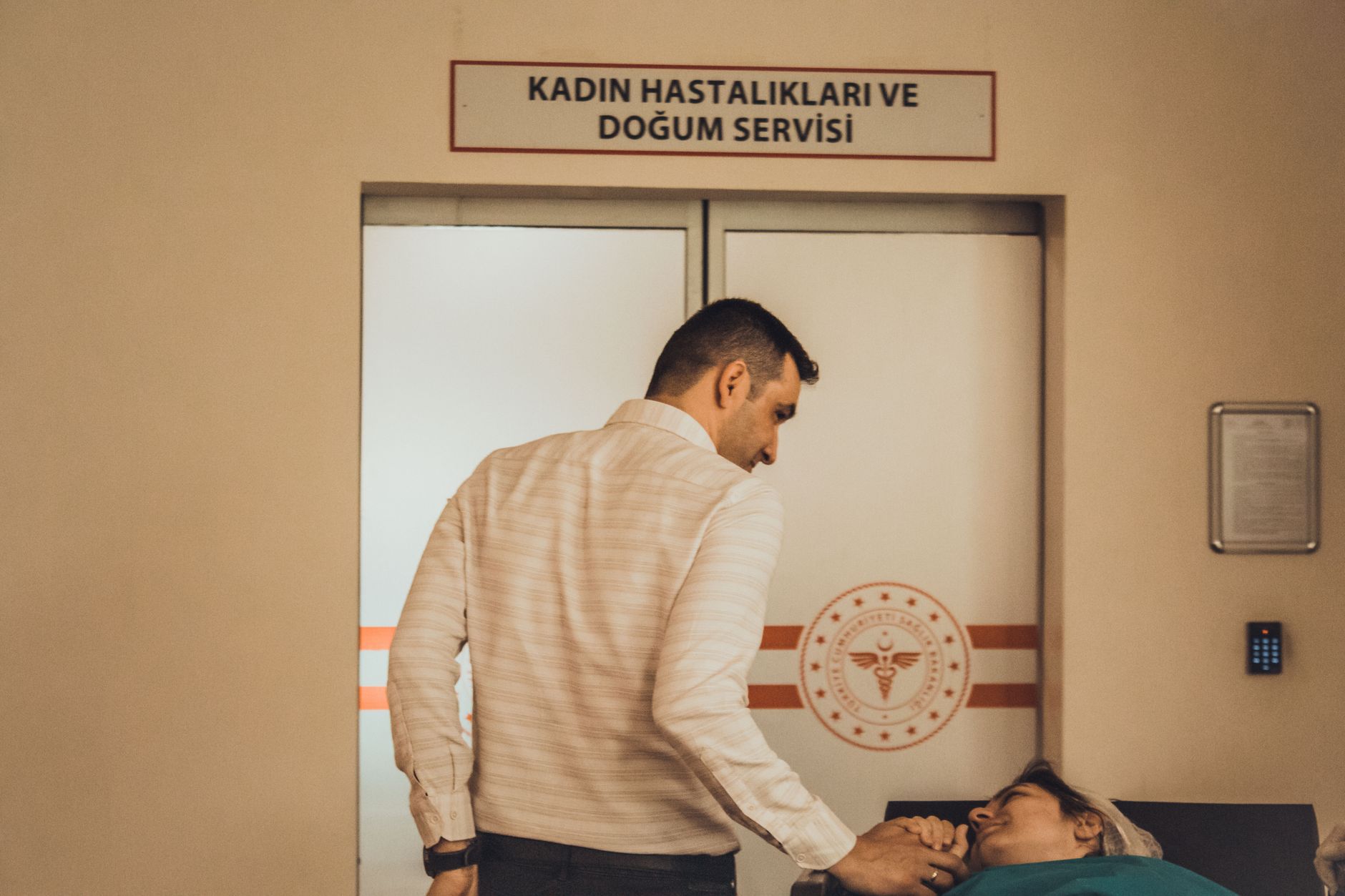
Family-Centred Hospital Wards: Comfort for Kids and Parents
Turkish hospitals have redesigned their paediatric orthopaedic wards to feel less clinical and more welcoming. Rooms often feature bright colours, cartoon characters, and space for a parent to stay overnight. Many hospitals provide fold-out beds or recliners, so mums and dads can remain close to their child. This continuity of presence is vital for emotional wellbeing.
Playrooms and activity areas are stocked with toys, books, and games. Child life specialists organise arts and crafts, movie nights, and even bedside video games to keep young patients entertained. These distractions help normalise the hospital experience and reduce stress for both children and siblings who may be visiting.
Nutrition is another focus. Hospitals offer child-friendly menus, and dietitians are available to accommodate allergies or special dietary needs. Parents can also request halal, vegetarian, or other specific meals, ensuring that children eat what they enjoy and need for recovery.
Communication with families is a priority. Interpreters are available around the clock, and many hospitals have multilingual staff. Discharge planning includes written instructions in the family's language, along with emergency contact numbers. This level of support helps international families feel secure and cared for.
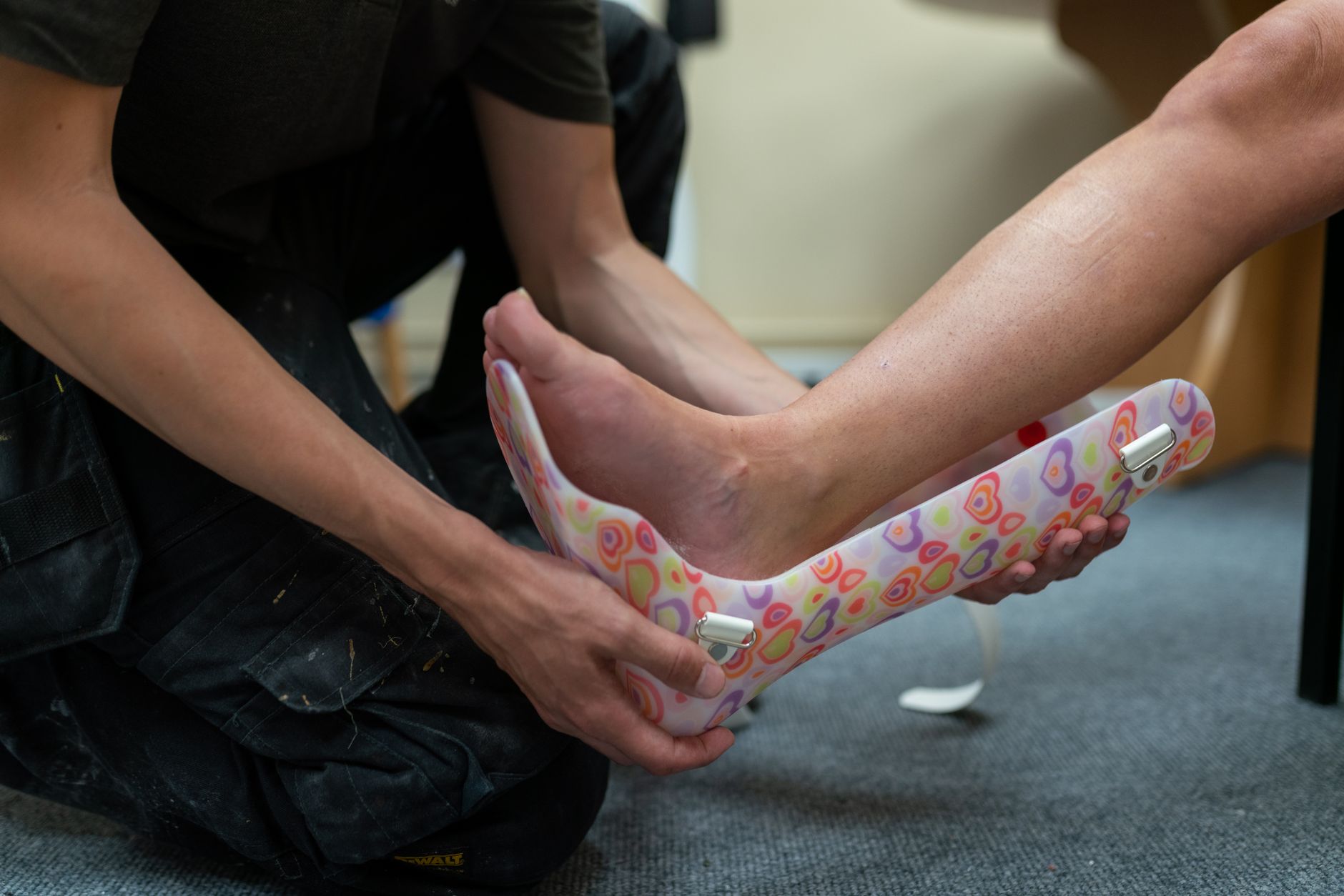
Coordinating Casts, Follow-Ups and School-Friendly Scheduling
For travelling families, logistics can be daunting. Turkish clinics excel at coordinating care so that treatment fits around school holidays and family routines. When a child needs a cast, the orthopaedic team selects lightweight, waterproof materials whenever possible. This allows children to continue some activities and makes travel home easier. Cast application is done gently, with distraction techniques to keep little ones calm.
Follow-up appointments are planned in advance. If a family must return home before the cast is removed, the Turkish clinic can liaise with local doctors to arrange continued care. They provide detailed medical reports, imaging, and instructions for the next healthcare provider. Telemedicine follow-ups are also offered, so parents can send photos or ask questions without travelling back immediately.
School-friendly scheduling means procedures can be timed to minimise missed classes. Many families choose to visit during summer or mid-term breaks. Hospitals offer flexible appointment times, including evenings and weekends, to accommodate travel plans. For children who need ongoing physiotherapy, clinics can recommend local therapists or provide virtual sessions.
Financial coordination is transparent. International patient departments provide cost estimates upfront, help with insurance paperwork, and offer packages that include surgery, hospital stay, and follow-up visits. This removes financial uncertainty, allowing families to focus on their child's recovery.
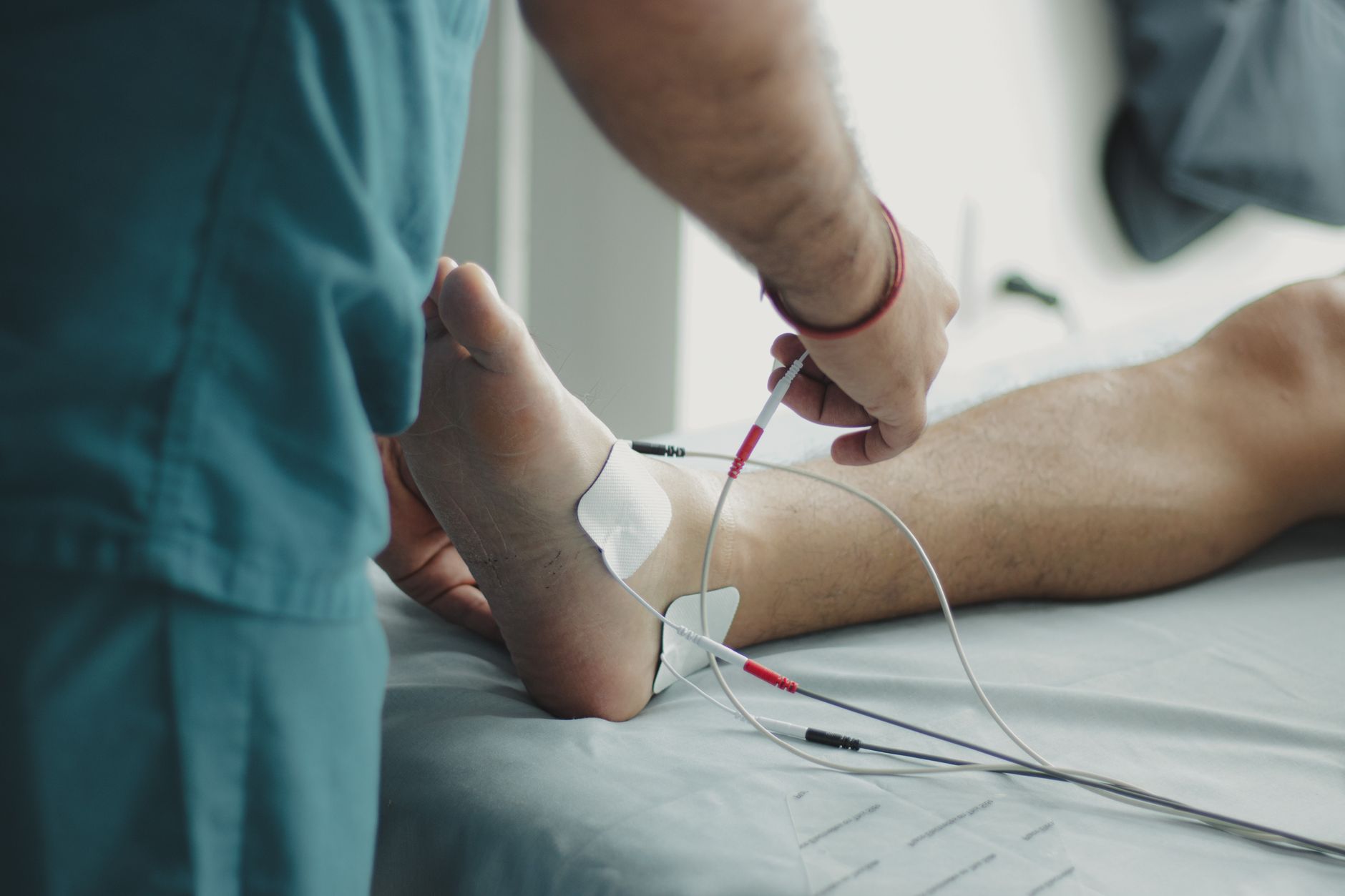
Preparing for Your Child's Orthopaedic Journey in Türkiye
Before travelling, gather all relevant medical records, including X-rays, MRIs, and doctor's notes. Send them to the Turkish hospital for a preliminary review. The international patient team will help you plan the trip, from visa assistance to airport transfers and accommodation near the hospital.
Pack comfort items for your child: favourite toys, blankets, and electronic devices with chargers. Bring any regular medications and a list of allergies. It's also wise to have a small first-aid kit for the journey. Turkish hospitals will provide most supplies, but familiar items can ease anxiety.
Upon arrival, you'll meet the orthopaedic team for a thorough consultation. They will explain the diagnosis, treatment options, and what to expect. Feel free to ask questions—Turkish doctors appreciate engaged parents and will take time to address concerns. Tours of the ward and operating areas can be arranged to familiarise your child with the environment.
After treatment, follow discharge instructions carefully. Attend all follow-up appointments, whether in person or online. Encourage your child to do any prescribed exercises, and monitor for signs of complications like fever or increased pain. The Turkish clinic remains a resource even after you return home, offering support via phone or email.
Conclusion: Gentle Care That Puts Children First
Türkiye's paediatric orthopaedic centres combine world-class expertise with a deeply human touch. From the moment you arrive, you'll sense the commitment to making children feel safe and valued. The child-friendly teams, specialised anaesthesia care, and family-centred wards create an environment where healing happens naturally.
For parents, the burden of coordinating casts, follow-ups, and school schedules is lifted. Turkish clinics handle the details with precision and empathy, allowing you to focus on your child's wellbeing. It's this blend of advanced medicine and heartfelt care that makes Türkiye a trusted destination for families worldwide.
If your child needs orthopaedic attention, consider Türkiye. Here, little bones are treated with big hearts, and every child is given the gentle, expert care they deserve.
Thinking about treatment in Turkey?
Send us a question about this site or about the information published on it. This is a publisher's mailbox, not a medical service and not a route to a particular provider — for clinical questions, contact your own doctor.