

Why Türkiye Makes Medical Travel Surprisingly Simple
Türkiye has become one of the world's most trusted destinations for medical travel, welcoming patients from Europe, the Gulf, the UK and beyond for everything from dental work and hair transplants to bariatric surgery, orthopaedics and advanced cardiac care. Hospitals in Istanbul, Ankara, Antalya and Izmir combine internationally accredited standards with modern facilities and genuinely warm hospitality — often at a fraction of the cost patients would pay at home.
What surprises most first-time medical travellers is not the medicine — it's how smooth the logistics feel. Well-organised Turkish clinics assign you a dedicated international patient coordinator from your very first enquiry. That single point of contact answers your questions, collects your documents, explains costs, helps arrange your visa paperwork, books your airport transfer and stays with you through admission, treatment and discharge.
This guide walks you through every practical step: passports and e-visas, translating medical records, treatment agreements, deposits and payment methods, medication rules and airport transfers. Read it once and the trip stops feeling daunting — it starts feeling like a well-managed plan.
Step 1: Passports, E-Visas and Entry Basics
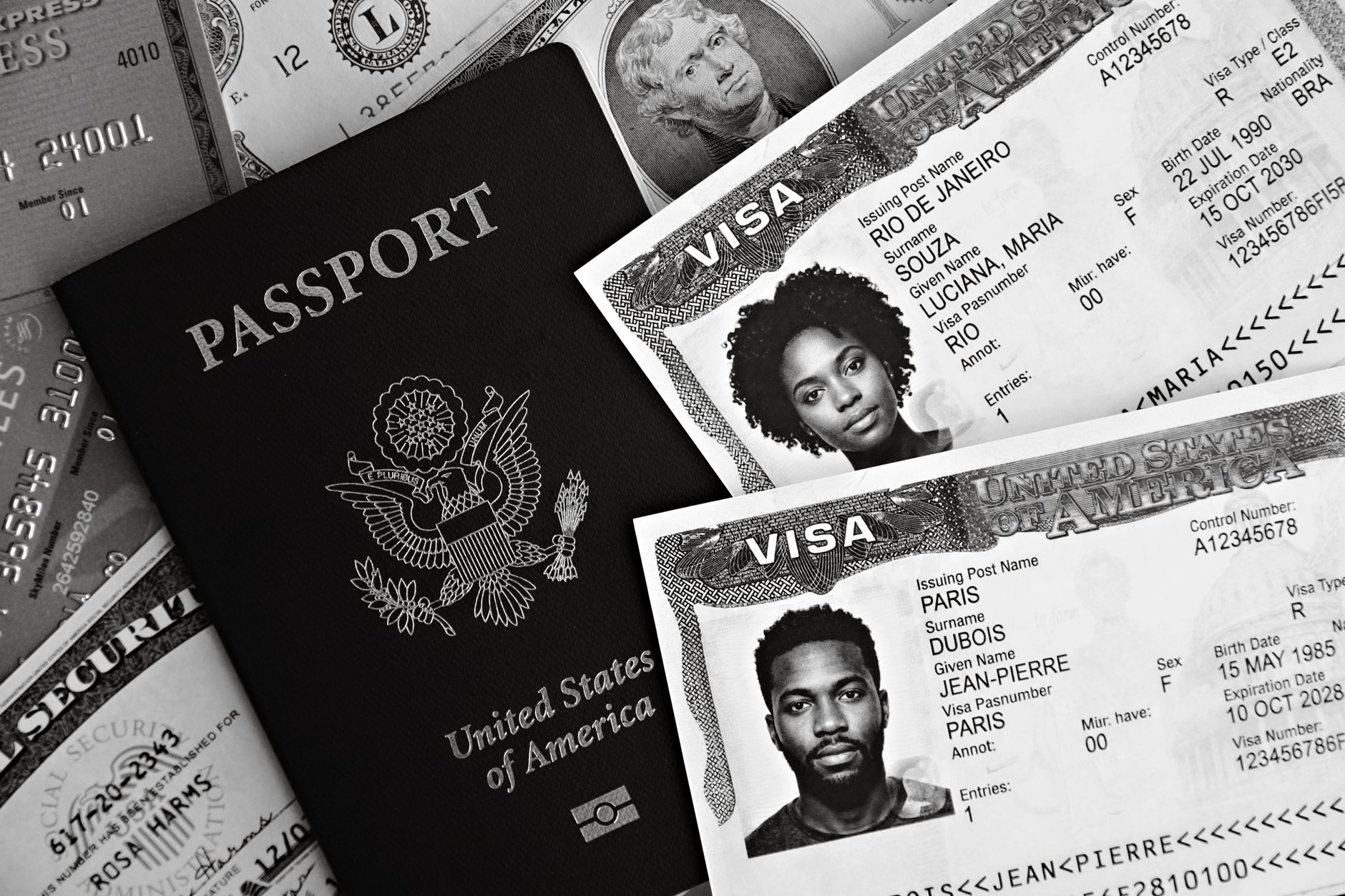
Start with your passport. Most countries require at least six months of validity beyond your planned departure date from Türkiye, plus at least one or two blank pages. If your passport is close to expiry, renew it before you do anything else — visa applications and flight bookings all depend on it.
Many nationalities — including citizens of the UK, most EU countries, the US, Canada, Australia and many Gulf states — can enter Türkiye visa-free for short stays or obtain an e-visa in minutes through the official government portal. Citizens of some countries need a paper visa, and a few may need additional supporting letters. The key is to confirm your specific situation on the official Republic of Türkiye e-Visa website rather than relying on forum posts.
This is where your clinic coordinator earns their keep. Reputable Turkish hospitals routinely issue an invitation or appointment letter on official letterhead, which can support your visa application or be presented at immigration. Simply ask your coordinator: "Can you send a visa support letter for my treatment dates?" They do this every week and will know exactly what your nationality typically needs.
Tip: Save a digital copy of your passport, e-visa and clinic invitation letter in your phone and email them to yourself. If anything is lost in transit, you can still show documentation at the airport.
Step 2: Medical Records, Translation and Remote Consultation
Before any surgeon can give you an accurate plan and quote, they need to understand your history. Your coordinator will send you a simple checklist of what to send: recent blood tests, imaging reports (MRI, CT, X-ray), biopsy or pathology results if relevant, a list of current medications with dosages, and a short summary of previous surgeries or treatments.
Don't worry if your records are in English, German, Arabic, French or another language. Most large Turkish hospitals work with professional medical translators and can handle documents in many languages. In some cases the clinic will arrange certified translation itself; in others it will ask you to use a recognised translation service. Either way, your coordinator confirms exactly what is needed so there are no surprises.
Once your records are reviewed, you'll usually have a video consultation with the doctor — often within a few days. This is your moment to ask everything: expected outcomes, recovery timelines, risks, what happens if complications arise, how long you should stay in Türkiye and when you can fly home. Take notes, and don't be shy about asking for clarification. Good clinics welcome questions; it means you're engaged in your own care.

Step 3: Treatment Agreements, Deposits and Payment Methods
After your consultation, the clinic issues a written treatment plan and agreement. This document should clearly state the procedure, the inclusive price (hospital stay, surgeon and anaesthesia fees, medications, consultations, transfers and follow-ups), what is not included, the length of stay, and the cancellation or rescheduling policy. Read it carefully, and ask your coordinator to explain any clause you don't understand. They would much rather answer a question now than have you worried on arrival.
Most hospitals ask for a deposit — commonly 10–30% of the total — to confirm your surgery date and begin reserving operating theatre time, your surgeon's schedule and your hospital room. Deposits are typically paid by bank transfer or secure online payment link. Always pay to the clinic's official corporate account or its verified payment gateway, never to an individual's personal account.
For the balance, Turkish hospitals accept a range of methods. International bank transfers are common for larger amounts. Major credit and debit cards (Visa, Mastercard, sometimes Amex) are widely accepted, though your bank may charge a foreign transaction fee and hospitals sometimes apply a small card processing charge — ask upfront. Cash in EUR, USD or GBP is accepted at many clinics, but carrying large sums is risky; if you prefer cash, exchange at a bank or authorised exchange office and keep receipts.
Your coordinator will send a clear payment schedule: how much and when. Many clinics also provide a formal invoice you can submit to your insurer or employer for reimbursement. If you have travel medical insurance or a policy that covers treatment abroad, tell the coordinator early — they can often supply the documentation your insurer requires before you travel.
Step 4: Medication Rules and What to Bring
Bring enough of your regular prescription medication to cover your entire trip, plus a few extra days in case of delays. Keep medicines in their original packaging with the pharmacy label visible, and carry a doctor's letter listing each medication, its dosage and the medical reason for it. This letter should ideally be in English or Turkish and signed by your prescribing physician.
Türkiye has strict rules on certain controlled substances — including some strong painkillers, sedatives and stimulants. Before you travel, ask your coordinator to check whether any of your medications require special permission. If they do, the clinic can guide you through the process or, where appropriate, arrange equivalent medication locally under medical supervision.
Pack medications in your hand luggage, never in checked bags. If you use insulin, injectables or medical devices, bring them in a clear bag with documentation and let airport security know. On arrival, your coordinator or hospital team can also help you refill prescriptions prescribed as part of your treatment plan, so you're never left managing this alone.

Step 5: Airport Transfers and Arrival Day
Arrival day is where Turkish clinics truly shine. Before you fly, your coordinator confirms your flight details and arranges a private transfer — usually a driver holding a sign with your name in the arrivals hall, or a hospital shuttle for VIP packages. You'll be given the driver's name, vehicle details and a 24/7 contact number in case anything changes.
From Istanbul Airport (IST) or Sabiha Gökçen (SAW), transfers to central hospitals typically take 30–60 minutes depending on traffic. Your driver will take you directly to your hotel or, if your schedule requires it, straight to the hospital for pre-operative tests. Sensible clinics schedule a rest day before major procedures so you can settle in, meet your coordinator in person and complete any final paperwork calmly.
Once admitted, your coordinator remains your link between you, your doctors and your family back home. They help with translation, explain each step, coordinate with nurses and arrange your follow-up appointment and return transfer after discharge. Many patients say this continuous support is what made the whole experience feel safe and manageable — and it's included in the standard service of well-run Turkish hospitals.
Your Pre-Travel Checklist at a Glance
- Passport valid at least six months beyond departure, with blank pages
- E-visa or visa-free entry confirmed on the official Turkish government site
- Clinic invitation/appointment letter for immigration if required
- Medical records, imaging and test results sent to your coordinator
- Professional translations arranged if needed
- Video consultation completed and treatment plan agreed in writing
- Deposit paid to the clinic's official account; balance payment method confirmed
- Doctor's letter for all regular medications; controlled drugs checked in advance
- Medications packed in hand luggage in original packaging
- Flight details shared with coordinator; airport transfer confirmed
- Travel insurance and any reimbursement paperwork prepared
- Emergency contacts and 24/7 coordinator number saved in your phone
Preparing for medical travel to Türkiye is not complicated when you have the right guide. With a dedicated coordinator handling documents, translations, payments, medication questions and transfers, you can focus on what really matters: your health and your recovery. Take the steps above one at a time, ask questions freely, and you'll arrive in Türkiye organised, informed and ready to be cared for.
Thinking about treatment in Turkey?
Send us a question about this site or about the information published on it. This is a publisher's mailbox, not a medical service and not a route to a particular provider — for clinical questions, contact your own doctor.