

From Downtime to Golden Time: A New Way to Recover
For decades, the phrase "post-surgery recovery" conjured images of dimly lit bedrooms, bland hospital food, and counting the hours until you could get back to real life. But in Türkiye, clinics and coastal towns have quietly rewritten that script. Recovery here is not a pause button—it's a gentle, sunlit chapter of its own, where the Mediterranean breeze, the aroma of olive oil and fresh herbs, and the rhythm of the sea become part of your healing plan.
Autumn in particular is Türkiye's best-kept recovery secret. By late September, the fierce summer heat has mellowed into mild, golden days—typically 22–27°C (72–80°F) along the Aegean and Mediterranean coasts—with softer light and quieter beaches. This is exactly the kind of weather surgeons hope for: comfortable enough for short, supervised walks, cool enough to avoid overheating, and bright enough to lift your spirits.
Instead of viewing recovery as lost time, imagine it as a retreat you didn't know you were booking. With the right clinic guidance and a well-chosen coastal base, downtime becomes a rare opportunity to slow down, eat well, sleep deeply, and let your body do its remarkable work.
Why the Turkish Coast Is Built for Healing
Türkiye's Aegean and Mediterranean shoreline stretches for hundreds of kilometres, dotted with towns that seem designed for convalescence. Places like Bodrum, Fethiye, Çeşme, Kaş, and the quieter coves around Marmaris offer clean sea air, low-stress promenades, and a pace of life that doesn't demand anything from you. There are no steep hills to accidentally conquer, no crowds pushing you to keep up.
Many clinics in Istanbul, Izmir, and Antalya partner with recovery-friendly hotels and guesthouses that understand post-operative needs: ground-floor rooms, elevators, gentle lighting, easy access to pharmacies, and staff who speak English and are used to accommodating medical travellers. Some even coordinate private transfers from the clinic to the coast, so the journey itself is calm and cushioned.
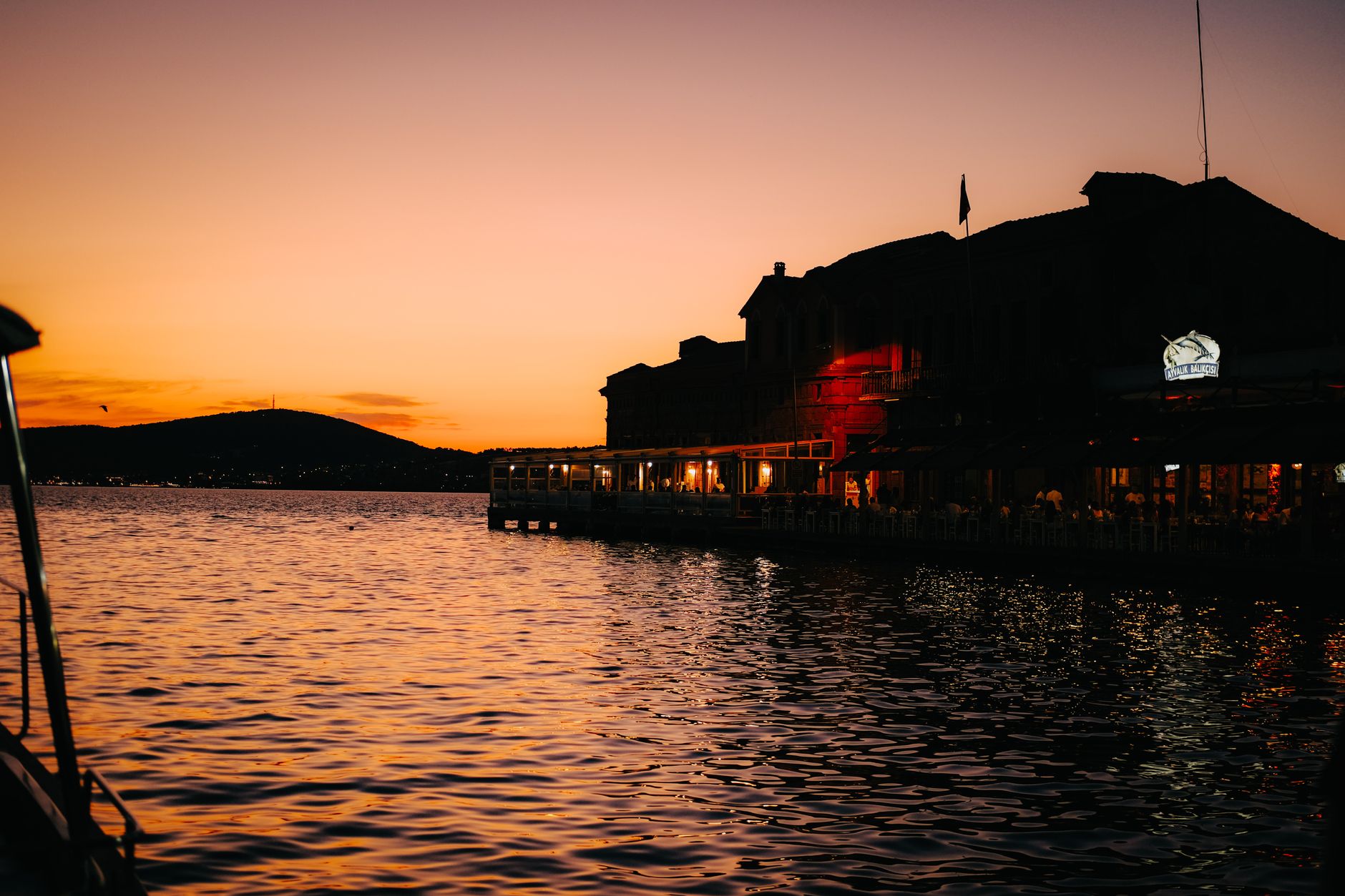
There's also a psychological dimension that's hard to overstate. Waking up to the sound of waves instead of traffic, watching fishing boats return at dusk, and feeling warm sun on your skin—these small pleasures are powerful. Recovery is as much mental as physical, and Türkiye's coastal calm gives your mind permission to rest alongside your body.
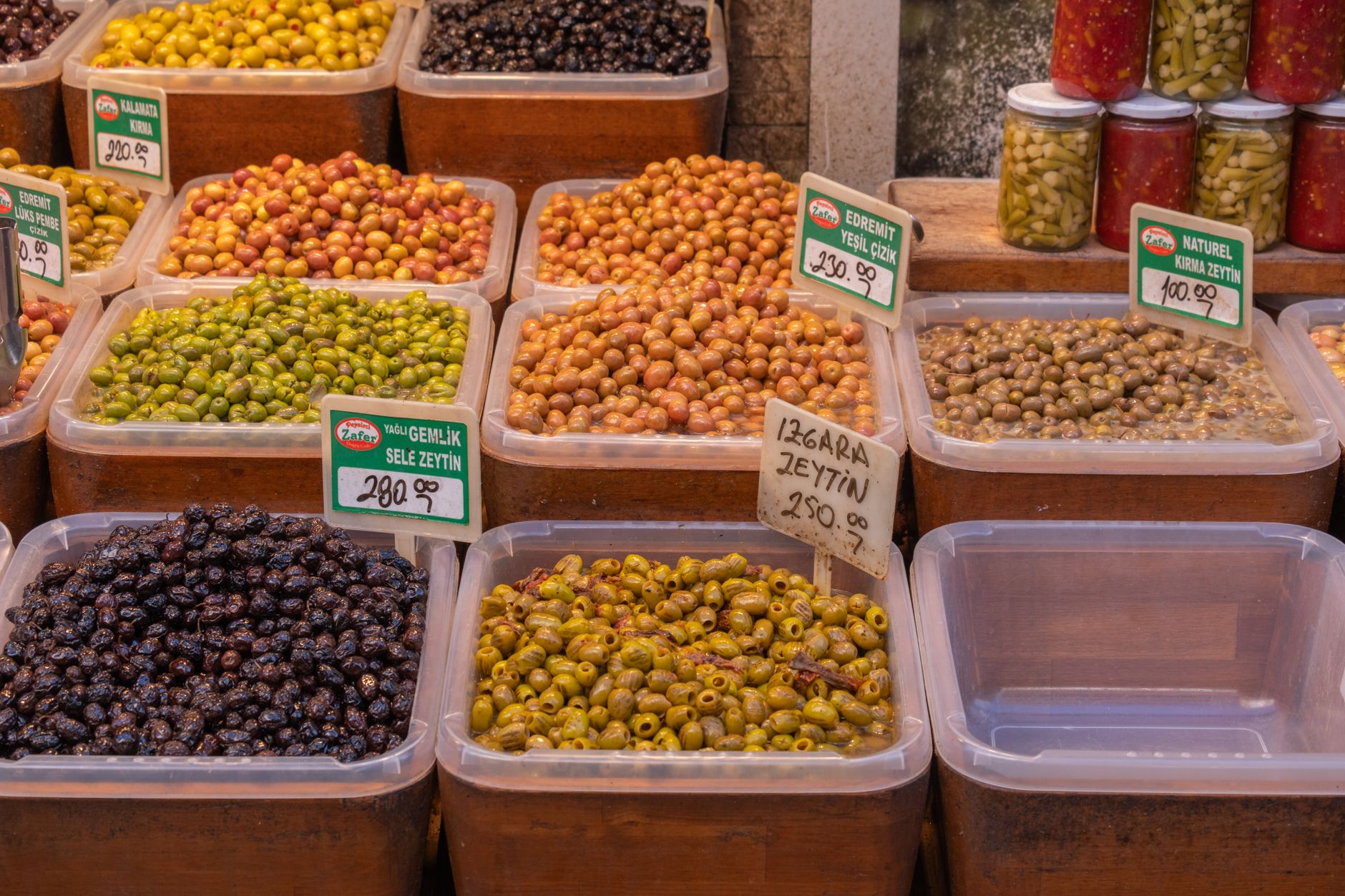
Nutritious Turkish Cuisine, Adapted for Post-Op Diets
If you think post-surgery food means plain broth and crackers, Turkish cuisine will delight you. The Mediterranean diet—long celebrated for its anti-inflammatory and heart-healthy properties—is essentially the default here. Olive oil, fresh vegetables, legumes, yogurt, fish, and whole grains form the backbone of everyday eating, and these are exactly the foods that support tissue repair and reduce swelling.
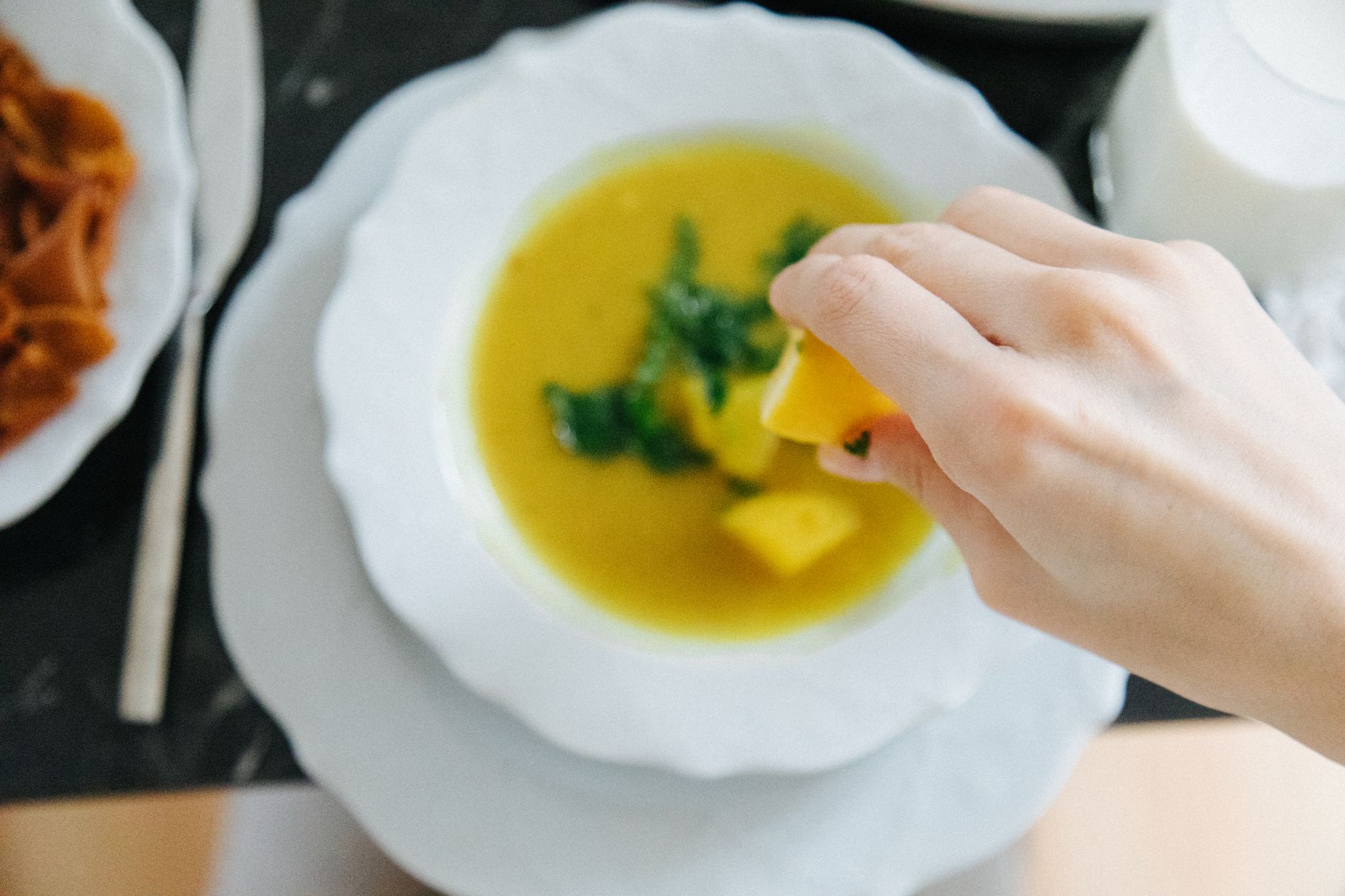
Clinics and knowledgeable hotels can adapt classic dishes to your recovery stage. In the early days, you might enjoy lentil soup (mercimek çorbası), smooth yogurt with honey, or softly stewed vegetables. As your appetite and digestion return, gentle proteins like grilled sea bass, poached chicken, and kısır (a bulgur salad with tomato and herbs) come into play. Zeytinyağlı dishes—vegetables cooked in olive oil and served at room temperature—are a recovery staple: light, flavourful, and easy on the system.
Hydration matters too, and Türkiye makes it effortless. Fresh pomegranate juice, herbal teas like sage and linden, and ayran (a refreshing yogurt drink) keep you hydrated without sugar overload. If you have specific dietary restrictions—low sodium, low fibre, diabetic-friendly—ask your clinic or hotel in advance; many are happy to tailor meals. And always follow your surgeon's guidance on what and when to eat, especially in the first 48–72 hours after anaesthesia.
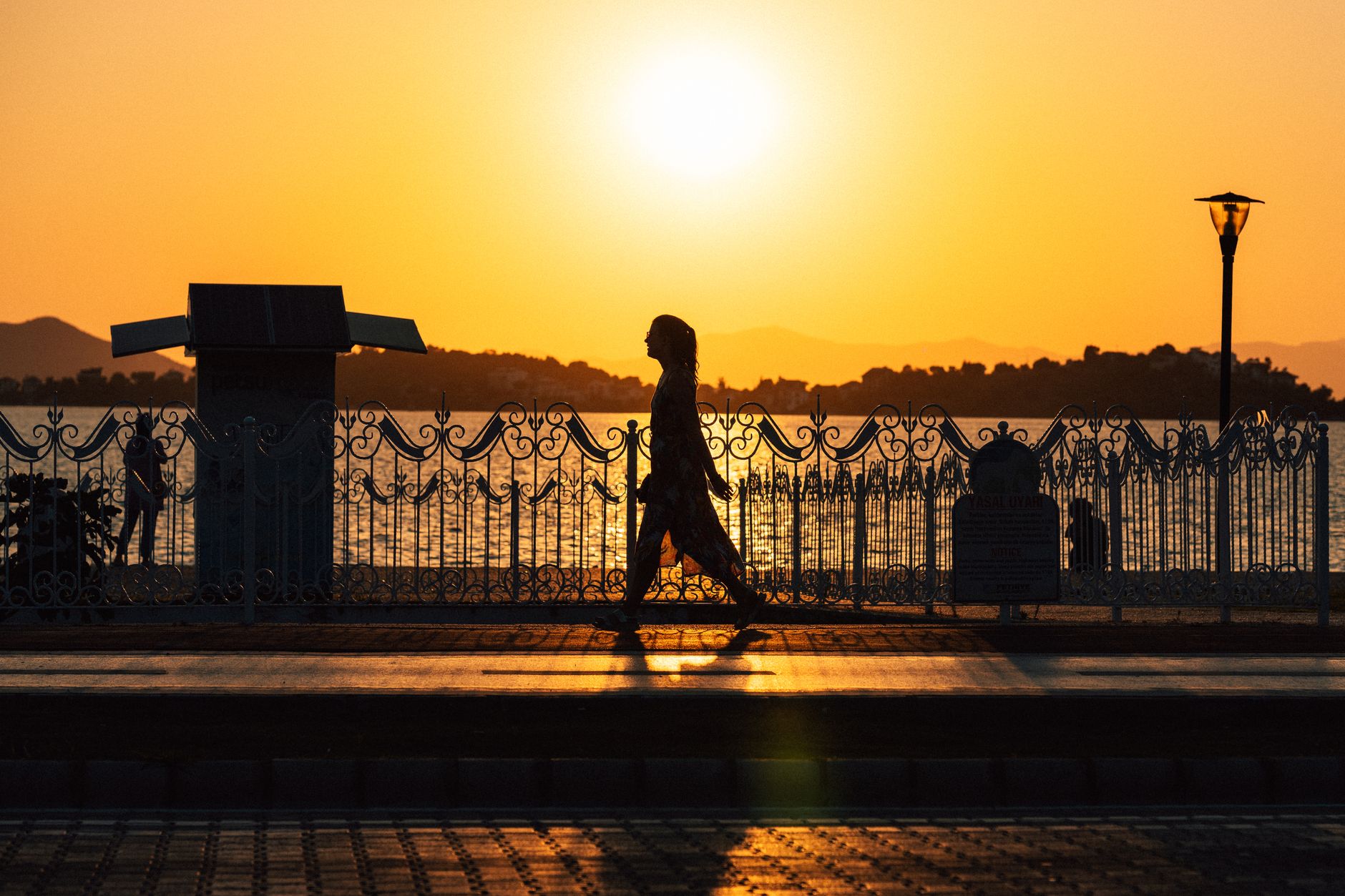
Gentle Walking Routes by the Sea
Movement is medicine—but only in the right doses. Most surgeons encourage light walking soon after many procedures to prevent blood clots and support circulation, yet the key word is gentle. Türkiye's coastal promenades are ideal for this: flat, paved, shaded in places, and never far from a bench or a café where you can pause.
In Bodrum, the marina walk offers easy, level strolling with sea views and plenty of spots to sit. Fethiye's Kordon (waterfront promenade) stretches along the bay with smooth paths and cooling breezes. In Çeşme, the Ilıca area has gentle beachfront paths where you can walk barefoot on soft sand if approved by your doctor. Kaş, smaller and quieter, is perfect for short, unhurried loops around the harbour.
The advice is simple: start with 5–10 minutes, twice a day, and build slowly. Walk on flat ground, avoid midday heat, wear supportive shoes, and stop the moment you feel pain, dizziness, or unusual fatigue. Your clinic will give you a personalised activity plan—follow it rather than pushing yourself. The goal is circulation and mood, not steps.
When Is Light Activity Safe? A Realistic Timeline
Every procedure is different, and your surgeon's instructions always take precedence. That said, general healing timelines can help you plan sensibly. For many minor procedures (e.g., certain cosmetic or dental surgeries), light walking may be encouraged within 24–48 hours. For more involved surgeries—such as orthopaedic, abdominal, or cardiac procedures—mobility is usually introduced gradually, often starting with assisted walking in the hospital and progressing to short outdoor strolls over one to two weeks.
Weeks 2–4 often bring a noticeable shift: incisions are healing, swelling subsides, and many patients feel ready for longer, slower walks and gentle sightseeing. Weeks 4–8 typically allow more freedom, though strenuous activity, heavy lifting, and swimming may still be off-limits depending on your case. Full recovery can take three to six months or more for major surgeries—and that's normal.
Clinics in Türkiye are known for clear, written aftercare instructions, often in English, with 24/7 contact numbers and follow-up appointments (in person or virtual). Don't hesitate to ask questions: Can I walk on the beach? When can I swim? Is a short car trip okay? Good clinics welcome these questions and will adjust your plan as you progress.
Pacing Yourself: The Art of Doing Less, Better
The most common recovery mistake isn't overdoing it once—it's the cumulative effect of many small overdoings. A longer walk than planned, a skipped rest, a day of sightseeing because you felt good—each adds up. Turkish coastal life naturally discourages this. Meals are leisurely, afternoons invite naps, and nobody rushes you.
Embrace the local rhythm. Have breakfast slowly on a shaded terrace. Read by the sea. Take a short walk in the cool of the morning, rest, then another in the late afternoon. Keep a simple journal of your energy levels—it helps you spot patterns and communicate clearly with your clinic. And remember: boredom is not a sign of failure; it's often a sign of healing.
If you're travelling with a companion, give them a role: they can help you stick to timings, carry bags, and gently remind you to rest. Many clinics also offer physiotherapy, massage (when appropriate), and nutritional counselling to support your recovery. These aren't luxuries—they're investments in a smoother, faster return to full strength.
Practical Tips for a Smooth Recovery Stay in Türkiye
Choose your base with care. A ground-floor room or a hotel with a lift, close to a pharmacy and a flat promenade, makes daily life easier. Ensure your travel insurance covers your procedure and any follow-up care, and keep copies of your medical documents handy. Pack loose, comfortable clothing, supportive footwear, and any medications you need, plus a little extra for delays.
Respect the seasons. Autumn (September–November) and spring (April–May) are ideal for recovery travel: mild temperatures, fewer crowds, and lower prices. Summer can be too hot for post-op walks, and winter, while quiet, may limit outdoor time in some regions. Always confirm with your clinic that your chosen destination and timing suit your specific recovery.
Finally, remember why you're here. You didn't come to Türkiye just for a procedure—you came for a chance to feel better. The sea, the food, the sunshine, and the unhurried days are not distractions from recovery; they are recovery. Done thoughtfully, downtime becomes the most restorative part of the journey.
"Recovery is not a race. In Türkiye, it's a slow, sunlit walk by the sea—one gentle step at a time."
Thinking about treatment in Turkey?
Share your contact details and a verified doctor will follow up with a plan built around you — free, no obligation.