
Why Türkiye Leads in Stroke Rehabilitation
Türkiye has emerged as a global destination for medical tourism, not only for surgical procedures but also for comprehensive rehabilitation programmes. Stroke survivors from around the world are discovering that Turkish neurorecovery centres offer a unique blend of cutting-edge technology, highly trained specialists, and warm, patient-centred care. These facilities are designed to maximise recovery during an intensive stay, often achieving functional gains that would take months in standard outpatient settings.
The country's investment in healthcare infrastructure is remarkable. Hospitals and rehabilitation clinics in Istanbul, Ankara, and Izmir are equipped with robotic gait trainers, virtual reality systems, and transcranial magnetic stimulation devices. These tools are integrated into individualised programmes tailored to each patient's specific deficits and goals. International patients benefit from shorter waiting times, cost-effective packages, and the opportunity to combine therapy with a restorative stay in a beautiful, welcoming environment.
What sets Türkiye apart is the holistic approach. Multidisciplinary teams—including physiatrists, physiotherapists, occupational therapists, speech-language pathologists, and neuropsychologists—work together under one roof. This coordination ensures that every aspect of recovery, from motor function to communication, is addressed simultaneously. For stroke survivors, this means more than just exercises; it means a pathway to reclaiming independence.
Robotic-Assisted Therapy: Precision and Repetition
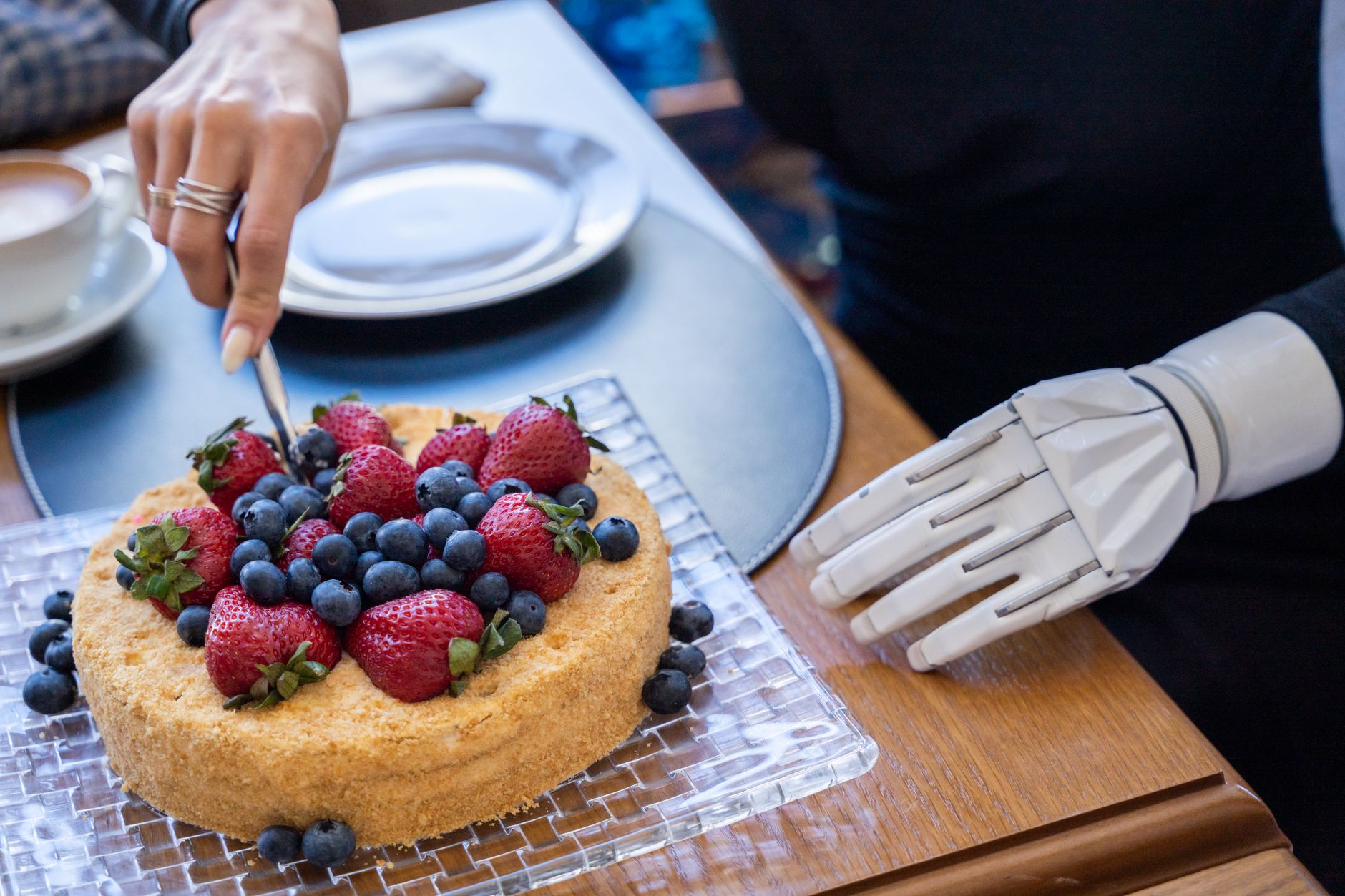
One of the most exciting developments in Turkish rehabilitation centres is the widespread use of robotic-assisted therapy. Devices such as exoskeletons for walking and robotic arms for upper-limb training allow patients to perform thousands of repetitive movements with perfect consistency. This high-intensity practice is crucial for neuroplasticity—the brain's ability to rewire itself after injury. Unlike manual therapy, robots provide precise assistance and resistance, adapting in real time to the patient's progress.
For example, a patient with hemiparesis can use a robotic gait trainer to practice stepping patterns safely, with body-weight support and real-time feedback. Over sessions, the machine gradually reduces assistance, encouraging the patient to engage their own muscles. Similarly, robotic gloves and exoskeletons for the hand help regain fine motor skills like grasping and pinching. These technologies are not gimmicks; studies show they lead to significant improvements in walking speed, balance, and upper-limb function.
Turkish clinics often combine robotics with conventional physiotherapy. A typical day might include an hour of robotic gait training, followed by manual therapy to address muscle tone and joint mobility, and then functional electrical stimulation. This multimodal approach accelerates progress and keeps patients motivated as they see tangible results. Many centres also use virtual reality games that make repetitive exercises feel like play, further enhancing engagement.
Intensive Physiotherapy: Building Strength and Function
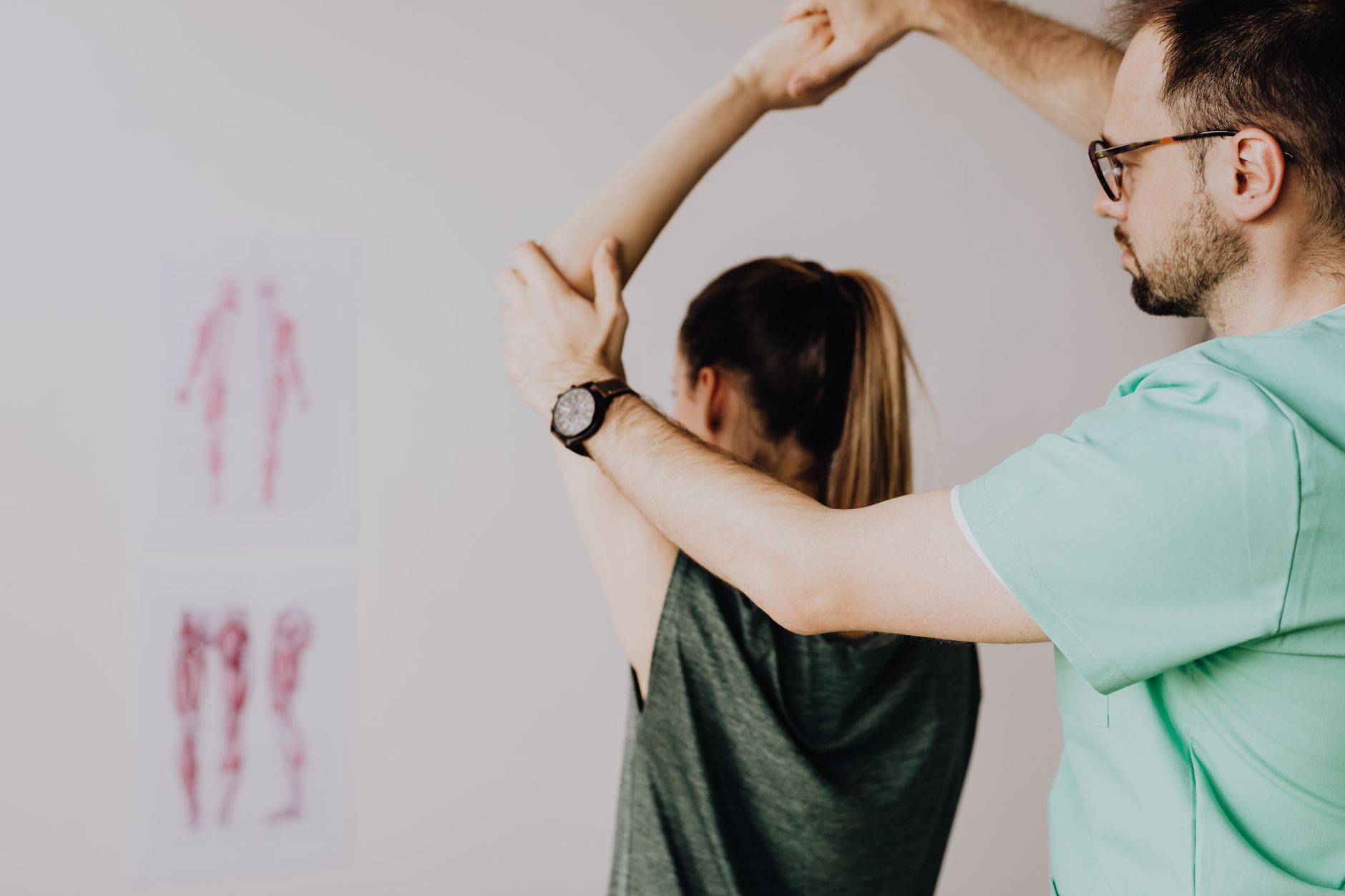
Intensive physiotherapy is the backbone of any stroke rehabilitation programme, and Turkish centres excel at delivering it in a structured, goal-oriented manner. Patients typically receive three to five hours of therapy per day, six days a week. This intensity is designed to take advantage of the early recovery window and to drive neuroplastic changes. The focus is on functional tasks: sitting balance, standing up, walking, and climbing stairs.
Therapists use a variety of techniques, including constraint-induced movement therapy (CIMT), where the unaffected limb is restrained to force use of the affected side. This approach has strong evidence for improving upper-limb function. Another technique is task-specific training, where patients practice real-life activities like making tea, brushing hair, or navigating a kitchen. Turkish centres often have fully equipped ADL (activities of daily living) apartments where patients can rehearse these skills in a safe, supportive environment.
Beyond the gym, physiotherapists educate patients and families on home exercises and energy conservation. The goal is to ensure that gains made during the stay are maintained after discharge. Many centres offer telerehabilitation follow-ups, so international patients can continue to receive guidance once they return home. This continuity of care is a hallmark of the Turkish approach and contributes to long-term success.
Speech and Language Therapy: Rebuilding Communication
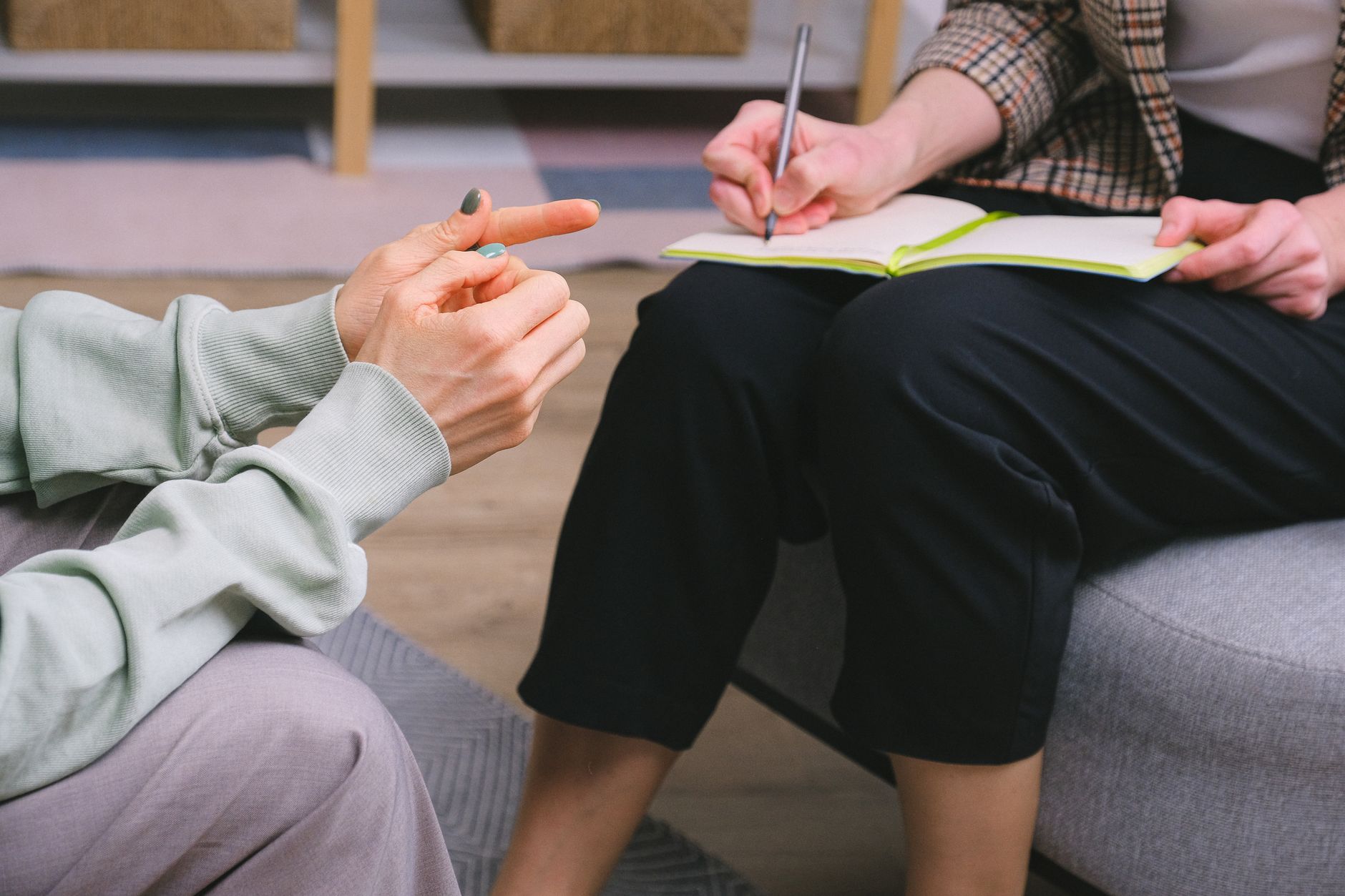
Stroke often affects communication, whether through aphasia (difficulty understanding or producing language) or dysarthria (slurred speech). Turkish rehabilitation centres employ experienced speech-language pathologists who use evidence-based methods to help patients regain their voice. Therapy sessions are tailored to the individual's needs, focusing on comprehension, expression, reading, writing, and social communication.
Techniques include melodic intonation therapy, where patients sing phrases to engage the right hemisphere, and semantic feature analysis to strengthen word retrieval. For dysarthria, therapists work on breath support, articulation, and rate control. Group sessions are also common, providing a supportive environment to practice conversation and reduce isolation. Many centres use software and apps for home practice, allowing patients to continue exercises between sessions.
For international patients, language barriers can be a challenge, but Turkish centres are adept at working with translators or multilingual therapists. The goal is not just to improve speech but to restore confidence and social participation. Family members are encouraged to join sessions to learn how to support communication at home, turning every interaction into an opportunity for progress.
The Role of a Multidisciplinary Team
Stroke recovery is complex, and no single discipline can address all needs. Turkish rehabilitation centres pride themselves on their multidisciplinary teams, which include physiatrists, nurses, psychologists, dietitians, and social workers. This team meets regularly to discuss each patient's progress, adjust goals, and ensure coordinated care. For international patients, a case manager is often assigned to handle logistics, from visa support to accommodation and transportation.
Psychological support is a critical component. Depression and anxiety are common after stroke, and they can hinder rehabilitation. Turkish centres integrate cognitive-behavioural therapy, mindfulness, and peer support groups into the programme. Patients also receive nutritional counselling to manage risk factors like hypertension and diabetes, reducing the chance of recurrent stroke.
The team also involves family members as partners in recovery. They are trained in safe transfer techniques, exercises, and communication strategies. This empowers families to continue therapy after discharge and creates a supportive home environment. The holistic model ensures that patients are treated not just as a set of symptoms but as whole individuals with unique aspirations.
What to Expect During an Intensive Recovery Stay
An intensive recovery stay in Türkiye typically lasts two to six weeks, depending on the patient's condition and goals. Upon arrival, patients undergo a comprehensive assessment that includes functional scales like the Fugl-Meyer Assessment and the Berg Balance Scale. Based on this, a personalised programme is created, with measurable goals such as walking 100 metres independently or tying shoelaces.
A typical day starts with breakfast, followed by a morning of physiotherapy and robotic training. After lunch and a rest, patients attend speech therapy or occupational therapy. Late afternoons might include group activities, psychological support, or recreational outings. The schedule is demanding but balanced, with ample rest to avoid fatigue. Weekends often include lighter sessions or cultural excursions, helping patients feel human again.
Accommodation options range from hospital suites to nearby hotels and guesthouses, many of which are wheelchair accessible. Turkish hospitality ensures that patients and families feel welcome, with staff often going the extra mile to accommodate dietary preferences or religious needs. The combination of intensive therapy and a pleasant environment creates a positive feedback loop, boosting motivation and outcomes.
Measuring Success: Realistic Outcomes and Hope
One of the most compelling reasons to choose Türkiye is the focus on measurable outcomes. Centres track progress using standardised assessments and share results with patients weekly. This transparency builds trust and allows for timely adjustments. While every stroke is different, many patients achieve significant gains: improved walking ability, better hand function, clearer speech, and greater independence in daily activities.
It's important to have realistic expectations. Recovery is a marathon, not a sprint. However, the intensity and technology available in Turkish centres can accelerate progress and help patients reach their plateau faster. Even small improvements—like being able to hold a cup or say a loved one's name—can have a profound impact on quality of life. The encouraging environment and celebration of every milestone keep spirits high.
International patients often form bonds with others in the programme, creating a community of survivors who inspire each other. The experience is not just about therapy; it's about reclaiming hope and setting a new direction. As one patient put it, "I came for my arm, but I left with my life back." Türkiye offers that blend of advanced medicine and human connection that makes all the difference.
Thinking about treatment in Turkey?
Share your contact details and a verified doctor will follow up with a plan built around you — free, no obligation.