
Why Revision Surgery Deserves a Specialist Centre
Weight-loss surgery changes lives — but it is not a one-and-done guarantee. A small percentage of patients experience insufficient weight loss, weight regain, or complications such as reflux, band erosion or staple-line issues years after their first procedure. When that happens, a carefully planned revision procedure can restore momentum and protect the health gains already made.
Revision surgery is fundamentally different from a primary operation. Scar tissue, altered anatomy and previous staple lines make every case unique, which is why experienced bariatric centres of excellence — like those in Türkiye — treat revisions as a distinct subspecialty rather than a routine repeat.
Turkish clinics combine high-volume surgical teams, advanced robotic platforms and structured aftercare programmes. The result is a positive, practical pathway for patients who want a second — and often final — attempt at lasting health.
When Is the Right Time to Travel for a Revision?
Timing matters as much as technique. Most surgeons recommend waiting until at least 12–18 months after the original operation, so that tissues have healed and nutritional status can be honestly evaluated. Travel should also be planned when you are medically stable — no active infections, uncontrolled diabetes or untreated cardiac issues.
From a lifestyle perspective, the ideal window is a period when you can commit roughly two to three weeks abroad and a further four to six weeks of lighter activity at home. Many patients choose spring or autumn, when flights are comfortable and Istanbul or Antalya is pleasant for gentle walking during recovery.
Your bariatric team will confirm readiness through blood work, endoscopy, imaging and a nutritional review. Only when these boxes are ticked should flights be booked — and reputable Turkish centres coordinate this timeline with you step by step.
How Turkish Centres of Excellence Evaluate Previous Procedures
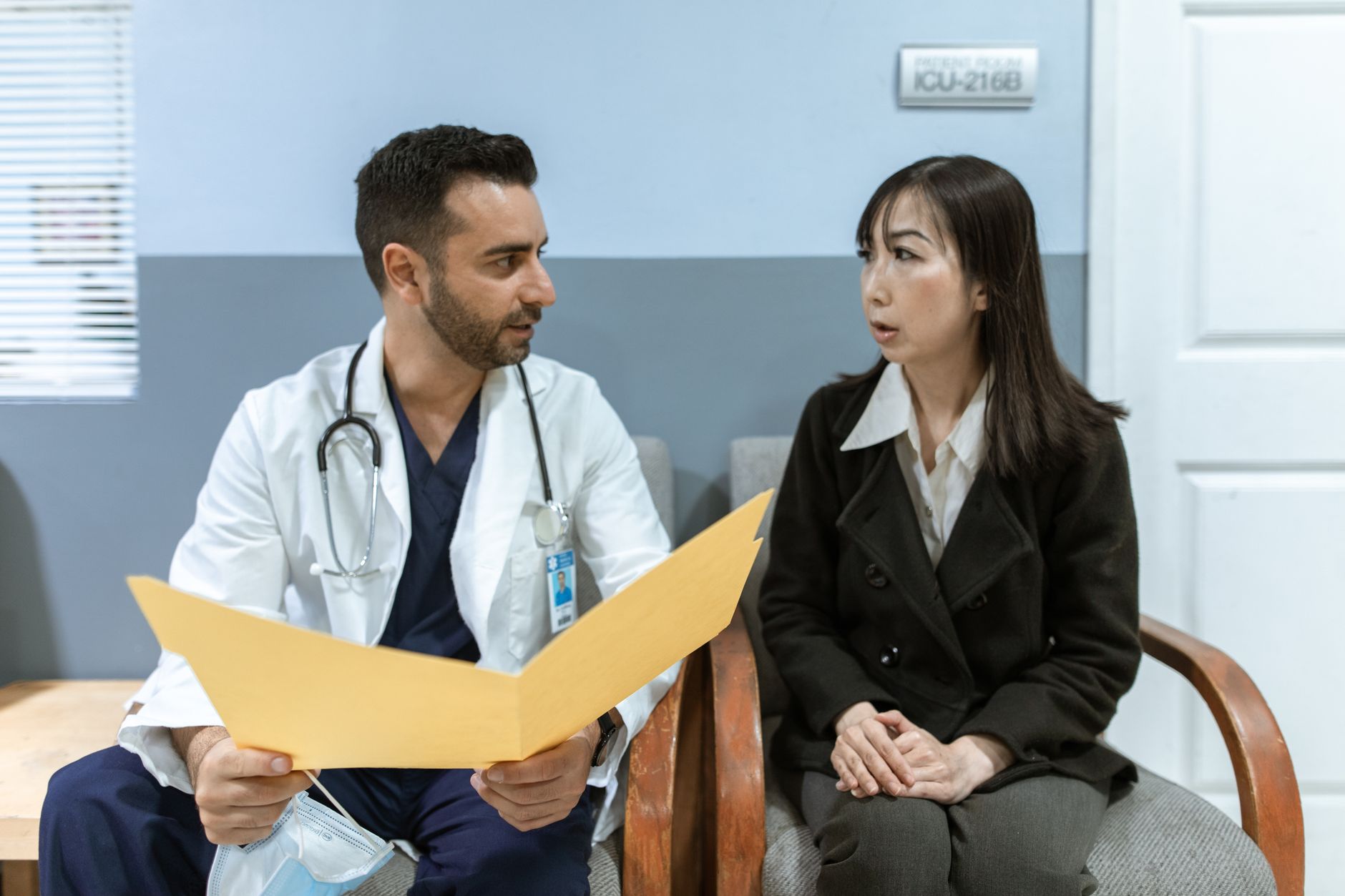
Assessment in a Turkish centre of excellence is thorough, structured and reassuringly transparent. The process typically begins with a remote review: you upload operative reports, discharge summaries and recent labs to a secure portal, and a bariatric surgeon and dietitian study them before you ever board a plane.
On arrival, evaluation continues with a contrast swallow study or CT scan to map the current anatomy, an endoscopy to inspect the pouch, sleeve or band site, and metabolic testing to check vitamin levels, protein status and blood sugar control. These findings determine whether a revision is appropriate — and, crucially, which type.
- Sleeve to bypass: for severe reflux or inadequate loss after sleeve gastrectomy.
- Bypass revision: for pouch enlargement, fistula or malabsorption issues.
- Band removal with conversion: for erosion, slippage or intolerance.
- Re-sleeving or pouch resizing: in selected, carefully screened cases.
Because Turkish teams perform these conversions frequently, they can offer honest guidance — including recommending against surgery when non-surgical options are safer.
Robotic and Laparoscopic Techniques: Precision That Protects Results
Minimally invasive surgery is the standard in Türkiye. Laparoscopic revision uses small incisions and long instruments, while robotic-assisted revision adds articulated wrists, 3D magnification and tremor filtration. In scarred, re-operated abdomens, that extra precision helps surgeons dissect safely around adhesions and staple lines.
Robotic platforms also improve suturing accuracy when reconstructing a pouch or creating a new anastomosis — the delicate steps that most influence long-term weight loss and reflux control. For many patients, this translates into less blood loss, fewer conversions to open surgery and shorter hospital stays.
Every Turkish centre of excellence pairs technique with protocol: enhanced recovery pathways, early mobilisation, thromboprophylaxis and leak-testing before discharge. The technology serves the plan — never the other way around.
Nutritional Planning Before and After Revision
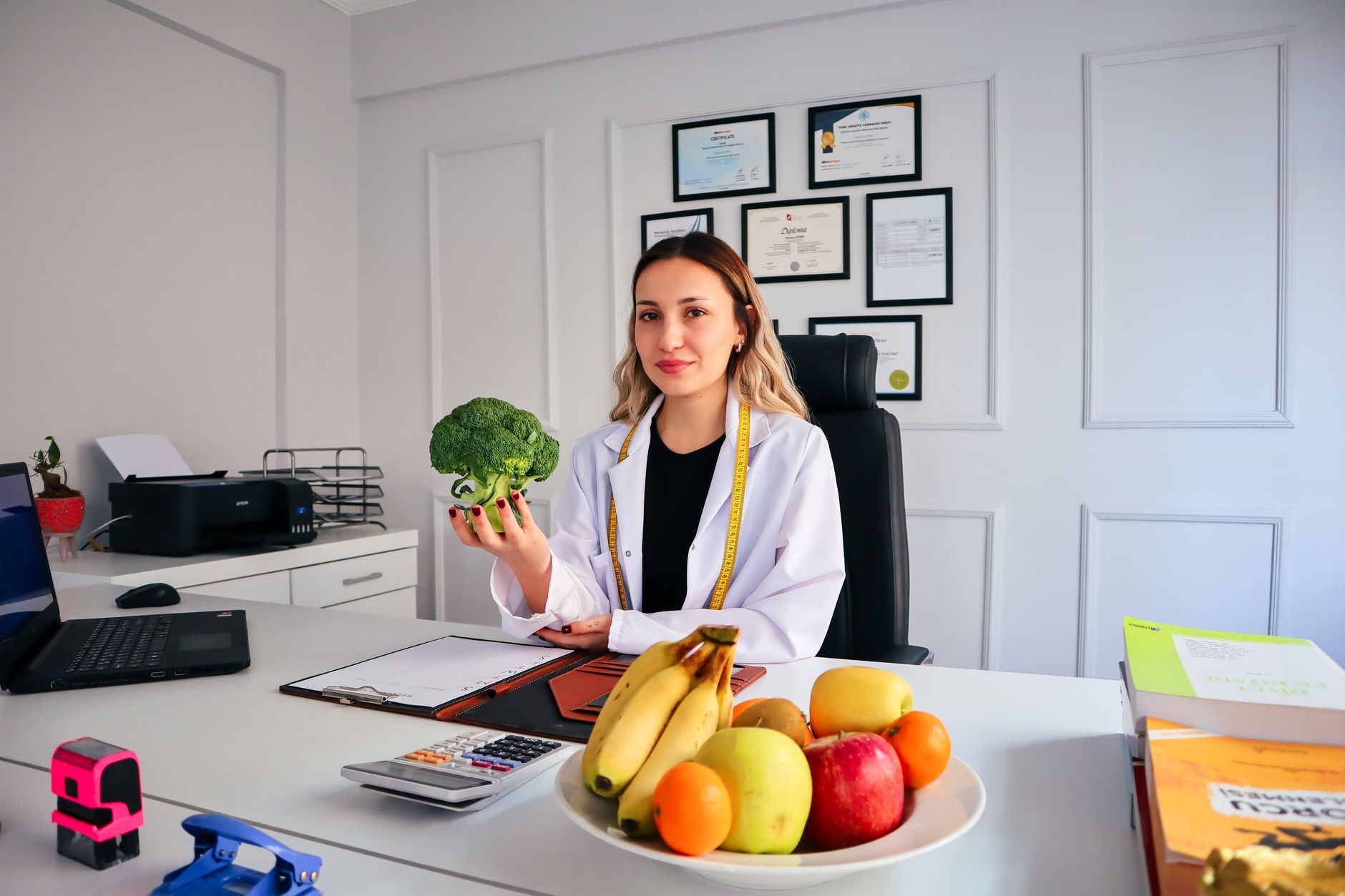
Revision patients often arrive with micronutrient deficiencies, low protein reserves or disordered eating patterns. Turkish dietitians therefore begin planning before surgery, using blood tests and body-composition analysis to design a personalised pre-operative diet that reduces liver volume and builds nutritional reserves.
After the operation, the plan evolves through clear phases: clear liquids, full liquids, purées, soft foods and finally solid consistency. Protein targets, hydration goals and a lifelong supplement schedule — iron, B12, calcium, vitamin D and others — are documented in a take-home guide translated into your language.
Revision is not just a second operation; it is a second education. Patients who follow structured nutritional coaching achieve the most durable results.
Turkish teams also screen for reflux triggers and food intolerances, adjusting the plan to your anatomy rather than applying a generic template.
Long-Term Remote Monitoring: Support That Travels Home With You
One of Türkiye's greatest strengths is follow-up that does not end at the airport. After discharge, patients join scheduled video consultations with their surgeon and dietitian at set intervals — commonly two weeks, one month, three months, six months and one year.
Between appointments, secure messaging lets you share weight logs, lab results from your home doctor, and photos of surgical sites. If a blood test shows low iron or a symptom needs attention, the team responds quickly and coordinates with your local physician.
This hybrid model — surgery in Türkiye, monitoring everywhere — protects your investment in health while respecting your life at home. It is a key reason international patients describe Turkish aftercare as more structured than what they expected locally.
Why Türkiye Excels — and How to Plan Your Trip
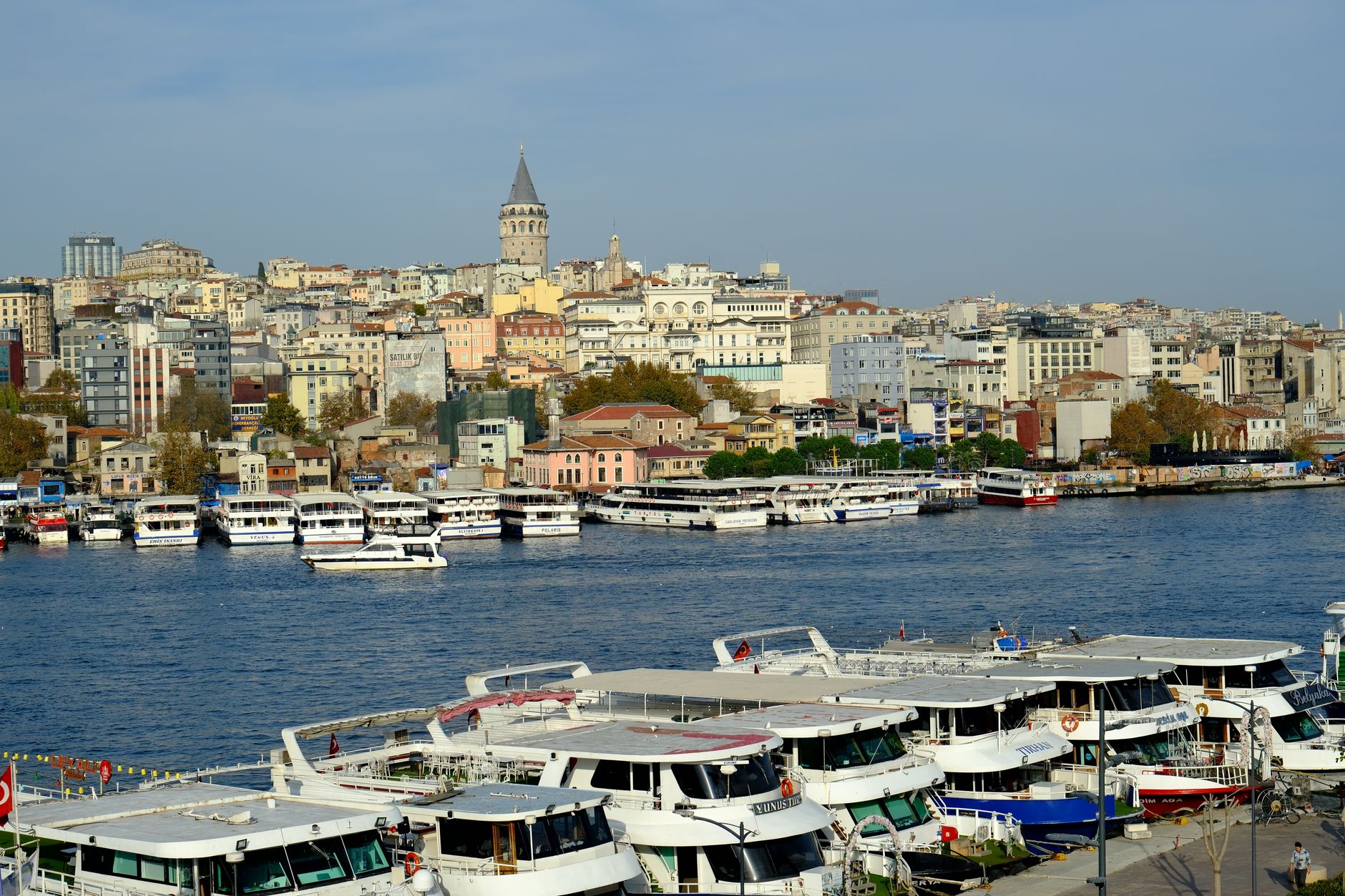
Türkiye has become a global hub for bariatric and metabolic surgery thanks to accredited hospitals, JCI-standard facilities, competitive pricing and surgeons who perform hundreds of revisions each year. Istanbul, Ankara and Antalya all host centres with dedicated international patient departments, translators and airport-to-hospital transfers.
A typical journey looks like this: remote assessment and quote, a 7–10 day hospital stay including surgery and initial recovery, then a few days in a hotel for check-ups before flying home. Total time abroad is usually 12–16 days, with clear guidance on when it is safe to fly.
If you are considering a second chance at lasting health, the message from Türkiye's centres of excellence is positive and practical: revision surgery is safe, well supported and tailored to you. With careful assessment, meticulous robotic or laparoscopic technique, thoughtful nutrition and long-term remote monitoring, a second attempt can become a lasting success. Istanbul Medical Tourism can connect you with accredited teams and help coordinate every step of your journey.
Thinking about treatment in Turkey?
Share your contact details and a verified doctor will follow up with a plan built around you — free, no obligation.